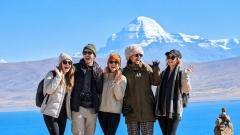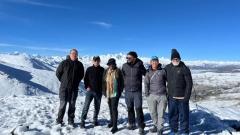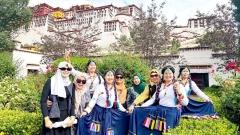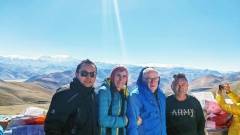

Located in the Purang region of Ngari, Tibet, at an altitude of around 4,800 meters, Lake Manasarovar is one of the most iconic sacred lakes in the Himalayas. Once your body has adapted to the high altitude, this is where the real rhythm of Ngari begins.
This day focuses on a light trekking experience around the sacred lake located at the foot of Mount Kailash. The lake water appears like frozen sky—pure, deep blue with no impurities. In the distance, snow mountains surround the basin, especially Naimona’nyi Peak, which often emerges through drifting clouds, perfectly reflecting on the lake surface and forming the classic “sacred mountain and holy lake” view.
The 10-kilometer, 3-hour lakeside trek is relatively easy. The route feels more like a relaxed high-altitude walk than a demanding hike. Along the way, travelers stop frequently for photography, birdwatching, and rest. The overall pace is slow, peaceful, and immersive.
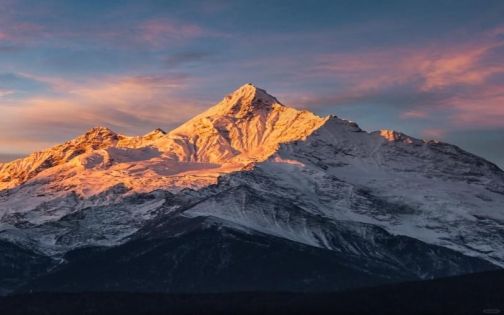
Manasarovar Lake
1. Trekking Experience at Lake Manasarovar
After initial acclimatization at higher elevations (around 5,000m), most travelers find the lakeside trail surprisingly comfortable.
The terrain is mainly grassland, gravel paths, and open lakeshore—no steep climbs or technical sections. It is best described as a scenic walking route with photography breaks rather than a strenuous trek.
What you’ll see along the way:
- Wide turquoise-blue sacred lake surface
- Reflections of distant snow peaks
- Tibetan nomadic life and grazing animals
- Migratory birds near the wetlands
If walking continuously, the 10 km route can be completed in about 2.5 hours. However, most visitors take longer due to frequent stops and photo sessions.
2. Best Viewpoint Recommendation: Langbuna Temple Area
A highly recommended route is to navigate toward “Langbuna Temple” and continue driving downhill toward the lakeshore.
From this area, you can see:
- Panoramic view of Lake Manasarovar
- Direct face view of Naimona’nyi Peak
- One of the clearest water reflection zones
This location offers one of the most iconic compositions of the region.
Important notes:
- Do NOT drive too close to the lake shore (soft sand, risk of getting stuck)
- Park on grassy areas and walk in
- A 4WD vehicle is strongly recommended
The wind here is extremely strong, and drone flights are often unstable. The best photography window is before sunset, when golden light may hit the snow peaks.
3. Rakshastal Contrast: The “Demon Lake” Experience
A short drive from Manasarovar brings you to Rakshastal, often referred to as the “Demon Lake.”
The contrast between the two lakes is striking:
- Manasarovar: bright, clear, life-giving blue
- Rakshastal: deep dark blue with greenish tones, wild and mysterious
The atmosphere around Rakshastal is harsher, with stronger winds and a more desolate landscape. Prayer flags flutter violently, and the surrounding mountains feel more rigid and isolated.
In Tibetan cultural interpretation, these two lakes represent balance—light and darkness coexisting rather than opposing each other.
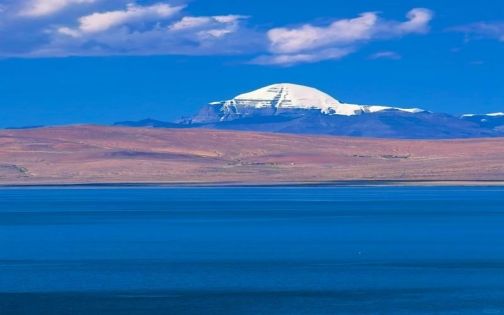
Manasarovar Lake
4. Road Conditions & Travel Reality
Modern travel around Lake Manasarovar requires careful planning.
Key realities:
- Some traditional free-access routes are no longer reliably open
- Entry via certain monastery roads may involve unofficial fees (around 150 RMB per person)
- Most surrounding roads are unpaved, including gravel and dirt tracks
- Several vehicles have been reported stuck in soft terrain
Recommendations:
- Stick to main highway viewpoints when uncertain
- Avoid unknown dirt roads without local confirmation
- Use a proper off-road or SUV vehicle
A newly built viewpoint along the main road now provides a stable panoramic alternative without needing risky off-road driving.
5. Photography & Experience Tips
Lake Manasarovar is not a place to rush through—it is a place to stay still.
Best ways to experience it:
- Sit by the lake with a folding chair
- Enjoy a simple high-altitude meal outdoors
- Wait for changing light conditions
Light conditions change dramatically:
- Morning: crisp, cold blue tones
- Midday: reflective mirror-like surface
- Sunset: golden-orange glow across snow peaks
If weather permits, sunset often produces dramatic “golden mountain” lighting on distant peaks.
6. Travel Preparation & Altitude Tips
Due to extreme altitude conditions, preparation is essential:
- Spend time acclimatizing in Lhasa or Shigatse first
- Avoid intense physical activity on arrival
- Stay well hydrated
- Bring windproof and warm clothing (wind is strong year-round)
- UV exposure is very high—sun protection is necessary
Weather and access conditions may change quickly, so flexibility in planning is important.
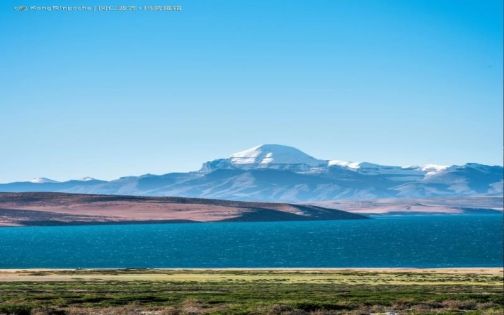
Manasarovar Lake
7. Final Impression: Why Manasarovar Stays in Memory
At the foot of Mount Kailash, Lake Manasarovar is more than a destination—it is a state of mind.
Its beauty is not defined by a single viewpoint but by the entire environment: snow mountains, open lake, wind, and shifting light all blending into one vast, silent experience.
Standing by the shore and watching Naimona’nyi Peak reflect on the water, it becomes clear that the “sacred lake” is not just a place—it is a moment where everything slows down, and both landscape and mind become still at the same time.
recommend route: