
The Kailash pilgrimage is a multi-ten-kilometer hike in a high-altitude environment, posing a severe test to both physical strength and willpower. The route has an average altitude exceeding 4,600 meters, with the highest point at Drolma La Pass (5,630 meters). The climate is volatile and facilities along the way are limited. Therefore, systematic safety preparation is not an option but the foundation for completing the journey. This guide focuses on providing actionable, specific information to help you understand what to expect, what to prepare, and how to respond to problems. Safety is the prerequisite for a smooth pilgrimage, and adequate preparation allows you to focus more on the journey itself rather than being troubled by unexpected situations.
Comprehensive Physical and Time Preparation Before the Kailash Kora
Success in embarking on the pilgrimage largely depends on pre-departure preparation. This is not a simple packing task but a systematic process of physical and mental adjustment and logistics planning.
Thorough altitude acclimatization is a golden rule—no shortcuts
Flying directly from a low-altitude area to Lhasa (3,650 meters) or Ngari and immediately starting the pilgrimage is extremely dangerous. Altitude sickness can be life-threatening. The “step-by-step acclimatization” principle must be strictly followed. It is recommended to stay in Lhasa for at least 2 to 3 full days upon arrival to allow the body to initially acclimatize. Afterwards, you can travel to Xigazê or Saga to further adapt to higher altitudes. Finally, after reaching Darchen Town (4,675 meters), the starting point of the pilgrimage, be sure to rest for another 1 to 2 days. Only when there are no severe symptoms such as intense headache, vomiting, or extreme difficulty breathing should you consider setting off. Treat the acclimatization period as part of the journey—patience is key.
Choose the optimal time window for the pilgrimage
Weather directly determines the difficulty and safety factor of the pilgrimage. According to past patterns, late May to mid-June, as well as the entire month of September to early October, are generally regarded as the golden periods for the pilgrimage. During this time, the temperature is relatively moderate, there is little snowfall, and road conditions are good. July and August are the rainy season, with volatile weather—sudden heavy rains, hail, muddy roads, and increased risk of hypothermia are possible. From late October to April of the following year, high points such as Drolma La Pass are likely to be covered in deep snow, with extremely low temperatures. Only highly experienced mountaineers should attempt the journey during this period. When planning your itinerary, be sure to check the long-term weather forecast and prepare mentally and materially for sudden changes in mountain weather.
Ensure all necessary documents are complete and valid
In addition to valid personal identification (such as Mainland Travel Permit for Taiwan Residents, passport), a border permit is mandatory for traveling to the Kailash area in Ngari. Individuals cannot directly purchase tickets and start the pilgrimage at the scenic spot; they must go through a qualified travel agency to handle relevant procedures, buy tickets, and arrange the itinerary. This is a unified local management regulation and is also for the safety of tourists. Therefore, it is crucial to contact a reliable travel agency familiar with the process in advance. For example, China Dragon Travel, an organization with long-term experience in Tibet in-depth tours, can efficiently assist with these necessary administrative procedures, saving you time and hassle.
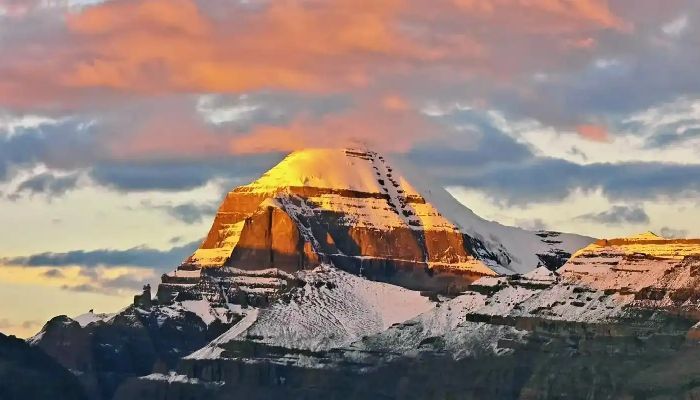
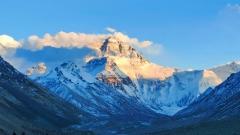
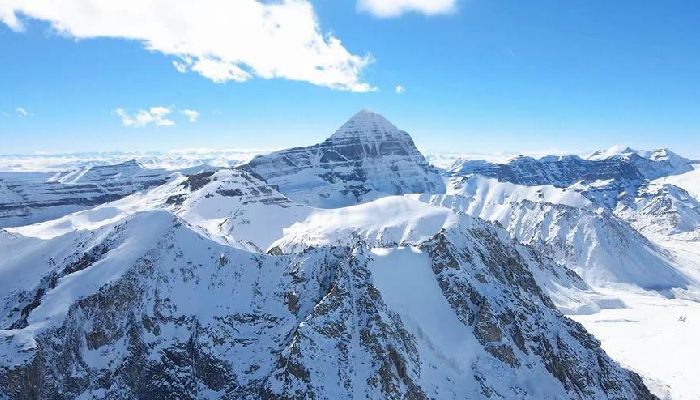
Sunrise View of Mount Kailash
Navigating the Extreme: Core Safety Strategies and Risk Response During the Pilgrimage
The real test begins when you set foot on the pilgrimage route. Every step requires a combination of self-judgment and respect for the environment.
Scientifically plan hiking pace and schedule
The standard pilgrimage itinerary takes 2 to 3 days. It is strongly recommended that first-time participants arrange at least 2 days. On the first day, hike approximately 20 kilometers from Darchen to Zhire Monastery (around 5,000 meters) for accommodation, allowing the body to acclimatize and conserve energy. On the second day, tackle the most arduous part: crossing Drolma La Pass (5,630 meters), then descending and completing the entire route back to Darchen. Under no circumstances rush during the entire journey—remember the high-altitude hiking principle: “Slow is fast.” Maintain a steady breathing rhythm that allows for continuous conversation. If you feel out of breath or your heart rate becomes too fast, stop to rest immediately. Allocate your physical strength reasonably, saving your best condition for crossing the pass.
Practical action list for coping with high-altitude environments
- Keeping warm and windproof is key: Even in summer, Drolma La Pass is often bitterly windy. The layered dressing method is a must: moisture-wicking inner layer, warm middle layer (fleece or thin down), and windproof and waterproof outer layer. Hats, gloves, and scarves are indispensable to prevent heat loss from the head and limbs.
- Sun protection is mandatory: UV radiation at high altitudes is extremely intense, and combined with snow reflection, sunburn or snow blindness can occur in as little as 30 minutes. Use high-protection sunscreen (SPF50+, PA++++), and reapply promptly after sweating. Wear UV400-rated sunglasses that block side light.
- Sustained eating and hydration: During the journey, eat small, frequent portions of high-energy, easy-to-digest snacks such as energy bars, chocolate, and nuts. Similarly, hydrate in small sips at regular intervals. It is recommended to carry an insulated thermos with warm water to help maintain the body’s core temperature. Avoid eating or drinking large amounts at one time.
- Be alert to and recognize altitude sickness: Constantly monitor your own and your companions’ conditions. If severe headache, nausea and vomiting, unsteady gait (like being drunk), confusion, or severe shortness of breath occur, stop ascending immediately. For mild symptoms, rest and use oxygen for observation; if symptoms do not improve or worsen (such as coughing up pink frothy sputum), the only correct choice is to descend to a lower altitude immediately—this is the most important decision to save lives.
Drolma La Pass
When Accidents Happen: Emergency Plans and Help-Seeking Procedures
In remote areas, hope for the best, but prepare for the worst. Knowing how to seek help is the final safety net in your knowledge base.
Master help-seeking channels and information in advance
Before departure, be sure to obtain local emergency contact numbers in Darchen and your travel agency’s 24-hour emergency contact from your accommodation or travel agency. Inform your guesthouse or guide of your approximate hiking plan and expected return time. Currently, some sections of the pilgrimage route have mobile phone signal, but there may be no signal at all in valleys and leeward areas of passes. Do not rely solely on mobile phones for communication.
Practical considerations about guides and porters
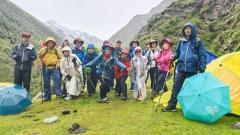
Hiring a local guide and/or porter is more than just reducing the load. They are familiar with every section of the route, can recognize signs of sudden weather changes, and have local experience in handling high-altitude emergencies. In the event of bad weather, getting lost, or physical discomfort, a reliable guide is the most direct safety guarantee. This fee should be regarded as an important safety investment. If you choose to join a small group organized by a professional agency, these services are usually included, and the group is also equipped with emergency oxygen, medicines, and unified logistics support, providing a more reliable safety network.
Extreme risk warning for solo hiking
It must be emphasized seriously: Solo hiking the Kailash pilgrimage is highly discouraged, especially for inexperienced hikers. Traveling alone means that in case of injury, acute altitude sickness, getting lost, or encountering extreme weather, the chance of rescue is slim, and the margin for error is almost zero. Traveling in a group (at least two people) is the basic safety bottom line.
Proper Safety Preparation Determines Whether You Can Complete the Kailash Kora
The Mount Kailash kora is not a casual hike but a demanding high-altitude journey that tests physical condition, judgment, and risk awareness. Real safety comes from thorough preparation before departure, careful monitoring of altitude symptoms on the trail, and the willingness to descend when necessary. When acclimatization, timing, equipment, and emergency planning are treated as part of the journey itself, the kora becomes a controlled and meaningful experience rather than a risky gamble.