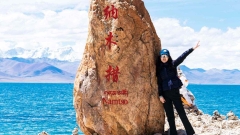

Among Tibet’s most stunning hidden gems, Namtso Holy Elephant Gate is a breathtaking highlight. Perched on Chadolangka Island along Lake Namtso’s northern shore (4758m), it blends nature and faith harmoniously. A natural granite elephant-trunk rock dips into the crystal-clear lake, with an adjacent “heavenly gate” earning its “gateway to paradise” fame. Legend tells it’s the wedding site of Nyainqentanglha’s Mountain God and Lake Namtso’s Goddess. This guide helps you explore this unique holy land easily and enjoy an unforgettable plateau journey.
Overview of Namtso Sacred Elephant Gate Scenic Area
Namtso Holy Elephant Gate is not a single attraction but a 59-square-kilometer comprehensive scenic area centered on the iconic elephant trunk rock. It encompasses Crescent Bay, Three Lives Stone, Chadolangka Island, and other scenic spots, integrating snow-capped mountains, lakes, rivers, marshes, meadows, celestial phenomena, and Tibetan nomadic culture. Preserving its pristine natural state, it was designated a Tibet Autonomous Region-level cultural relic protection unit in 1996.
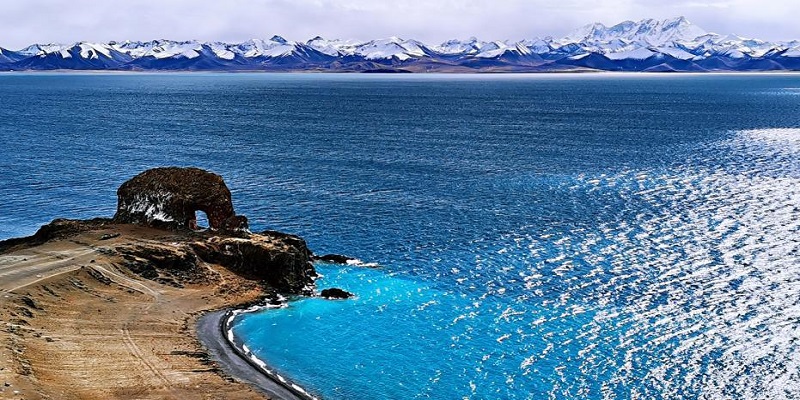
Namtso Holy Elephant Gate
Carved by millions of years of lake water erosion on granite, the 10-meter-high Namtso Holy Elephant Gate is a marvel of nature. The elephant’s head rises high, its trunk hanging gently to touch the sacred waters of Lake Namtso, as if drinking from the snow-fed lake. The gap between the elephant’s body and trunk forms a natural stone archway—believed to be the portal to heaven, hence the name. Standing beneath this gateway, visitors are treated to panoramic views of the snow-capped Nyainqentanglha Mountains in the distance and the jewel-like blue waters of Lake Namtso up close, creating a vast, awe-inspiring landscape that leaves one spellbound.
As a sacred site of Tibetan Buddhism, Namtso Holy Elephant Gate is deeply revered by Tibetans. Every Year of the Sheep in the Tibetan calendar, countless pilgrims travel from afar to circumambulate Lake Namtso. Passing through the Namtso Holy Elephant Gate, they participate in prayers, burn incense offerings (Burning Incense Offering), and hang prayer flags. The Mani Stones lining the lake are inscribed with scriptures, and each flutter of the prayer flags is believed to be equivalent to reciting a scripture, conveying the pilgrims’ devotion and blessings. A visit here offers not only a feast for the eyes but also a spiritual purification through the power of faith.
Best Time to Visit Namtso Sacred Elephant Gate
Due to its high altitude and unique climate, Namtso Holy Elephant Gate showcases distinct scenery across seasons. Choosing the right time ensures a smooth journey and the chance to experience its most stunning vistas.
Optimal Period: May-October for Comfortable Travel
May to October is the best time to visit, with mild weather, no snow-blocked roads, and regular opening hours (8:30 AM – 7:00 PM; from October 9th, winter hours apply: Dongga Tourist Reception Center 8:30 AM – 6:00 PM, Three Lives Stone Service Point 9:30 AM – 7:00 PM). Late spring and early summer (May-June) see the lake’s ice melting, with the blue waters contrasting beautifully with residual snow on the shores. The grasslands burst with tender green shoots and occasional wildflowers, and fewer tourists mean a peaceful, unspoiled experience—ideal for those seeking tranquility.
Summer Peak Season: July-August for Grasslands and Starry Skies
July and August mark the peak tourist season, when the grasslands are lush and carpeted with wildflowers, dotted with nomadic tents that embody northern Tibetan pastoral life. The weather is the most comfortable, with mild daytime temperatures. Though nights are cold, the high altitude, thin air, and minimal light pollution make this one of China’s best stargazing spots. As night falls, the sky transforms into a sea of diamonds, with the Milky Way clearly visible stretching over the sacred lake and gateway. The silhouette of the elephant trunk rock against the starry sky adds to the mystery, and shooting stars often streak across—creating a romantic ambiance. Note that this is also the rainy season in northern Tibet, with occasional short showers that may muddy roads. Advance booking and planning are essential due to the large number of visitors.
Autumn Golden Period: September-October for Photography Enthusiasts
September to October is autumn, a golden time for photography. The sky is a clear, cloudless blue, merging seamlessly with the lake. The grasslands turn golden, creating a striking contrast with the blue water and white snow-capped mountains—offering rich color layers that make every snapshot a masterpiece. With sunny weather, little rainfall, good road conditions, and fewer tourists than in summer, this period balances stunning scenery with a pleasant travel experience, making it a top choice for photographers.
Winter Warning: November-April, Proceed with Caution
November to April is winter, when temperatures plummet to minus ten to tens of degrees Celsius. The lake freezes completely, forming a unique blue ice landscape. However, most roads are covered in snow and ice, often leading to closures, and the scenic area may shut temporarily. Winter accommodation and catering facilities are basic, transportation is inconvenient, and the risk of altitude sickness is higher. This season is not recommended for ordinary travelers—only suitable for experienced plateau adventurers seeking a challenge.
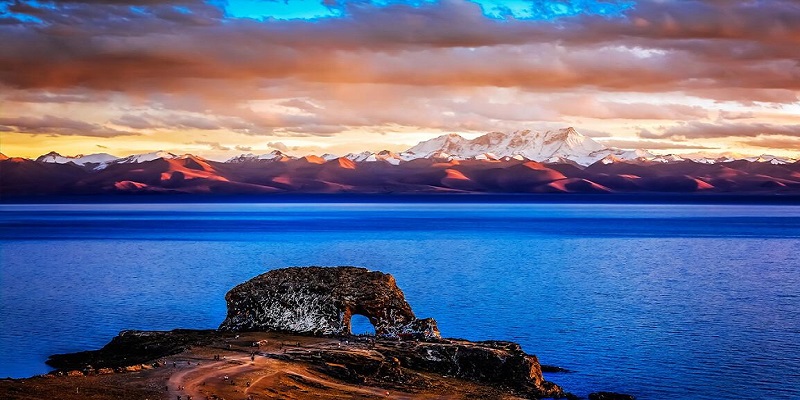
Namtso Holy Elephant Gate
Transportation Guide to Namtso Sacred Elephant Gate
Located approximately 220 kilometers from downtown Lhasa (a 5-6 hour drive) and 100 kilometers from Dangxiong County, Namtso Holy Elephant Gate is situated on the northern Tibetan Plateau with some complex road sections. Currently, three main transportation options are available: group tours, chartered cars, and self-driving—each with its own advantages and disadvantages.
Recommended Choice: Group Tour – Convenient, Safe, and Hassle-Free
Group tours are highly recommended, especially for first-time Tibet visitors, those without plateau travel experience, or those unfamiliar with local roads. Many one-day and two-day tours depart from Lhasa, offering reasonable itineraries that include round-trip transportation, tickets, accommodation (for two-day tours), and guide services. No need to worry about ticket reservations, route planning, or accommodation—guides provide insights into local legends, Tibetan culture, and plateau travel tips, enhancing your understanding of the sacred land. Prices are transparent: one-day tours cost around 300-600 RMB per person, and two-day tours 800-1200 RMB per person, offering great value. Traveling in a group allows mutual support, reducing the risk of altitude sickness. When choosing a group tour, opt for reputable travel agencies, sign official contracts, and avoid low-cost shopping tours to ensure a quality experience.
Flexible Choice: Chartered Car – Freedom and Comfort
Chartered cars are ideal for groups of 2-4 people seeking flexible itineraries and comfort. Cars can be chartered in downtown Lhasa, Dangxiong County, or booked online in advance. Off-road vehicles are recommended, as the final 50 kilometers to the scenic area are unpaved “corrugated roads”—rough and bumpy. Off-road vehicles with high ground clearance offer better passability and a smoother ride. While sedans can navigate these roads, they must drive slowly to avoid damage and ensure passenger comfort. Prices vary by vehicle type, trip duration, and season: round-trip charters from Lhasa cost 1500-2500 RMB per car for one day and 2000-3000 RMB per car for two days, which can be split among passengers—offering similar per-person costs to group tours but greater freedom. You can linger at favorite spots, stop to photograph wild scenery, or admire grasslands, snow-capped mountains, and wildlife along the way.
Adventurous Choice: Self-Driving – Customize Your Journey
Self-driving is suitable for experienced plateau drivers familiar with northern Tibetan roads and seeking adventure. Two main routes are available: Lhasa-Dangxiong-Lake Namtso Township-Namtso Holy Elephant Gate, and Lhasa-Yangbajain-Dangxiong-Namtso Holy Elephant Gate. Both offer stunning views of the northern Tibetan grasslands, Nyainqentanglha Mountains, and LaRi La Pass. Essential tips for self-drivers: inspect your vehicle thoroughly, carry spare tires, jacks, repair tools, and snow chains (mandatory in winter); download offline maps (mobile signal is weak or non-existent in some areas); adhere to traffic rules—many speed limits, sharp turns, and steep slopes require careful driving and no fatigue; book tickets in advance and carry ID cards, driver’s licenses, and vehicle registration documents; travel with companions (never alone) for mutual assistance in case of emergencies.
General Transportation Tips: Safety First
Regardless of the transportation method, note that the altitude rises gradually—from Lhasa (around 3650 meters) to LaRi La Pass (5190 meters) and finally to the sacred gate (4758 meters). Rest regularly, avoid strenuous exercise, drink plenty of water, and take precautions against altitude sickness. Facilities such as restaurants and hotels are scarce along the way, so stock up on food, water, and essential medications in advance.
Tickets and Reservations for Namtso Sacred Elephant Gate
Namtso Holy Elephant Gate implements a reservation system with a daily limit of 300 visitors—once fully booked, no additional tickets are available. Tickets are not sold on-site, so advance reservation is mandatory to avoid being turned away.
Ticket Prices and Discounts
The standard ticket price is 80 RMB per person. Discount policies apply: children between 1.2m (inclusive) and 1.5m (inclusive), full-time students (with valid student ID), and veterans (with valid ID) enjoy a 50% discount (40 RMB per person); children under 1.2m (accompanied by one full-paying adult), seniors aged 70 and above (with valid ID), people with disabilities (with valid disability ID), active military personnel (with valid military ID), local Tibetan guides (with valid guide ID), local Tibetan government staff and residents (with valid ID), and firefighters (with valid ID) receive free admission.
Reservation Methods: Two Convenient Options
Follow the “Lake Namtso Scenic Area” official WeChat account, enter the reservation interface, select “Namtso Holy Elephant Gate,” fill in personal information (name, ID number, contact details), choose the travel date, and pay the ticket fee to complete the reservation. A confirmation will be sent—bring your original ID and confirmation for verification upon entry.
Visit the Namtso Holy Elephant Gate Tourist Service Center (left side of the west gate of Potala Palace). Register personal information, add staff WeChat, and on the travel date, send a photo of the reservation information to staff at the small tent at the scenic area entrance to receive a reservation voucher for verification. On-site reservations must be made 3 days in advance and only accept cash—prepare accordingly.
Reservation Notes
Ensure personal information matches your ID to avoid verification issues; tickets are non-refundable and non-changeable, so confirm your travel date before booking; cooperate with staff for ID and ticket verification, follow scenic area rules, and do not enter closed areas.
Accommodation and Dining: Plateau-Style Basics
Due to its high altitude and harsh environment, accommodation and dining facilities near Namtso Holy Elephant Gate are basic—focused on meeting essential needs with no luxury hotels or restaurants. Prepare mentally and choose options based on your preferences.
Accommodation Recommendations: Three Options for Different Needs
- Tibetan-Style Experience: Tent Camps Near the Scenic Area
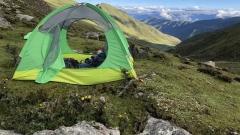
Tent camps near the scenic area entrance offer an authentic northern Tibetan experience. Traditional Tibetan yurts are equipped with basic beds and electric blankets; some have public toilets and hot water, but overall conditions are simple (no private bathrooms or showers). Night temperatures are low, and insulation is limited—prices range from 150-200 RMB per person per night. The biggest advantage is proximity to the sacred gate, allowing you to witness sunrise, sunset, and the Milky Way up close. Gaze at the starry sky outside the yurt and immerse yourself in the plateau’s tranquility—perfect for those seeking a nomadic experience and extreme scenery. Bring a sleeping bag for added comfort.
- Cost-Effective Comfort: Accommodation in Dangxiong County
Dangxiong County (100 kilometers from the scenic area, 1.5-hour drive) offers a balance of comfort and value. The county has a variety of hotels and guesthouses (mid-range to budget) with better facilities—private bathrooms, hot water, and some with air conditioning—priced at 200-300 RMB per night. Dining options are more diverse here, and the lower altitude (around 4200 meters) reduces the risk of altitude sickness—ideal for those sensitive to high altitudes or prioritizing comfort. To catch the sunrise at the sacred gate, plan to depart early in the morning.
- Convenient Comfort: Accommodation in Downtown Lhasa
Downtown Lhasa is suitable for one-day tour visitors, who depart in the morning and return in the evening, avoiding an overnight stay on the plateau. Lhasa offers a wide range of accommodation—from budget hotels to high-end homestays—with complete dining and shopping facilities for a comfortable rest. The only drawback is the long round-trip drive (10-12 hours), which can be tiring, and you’ll miss the sunset and starry sky at the sacred gate.
Dining Guide: Tibetan Flavors and Plateau Adaptations
Dining options within and near the scenic area are limited, focusing on Tibetan cuisine—authentic Tibetan hot pot, hand-grabbed meat, tsampa, butter tea, and barley wine—offering a taste of northern Tibetan culinary culture. Prices are relatively high and portions small, so stock up on snacks and water (bread, biscuits, chocolate, energy bars, mineral water) in advance to save money and stay energized. Dangxiong County and downtown Lhasa offer more diverse dining, including Sichuan, Cantonese, and other cuisines at reasonable prices. Note that digestion is slower at high altitudes—avoid overeating, spicy, or greasy food; opt for light, easy-to-digest meals and drink plenty of water to prevent stomach discomfort.
Introduction to Visiting Namtso Sacred Elephant Gate
With its vast area and scattered attractions, Namtso Holy Elephant Gate invites flexible exploration. While 2-3 hours suffice for a casual visit, allocating 1-2 days allows for a deeper immersion—savoring the changing light of sunrise and sunset, the serenity of the Milky Way, and the spiritual essence of the plateau.
Core Experience: The Natural Wonder of Namtso Holy Elephant Gate
The iconic elephant trunk rock is the highlight—stand beneath it to admire the lifelike formation, marvel at the granite carved by nature over millions of years, and take in the panoramic view of snow-capped mountains, blue lake, and endless sky. Every angle offers a postcard-perfect shot. Don’t miss Crescent Bay, Three Lives Stone, and Chadolangka Island—each with its own charm.
Must-See Sights: The Poetry of Crescent Bay and Three Lives Stone
Crescent Bay’s curved shoreline is best viewed from the mountain-top observation deck, where the blue lake reflects the sky and snow-capped mountains, creating a serene, healing scene—ideal for walking or sitting quietly. Three Lives Stone, steeped in romantic legend, provides a magical backdrop for wishes and photos, with prayer flags fluttering and snow-capped mountains in the distance.
Cultural Heritage: The Spiritual Mark of Chadolangka Island
Chadolangka Island carries profound Tibetan cultural heritage. Chadol Monastery, with its 370-year history, exudes the piety of the Gelug School—imagining the chants of monks from its heyday. The island’s cliffs feature natural Buddha statues, ancient rock carvings, and inscriptions that tell the story of this land. Wander the island to blend natural beauty with spiritual solemnity.
Photography Guide: Capturing the Holy Land’s Perfect Light
For photography enthusiasts, Namtso Holy Elephant Gate is a paradise. The best shooting times are one hour after sunrise and one hour before sunset—when soft light enhances color layers, casting a warm golden glow on the gate, lake, and mountains. Capture wide shots of the gate to emphasize depth, or focus on the elephant trunk’s details to highlight natural craftsmanship. Use a wide-angle lens for Crescent Bay to capture its full curve and reflections. On clear nights, a tripod and telephoto lens are essential for shooting the Milky Way—record the star trails over the lake and gate for a romantic, breathtaking image. Wear traditional Tibetan clothing for photos to embrace local culture and create unique memories.
Unique Experiences: Immersing in Tibetan Culture
Beyond sightseeing and photography, engage in authentic Tibetan activities to enrich your journey. Follow local pilgrims on the clockwise Kora Route around the lake, feeling the devotion in the fluttering prayer flags and experiencing the power of Tibetan Buddhism. Participate in Burning Incense Offering in designated areas—light pine branches, watch the smoke rise, and make wishes for peace and health. Rent colorful Tibetan clothing to wander the lake and gate, blending vibrant hues with the plateau’s purity for stunning photos. For a bird’s-eye view, use a drone to capture the entire scenic area—including the sacred gate, Crescent Bay, snow-capped mountains, and grasslands. Collect a small amount of clean lake sand as a souvenir, preserving the memory of this holy land.
Why Namtso Holy Elephant Gate Is a Must-Visit in Tibet
Namtso Holy Elephant Gate is a gift from nature and a testament to faith—a poetic masterpiece on the northern Tibetan Plateau. Its majestic lake, snow-capped mountains, natural wonders, profound culture, and devout faith create an unforgettable experience that purifies the soul. Whether traveling alone or with loved ones, this holy land offers a sense of awe at the vastness of heaven and earth. For a hassle-free journey—no ticket reservations, route planning, or accommodation worries – choose China Dragon Travel. With rich experience in Tibetan travel, professional guides, and quality service, we tailor personalized itineraries to ensure you explore Namtso Holy Elephant Gate with peace of mind, creating cherished memories of Tibet’s northern holy land.