
If you’re looking for Tibet at its most raw and untouched, you’ll eventually head toward Zhongba County and into the vast Northern Tibet Grasslands.
This is not a polished tourist destination. There are no crowds, no overdeveloped attractions—just endless horizons, low alpine vegetation, fluttering prayer flags, and the kind of silence you rarely experience anywhere else.
But it’s also demanding. Without proper preparation, the trip can quickly turn uncomfortable.
This guide focuses on what actually matters.
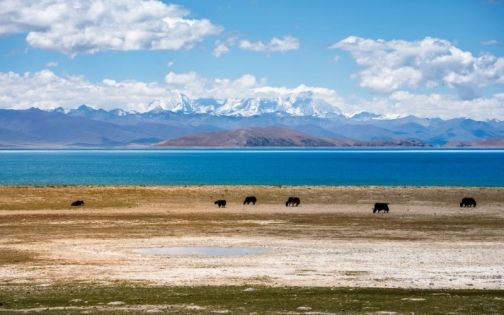
Northern Tibet Grasslands
1. Is This Trip Right for You?
👉 Suitable if you:
- Enjoy self-driving and remote landscapes
- Can handle long travel times and basic conditions
- Want an authentic, unfiltered Tibet experience
👉 Not ideal if you:
- Prefer comfort and convenience
- Have no high-altitude experience
2. Best Time to Visit (Critical Factor)
📅 June to September is the prime season
- Grasslands are lush green
- Lakes appear vivid blue
- Wildflowers bloom across the plateau
❌ Other seasons:
- Winter: extreme cold + road closures
- Spring/Autumn: strong winds + dull scenery
👉 Bottom line:
Timing determines most of your experience.
3. Altitude Sickness (Don’t Underestimate It)
Average altitude: 4,500m+
Before departure
- Consider taking Rhodiola supplements 7 days in advance
- Get enough rest
After arrival
- Avoid running or sudden movements
- Stay hydrated
- Avoid hot showers on the first day
Essentials to carry
- Portable oxygen
- Glucose supplements
- Basic medication
👉 If symptoms appear (headache, nausea):
Stop immediately and rest. Seek help if severe.
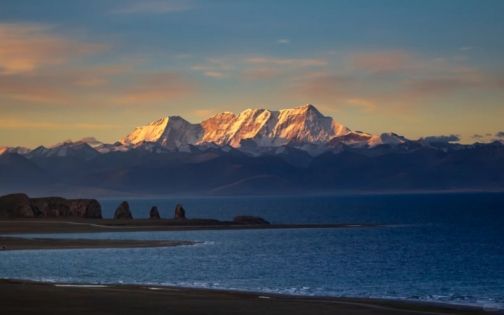
Northern Tibet Grasslands
4. What to Wear (Four Seasons in One Day)
Typical conditions in Zhongba:
- Daytime: ~15–20°C
- Night: can drop below 0°C
Must-have items
- Down jacket / thick outerwear
- Windproof shell
- Thermal layers
- Sunglasses & hat
- High SPF sunscreen
👉 Key point:
Sun protection and warmth are equally important.
5. Transportation & Road Conditions
✈️ Entry points
- Fly to Lhasa or Shigatse
- Then rent a car or hire a driver
🚗 Self-driving details
- Shigatse → Zhongba: ~600 km
- Driving time: ~10 hours
Vehicle recommendation
- SUV or off-road vehicle (strongly recommended)
Road conditions
- Washboard roads in sections
- Occasional rocks and rough terrain
- Long gaps between gas stations
👉 Key advice:
Vehicle condition matters more than your itinerary.
6. Accommodation & Supplies
🏨 Lodging
- Limited options in Zhongba
- Book in advance during peak season
👉 Look for:
- Heating
- Oxygen supply (if available)
⛺ For deeper exploration
- Camping is possible
- Requires proper outdoor gear
7. Food & Water
Local diet mainly includes:
- Tsampa (barley flour)
- Butter tea
- Yak meat
👉 If unfamiliar:
- Bring instant food/snacks
- Energy bars recommended
Water
- Local water is mineral-heavy
👉 Recommendation:
- Bring bottled water
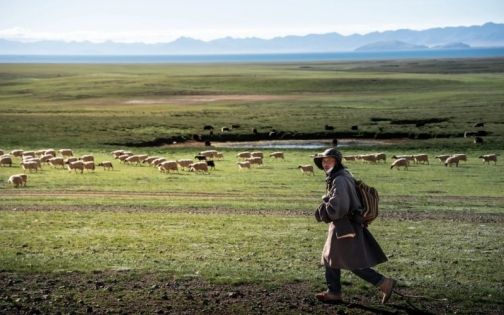
Northern Tibet Grasslands
8. Required Documents
Some areas require:
- ID / passport
- Border permit
👉 Where to obtain:
- Your home city
- Or in Lhasa/Shigatse
⚠️ No permit = restricted access
9. Connectivity & Safety
📶 Network
- Available in towns
- Often no signal in remote grasslands
👉 Must-do:
- Download offline maps
- Share itinerary with someone
🚨 Safety tips
- Avoid traveling alone in remote areas
- Stay on known routes
- Be cautious around animals (especially Tibetan mastiffs)
10. One-Day Grassland Experience (Light Plan)
Morning
- Visit Tibetan homes
- Explore local pastures
- Horse riding experience
Midday
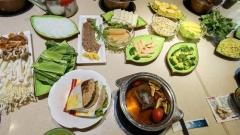
- Try yak hotpot
- Rest and refuel
Afternoon
- Grassland hiking / photography
- Wetlands and bird watching
- Prayer flags and herds scenery
Evening
- Return to town or camp
- Prepare for next day
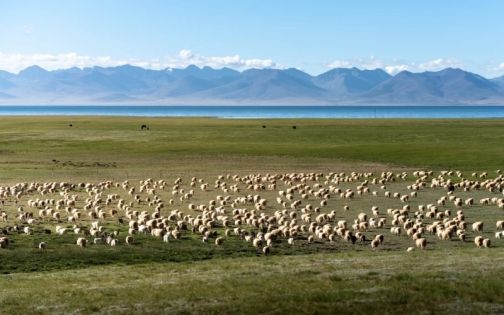
Northern Tibet Grasslands
11. The Journey Is the Destination
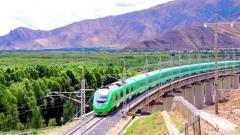
Driving north from Shigatse, the landscape transforms dramatically:
- Vegetation shrinks from tall crops to low alpine grass
- Air becomes thinner
- The horizon opens endlessly
Along the way, you might see:
- Vast potato flower fields
- Nameless but powerful rivers
- Purple wildflowers and wetland patches
- Grass patterns shaped by grazing animals
👉 The real highlight isn’t a single spot—
it’s everything along the road.
12. Culture & Environmental Awareness
Respect local customs:
- Don’t touch children’s heads
- Walk clockwise around prayer wheels
- Stay quiet in temples
- Don’t provoke Tibetan mastiffs
Environmental rules
- Carry your trash out
- Don’t damage vegetation
👉 This landscape is fragile—help keep it that way.
13. Quick Summary
- ✔ Best time: June–September
- ✔ Prepare for altitude
- ✔ SUV required for self-drive
- ✔ Fuel, food, water must be planned
- ✔ Border permit is essential
- ✔ The road itself is the highlight