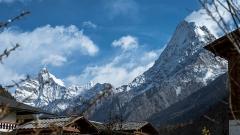

If you plan to travel to Tibet in March, the first thing you need to figure out is the weather. The most prominent feature of Tibet’s weather in March is the extreme temperature difference between day and night – it feels like two seasons. At this time, Tibet’s tourist off-season has just ended, with fewer visitors, allowing you to enjoy quieter scenery and a more relaxed travel rhythm. However, as it is the transition period between winter and spring, the weather changes significantly, so adequate preparation before departure is particularly important. This article will detail the real climate conditions in Tibet in March, how to dress, which places are worth visiting, and what to pay attention to, helping you get fully prepared.
Overall Overview of Tibet’s Weather in March: Late Winter to Early Spring
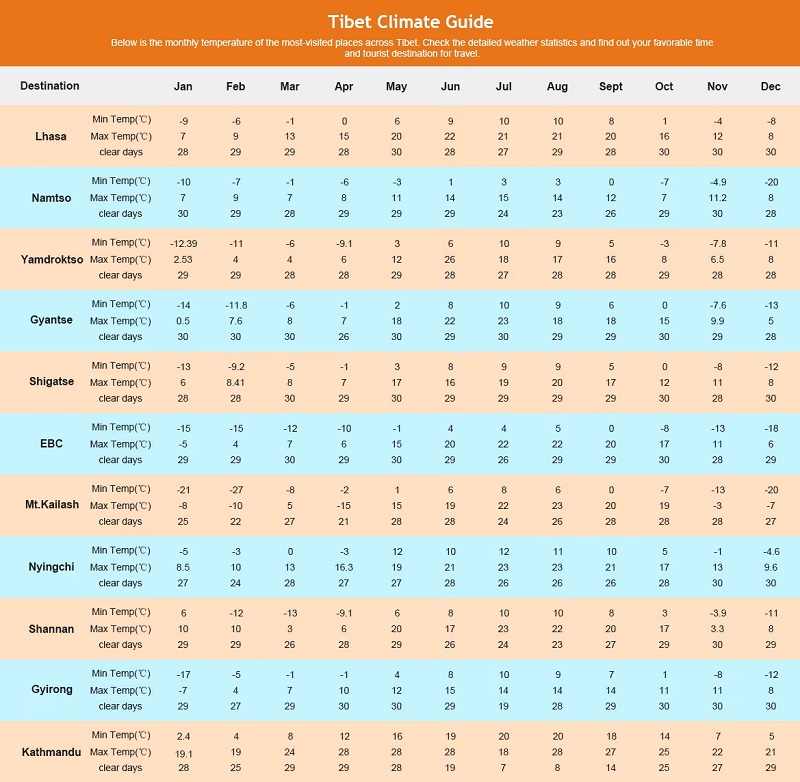
In short, Tibet’s weather in March can be summarized as “warm during the day, cold in the morning and evening”. In places with lower altitudes like Lhasa and Nyingchi, you can already feel the breath of early spring in March. After the sun comes out during the day, the sunshine is very intense, warming your body and even feeling a bit hot. However, as soon as the sun sets, or when you go to shaded areas or high-altitude passes, the winter chill returns immediately. The temperature difference between morning and evening is often more than 15 degrees Celsius. Throughout March, most areas of Tibet are still very dry, with few rainy or snowy days. The sky is usually bright blue, making it especially clear to see snow-capped mountains and stars. However, Nyingchi, which has a more humid climate, may occasionally have light rain or snow, so you need to pay attention.
Tibet Weather
Detailed Data on Temperature, Precipitation and Sunshine in Tibet in March
Understanding specific data can help you better prepare.
Temperature Range
In places like Lhasa and Xigazê, the maximum daytime temperature in March can reach 10 to 15 degrees Celsius, which feels very comfortable when the sun is shining. However, at night, the temperature drops to around -5 to 2 degrees Celsius, which is very cold. If you visit high-altitude attractions like Nam Co Lake or Everest Base Camp, the maximum daytime temperature is only 0 to 5 degrees Celsius, and it can drop to -10 degrees Celsius or even lower at night, with the lake surface possibly still frozen.
Precipitation and Humidity
Tibet is generally dry in March, with an average humidity of only 30% to 40%, and almost no rain or snow. The dry air means you must drink plenty of water and pay attention to skin moisturization, otherwise, your skin may easily crack or you may have nosebleeds.
Sunshine and Ultraviolet Rays
This is particularly important. Tibet has long daylight hours in March, with an average of 8 to 9 hours of sunshine per day. Correspondingly, the ultraviolet rays are extremely strong—stronger than in summer on the plains. Without any sun protection, you may get sunburned after staying outdoors for half an hour, so sun protection is a top priority.
Practical Dressing Rules for March Weather
Facing the huge temperature difference in Tibet’s March weather, the best dressing method is “onion-style dressing”. Wear multiple thin layers of clothing, which is convenient to put on or take off at any time according to the temperature.
Upper Wear
For the innermost layer, wear quick-drying and moisture-wicking close-fitting long-sleeve underwear. Do not wear pure cotton, as it is not easy to dry after sweating and may cause colds if it sticks to your body. For the middle layer, wear a fleece jacket or a thin down liner for warmth. For the outermost layer, you must wear a windproof jacket—the wind on the plateau in March is cold and harsh. In addition, a thick down jacket is essential; you must wear it when going out in the morning and evening or visiting high-altitude places.
Bottom Wear
Wear a warm thermal pants or quick-drying pants inside, and a windproof and waterproof jacket pants or softshell pants outside. Try not to wear jeans, as they are heavy and stiff, inconvenient to move around, and difficult to dry when wet.
Accessories and Footwear
Prepare two hats: a thick woolen hat or fleece hat to keep warm in the morning and evening; a wide-brimmed sun hat for sun protection during the day. Sunglasses are a must—choose those that can block ultraviolet rays (UV400), as snow and strong light are harmful to the eyes. A pair of thin gloves is sufficient. Shoes must be high-top, waterproof and non-slip outdoor shoes, as there may be unthawed ice and snow on the road. Use high-factor sunscreen (SPF50 or above), and remember to reapply every few hours.
Recommended Top Attractions in Tibet for March
The March weather makes some places particularly beautiful. Traveling at this time means fewer people and unique scenery to enjoy.
Lhasa and Surroundings: Experience the Tranquility of the Holy City of Sunshine
Places like the Potala Palace and Jokhang Temple can be visited all year round, but in March, there are fewer tourists and shorter queuing times, making the visit more comfortable. In Lhasa in March, you can wander around Barkhor Street slowly, sit in the Jokhang Temple Square to bask in the sun, and quietly watch locals circumambulate the temple—it feels very different.
Nyingchi Area: Encounter the Earliest Peach Blossom News of Spring
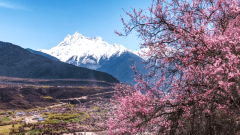
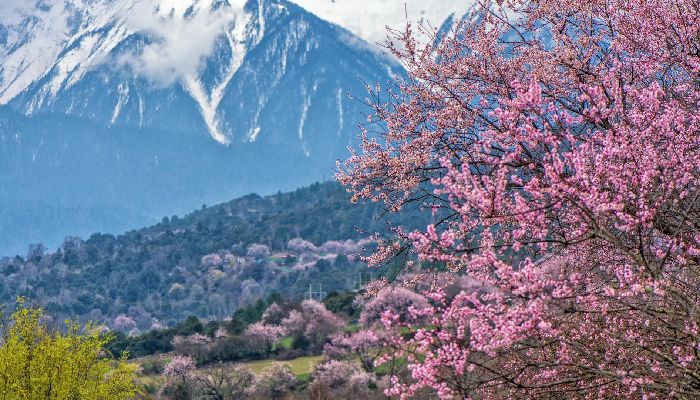
This is the most unmissable highlight of traveling to Tibet in March. Although Nyingchi is a bit colder and more humid than Lhasa in March, wild peach blossoms in places like the Yarlung Zangbo Grand Canyon and Bomi have already started to bloom. Pink peach blossoms, paired with green river water and white snow-capped mountains in the distance, the scenery is like a painting. People who love photography will definitely love it here. However, bring an umbrella, as there may be occasional light rain in spring here.
Shannan and Xigazê: Explore the Source of Tibetan Culture
Samye Monastery and Yungbulakang Palace in Shannan, and Tashilhunpo Monastery in Xigazê, set against the clear blue sky in March, look particularly peaceful and ancient. The road to Yamdrok Lake (Sheep Lake) is generally easy to travel. In March, the lake water shows an extremely pure blue color, contrasting strongly with the surrounding yellowish-brown mountains, which is very shocking.
High-Altitude Lakes and Snow-Capped Mountains: Magnificence at the End of the Frozen Period
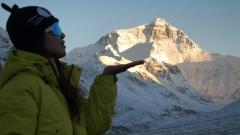
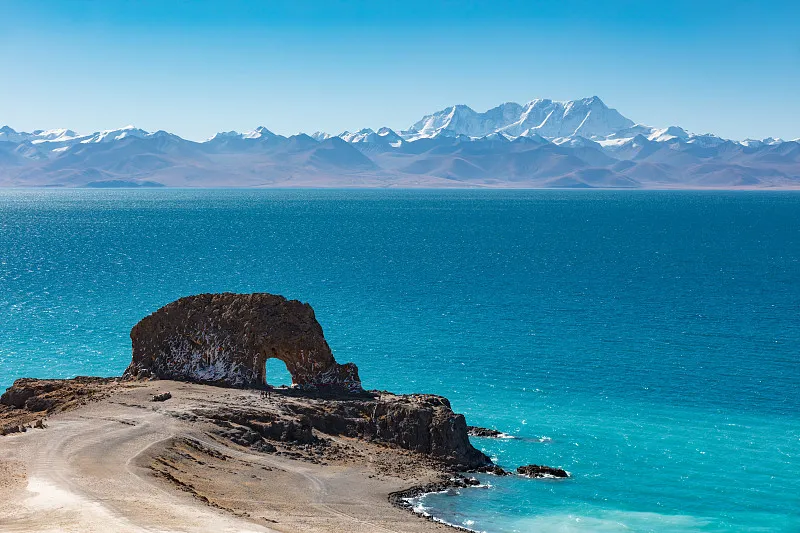
Holy lakes like Nam Co may still be half-frozen and half-water, or completely frozen in March, allowing you to see the spectacular blue ice scenery. However, you need to check in advance whether the road to the lake is passable. Moreover, the wind by the lake is strong and extremely cold, so you must keep warm adequately. When viewing major snow-capped mountains like Mount Everest, the air is transparent in March, making the mountain peaks particularly clear.
Peach Blossoms in Nyingchi in March
Important Notes for Traveling to Tibet in March
In addition to sightseeing and dressing, Tibet’s March weather brings other things to pay attention to.
Coping with Altitude Sickness
In March, the oxygen content in the air is still relatively low, so the risk of altitude sickness is higher than in summer. It is recommended to arrange a relaxed itinerary, starting with places with lower altitudes like Nyingchi to adapt gradually. Do not run or jump in the first one or two days, rest more, and sleep well at night. Be sure to avoid catching a cold, as colds can worsen altitude sickness.
Road Conditions and Transportation
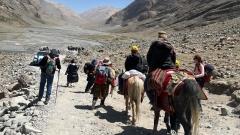
The road conditions of major highways are usually good, but some roads to remote areas, such as Ali or certain snow-capped mountain passes, may still have black ice or snow accumulation. Drive with extra caution. It is better to find experienced drivers and reliable vehicles. Choosing a chartered car or joining a small tour group will save a lot of trouble. For example, China Dragon Travel, which is familiar with local conditions, can adjust your arrangements at any time according to the weather and road conditions, providing more security.
Photography and Sightseeing
The light is the softest one or two hours after sunrise and before sunset in the afternoon, making it the best time to take photos. At noon, the sun is directly overhead, and the light is too strong, which may easily overexpose landscape photos. Cameras and mobile phones consume power extremely quickly in low temperatures in the morning and evening. Bring extra spare batteries, and keep them close to your body to keep warm when not in use.
Common Questions About Traveling to Tibet in March
Q: Will it still be very cold at this time?
A: Yes, especially in the morning and evening and when there is no sun. However, as long as you dress in the “onion-style” method mentioned above and add or remove clothes at any time, you will not feel uncomfortable. The key is to be fully prepared.
Q: What is the chance of seeing peach blossoms?
A: Very high. The peach blossom season in Nyingchi generally starts in mid-to-late March and is in full bloom from late March to early April. As long as you choose the right time, you can basically see stretches of peach blossoms.
Q: Are there any special items to prepare?
A: In addition to clothes, lip balm and hand cream are a must—the weather is too dry. A thermos cup is also very useful for drinking hot water at any time. You can bring high-calorie snacks like chocolate and biscuits to replenish energy on the way. It is best to prepare common medicines such as cold medicine, gastrointestinal medicine, and painkillers. Finally, buying travel insurance that includes plateau disease rescue is very important.
What are the suggestions for itinerary arrangement?
It is recommended to travel for 8 to 12 days. Too short a time will easily make you tired and prevent you from fully experiencing the attractions. You can combine Lhasa, Nyingchi and Shannan (or Xigazê) for your trip. This way, you can not only visit cultural relics but also enjoy natural spring scenery, getting a comprehensive experience. If you don’t know how to plan the route yourself, you can consult professional staff at China Dragon Travel, who can give more suitable suggestions according to your specific situation.
Be Prepared to Enjoy Tibet’s Spring Wonders in March
March in Tibet brings warm days and cold nights, with significant temperature differences between day and night, making it a unique winter-to-spring transition period. By following layered clothing strategies, packing essential warmth and sun protection items, and planning your itinerary with altitude acclimatization in mind, you can comfortably explore the natural and cultural highlights of Lhasa, Nyingchi, Shannan, and Shigatse when tourist numbers are low.
For travelers seeking advice on itinerary planning, road conditions, or high-altitude tips, China Dragon Travel offers professional consultation and support, ensuring your March trip to Tibet is safe, well-organized, and filled with unforgettable sightseeing and photography opportunities.