
When visiting Lhasa, the fame of the Potala Palace and Jokhang Temple has long spread worldwide. However, if you want to truly feel the daily warmth of Tibetan faith, Sera Monastery is definitely a treasure worth spending a whole day exploring. Located at the foot of Sera Utse Mountain in the northern suburbs of Lhasa, the name “Sera” means “wild rose” in Tibetan. It is said that wild roses were in full bloom at the foot of the mountain when the monastery was built, hence the name of this ancient temple, which is one of the six major monasteries of the Gelug sect of Tibetan Buddhism. Different from the quiet and solemn atmosphere of other monasteries, Sera Monastery is full of vitality due to its unique scripture debate activity, making it an important window for foreign tourists to experience Tibetan culture.
Origin of the Monastery: A Symbol of Authority and Wisdom
The birth of Sera Monastery is closely linked to the development of Tibetan Buddhism. In 1419, Jamyang Choje, a disciple of Tsongkhapa, the founder of the Gelug sect of Tibetan Buddhism, presided over the construction of this monastery. Jamyang Choje was not only an outstanding religious scholar but also served as Tsongkhapa’s representative to the Ming Dynasty. He received a grand reception from Emperor Yongle and was awarded a large amount of property and classics. These precious resources became an important foundation for the construction of Sera Monastery.
After its construction, Sera Monastery quickly became one of the academic centers of Tibetan Buddhism relying on its profound academic tradition and rigorous practice system. Initially, the monastery was divided into three Zhacangs (i.e., Buddhist colleges), each imparting Buddhist knowledge in different fields. Later, another Zhacang was added, forming a unique academic system. For hundreds of years, countless Tibetan monks have come to Sera Monastery to study. The religious scholars and eminent monks trained here have had a profound impact on the inheritance and development of Tibetan Buddhism. Today, Sera Monastery is not only a venue for religious activities but also listed as a national key cultural relic protection unit. The Buddhist scriptures, Thangkas, sculptures and other cultural relics collected in the monastery are precious materials for studying Tibetan culture.

Sera Monastery
Core Experience: The Vitality of Faith in Scripture Debates
For foreign tourists, the most unique charm of Sera Monastery lies in the scripture debate activity held every afternoon. This tradition, which has lasted for hundreds of years, is not only an important way for monks to consolidate their Buddhist knowledge but also a vivid display of the daily practice of Tibetan Buddhism. Different from the inherent impression of “silent practice” in monasteries, the scripture debate scene at Sera Monastery is full of tension, and the monks’ movements and voices all carry special meanings.
Scripture debates are usually held from 14:00 to 16:00 every afternoon (they are normally held on holidays, and it is recommended to confirm in advance), and the venue is the Scripture Debate Square in the monastery. The monks participating in the debates include elderly scholars and young apprentices. They are divided into two opposing sides: one side stands to ask questions, and the other sits to answer. The standing monks often clap their hands and then stretch forward quickly. This action symbolizes breaking the barrier of ignorance in Buddhism; the loud questioning tone is to test the opponent’s reaction and knowledge accumulation. The monks sitting and answering questions need to respond calmly and use concise Buddhist language to answer. If they cannot answer, they will fall into silence. The scene is both solemn and full of vitality.
When watching the scripture debates, there are several etiquette points that foreign tourists need to pay special attention to. First, please keep quiet and do not talk loudly or make noise to avoid disturbing the monks. Second, do not use the flash when taking photos, and do not get too close to the monks to take close-up shots to respect their practice space. Finally, scripture debate is a solemn religious activity, please do not treat it in a joking manner and avoid impolite behaviors. Abiding by these basic etiquettes allows you to better feel the cultural connotation of this traditional activity.
Practical Visiting Information: Must-Knows for a Smooth Trip to Sera Monastery
To visit Sera Monastery smoothly, it is crucial to master practical information in advance. The following details can help foreign tourists plan a more comfortable trip.
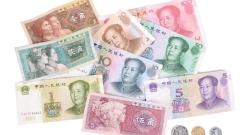
Regarding tickets, the ticket price for Sera Monastery is 50 RMB. Tickets can be purchased at the ticket window at the entrance of the monastery, and both cash and mobile payment are accepted. It should be noted that tickets may be checked when entering some halls in the monastery, so it is recommended to keep the ticket properly. For tourists holding foreign passports, no additional procedures are required, and they can purchase tickets and enter with their passports.
In terms of transportation, it is very convenient to go to Sera Monastery from downtown Lhasa. If you choose public transportation, you can take buses No. 16, 24, 25, etc., get off at the Sera Monastery stop, and walk for 5 minutes to reach the entrance. If there are many people traveling together, you can choose to take a taxi. The fare from the city center to Sera Monastery is about 15-20 RMB, and the journey takes about 20 minutes. It should be reminded that some roads in Lhasa have one-way restrictions, so you can confirm the route with the driver in advance when taking a taxi.
It is recommended to arrange 3-4 hours for the visit, and the best visiting time is from 10:00 a.m. to 3:00 p.m. In the morning, the sunlight filters through the cypress trees in the monastery and falls on the red walls, creating excellent light and shadow effects, which is very suitable for taking photos. The scripture debate activity after 2:00 p.m. is the core experience, so it is recommended to arrive at the Scripture Debate Square in advance to find a suitable viewing spot. In addition, Sera Monastery is located at the foot of a mountain, and some areas require climbing, so it is recommended to wear comfortable walking shoes. The sunlight in Lhasa is strong, so it is necessary to take sun protection measures even on cloudy days, such as wearing a hat and applying sunscreen.
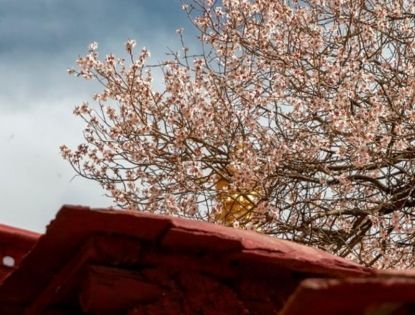
Peach Blossom Ancient Temple at the Back Mountain of Sera Monastery
Surrounding Exploration: Extend Your Lhasa Experience
After visiting Sera Monastery, the surrounding scenic spots and food are also worth experiencing, and you can plan them into a one-day itinerary. Walking east for 10 minutes from Sera Monastery, you can reach the Sera Monastery Tibetan Restaurant. The Tibetan sweet tea, butter tea, and hand-grasped mutton here are all local specialties. The sweet tea has a mellow and not greasy taste, which is very suitable for foreign tourists who are trying Tibetan food for the first time. If you want to experience more authentic snacks, you can go to the nearby residential areas, where the Tibetan dumplings named Zhuoma Lhasa are authentic and affordable.
If you have enough time, you can go to Zhaji Monastery, which is about 3 kilometers away from Sera Monastery. This monastery is famous as the “Temple of Wealth”. Although it is not large in scale, it is extremely popular with pilgrims, and the unique aroma of butter in the monastery offers a different style of religious experience. When returning to the urban area from Zhaji Monastery, you can pass through Lhasa’s Tibetan commodity market, where you can buy souvenirs such as Thangkas, Tibetan incense, and handcrafted silver ornaments. Remember to inquire about the price in advance and bargain appropriately when purchasing.
Encounter the Original Heart of Tibet at Sera Monastery
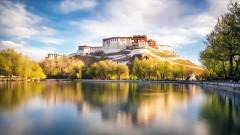
Different from the majestic shock of the Potala Palace, the charm of Sera Monastery lies in its sense of daily life. There is no excessive commercial packaging here; the monks’ practice and scripture debates are the most authentic scenes of life. The pilgrims spinning prayer wheels under the red walls and the birds singing among the cypress trees all make people feel the close integration of faith and life. For foreign tourists, Sera Monastery is not only a tourist attraction but also a window to understand Tibetan Buddhist culture and feel the spiritual world of the Tibetan people.
When you stand on the square of Sera Monastery, looking at the distant Sera Utse Mountain, listening to the questions and answers from the Scripture Debate Square, and feeling the sunlight filtering through the prayer flags onto your face, you will understand at that moment why this monastery named after wild roses has maintained its vigorous vitality for hundreds of years. The beauty of Sera Monastery is hidden in the outline of the red walls and white stupas, in the firm eyes of the monks, and deep in the hearts of every visitor. When you come to Lhasa, don’t forget to walk into Sera Monastery and let the faith and vitality here become the most precious memory of your trip.