
Nestled in southern Tibet, Shannan Prefecture is the cradle of Tibetan culture, boasting Tibet’s first monastery (Sangye Monastery), the ruins of the ancient Tubo Kingdom, and breathtaking natural wonders like Yamdrok Lake and Kula Kangri. Choosing the right travel season amplifies your experience—spring blends peach blossoms with snow-capped peaks, summer offers cool grasslands and lakes, autumn dazzles with golden poplars and ancient temples, while winter delivers budget-friendly blue ice and golden snow-capped mountains. This guide unpacks seasonal highlights, top spots, itineraries, and tips, catering to photographers, culture enthusiasts, and casual travelers alike.
Season-by-Season Breakdown: Shannan’s Best Travel Times & Experiences
Spring (March-April): Romantic Blend of Peach Blossoms & Snow Peaks – Top Flower-Viewing Season
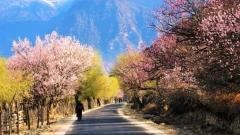
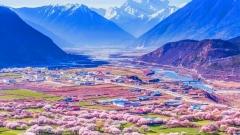
Spring ranks among Shannan Prefecture’s best for flower appreciation and mountain views. Temperatures gradually rise, with daytime highs around 10℃, though nights remain chilly. Abundant sunshine and clear skies make it perfect for outdoor activities. Unlike Linzhi’s famous peach blossoms, Shannan Prefecture’s blooms carry a unique plateau charm—peach trees line the Yarlung Zangbo River, their pink petals contrasting with the river’s azure waters and snow-capped peaks, offering a serene experience free from crowds.
Scenic Highlights
Peach blossoms bloom from mid-March to mid-April, spreading along the Yarlung Zangbo Grand Canyon and villages near Tsedang Town.
Snow-capped peaks like Kula Kangri and Gangdise Mountain branches shine brilliantly in the sun, with the stunning “golden snow mountain” phenomenon often appearing at dawn and dusk.
The Yarlung Zangbo River, cleared by winter, turns a deep blue, complementing the riverside peach blossoms.
Recommended Attractions
Southern Section of Yarlung Zangbo Grand Canyon: More pristine than Linzhi’s section, it offers hiking trails to riverbanks for photos of peach blossoms, rivers, and snow peaks together.
Yungbulakang Palace: Tibet’s first palace, perched on a hilltop. Surrounded by peach blossoms in spring, it offers panoramic views of spring scenery and distant farmlands.
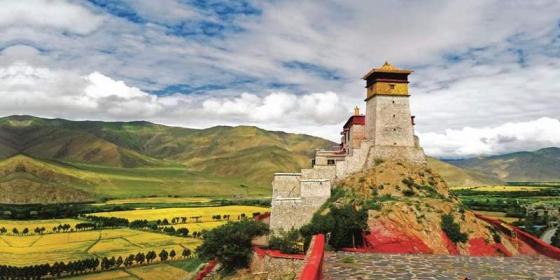
Yungbulakang Palace
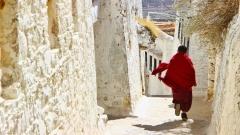
Changzhu Monastery: Close to Yungbulakang, the monastery houses numerous cultural relics. In spring, visitors can admire the harmony of peach blossoms and ancient temple architecture.
Tips
Pack windproof and warm outerwear like down jackets and fleece—temperature differences can exceed 15℃ between day and night.
High-altitude UV rays are intense; bring high-SPF sunscreen, sunglasses, and a sunhat.
Peach blossom bloom times vary with temperature—check local forecasts before traveling to avoid missing the peak.
Summer (June-August): Cool Feast of Grasslands & Lakes – Top Cultural Experience Season
Summer is when Shannan Prefecture’s grasslands are most vibrant and folk activities peak, making it a top choice for combining nature and culture. With comfortable daytime temperatures of 18-25℃, it’s an ideal escape from inland heatwaves. Green grasslands dotted with colorful wildflowers, full lakes glowing bright blue, and distant snow peaks create a lively plateau landscape. Most notably, the Wangguo Festival (Harvest Festival) around August offers an immersive dive into Tibetan traditions.
Scenic Highlights
Lush grasslands surround Sangye Monastery and Yamdrok Lake, perfect for camping, picnics, and photography.
Sacred lakes like Yamdrok Lake and Pumo Yumco are crystal clear and picturesque; rainbows often appear after showers, adding to their beauty.
Waterfalls such as Duoxiong La Waterfall and Jiacha Waterfall are in full flow, showcasing impressive momentum.
Recommended Attractions & Activities
Yamdrok Lake: Its blue hue is most vivid in summer. Head to Lurila Viewpoint for a panoramic view of the lake’s winding channels—ideal for photography.
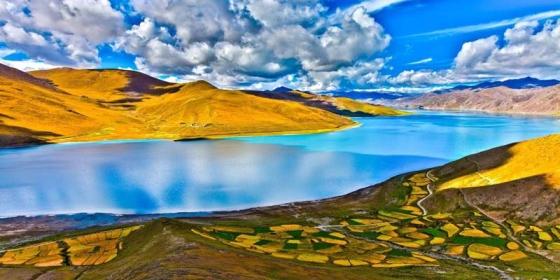
Yamdrok Lake
Sangye Monastery: Tibet’s first monastery, surrounded by grasslands in summer. The monastery is bustling with incense; visitors can attend religious ceremonies to experience Tibetan Buddhism.
Wangguo Festival Experience: Around August, locals dress in festive attire, carry harvest towers around fields, and hold horse racing, archery, and Tibetan opera performances—offering a deep dive into local culture.
Tips
Summer is Shannan’s rainy season with frequent showers; pack waterproof jackets and rain gear.
Mountain roads may be affected by rain, with mudslides possible in some areas. Choose regular vehicles and check road conditions in advance.
Mosquitoes are prevalent in grasslands; bring insect repellent.
A border pass is required for visiting border areas like Pumo Yumco.
Autumn (Mid-October – Early November): Golden Light & Hidden Gems – Top Photography Season
Autumn is widely recognized as Shannan Prefecture’s best overall travel season, especially for photographers. With the rainy season over, the weather is sunny and stable, boasting clear blue skies and excellent visibility. Poplar forests along the Yarlung Zangbo River turn golden, creating striking color contrasts with the river’s blue waters, white snow peaks, and red-walled ancient temples—every shot is a masterpiece. Additionally, fewer tourists mean a quieter experience of Shannan Prefecture’s hidden beauty.
Scenic Highlights
Golden poplar forests: Best viewed from mid-October to early November. Forests along the Yarlung Zangbo River and the Sangye Monastery-Tsedang Town route glow golden, with sunlight filtering through leaves like scattered gold.
Clear snow peaks: Low air humidity makes peaks like Kula Kangri and Nyainqêntanglha sharply defined. The “golden snow mountain” at sunrise and sunset is particularly spectacular.
Calm lakes: Lakes like Yamdrok Lake and Baima Lin Co are perfectly still, reflecting snow peaks and the sky for a mirror-like effect.
Recommended Attractions
Yungbulakang Palace: Surrounded by golden poplars in autumn, the palace’s red walls and golden roof shine in the sun—photographing the palace with poplars from the foothills is breathtaking.
Yarlung Zangbo River Banks: Choose a suitable section to capture the combination of golden poplars, blue river, and distant snow peaks—light is best at dawn and dusk.
Kula Kangri Hiking Trail: Autumn is the prime hiking season. The route offers views of multiple 7,000-meter-plus snow peaks and three sacred lakes, rivaling Nepal’s Annapurna region.
Tips
Temperatures drop significantly; daytime highs are 10-15℃, with night temperatures falling below -5℃ (temperature difference over 20℃). Pack thick down jackets, thermal pants, and other cold-proof gear.
Dry air requires staying hydrated; bring lip balm and skincare products.
Early snow may fall in high-altitude areas like Kula Kangri—pack non-slip hiking shoes and windproof gloves.
Winter (December – February): Blue Ice & Serenity – Best Value Season
Though cold, winter is one of Shannan Prefecture’s most distinctive travel seasons, ideal for budget-conscious and solitude-seeking travelers. As a low season, most scenic spots offer free entry (except monasteries), with airfares and accommodation prices dropping sharply—excellent value for money. Most notably, winter brings unique blue ice landscapes, with abundant sunshine and clear skies offering a snow-covered秘境 unlike any other season.
Scenic Highlights
Blue ice wonders: Lakes like Pumo Yumco and parts of Yamdrok Lake freeze over, with ice surfaces displaying a dreamy blue color and crack patterns like natural art—often called Tibet’s “Lake Neuchâtel”.
Frequent “golden snow mountains”: With more sunny days in winter, sunlight gradually illuminates peaks like Kula Kangri and Nyainqêntanglha at dawn, covering the summits in golden light—an awe-inspiring sight.
Secluded serenity: Few tourists visit scenic spots, allowing visitors to enjoy the tranquility of sacred lakes, snow peaks, and ancient temples, and experience authentic plateau life.
Recommended Attractions
Pumo Yumco: Its winter blue ice is most spectacular. Visitors can walk on the ice (safety first—guide accompaniment recommended) to photograph blue ice with snow peaks.
Ritog Monastery: Known as “one monastery, one world”. In winter, the lake is clear, and the monastery stands alone on a peninsula—free from crowds, it offers ultimate peace.
Yamdrok Lake: Parts of the lake freeze in winter, paired with surrounding snow peaks and dry grasslands, creating a desolate yet magnificent beauty. Lurila Viewpoint is the best spot for panoramic views.
Tips
Extreme cold: Daytime highs are 0-10℃, with night temperatures dropping below -15℃. Pack full cold-proof gear including thick down jackets, windproof pants, snow boots, and warm hats.
Some mountain roads may ice over; choose vehicles with snow chains and drive cautiously.
Oxygen levels are lower in high-altitude areas in winter. Prepare for altitude sickness in advance and carry portable oxygen cylinders.
Follow the “Winter Tour Tibet” policy and check scenic spot opening hours beforehand.
Itinerary Recommendations for Shannan’s Best Travel Seasons
Based on seasonal features, Shannan Prefecture’s best travel times cater to different needs:
For a balance of scenery and comfort: Autumn (mid-October – early November) is top, followed by spring (March-April).
For cultural experiences and grassland scenery: Summer (June-August) is ideal.
For budget-friendly trips and unique blue ice: Winter (December – February) offers the best value.
Essential Pre-Trip Tips
Gear Preparation
Pack season-appropriate gear: Windproof, warm clothing, and sunscreen for spring and autumn; waterproof and insect-repellent items for summer; full cold-proof gear for winter.
Regardless of the season, bring high-SPF sunscreen, sunglasses, a sunhat, and lip balm to cope with strong UV rays and dry weather.
Altitude Sickness Prevention
Shannan’s average altitude exceeds 3,500 meters. Exercise moderately 1-2 weeks before traveling. Avoid strenuous activity upon arrival, drink plenty of warm water, and get adequate sleep.
Carry common medicines like glucose oral solution and headache pills. Seek medical attention immediately if severe altitude sickness symptoms occur.
Cultural Etiquette
Shannan has a strong religious atmosphere. Circumambulate monasteries, mani stones, and prayer flag arrays clockwise—never step on or cross them.
Do not touch believers’ religious jewelry casually or photograph locals without permission.
Remove hats and keep quiet when entering monasteries; do not litter.
Choose the Right Season to Unlock Shannan Prefecture’s Full Beauty
Shannan Prefecture’s charm lies in its unique seasonal scenery, and selecting the best travel time is the key to exploring this hidden gem. From the roots of Tibetan culture to the grandeur of snow-capped peaks and sacred lakes, and the beauty of grasslands and poplar forests, every season offers unforgettable plateau memories. For a hassle-free trip, choose China Dragon Travel—with years of experience in Tibet travel, they know Shannan Prefecture’s seasonal features and road conditions well, providing customized itineraries, professional guides, and comprehensive logistics support to ensure you enjoy Shannan Prefecture’s magic with peace of mind.