
One of the most common questions travelers ask before visiting Sichuan is simple but crucial: what is the weather actually like there? The challenge is that Sichuan is not a single-climate destination. Within one province, you can experience humid and mild Chengdu, sunny and dry low-latitude regions, and the dramatic temperature swings of the Tibetan Plateau. Without understanding these variations, travelers often underestimate how quickly weather conditions can change. This guide breaks down Sichuan’s seasonal climate so you can plan your trip with confidence and comfort.
Weather Characteristics of Sichuan’s Three Major Regions
The climate pattern of Sichuan is determined by its unique geographical environment, which can be divided into three major climate units as a whole. The weather differences in various regions are striking, forming a rich and diverse climate landscape.
Sichuan BasinIt
Sichuan BasinIt belongs to the subtropical humid climate, covering Chengdu, Deyang, Mianyang and other places. It is a densely populated area in Sichuan with concentrated tourism resources. It is characterized by more clouds and fog, less sunshine, high air humidity, mild temperature throughout the year, distinct four seasons, no severe cold in winter and no intense heat in summer. The annual average temperature is maintained between 16℃ and 18℃, which is suitable for long-term outdoor visits.
Western Sichuan Plateau
It belongs to the plateau climate, covering Garzê and Aba. It is the location of well-known scenic spots such as Daocheng Yading, Siguniang Mountain and Jiuzhaigou. It has a high altitude, thin air and strong sunshine. The temperature difference between day and night is extremely large, the annual average temperature is relatively low, and some high-altitude areas are cold all year round. The dry and wet seasons are distinct, with precipitation concentrated in summer and cold and dry winters.
Panzhihua-Xichang Area in Southwestern Sichuan
It belongs to the southern subtropical climate, represented by Panzhihua and Xichang. It is abundant in sunshine, high in temperature, has a long frost-free period throughout the year, and is warm and pleasant in winter. It is an excellent choice for winter vacation tourism, forming a sharp contrast with the cold of the Western Sichuan Plateau.
In addition, Sichuan has significant vertical climate characteristics. From the foot of the mountain to the top of the mountain, the climate changes from subtropical to frigid zone, with great differences in scenery and weather. Tourists need to do a good job in multi-level protection when climbing mountains.
Overview of Sichuan’s Weather in Four Seasons
Spring Weather in Sichuan
Spring is from March to May, and the weather in Sichuan is gradually warming up, which is a suitable season for traveling.
The temperature in the Sichuan Basin rises steadily in spring. The average temperature in March is 10℃ to 15℃, and it rises to 15℃ to 22℃ from April to May. The precipitation gradually increases, the air is humid, and the streets are full of blooming flowers, which is suitable for urban sightseeing and suburban hiking. The temperature in the Western Sichuan Plateau is relatively low in spring. There is still residual snow in March, and it gradually warms up after April. The average temperature is 9℃ to 18℃, with large temperature differences between day and night and strong wind. The snow-capped mountains and meadows are gradually reviving, showing a unique scenery.
Spring Travel Highlights:
- Rapeseed flowers, peach blossoms and azaleas in the basin bloom one after another, which are suitable for flower viewing and photography.
- The plateau scenic areas enter a good time to view snow-capped mountains, with gradually improving visibility.
- The temperature is comfortable, avoiding the intense heat of summer and the severe cold of winter, which is suitable for long-term outdoor activities.
Clothing Suggestions: Adopt the onion dressing method, wear breathable long-sleeved inner clothes, prepare a thin sweater or fleece jacket in the middle, and an outer windproof jacket. Add or remove clothes in time in the morning and evening and in the plateau area.
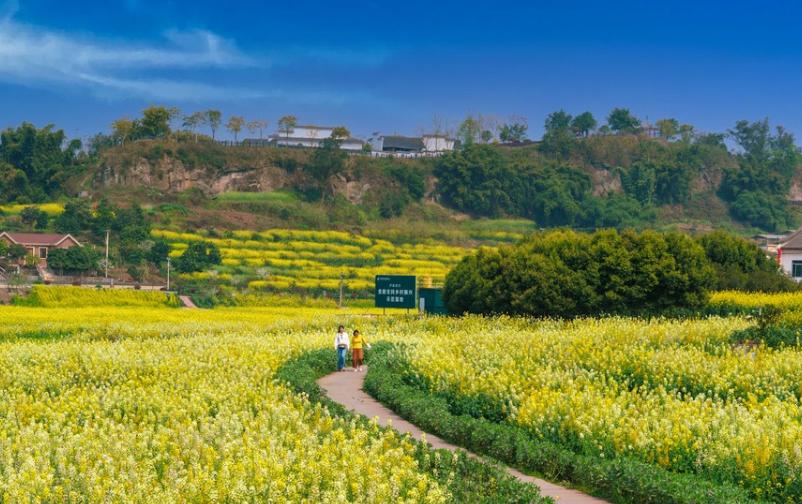
Rapeseed Flower Field, Sichuan
Summer Weather in Sichuan
Summer is from June to August, and the weather in Sichuan shows a contrast between stuffy in the basin and cool in the plateau.
The Sichuan Basin is hot and humid in summer, with an average temperature of 25℃ to 30℃. Precipitation is concentrated, mostly showers and thunderstorms. The air humidity is high, and the body feels stuffy. The Western Sichuan Plateau is cool and comfortable in summer, with an average temperature of 19℃ to 22℃. It is a natural summer resort. The nights are cool, so warm clothes are necessary. From June to August is the rainy season, and frequent precipitation may affect the access to some scenic areas.
The Panzhihua-Xichang area in southwestern Sichuan is sunny and sufficient in summer, with high temperature but dry, which is more comfortable than the basin, and suitable for outdoor activities.
Summer Travel Highlights:
- The meadows in the plateau scenic areas are lush and green, and the lakes are full of water, showing a magnificent landscape.
- In the basin, you can travel in the early morning and evening to avoid the high temperature at noon.
- It is suitable for experiencing cool projects such as mountain summer resort and canyon rafting.
Clothing Suggestions: Wear cool clothes such as short sleeves and shorts in the basin, and prepare rain gear; in the plateau area, you must bring a thin coat and long pants, and it is indispensable to bring sunscreen and sunglasses to avoid sunburn caused by strong ultraviolet rays.
Autumn Weather in Sichuan
Autumn is from September to November, which is the best weather in Sichuan and the golden season for tourism.
At this time, the overall weather in Sichuan is sunny, with little precipitation and extremely high visibility. The average temperature in the basin is 15℃ to 22℃, the air is fresh, which is suitable for visiting ancient towns and tasting delicious food. The average temperature in the Western Sichuan Plateau is 7℃ to 18℃, the temperature difference between day and night increases, and the mountains are covered with colorful forest landscapes. Scenic spots such as Jiuzhaigou and Daocheng Yading enter the most beautiful period of the year.
Autumn Travel Highlights:
- The colorful forests and snow-capped mountains set off each other, with an extremely high photography rate.
- The weather is stable, the itinerary can be arranged flexibly, and it is not disturbed by rainy days.
- A variety of fruits and delicious foods are in season, allowing you to experience the authentic autumn flavor of Sichuan.
Clothing Suggestions: Wear long sleeves and a thin coat during the day, and add a light down jacket in the evening and in the plateau area to keep warm.
Winter Weather in Sichuan
Winter is from December to February, and the weather in Sichuan is characterized by cold in the basin, frigid in the plateau and warm in Panzhihua-Xichang area.
The average temperature in the Sichuan Basin in winter is 5℃ to 10℃, with many cloudy days and high humidity, which feels cold. There is no centralized heating. The Western Sichuan Plateau is cold in winter, with an average temperature of about 0℃. There is snow in high-altitude areas, and some roads may be icy. The Panzhihua-Xichang area in southwestern Sichuan is sunny and sufficient, with an average temperature above 15℃, warm as spring, which is the first choice for winter vacation.
Winter Travel Highlights:
- You can experience snow projects in scenic spots such as Xiling Snow Mountain and Emei Mountain, and feel the southern snow scenery.
- There are few tourists in the scenic spots, allowing you to quietly experience the natural and cultural landscapes.
- It is suitable for experiencing hot springs and eating hot pot, and feeling the unique leisure culture of Sichuan in winter.
Clothing Suggestions: Prepare thick coats and warm underwear in the basin; wear down jackets, snow boots, hats and gloves in the plateau area; wear regular spring and autumn clothes in the Panzhihua-Xichang area.
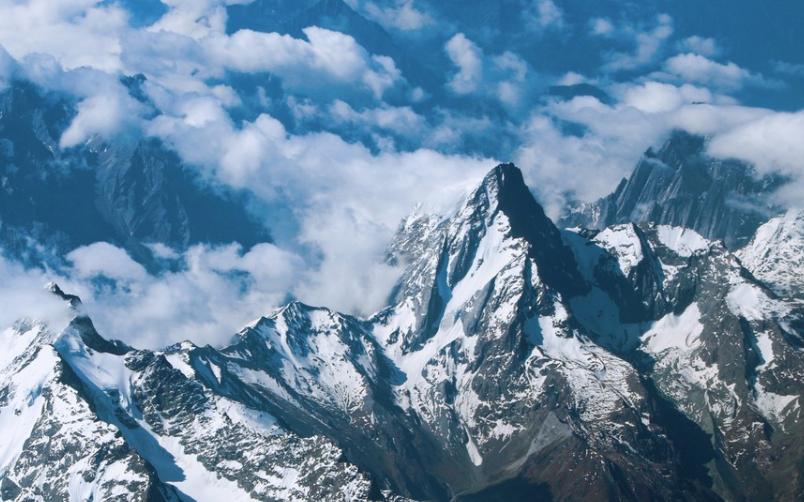
The snow-capped mountains of Garze, Sichuan
Weather Differences Between Major Regions of Sichuan
Weather in Chengdu and Surrounding Areas
As the tourism hub of Sichuan, Chengdu’s weather represents the overall characteristics of the basin. It is mild and humid throughout the year, with an average annual temperature of about 16℃, distinct four seasons and uniform precipitation. There are many cloudy and foggy days, and the sunshine time is relatively short.
The weather in surrounding scenic spots such as Dujiangyan, Qingcheng Mountain and Leshan Giant Buddha is similar to that in Chengdu. The temperature in mountainous areas is 2℃ to 3℃ lower than that in urban areas. It is cool in summer, suitable for summer resort, and cold in winter, suitable for indoor and mild outdoor visits.
Weather in Western Sichuan Plateau Scenic Areas
Jiuzhaigou belongs to the plateau humid climate, with an altitude of about 3000 meters. The temperature is low in spring and changes greatly, stable and comfortable in summer, clear and crisp in autumn, cold and snowy in winter. It is the rainy season from July to August, and rain gear is necessary when traveling.
- Daocheng Yading has a typical plateau climate, with an altitude of 2900 meters to 4800 meters. The average annual temperature is about 4℃, with distinct dry and wet seasons. Precipitation is concentrated from June to September, and it is dry and sunny in other months. The temperature difference between day and night exceeds 15℃, so it is necessary to do a good job in keeping warm and preventing altitude sickness.
- The weather in scenic spots such as Siguniang Mountain and Xinduqiao is similar to that in Daocheng Yading. The weather is most stable in autumn, with the best scenery. It rains more in summer and is cold in winter. It is necessary to check the weather and road conditions in advance when traveling.
Weather in Panzhihua-Xichang Area in Southwestern Sichuan
Xichang is known as the “City of the Sun”, with abundant sunshine throughout the year, more than 2400 hours of annual sunshine. The average temperature in winter is 15℃ to 20℃, with a pleasant climate, suitable for winter vacation and recuperation.
Panzhihua has a lower latitude, higher temperature, no frost all year round, and flowers and fruits bloom all year round. The weather is very comfortable, making it an ideal place for year-round travel.
Practical Tips for Sichuan Travel with Weather Conditions
Practical Clothing Matching Skills
Sichuan has complex terrain and changeable weather. It is recommended to follow the onion dressing method to facilitate adding or removing clothes at any time and adapt to temperature changes.
- Base Layer: Choose breathable and quick-drying cotton or functional underwear to keep the body dry.
- Warm Layer: Prepare a thin sweater, fleece jacket or light down jacket to cope with low temperatures in the morning and evening and on the plateau.
- Protective Layer: A windproof and waterproof jacket is a must to cope with sudden showers and mountain winds.
- Accessories: Sunglasses, sunscreen, hats and scarves are suitable for all seasons, especially important in the plateau area.
Travel Planning Notes
- During the rainy season (June to September), avoid going to mountainous areas and canyons where geological disasters are likely to occur. Reserve flexible time for the itinerary to cope with temporary weather changes.
- Regardless of the season, it is necessary to do a good job in sun protection and altitude sickness prevention in the plateau area. Avoid strenuous exercise and adapt to the altitude gradually.
- When traveling to the plateau area in winter, check the road icing situation in advance and choose a safe means of transportation.
- The air humidity in the basin is high, and clothes are not easy to dry. It is recommended to carry quick-drying clothes and small drying tools.
Travel Activities in Different Weather Conditions
- Sunny Days: Prioritize arranging outdoor scenic spots such as plateaus and mountains to fully enjoy the natural scenery and do a good job in sun protection.
- Cloudy Days: It is suitable for visiting ancient towns, museums and tasting delicious food in Chengdu to feel the cultural atmosphere.
- Rainy Days: Choose indoor scenic spots or hot spring experiences, avoid outdoor high-risk itineraries, and experience the unique leisure culture of Sichuan.
The Perfect Integration of Weather and Sichuan Tourism
The diversity of Sichuan weather endows this land with different styles in four seasons. No matter when you go, you can gain a unique travel experience.
Spring is warm with blooming flowers, suitable for flower viewing and hiking; summer is cool in the plateau and suitable for summer resort; autumn is clear and crisp, perfect for viewing colorful forests and snow-capped mountains; winter is snowy and warm, suitable for snow activities and winter vacation. Foreign tourists only need to choose the destination and travel time according to the weather characteristics of Sichuan, make good preparations for clothes and itinerary, and can easily travel around Sichuan and appreciate the natural and cultural charm of this land.
The beauty of Sichuan’s climate lies in its variability and inclusiveness. Every kind of weather can show a different Sichuan, waiting for tourists to explore and feel.