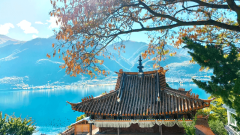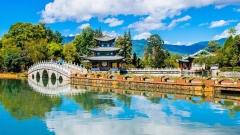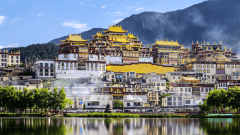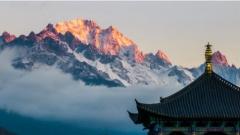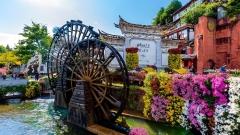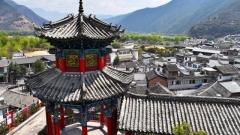

Located on the edge of Southwest China, Tengchong was hailed by the legendary explorer Xu Xiake as the “First City on the Frontier.” Unlike the bustling streets of Lijiang or Dali, Tengchong’s beauty is introverted and profound. Here, you won’t find noisy bars; instead, you’ll find steaming hot springs, silent volcanoes, and a 600-year-old “Home of Overseas Chinese” culture.
Heshun Ancient Town — The Scholarly Soul of the Frontier
If Tengchong has a soul, it resides in Heshun.
1. 600 Years of Tranquility
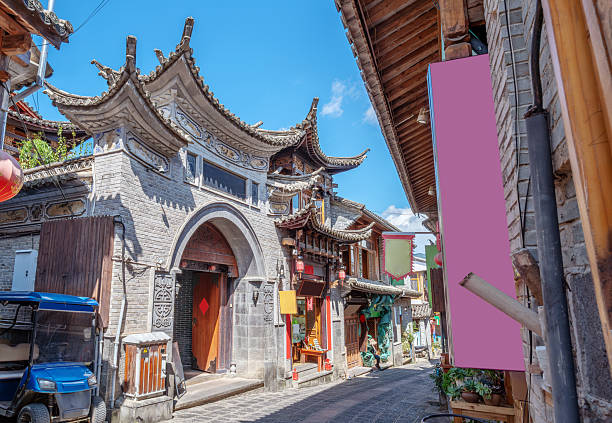
Heshun is a renowned ancestral home for overseas Chinese. Its architecture is a rare blend of elegant Hui-style courtyards, Southeast Asian aesthetics, and Western touches.
-
Highlights: Visit the Heshun Library (China’s largest village library) and the Former Residence of Ai Siqi. Don’t miss the “Laundry Pavilions” along the river—built centuries ago by Heshun men traveling abroad to provide shelter for their wives washing clothes back home, they remain a touching symbol of local devotion.
-
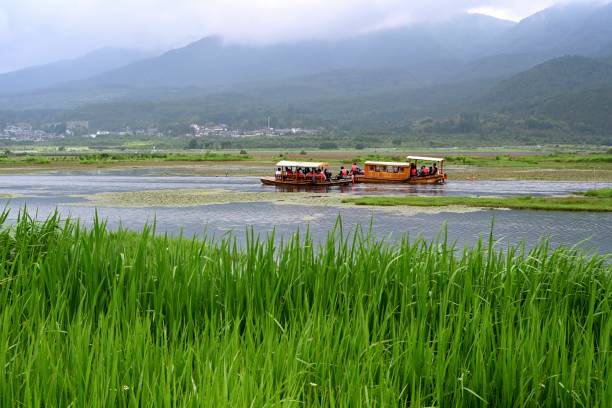
The Experience: We recommend staying in a boutique guesthouse on the hillside. Waking up to the morning mist over the wetlands is the quintessential Heshun experience.
Volcanoes & Hot Springs — The Pulse of the Earth
Tengchong is one of China’s most famous geothermal regions, with immense energy surging just beneath the surface.
1. Volcanic Geological Park: A God’s Eye View
-
Visual Spectacle: The park features perfectly preserved craters like Dakongshan and Xiaokongshan.
-
Exclusive Experience: Take a Hot Air Balloon ride at dawn. Floating above the craters, which look like giant emerald bowls carved into the earth, is the ultimate photo opportunity in Tengchong.
-
Pro Tip: For photography enthusiasts, the Black Fish River and the massive basalt columns (Columnar Jointing) nearby offer incredible geometric natural art.
2. Rehai (Hot Sea): Nature’s Healing SPA
-
The Landscape: Before you even enter, the faint scent of sulfur and rising plumes of steam greet you. The centerpiece is the “Big Boiling Pot,” a natural spring nearly 3 meters in diameter that stays at a constant 100°C.
-
Expert Spa Advice: Tengchong’s springs are true carbonic acid springs, renowned for skin rejuvenation and fatigue relief. We hand-pick secluded luxury spa resorts (such as Bolian Resorts) to ensure our guests enjoy the most refined relaxation experience.
A Taste of Tengchong — Centuries of Caravan Flavors
Tengchong’s cuisine is a legacy of the ancient Silk Road caravans. It blends Yunnan’s local ingredients with Central Plains techniques and Southeast Asian spices.
1. “Da Jiu Jia”: The Dish That Saved an Emperor
The name literally means “The Great Imperial Rescue.” Legend has it that the last emperor of the Ming Dynasty, fleeing through Tengchong, was served a dish of stir-fried Erkuai (rice cakes). He claimed it “saved his life,” and the name stuck.
-
The Taste: Thinly sliced rice cakes are stir-fried with eggs, fresh pork, fermented chili, tomatoes, and greens. It is soft, chewy, spicy, and savory—an essential ritual for any visitor.
2. Xi Dou Fen: The Morning Comfort of the Locals
If one flavor represents a Tengchong morning, it is Xi Dou Fen.
-
The Craft: Made from premium yellow peas ground into a smooth, thick porridge.
-
How to Eat: Locals dip freshly fried You Tiao (dough sticks) into the pea porridge. Mixed with chili oil, ginger water, garlic mash, and Sichuan pepper oil, it is a complex, warming explosion of flavor that awakens the senses.
3. Tengchong Clay Pot: Geothermal Heat on the Table
This is a visual and culinary feast. The “pot” itself is a traditional local earthenware vessel with a central chimney for charcoal.
-
The Composition: Layers of pork ribs and chicken broth are topped with yams, pork rinds, crispy fried meat, and egg rolls.
-
Cultural Detail: The pork rinds are prepared through a complex soaking process, giving them a texture as delicate as sea cucumber. It’s a symbol of reunion and warmth.
4. Gan Ma Rou (Caravan Meat): Bold and Rustic
Originating from the days when caravans camped in the mountains, this dish consists of large chunks of pork stir-fried with dried chilies and Sichuan peppercorns. It is rich, aromatic, and carries the wild spirit of the ancient Silk Road.
Wetlands & Ginkgo Village — Poetic Seasons
1. Beihai Wetlands: The Floating Green Carpet
This is a rare acidic lake where thick layers of grass float on the water like a vast emerald carpet.
-
When to Visit: April to May is the best time for blooming orchids and boat rowing.
-
Activity: Try “Grass Island Rowing,” where you can walk on the thick grass mats and feel the earth rhythmically undulating beneath your feet.
2. Ginkgo Village: An Autumn Fairy Tale (Late Nov – Early Dec)
-
The Scene: Over 3,000 ancient ginkgo trees are scattered throughout a traditional village. When the wind blows, the world turns a shimmering gold.
-
Pro Planning: The viewing window is short and crowded. We use real-time climate data to time our guests’ arrivals perfectly, avoiding the crowds for the best photos.
Travel Guide for Tengchong
-
Climate: At an altitude of 1,600m, Tengchong enjoys a spring-like climate year-round. No need to worry about altitude sickness, making it ideal for families.
-
Clothing: Significant temperature drops occur between day and night. Even in summer, bring a light jacket.
-
Logistics: Sights are spread out. We provide private driver-guides who not only ensure safety on mountain roads but can also lead you to “hidden” coffee shops and local eateries not found on maps.
-
Dining Tip: Portions in Tengchong are generous. We recommend family-run private kitchens in Heshun for the most authentic experience.
Tengchong is a city where you can truly “live.” It doesn’t require the long, grueling drives of the Tibet loop. Instead, it offers a warm embrace, healing you with its waters, nourishing you with its history, and delighting you with its caravan flavors.