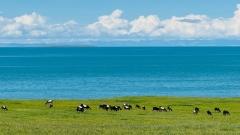

Qinghai Lake, a priceless jewel nestled in the gentle cradle of the highlands, shimmers with a captivating azure hue that mirrors the infinite expanse of the heavens above. In the summer season, rapeseed blossoms burst forth in a resplendent array of colors, transforming the landscape into a true paradise for wanderers in search of tranquility. Grasping the significance of Qinghai Lake’s lofty altitude is crucial for planning a comfortable and unforgettable expedition. This guide meticulously explores the implications of Qinghai Lake’s elevation, providing essential travel advice and itineraries for an exceptional highland adventure.
Unveiling the Facts: Qinghai Lake’s Altitude and Geography
So, what is the altitude of Qinghai Lake? The average elevation of the lake surface is approximately 3,196 meters (about 10,486 feet). This height places Qinghai Lake firmly within a typical high-altitude environment. Surrounded by mountains, the altitude around the lake varies between 3,200 and 3,500 meters as you visit different viewpoints or travel along the lakeshore. The primary significance of understanding Qinghai Lake’s altitude is recognizing that you are entering a high-altitude region. The air becomes thinner as elevation increases, meaning lower oxygen levels compared to plains areas. This is the fundamental starting point for all subsequent travel preparations.
The Impact of Altitude: Understanding and Adapting to Altitude Sickness
At 3,196 meters, most travelers arriving directly from lower altitudes will need an adaptation period. Symptoms of altitude sickness can include headaches, shortness of breath, difficulty sleeping, fatigue, or loss of appetite. This is typically the body’s normal response to the lower air pressure and oxygen levels and shouldn’t cause excessive alarm.
Effective Adaptation Strategies:
- Allow Acclimatization Time: Avoid strenuous activity or long walks immediately after arrival. Schedule a gentle lakeside stroll on the first day to let your body adjust gradually.
- Maintain a Positive Mindset and Rest: Stay relaxed and avoid anxiety. Ensure you get plenty of sleep, though initial sleep may be lighter due to lower oxygen levels.
- Stay Hydrated and Eat Wisely: Drink plenty of warm water and avoid alcohol. Opt for easily digestible foods and consider carbohydrates for energy.
- Dress for the Climate: The highland temperature varies greatly between day and night. Even in summer, pack warm layers. The sun is intense, so sun protection is essential.
- Seek Help if Needed: If symptoms become severe—such as persistent intense headache, vomiting, or confusion—inform your companions or guide immediately and descend to a lower altitude or seek medical help. Carrying medications like ibuprofen for symptom relief is advisable. Some people take Rhodiola rosea supplements beforehand, though consult a doctor.
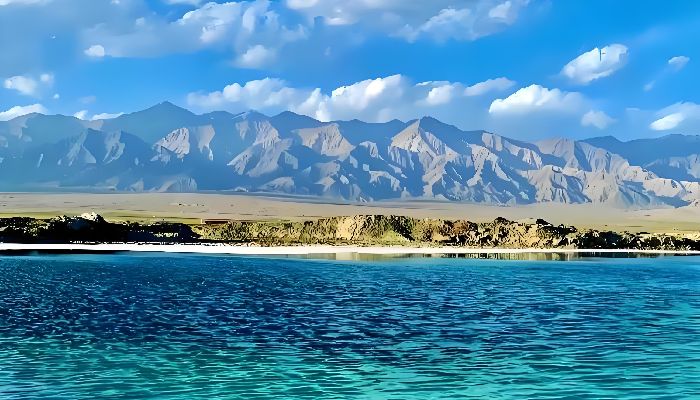
Qinghai Lake Panoramic View
In-Depth Exploration: Qinghai Lake Recommended Classic Multi-Day Itineraries
Once you understand Qinghai Lake’s altitude and basic coping strategies, you can confidently plan how to explore this vast lake and its stunning surrounding region. The lake’s circumference is about 360 km. Combining a visit to Qinghai Lake with classic sights in neighboring Gansu province offers an experience of the Northwest’s vastness and diversity. Here are two reliable multi-day route recommendations.
8-Day Serene Journey: Qinghai-Gansu Grand Loop
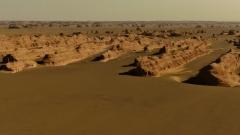
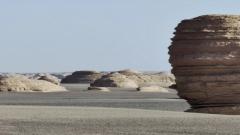
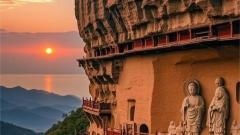
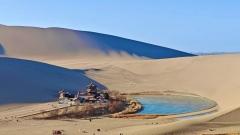
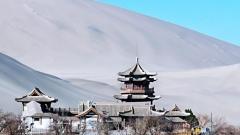
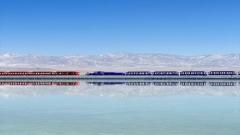
This classic 8-day loop starts from Xining, skillfully blending the serenity of Qinghai Lake with the cultural wonders of the Gansu Silk Road. A typical itinerary is: Xining-Delingha-Da Qaidam (viewing Emerald Lake and other salt lakes)-Waterborne Yadan (unique landforms)-Dunhuang (explore Mogao Caves, experience Mingsha Mountain and Crescent Spring)-Zhangye (marvel at the Danxia Rainbow Mountains)-return to Xining. On this route, Qinghai Lake is often the highlight of the initial stage. After acclimatizing to its altitude, the journey unfolds, transitioning from highland lakes to desert and grotto civilizations for a trip of striking contrasts.
10-Day In-Depth Qinghai Discovery Route
For those yearning to delve deeper into the northern edge of the Tibetan Plateau, this 10-day itinerary covers more ground, starting from Lanzhou: Lanzhou-Qilian County (prairie landscapes)-Jiayuguan Pass (First Strategic Pass Under Heaven) – Dunhuang-Lenghu Town-Mangya City (visit the mysterious “Devil’s Eye,” Aiken Spring)-Waterborne Yadan-Delingha-Xining. This route ventures into the less-visited western secrets of Qinghai Province, showcasing extreme desolation and geological wonders. It demands better physical acclimatization from travelers, but with proper preparation and respect for the high-altitude environment indicated by Qinghai Lake’s elevation, the visual and spiritual it offers are unparalleled.
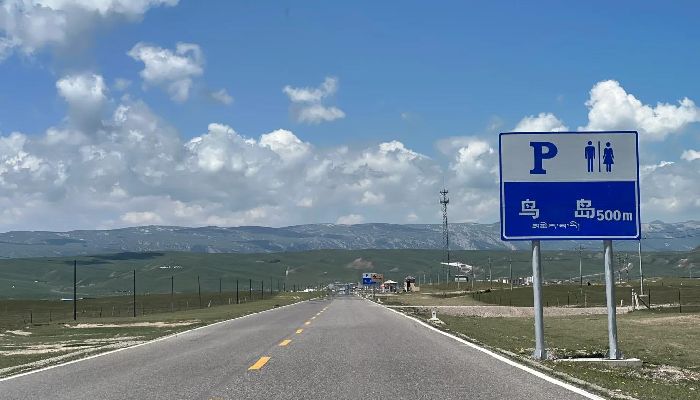
Scenery along the Qinghai Lake Ring Road
Itinerary Planning and Thoughtful Tips
A successful highland trip begins with meticulous planning. Beyond physical and mental preparation, several practical details require attention.
- Best Time to Visit: July and August are the golden seasons at Qinghai Lake, with cool weather and blooming rapeseed flowers. However, this is peak tourist season with higher accommodation prices. Visiting in June or early September offers pleasant scenery with fewer crowds.
- Transport and Accommodation: Xining is the main hub for reaching Qinghai Lake. Joining a small group tour or booking a private car service that covers multi-day itineraries is a wise choice, solving long-distance transport logistics. Accommodation along the routes varies from comfortable hotels to unique guesthouses; book well in advance during peak season.
- Clothing and Gear: Regardless of the season, pack warm, windproof outer layers, sunscreen, sunglasses, and a hat. Comfortable walking shoes are essential. A thermos for warm water is recommended.
- Respect Local Culture: Qinghai Lake is a holy lake in Tibetan culture. Please respect local religious beliefs and customs. When walking around the lake or taking photos, follow relevant regulations, do not climb fences arbitrarily, and do not litter.
Professional Planning for a Qinghai Lake Carefree Journey
Embarking on an extended escapade that includes towering elevations and expansive traversals requires meticulous attention to a multitude of details. It demands not only a profound understanding of the health implications posed by the high altitude of Qinghai Lake but also a thoughtful orchestration of a contiguous journey that links serene lakes, expansive deserts, and storied historical landmarks. Navigating this alone can prove arduous. Trusting in the acumen of seasoned planners guarantees a harmonious itinerary, delivers enhanced value in transportation and lodging, and ensures timely assistance should altitude sickness or other contingencies arise.
Whether you aspire to camaraderie with a small group of fellow adventurers or a bespoke family odyssey, seasoned travel consultants are adept at crafting an impeccable journey aligned with your timeline and preferences. Notably, esteemed agencies such as China Dragon Travel offer an array of small-group excursions, featuring meticulously crafted classic itineraries that traverse Qinghai Lake and the Qinghai-Gansu area. These tours are led by teams well-versed in the local terrain, enabling travelers to immerse themselves in the vistas and cultural riches.
In essence, understanding the altitude peculiarities of Qinghai Lake is pivotal to unlocking the secrets of this enigmatic sacred waterway. With this knowledge and comprehensive readiness, you can unwind and savor the lake’s ethereal dawn, its vibrant sunset tapestries, and its starlit nocturnal canopy. This azure jewel, cradled by the plateau, anticipates your arrival with both thorough forethought and profound admiration, poised to unveil its expansive grandeur, serene calm, and awe-inspiring splendor.