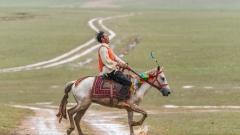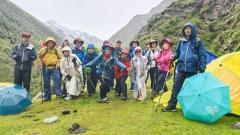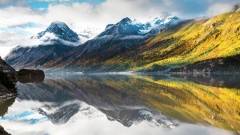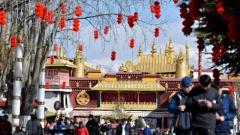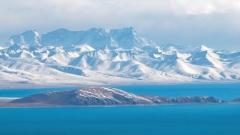

In Tibet, mountains and snowy peaks are far more than landscapes. They bear the weight of faith and record centuries of human footsteps leading toward the spiritual world. Many travelers say the moment they step onto the plateau, their hearts are quietly drawn by this land. And once they embark on a kora journey, life begins to unfold in new layers and rhythms.
This article expands on the cultural background of kora, representative routes, essential gear, seasonal tips and complete itinerary suggestions, adding more detail so you can fully understand everything before setting off.
The True Meaning of Tibet Kora and Its Spiritual Power
Kora originates from ancient Tibetan culture and has been practiced for thousands of years. People walk around a sacred mountain using their own footsteps, praying for safety, blessings, merit, health and spiritual purification.
Throughout history, various groups have given different meanings to kora. Some do it to pray for their family, some for the ill, some to redeem past mistakes, and some simply to regain strength in their lives. Regardless of the reason, the essence of kora lies in step-by-step progress — a profound dialogue with one’s inner self.
When breathing becomes heavy and your steps turn slow, the heart returns to its simplest form, as if listening to its own voice in a silent world.
Tibet is regarded as the center of kora because the plateau is filled with sacred mountains deeply rooted in the cultural and spiritual beliefs of local people. These mountains are not merely sights to be admired with the eyes — they are presences to be felt with the soul.
The Most Representative Kora Routes in Tibet
Below are four of the most iconic kora areas, suitable for different physical levels and travel goals.
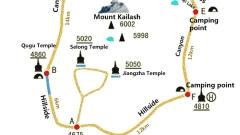
Mount Kailash Kora
Mount Kailash is regarded as the center of the world by multiple spiritual traditions. Walking around it is believed to be the only way to approach its divine power.
The full route is about 52 kilometers and takes three days. Day one is relatively gentle, day two crosses the 5630-meter Dolma La Pass, the most challenging section, and day three descends through wide-open landscapes, bringing calm and relief.
This is a once-in-a-lifetime pilgrimage route. Even though many fail to complete it every year, travelers from around the world continue to come, drawn by its overwhelming spiritual force.
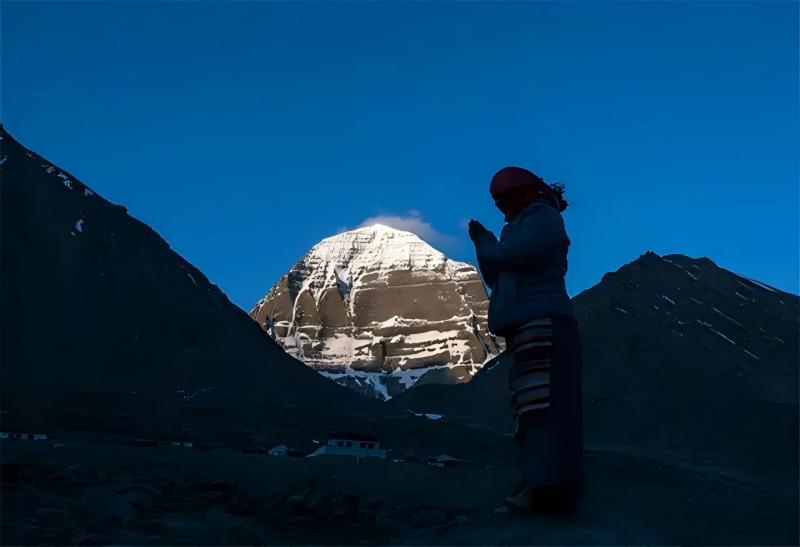
Mount Kailash Kora
Meili Snow Mountain Outer Kora
Located between Deqin in Yunnan and Mangkang in Tibet, Meili Snow Mountain is considered sacred and climbing is prohibited. Thus the outer kora is the only way to approach it.
The route takes six to nine days, running through forests, pastures, valleys and glaciers, offering rich natural scenery. Village life along the way remains simple and authentic. It is ideal for travelers who seek both spiritual strength and long-distance trekking experience.
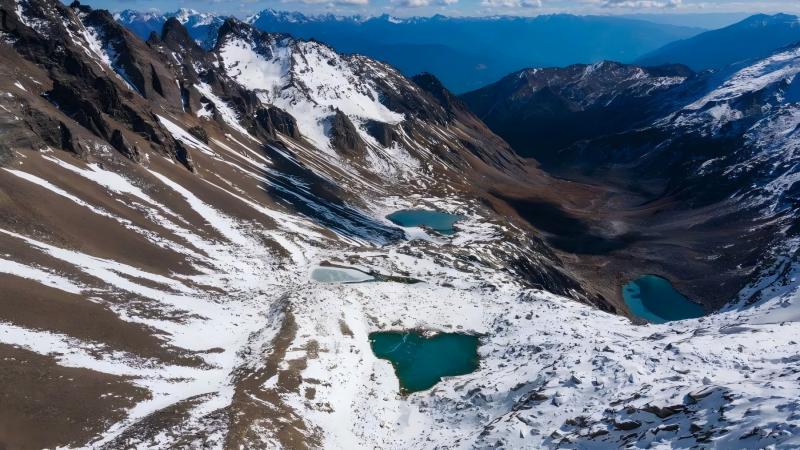
Meili Snow Mountain Outer Kora
Yamdrok Lake Kora
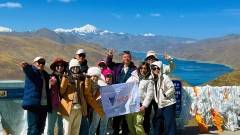
Famous for its lake colors that shift from blue to emerald, Yamdrok Lake looks like a natural gemstone. This kora route is relatively easy and ideal for people experiencing Tibetan circumambulation for the first time. Travelers can walk part of the route and use vehicles for the rest, balancing comfort with cultural immersion.
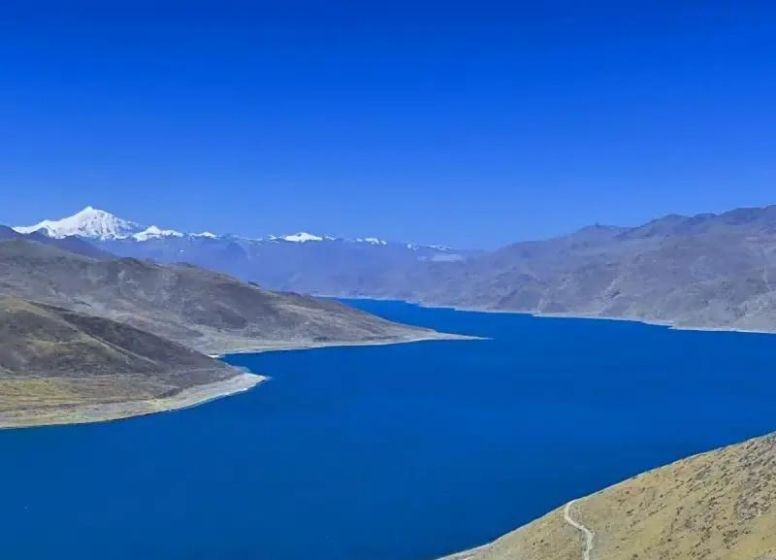
Yamdrok Lake Kora
Small Kora Routes around Lhasa
Routes such as Chakpori Hill and Ganden Monastery ridge trails are popular for acclimatization before longer treks. These shorter koras introduce travelers to Tibetan culture through gentle walking and minimal physical strain.
Best Seasons and Climate Details for Tibet Kora
Weather in Tibet can be unpredictable. Choosing the right season is essential. Generally, May through October is the ideal period.
From June to August, snow lines rise, trails become safer and temperatures are more pleasant. Wildflowers bloom and grasslands are vibrant — nature is at its richest.
September to October is autumn, with stable weather, golden forests and crystal-clear light perfect for photography. The only drawback is the colder nights.
Winter is not recommended due to extreme cold, unstable weather and high risk of snow-blocked mountain passes.
Essential Preparations Before Your Tibet Kora
To ensure a safe and smooth kora experience, the following ten preparations are crucial.
Sufficient High-Altitude Acclimatization
Stay in Lhasa for two to three days, avoid intense activity, drink plenty of water, rest well and let your body slowly adjust.
Complete Health Check
Those with heart or lung diseases, severe hypertension or chronic respiratory problems should not travel to high altitudes.
Proper Gear for High-Altitude Trekking
Clothing
- Windproof and waterproof jacket
- Warm down jacket
- Fleece mid-layer
- Moisture-wicking tops
- Trekking pants and thermal pants
Equipment
- Trekking poles
- High-quality trekking shoes
- Headlamp with spare batteries
- Backpack around 30 liters
- Waterproof cover
Personal items
- High SPF sunscreen
- Lip balm
- Energy snacks
- Personal medicine, pain relievers and glucose
Keep a Steady Pace
Do not rush. Stabilize your breathing and maintain a slow, consistent rhythm.
Book Accommodation and Transportation Early
During peak seasons, places like Dirapuk and Zutrulpuk monasteries often fill up quickly.
Protect the Environment
Do not leave trash, damage plants or disturb wildlife.
Respect Local Culture
Walk clockwise, yield to pilgrims performing full-body prostrations, and follow monastery rules.
Know the Symptoms of Altitude Sickness
Severe headache, breathing difficulty or nausea require immediate descent.
Maintain Mental Flexibility
Weather may change suddenly. Accept uncertainties and remain calm.
Choose a Professional and Reliable Tour Operator
Experienced teams ensure safety and support in remote high-altitude regions.
Common Feelings During a Tibet Kora Journey
Kora is not easy, and that is precisely why it is meaningful.
Along the path, you may encounter elderly Tibetan pilgrims who walk slowly but with deep devotion. Some pilgrims spend months completing the journey through full-body prostrations. Their perseverance reveals the extraordinary power of faith.
You will see landscapes beyond words — clouds tumbling over ridges, wind roaring past your ears, glaciers shimmering with cold light like whispers from nature.
In moments of exhaustion, you will discover you are stronger than you thought. And when you look back at the long path you have crossed, the worries of daily life suddenly feel small.
Kora is not about conquering — it is about surrendering. Not about showing off — but about settling the heart.
Example Fifteen-Day Tibet Kora Itinerary
- Day 1 Arrive in Lhasa and acclimatize to the altitude
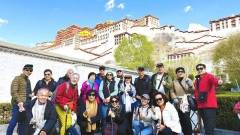
- Day 2 Visit Potala Palace and Jokhang Temple to learn about cultural background
- Day 3 Lhasa — Yamdrok Lake — Karola Glacier — Shigatse
- Day 4 Shigatse — Tingri — Everest Base Camp — Basong Village
- Day 5 Basong Village — Tingri — Shishapangma Nature Reserve — Peiku Tso — Saga
- Day 6 Saga — Zhongba — Maqunhe Wetland Park — Tarqin
- Day 7 Kora Day 1: Tarqin — Dirapuk Monastery (Approx. 20 km: 6 km by vehicle + 14 km on foot)
- Day 8 Kora Day 2: Dirapuk Monastery — Zutul Monastery (Approx. 20 km: full trek)
- Day 9 Kora Day 3: Zutul Monastery — Tarqin — Zhada County (Approx. 11 km: 7 km trekking + 4 km by vehicle)
- Day 10 Dacheng — Zhada Danxia Landform — Guge Kingdom — Tarqin
- Day 11 Tarqin — Distant view of sacred mountains and holy lakes — Saga
- Day 12 Saga — Distant view of Peiku Tso — Shigatse
- Day 13 Shigatse — Jiekangri Mountain — Serling Tso — Bangoin
- Day 14 Bangoin — South shore of Namtso Lake (Zaxi Peninsula) — Nageng La Pass — Nyenchentanglha Mountains — Lhasa
- Day 15 Depart from Lhasa Airport or Railway Station
For First-Time Tibet Kora Travelers
You do not need to be a professional hiker, nor a follower of any religion. As long as you are willing to slow your pace and face your own vulnerability and strength, this journey will reward you with unexpected power.
Under the high-altitude sky, every breath becomes precious. Every step brings you closer to the voice hidden deep within your heart. Many who completed a kora say they learned to let go and also learned to be brave.
Kora means setting out — and returning. Walking into the world — and back into yourself.
Complete Your Sacred Mountain Journey with China Dragon Travel
If you are planning a trip to Tibet and wish for a safe, meaningful and well-organized experience, choosing a professional team will make everything easier.
China Dragon Travel has many years of experience in Tibetan journeys, including routes in the Ngari region and major kora circuits. The team provides skilled guides, strong logistical support, reliable safety equipment and high-altitude emergency response capabilities.
Whether this is your first time visiting the plateau or you are ready to explore deeper regions, China Dragon Travel will be your most trustworthy companion, guiding you through this journey filled with faith and breathtaking landscapes, allowing you to truly feel the cleansing power of sacred mountains.