
For photographers, Tibet is not simply a travel destination—it is a visual experience unlike anywhere else on Earth.
Rising high above sea level, the Tibetan Plateau offers dramatic landscapes, intense light, and a deep sense of space and silence that is rarely found in modern travel destinations.
From snow-covered Himalayan peaks and turquoise alpine lakes to ancient monasteries and timeless daily life, Tibet presents a rare combination of raw nature and profound human culture. Every journey across the plateau feels cinematic, and every stop offers the potential for powerful images.
This guide explores why Tibet is such a compelling destination for photography, when the best time is to visit, and which routes and locations offer the most rewarding photographic opportunities.
Why Choose Tibet for a Photography Tour
1. Epic Landscapes on a Grand Scale
Tibet is home to some of the most dramatic natural scenery in the world:
-
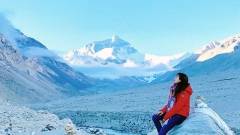
The Himalayan mountain range, including Mount Everest
-
Vast grasslands and high-altitude deserts
-
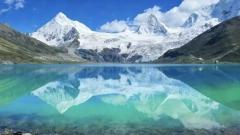
Glacial lakes such as Namtso, Yamdrok Lake, and Lake Manasarovar
At high elevations, the air is exceptionally clear, creating sharp details, deep colors, and strong contrast. Snow peaks appear closer and more imposing, while skies stretch endlessly above the plateau. For landscape photographers, Tibet offers a sense of scale that is difficult to replicate elsewhere.
2. Powerful Cultural and Spiritual Subjects
Beyond landscapes, Tibet is equally compelling for cultural and documentary photography. Daily life here is closely connected to religion and tradition:
-
Pilgrims prostrating along sacred routes
-
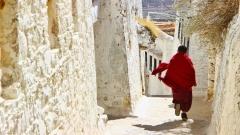
Monks chanting inside centuries-old monasteries
-
Prayer flags fluttering against dramatic backdrops
-
Nomadic families herding yaks across open plains
These scenes are not staged—they are part of everyday life. For photographers, this authenticity adds emotional depth and narrative power to each image.
3. Exceptional Light and Atmosphere
Due to its altitude and thin atmosphere, Tibet receives stronger sunlight and higher UV levels than most regions. This creates:
-
Intense blues in the sky
-
Strong highlights and shadows
-
Exceptional clarity during sunrise and sunset
Photographers who understand how to work with this light can capture images with remarkable texture and atmosphere, especially during the golden hours.
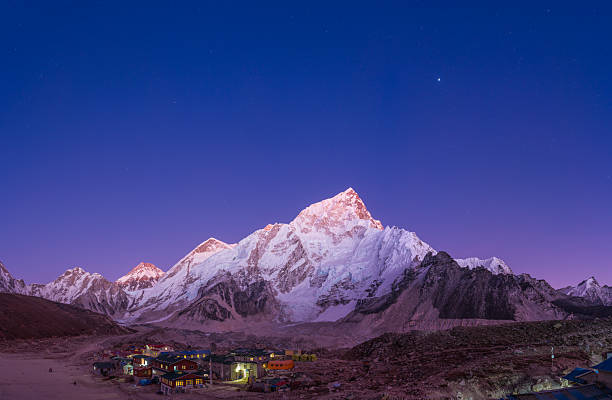
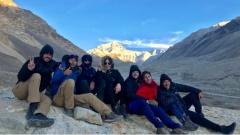
Stars shining above Everest Base Camp
When Is the Best Time to Visit Tibet for Photography
One of Tibet’s greatest strengths as a photography destination is that it offers compelling subjects throughout the year. Each season brings a different visual character.
Spring (March to May): Snow Mountains and Blossoms
-
Mid-March marks the beginning of peach blossom season in Nyingchi
-
Snow still covers high peaks, creating striking contrasts with blooming valleys
-
Rainfall is relatively low, especially in April and May
This period is ideal for photographers seeking a combination of snow-capped mountains, fresh colors, and fewer crowds.
Summer (June to September): Festivals and Cultural Photography
Summer is the most vibrant season in Tibet:
-
Grasslands turn green
-
Lakes reach their most vivid turquoise hues
-
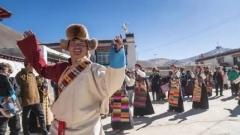
Traditional festivals take place across the region
This is the best time for:
-
Cultural and documentary photography
-
Portraits of local people
-
Festival scenes and religious ceremonies
Although afternoon showers are possible, dramatic clouds often enhance the mood of landscape photos.
Autumn (October): The Golden Season
October is widely considered the best month for photography in Tibet:
-
Stable weather and clear visibility
-
Crisp air and strong contrast
-
Autumn colors in valleys around Nyingchi and Shigatse
This season offers ideal conditions for both landscape and travel photography, with fewer tourists than summer.
Winter (November to February): Minimalism and Spiritual Depth
Winter is cold but rewarding:
-
Vast snow-covered landscapes
-
Minimal crowds
-
Clear skies and sharp light
For experienced photographers, winter offers unique opportunities to capture:
-
Monastic life
-
Prayer ceremonies
-
Stark, minimalist compositions
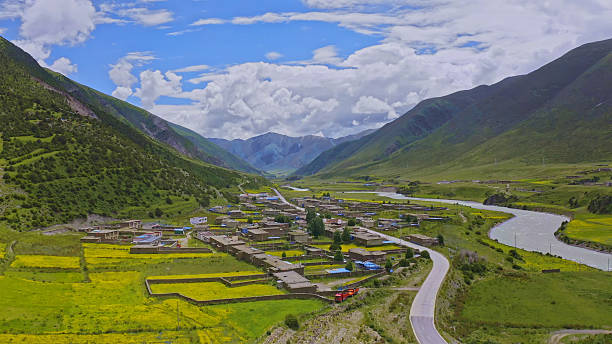
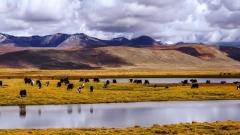
Nagqu Grassland in Summer
The Most Scenic Photography Routes in Tibet
1. Lhasa to Everest Base Camp
This classic route combines cultural heritage with Himalayan grandeur:
-
Yamdrok Lake
-
Karola Glacier
-
Gyantse and Shigatse
-
Mount Everest
It is ideal for photographers looking to balance iconic landmarks with everyday Tibetan life.
2. The G318 Sichuan–Tibet Highway
Often called one of the world’s most scenic roads, the G318 passes through:
-
Glaciers and alpine lakes
-
Dense forests and grasslands
-
Traditional Tibetan villages
Key photography stops include Ranwu Lake, Laigu Glacier, and the forests of Nyingchi.
3. Nyingchi Region: Soft Landscapes and Forests
Nyingchi offers a different visual style:
-
Lower altitude
-
Rich forests and rivers
-
Snow peaks framed by greenery
It is especially popular among photographers who prefer gentler landscapes and seasonal color.
4. Ngari (Ali) Region: Ultimate Landscape Photography
Remote and challenging, the Ngari region rewards photographers with:
-
Mount Kailash
-
Lake Manasarovar
-
Ancient ruins of the Guge Kingdom
This is a destination for serious landscape photographers seeking dramatic, untouched environments.
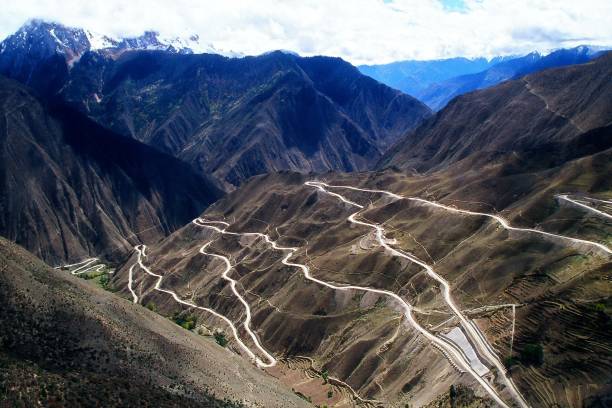
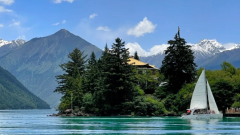
Autumn, in the east of Tibet Zogang County of 318 national highway side scenery.
Top Photography Spots in Tibet
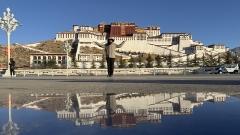
Potala Palace
-
Best photographed at sunrise or sunset
-
Offers strong architectural lines and reflections
Namtso Lake
-
Ideal for wide-angle landscapes and night photography
-
Clear skies make it excellent for Milky Way shots
Yamdrok Lake
-
Aerial viewpoints offer dramatic curves and color variations
-
Best photographed in early morning light
Everest Base Camp
-
Iconic sunrise views of Mount Everest
-
Strong opportunities for astrophotography
Guge Kingdom Ruins
-
Powerful compositions combining history and landscape
-
Best during late afternoon light
Practical Tips for a Tibet Photography Tour
-
Start early and stay out late to avoid harsh midday light
-
Bring proper protection for equipment against dust, wind, and cold
-
Respect local customs, especially when photographing people and religious sites
-
Acclimatize properly to avoid altitude-related issues
A photography tour in Tibet is not about rushing from one viewpoint to another. It is about patience, observation, and respect—for the land, the culture, and the people who call this plateau home.
For photographers willing to slow down and truly engage with their surroundings, Tibet offers not just images, but experiences that stay with you long after the journey ends.