
A journey through Tibet is never just about reaching a destination.
For many travelers, Tibet represents freedom, spirituality, and some of the most dramatic landscapes on Earth.
Among all travel styles, self-drive travel (or private car travel with a local driver) has become one of the most popular and rewarding ways to explore Tibet.
This guide will walk you through:
-
Why Tibet is perfect for a road trip
-
When is the best time to go
-
The main routes into Tibet
-
The most popular self-drive itineraries within Tibet
Why Choose a Self-Drive Trip in Tibet?
1. Freedom and Flexibility
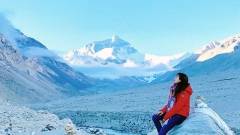
Tibet is vast, remote, and incredibly scenic. Many of its most beautiful moments happen between destinations, not just at famous landmarks.
A self-drive journey allows you to:
-
Stop whenever the scenery takes your breath away
-
Adjust your pace based on altitude and personal comfort
-
Avoid rigid schedules and crowded group tours
This flexibility is especially important on the Tibetan Plateau, where slow travel often leads to a better overall experience.
2. Access to Remote and Lesser-Known Places
Many of Tibet’s most unforgettable locations are not easily accessible by public transportation or standard group tours, such as:
-
Remote lakes and grasslands
-
Small Tibetan villages
-
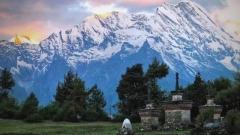
Hidden viewpoints and quiet monasteries
A road trip allows you to reach places that remain untouched and deeply authentic.
3. Ideal for Families and Small Groups
For couples, families, or small groups of friends, self-drive or private car travel offers:
-
More privacy
-
Greater comfort
-
Flexible rest stops, which are especially helpful when traveling with children
This is one reason why private road trips are increasingly popular among overseas travelers visiting Tibet.
When Is the Best Time for a Tibet Road Trip?
Choosing the right season is essential for a safe and enjoyable self-drive experience.
Best Season: May to October
This period offers the most stable road and weather conditions.
May – June
-
Mild temperatures
-
Fewer tourists
-
Ideal for first-time visitors
July – August
-
The most vibrant landscapes
-
Lakes and grasslands at their best
-
Occasional rain, usually short and manageable
September – October
-
Clear skies and excellent visibility
-
Beautiful autumn colors
-
Cooler mornings and evenings
Off-Season: November to April
Winter travel is possible but more challenging:
-
Snow and icy roads in some areas
-
Limited access to remote regions
-
Colder temperatures and higher altitude risks
This season is best suited for experienced travelers seeking solitude and dramatic winter scenery.
Main Routes Into Tibet
There are several major highways leading into Tibet, each offering a unique travel experience.
1. Sichuan–Tibet Highway (G318)
The Most Scenic and Popular Route
Route: Chengdu → Nyingchi → Lhasa
Highlights:
-
Dense forests, deep gorges, snow-capped peaks
-
Gradual altitude gain, ideal for acclimatization
-
Well-developed travel infrastructure
Best for:
First-time visitors and travelers focused on landscapes.
2. Qinghai–Tibet Highway (G109)
The Safest and Most Stable Route
Route: Xining → Golmud → Lhasa
Highlights:
-
Relatively gentle terrain
-
Reliable road conditions
-
Easier altitude adjustment
Best for:
Families, cautious drivers, and travelers prioritizing safety.
3. Yunnan–Tibet Highway
A Cultural and Scenic Journey
Route: Lijiang → Shangri-La → Markam → Lhasa
Highlights:
-
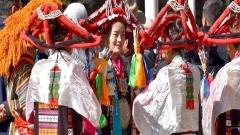
Rich ethnic cultures
-
Diverse scenery
-
Slower pace and immersive experience
Best for:
Experienced travelers seeking cultural depth.
4. Xinjiang–Tibet Highway
The Ultimate Adventure Route
Route: Yecheng → Ngari → Lhasa
Highlights:
-
Remote landscapes
-
High altitude passes
-
Raw, untouched scenery
Best for:
Highly experienced adventurers only.
Popular Self-Drive Itineraries Within Tibet
Once inside Tibet, the real journey begins.
1. Lhasa – Nyingchi Loop (5–7 Days)
Highlights:
-
Yarlung Tsangpo River
-
Forested valleys and alpine scenery
-
Ideal acclimatization route
Perfect for first-time visitors or travelers with limited time.
2. Lhasa – Shigatse – Everest Base Camp (6–8 Days)
Highlights:
-
Yamdrok Lake
-
Tashilhunpo Monastery
-
Mount Everest Base Camp
One of the most iconic road trips in Tibet.
3. Lhasa – Ngari Grand Circuit (12–15 Days)
Highlights:
-
Mount Kailash
-
Lake Manasarovar
-
Ancient Guge Kingdom ruins
Often considered the ultimate Tibetan road trip.
4. Lhasa Surrounding Lakes Route (3–5 Days)
Highlights:
-
Namtso Lake
-
Sacred lake landscapes
-
High-altitude photography spots
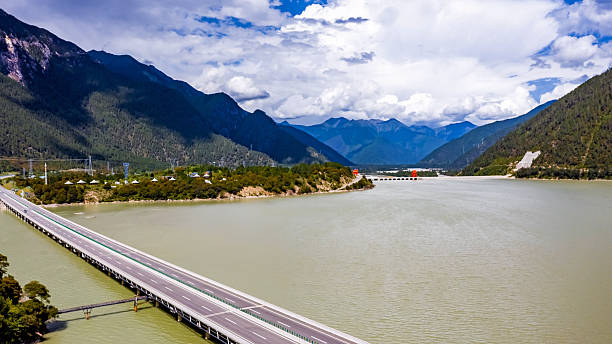
A great short extension from Lhasa.
A self-drive journey through Tibet is not about rushing from one attraction to another.
It is about space, silence, altitude, and perspective.
Whether you choose to drive yourself or travel with a private local driver, a road trip allows you to experience Tibet in a way that feels personal, immersive, and unforgettable.
With proper planning, the right pace, and respect for the land and culture, Tibet rewards travelers with moments that last a lifetime.