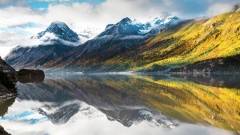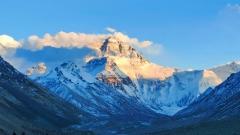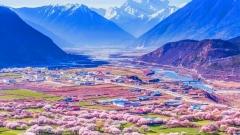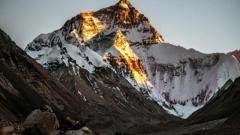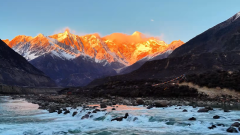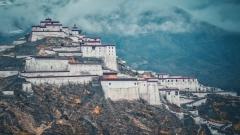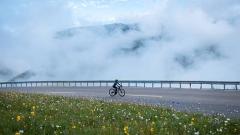

Traveling to Tibet by train is a unique way to unlock the region—unlike flying (which gets you there instantly), the 19-22 hour journey lets you acclimatize to high altitude gradually from the plains to the plateau, while bringing world-class scenery (Qinghai Lake, Hoh Xil, Tanggula Mountains) right to your window for a moving visual feast. For international travelers, the focus of a Tibet train trip isn’t just “how to get there”—it’s “how to experience it comfortably”—every detail, from train facilities and oxygen supply to viewing angles and dining car cuisine, holds exclusive “Sky Road” memories. This guide focuses on real on-train experiences, paired with practical booking and document tips, to turn your train journey into the most unforgettable part of your Tibet trip.
Tibet Railway Key Information Overview
| Railway Type | Key Details (Route, Duration & Fare) |
| Inbound Trunk Line | Qinghai-Tibet Railway (Xining→Lhasa), 19-22 hrs, Fare: $32 (Hard Seat) ~ $112 (Soft Sleeper) |
| Provincial Scenic Line | Lhasa-Nyingchi Railway (Lhasa→Nyingchi), 3.5-4 hrs, Fare: $18 (Second Class) ~ $65 (Business Class) |
| Provincial Commuter Line | Lhasa-Shigatse Railway (Lhasa→Shigatse), 2.5-3 hrs, Fare: $9 (Second Class) ~ $32 (Business Class) |
| Inter-regional Connecting Line | Mainland→Lhasa (with transfer), 33-54 hrs, Fare: $43 (Hard Seat) ~ $209 (Soft Sleeper) |
Core Tibet Railway Routes: 3 Must-Try Experience Lines Explained
For international travelers, Tibet’s railways offer more experience value than just transportation—each of the 3 core routes has unique scenery and comfort levels, so you can choose based on your trip goals:
Qinghai-Tibet Railway: Must-Visit “Sky Road” Trunk Line (Xining → Lhasa)
- Status: The world’s highest-altitude railway, known as the “train line closest to the sky”—top-rated Tibet inbound experience
- Main Trains: Z21 (Beijing → Lhasa), Z164 (Shanghai → Lhasa), Z322 (Chengdu → Lhasa), Z223 (Chongqing → Lhasa), plus Xining-departure Z323/Z8991
- Fare Reference (Xining → Lhasa section): Hard Seat $32, Hard Sleeper $71, Soft Sleeper $112; Mainland departure (Chengdu → Lhasa): Hard Seat $43, Hard Sleeper $89, Soft Sleeper $142
- Core Experience: Full-train oxygen supply from Golmud → Lhasa; soft sleeper compartments have independent oxygen ports; the route passes Qinghai Lake, Hoh Xil, and Tanggula Mountains—Tibetan antelopes are easy to spot 9-11 AM
- Ideal For: First-time Tibet travelers who want to deeply experience “Sky Road” scenery
Lhasa-Nyingchi Railway: Low-Altitude Relaxing Scenic Line (Lhasa → Nyingchi)
- Status: Tibet’s most beautiful provincial railway; altitude drops from 3,650m (Lhasa) to 2,900m (Nyingchi)—top choice for acclimatizing after arriving in Tibet
- Fare Reference: Second Class $18, First Class $29, Business Class $65 (20% off if booked 15 days early)
- Core Experience: Full Fuxing bullet train fleet; windows are 30% wider than standard trains; the route runs alongside the Yarlung Zangbo River—peach blossoms line both banks in spring
- Ideal For: Travelers with mild altitude sickness after arriving in Tibet, or those planning to visit Nyingchi/Yarlung Zangbo Grand Canyon
Lhasa-Shigatse Railway: Convenient Route to Everest Gateway (Lhasa → Shigatse)
- Status: Tibet’s first full-Fuxing line; reaches Shigatse in 2.5 hours—preliminary transport for Everest Base Camp
- Fare Reference: Second Class $9, First Class $15, Business Class $32 (30% off in low season)
- Core Experience: Max speed 160km/h (smooth, no turbulence); USB charging ports in cars; Shigatse Railway Station is only 5km from the city center—Everest shared car pick-up points are right outside the station
- Ideal For: Travelers planning to visit Shigatse/Everest Base Camp and prioritize efficient itineraries
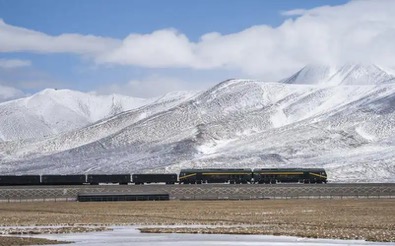
Tibet Train
Core Train Facilities: Plateau-Exclusive Comfort Tips
Inbound Tibet trains are designed specifically for high altitude—mastering these details will drastically boost your journey comfort:
Oxygen Supply System: Key to Altitude Sickness Prevention
- Operational Section: Diffused oxygen supply activates from Golmud → Lhasa (above 3,000m altitude); in-car oxygen concentration stays 21%-23% (similar to plains)
- Independent Oxygen Ports: Each soft sleeper/business class berth has an independent oxygen port (free to use—ask train attendants for a straw)
- Note: Smoking is strictly prohibited during oxygen supply; smoking triggers smoke alarms and disrupts oxygen for the entire car
Seat Selection: Pick the Right Berth for Your Needs
- Budget-First: Hard Sleeper Lower Berth ($32-$89) – close to the aisle, best viewing angle; ideal for solo or student travelers
- Comfort-First: Soft Sleeper ($89-$209) – 4-person private compartment with curtains, 60cm-wide beds (plenty of room to move); top choice for international travelers
- Short-Trip Relaxation: Business Class ($32-$65) – Lhasa-Nyingchi/Shigatse routes have leg rests and free drinks; you can lie flat for 3-4 hour trips
Practical Facilities: Small Details That Boost Experience
- Basic Facilities: 24-hour water heaters at car ends, charging ports (1 per soft sleeper berth, 2 per hard sleeper compartment), altitude display (real-time altitude alerts)
- Restrooms: Both seated and squat toilets; stocked with toilet paper and hand soap (kept clean); some cars have simple laundry sinks
- Other Thoughtful Designs: UV-protective wide windows (reduces direct sunlight), in-car temperature control (constant 20-22°C)
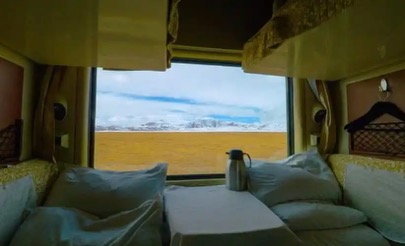
Tibet Train Interior
On-Train Dining & Scenery: A Moving Feast for Eyes & Taste Buds
Half the charm of a Tibet train trip lies in the scenery outside the window; the other half lies in the cuisine inside the car:
Dining Car & Cuisine: Tibetan Flavor Experience
- Dining Car Location: Usually Car 7; has 4-person tables and window-side single seats; $8.5-$14 per person
- Must-Try Dishes: Tibetan Yak Meat Rice Bowl ($9.5, served with highland barley rice), Butter Tea ($2 per pot), Highland Barley Cake ($1.1 per piece), Small Stone Pot Chicken ($17, shares well for 2)
- Budget Options: Mobile cart sells boxed meals ($2.8-$4.3, 2 meats + 1 veg), instant noodles ($2.1), mineral water ($0.4)
- Packing Tip: Bring energy bars, chocolate, and apples (long-lasting); avoid fasting or overeating to reduce stomach burden
Viewing Tips: Don’t Miss Any Scenery
- Best Seats: Qinghai-Tibet Railway (Xining → Lhasa) – left side for Qinghai Lake/Hoh Xil; right side for Cuona Lake/Yangbajing; Lhasa-Nyingchi Railway – right side for Yarlung Zangbo River views
- Golden Train: Z164 (Shanghai → Lhasa) – Xining → Lhasa section runs during the day: 7:00 for Qinghai Lake sunrise, 10:00 for Hoh Xil, 16:00 for Tanggula Mountains
- Photo Note: Train windows have UV-protective coating—get close to the glass to reduce glare; don’t make loud noise when spotting Tibetan antelopes (the train will slow down to let you take photos)
Tibet Train Booking Guide for International Travelers: Document & Process Tips
For international travelers, booking tickets and preparing documents are the core hurdles of a Tibet train trip—master these tips to avoid detours:
Required Documents: 3 Non-Negotiable Items
- Core Documents: Valid passport + Chinese Tourist Visa (L-type) + Tibet Travel Permit (only obtainable via authorized Tibet travel agencies; cannot apply independently)
- Special Notes: Hong Kong/Macau travelers don’t need a Tibet Travel Permit (use Mainland Travel Permit); Taiwan travelers need a dedicated Tibet Entry Approval Letter; diplomats need to apply separately via Tibet foreign affairs departments
- Tibet Travel Permit Use: Print a color A4 copy (no scaling); checked on trains, at hotels, and at attractions—prepare 2 copies
Booking Channels: 2 Top Options for International Travelers
- Travel Agency Booking (Recommended):
◦ Advantages: No Mainland China phone number needed; handles Tibet Travel Permit application simultaneously; prioritizes popular trains in peak season (June-Sept); provides Chinese-English confirmation slips
◦ Process: Provide passport + visa scans 35 days in advance; after payment, the agency collects tickets for you—pick up with your passport directly
- 12306 Official Website (Only for those with Mainland China phone numbers):
◦ Registration Requirement: Verify with a Mainland China phone number; enter name in all uppercase (no spaces, e.g., JOHN DOE)
◦ Ticket Pick-Up: Must collect at station ticket windows (not self-service machines) with your passport + printed Tibet Travel Permit
Key Booking Reminders
- Ticket Release Time: Tickets go on sale 30 days in advance; contact travel agencies 35 days early to lock tickets in peak season (soft sleeper tickets are most popular)
- Transfer Note: Mainland-departure trains require a transfer to oxygen-equipped trains in Xining; leave luggage in the original car and follow staff guidance
- Refund/Change Rules: No fee if refunded >8 days before departure; 5% fee 48-8 days before; 10% fee <48 hours before; 20% fee <24 hours before—confirm your itinerary before booking in peak season
Altitude Sickness Management on Train: Acclimatize Easily
Acclimatizing to high altitude on the train is simpler than in Lhasa city—just follow these 3 steps:
Pre-Trip Preparation: Lay the Groundwork
- Medication: Take Rhodiola 1 week in advance ($11-$19 per box; available at pharmacies in Mainland transfer cities)
- Physical Adjustment: Avoid colds and strenuous exercise before arriving in Tibet; maintain regular sleep
On-Trip Management: Relieve Discomfort Promptly
- Diet: Drink 1.5-2L of warm water daily; avoid alcohol and coffee; eat small, frequent meals to reduce stomach burden
- Symptom Handling: If you have a headache or chest tightness when passing Tanggula Mountains (5,231m altitude), use the independent oxygen port—symptoms will gradually ease
- Activity Tip: Don’t lie down for long periods; stand up and walk around occasionally to promote blood circulation
Essential Medications: Keep These Handy
- Core Medications: Gaoyuan’an ($7 per box, relieves headaches), Glucose Oral Liquid ($4-$7 per box), Ibuprofen ($3-$5 per box, pain relief)
- Note: Print English medication instructions for customs inspections
Pre-Trip Packing List: Targeted Packing & Document Organization
Focus packing on “plateau adaptation” and “convenience”—avoid unnecessary items:
Clothing Packing: Handle Temperature Fluctuations
- Core Clothing: Fleece jacket + windbreaker (20-22°C inside the train; may be below 0°C outside—large temperature difference)
- Comfort Accessories: Slippers (for soft sleeper travelers); UV-protective sunglasses, hat, scarf (strong sunlight outside the window)
Must-Bring Items: Boost Experience
- Electronics: Power bank (some car sockets may malfunction), camera + spare battery (plenty of scenic photo ops)
- Others: SPF50+ sunscreen, disinfecting wipes, small backpack (for personal items)
Documents & Cash: Ensure No Issues
- Documents: Original passport, Chinese Tourist Visa, 2 printed copies of Tibet Travel Permit, digital scans saved to cloud storage
- Cash: Bring $140-$215 in RMB (only cash is accepted on trains; credit cards are not supported)
Frequently Asked Questions: Common Queries for International Travelers
Q1: Can I buy Tibet train tickets without a Mainland China phone number?
A1: It’s very difficult! 12306 registration requires Mainland China phone verification—we recommend booking through a travel agency directly (only need to provide passport + visa scans).
Q2: Can I apply for a Tibet Travel Permit independently? Do I have to join a group?
A2: No independent applications! Tibet Travel Permits are only available via authorized Tibet travel agencies; international travelers must enter Tibet in a group (can be a private 1-person group) with a guide—free travel is not allowed.
Q3: Is the on-train oxygen supply enough for altitude sickness? Do I need to bring my own oxygen tank?
A3: Yes, it’s enough! The train’s diffused oxygen supply + independent ports maintain plain-level oxygen concentration; check railway transport rules before bringing your own tank—we recommend relying on the on-train supply.
Q4: Do I need to show my Tibet Travel Permit for provincial railways (e.g., Lhasa → Nyingchi)?
A4: Yes! The permit may be checked on inbound trains, provincial railways, at hotels, and at attractions—keep the printed copy with you at all times (don’t lose it).
Q5: Can I pay with a credit card in the dining car?
A5: No! Only RMB cash is accepted in the dining car and from mobile carts—prepare enough cash in advance.
Why Choose China Dragon Travel for Your Tibet Train Trip?
International travelers often worry about “language barriers + unfamiliar processes” when traveling Tibet by train—uncertainty about booking tickets, oxygen supply details, or scenery timing. China Dragon Travel offers exclusive services to solve these pain points: ① Books inbound/provincial train tickets (prioritizes popular trains like Z164 in peak season) and handles Tibet Travel Permit applications for free (no extra paperwork); ② 2-12 person international small groups with Chinese-English guides (covers station transfers, on-train altitude sickness guidance, and scenic spot commentary); ③ Customizes “train + attraction” itineraries (e.g., Qinghai-Tibet Railway + Nyingchi Peach Blossoms + Everest Route) with reasonable transfer and stay times; ④ Provides detailed experience guides (viewing times, seat selection, dining recommendations) to prepare you in advance—just sit back and enjoy the scenery on the train.
In 2026, try traveling to Tibet by train—when the train glides past Hoh Xil, Tibetan antelopes dart outside the window, and Tanggula Mountain snow peaks glow in the distance, you’ll understand: this slow journey is the most precious experience of your Tibet trip. To get a free customized quote (based on your home country), confirm visa/Tibet Travel Permit details, or check availability of popular trains, contact China Dragon Travel—our professional team will help you create a smooth, comfortable Tibet train journey.