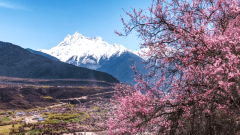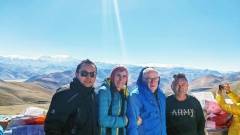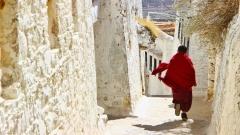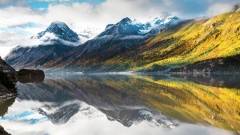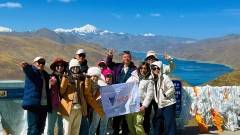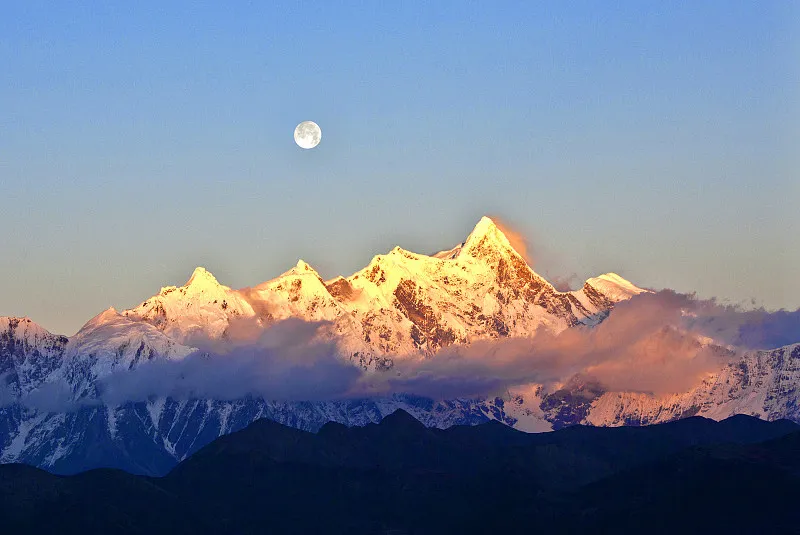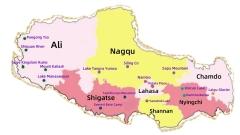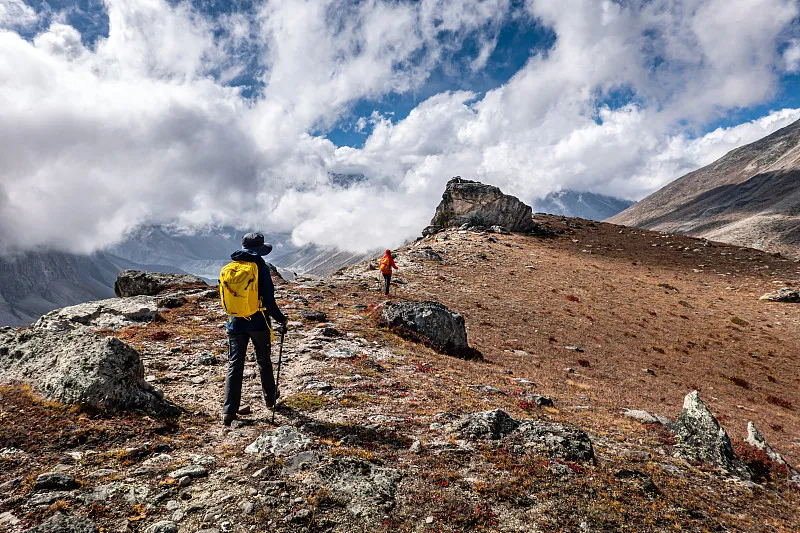

Mount Kailash in Tibet’s Ngari Prefecture, revered as the “Center of the World,” is a sacred mountain worshipped by Tibetan Buddhism, Bon, Hinduism, and other religions. This 6,656-meter snow-capped peak stands majestically with its unique pyramid shape, attracting countless pilgrims for the kora (circumambulation) each year. The 52-kilometer kora route reaches its highest point at Drolma La Pass (5,630 meters), presenting both physical and spiritual challenges. This area is not only a sacred religious site but also a treasure trove of natural landscapes, featuring diverse scenery including snow mountains, lakes, and grasslands along the way, making it an excellent travel choice for 2026.
Cost of The Entire Journey of Mount Kailash
1. Detailed Basic Kora Costs:Transportation is the Key Part
Transportation constitutes the most significant part of the costs for reaching Mount Kailash. From Lhasa to Darchen (starting point of the kora), there are two main transportation options:
- Chartered Vehicle: Costs between 4,000-6,000 RMB, suitable for 4 people sharing, averaging 1,000-1,500 RMB per person. This relatively comfortable option allows stops at scenic spots along the way for photography, though it’s more expensive. Long-distance buses are more economical at 400-600 RMB, but require 2-3 days travel time with lower comfort levels.
- Scenic Area Tickets and Permits: Mount Kailash scenic area ticket costs 150 RMB/person, essential for entering the kora area. Additionally, all visitors must obtain the Ngari Area Border Permit, with agency processing fees around 100-200 RMB.
- Kora Permit: 100 RMB/person.
These documents are indispensable and should be prepared in advance.
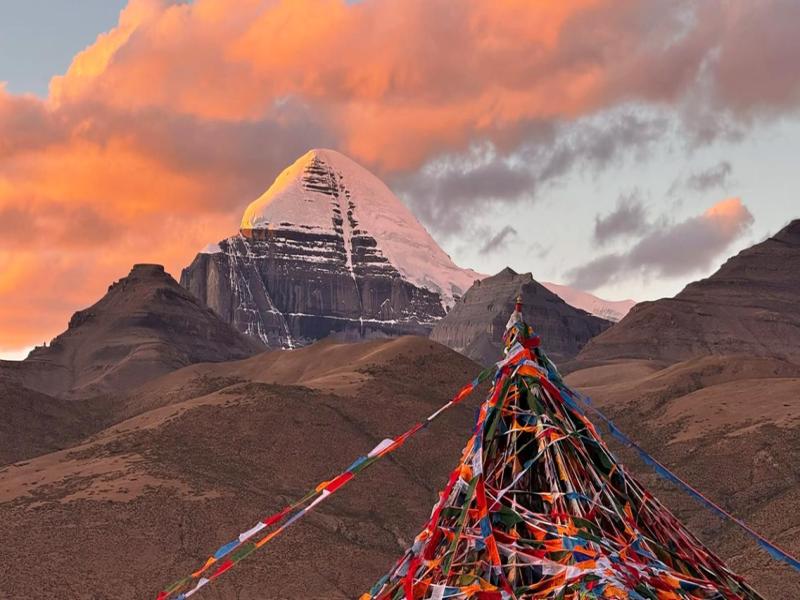
Mount Kailash under the sunset
2. Comprehensive Accommodation Costs Analysis
Accommodation is divided into two parts: pre-kora stays in Darchen and accommodation during the kora at Dirapuk Monastery.
- Darchen Accommodation Costs: As the kora starting point, accommodation conditions are relatively better. Budget options cost 80-150 RMB/bed, while comfortable standard rooms range 300-500 RMB/room.
- Dirapuk Monastery Costs (Day 1): Nomad-built tent camps cost 100-150 RMB/bed.
- Zutrul Puk Monastery Costs (Day 2): Guesthouse beds range 120-180 RMB.
Due to limited mountain accommodation conditions, bringing your own sleeping bag is recommended for both warmth and hygiene. Note that during peak season these accommodations often fill up, so advance booking through guides is advisable.
3. Food and Supply Costs
Careful planning is needed for food expenses during the kora:
- Darchen Restaurant Costs: Breakfast approximately 30-50 RMB, including congee, steamed buns, eggs. Lunch costs 40-60 RMB, mainly instant noodles and biscuits. Dinner costs 50-80 RMB, offering hot meals and stir-fried dishes.
- Energy Supply Costs: High-efficiency energy foods like chocolate and energy bars cost 20-40 RMB each, functional drinks like Red Bull cost 15-25 RMB/can.
- Thermos Hot Water Costs: 10-20 RMB per refill at each supply point.
These supplies can be crucial emergencies at the 5,600-meter Drolma La Pass. Due to significant physical exertion during the kora, carrying high-calorie snacks is recommended for emergencies, and appropriately increasing dinner budgets ensures adequate nutrition intake.
4. Guide and Porter Service Costs
Hiring guides is crucial for kora safety:
- Regular Guide Costs: 300-500 RMB/day, familiar with kora routes and providing basic guidance and assistance.
- Senior Guide Costs: 600-800 RMB/day, not only route-familiar but also experienced in emergency handling, speaking basic Chinese and Tibetan for better communication with local nomads. Hiring at least one guide for the entire journey is recommended.
- Porter Service Costs: Light-load porters charge 200-300 RMB/day, carrying up to 15kg luggage.
Note that porter costs usually include their food and accommodation, requiring additional calculation. When hiring porters, always sign contracts through formal travel agencies, clarifying service details and cost breakdowns. For larger groups, consider 2-3 people sharing one porter to split costs.
5. Equipment Purchase and Rental Costs
Kora equipment preparation should be based on personal circumstances. Essential equipment includes:
- Trekking Pole Costs: 50-100 RMB/pair/day
- Anti-slip Shoe Cover Costs: 30-50 RMB/day
- Crampon Costs: 80-120 RMB/set/day
- Down Jacket Rental: 100-150 RMB/day
- Rainproof Jacket: 80-120 RMB/day
- Oxygen Canister Costs: 100-150 RMB/can, recommend preparing at least one for emergencies.
This equipment is crucial during the kora, especially when crossing Drolma La Pass, where crampons and trekking poles provide essential safety assurance. Starting from Lhasa, renting this equipment locally is more cost-effective than renting in Darchen.
6. Other Necessary Expenses
Insurance is essential before the kora:
- Professional Plateau Travel Insurance: 50-100 RMB/day
- Emergency Rescue Insurance: 100-200 RMB
- Altitude Sickness Medication: 200-300 RMB
- First Aid Kit Preparation: Approximately 150-250 RMB
Although these insurances seem like additional expenses, they play key roles in emergencies. Additionally, preparing vitamin supplements helps body adapt to high-altitude environments. These medical preparations, while seemingly trivial, are essential during the kora.
7. Seasonal Price Variations
Kora costs vary significantly by season:
- Peak Season (May-October): All costs increase 20%-30%, with accommodation costs rising to 500-800 RMB/room.
- Off-season (November-April): Porter costs increase 50%.
The best kora times are May-June and September-October, when climate is suitable and costs relatively reasonable.
Budget Planning Suggestions for Kailash Kora Itinerary
A complete Mount Kailash kora journey recommends preparing 5,000-8,000 RMB budget. Budget kora can be controlled around 5,000 RMB, requiring long-distance buses, shared accommodation, and self-prepared food. Comfortable kora needs about 8,000 RMB, enjoying chartered vehicles, standard room accommodation, and guide services.
Recommend reserving 20% emergency funds when budgeting, as various unexpected situations may occur during the kora. Additionally, prepare sufficient cash, as most places along the kora don’t accept electronic payments.
Finally, recommend arranging kora matters through travel agencies like China Dragon Travel for more reliable guarantees and services.
15-Day Mount Kailash Pilgrimage Tour: Ngari, Lake Manasarovar, Lhasa, E.B.C. & More 1940 USD/Pax
Practical Money-saving Tips for Kailash Kora Itinerary
Some money-saving techniques exist for the kora. First, purchasing sufficient dry food and supplies in Lhasa is 30%-50% cheaper than buying in Darchen. Second, traveling companions not only share chartered vehicle and guide costs but also provide mutual support. Joining group kora is also a good option, as some travel agencies organize group koras cheaper than hiring guides individually.
Reasonable kora timing also saves costs. Avoid weekends and holidays when more tourists increase service prices. If time permits, choose early month koras when service prices are relatively lower. Additionally, advance bookings are important, as online bookings often offer better prices than on-site bookings.
In conclusion, Mount Kailash kora is a rare experience where reasonable budget planning makes this pilgrimage more fulfilling. Recommend making full preparations before departure, considering both economy and ensuring safety and comfort, making this kora an unforgettable life memory.