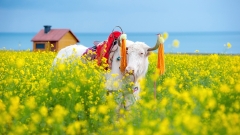

Planning a first trip to Chengdu can feel overwhelming – not because there is too little to see, but because there are too many options. From visiting giant pandas and exploring historic streets to taking day trips to Dujiangyan and Qingcheng Mountain, it is not always obvious what should come first. Without a clear structure, travelers often spend more time researching than actually building a workable itinerary. A better approach is to focus on a few key highlights that represent the city: wildlife, culture, local life and nearby heritage sites. Once these are prioritized, the rest of the trip becomes much easier to organize.
Chengdu Research Base of Giant Panda Breeding: Visit Early to See the Giant Pandas
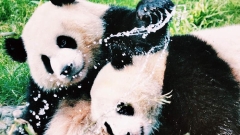
Chengdu Research Base of Giant Panda Breeding is the most convenient place worldwide to watch giant pandas with the largest concentrated population. Visitors can observe giant pandas moving, climbing, eating bamboo and resting in the outdoor areas at close range.
- Opening Hours: Opens at 7:30 a.m. during peak seasons. Giant pandas are most active from 8:00 a.m. to 10:00 a.m., so visitors are advised to enter right after opening. Most pandas fall asleep after 11 a.m.
- Ticket Price: 55 CNY for adults, 27 CNY half-price for students. Real-name online reservation is required, and entry is by swiping ID card. Seniors over 60 years old and children under 6 years old enter free without reservation.
- Internal Transportation: The base covers over 1,000 mu, equivalent to more than 90 football fields. The sightseeing bus costs 30 CNY per person, but walking is more comfortable when there are few visitors in the morning.
Sun Delivery Room and Moon Delivery Room are must-see areas, where visitors may see unsteady giant panda cubs. There is a panda post office in the base where you can mail postcards.
Transportation: Take Metro Line 3 to Panda Avenue Station, then transfer to the scenic shuttle bus. You can also take a direct scenic through train from Kuanzhai Alleys, Chunxi Road and other locations.
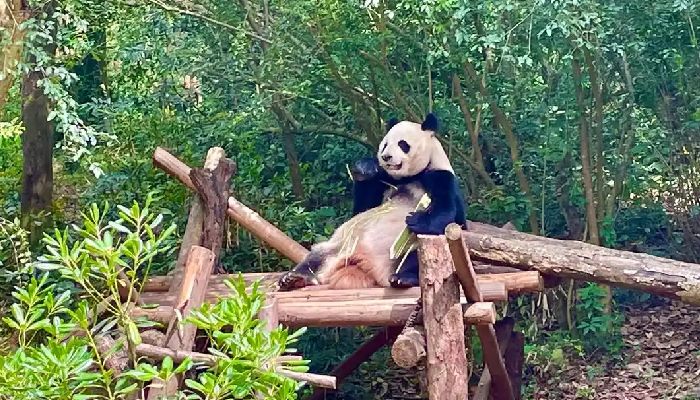
Chengdu Research Base of Giant Panda Breeding
Kuanzhai Alleys: A City Icon Renovated from Qing Dynasty Old Alleys
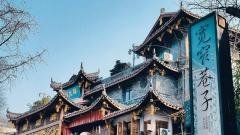
Kuanzhai Alleys consist of three parallel streets: Wide Alley, Narrow Alley and Well Alley. It is a well-preserved group of ancient Qing Dynasty streets in Chengdu. Wide Alley shows the courtyard style of old Chengdu, Narrow Alley leans towards a petty bourgeois and artistic style, and Well Alley is relatively quiet with a brick wall displaying Chengdu’s history.
Ticket: Free, open all day.
Dining Tips
Snacks in the alleys are overpriced and may not be authentic. For genuine and affordable food, walk a few hundred meters to nearby Kuixinglou Street or Jixiang Street, popular food gathering places for locals, selling egg cakes, ice jelly, skewers and more.
The best time to visit is in the evening. You can visit the buildings and shops in the daytime, and the bluestone roads with warm lantern light are perfect for photography after dark. If you want to experience ear picking, confirm the price with the technician in advance. Order a bowl of covered tea, sit quietly and watch the passers-by, a typical Chengdu leisure experience.
Transportation: Get off at Kuanzhai Alleys Station of Metro Line 4, Exit B.
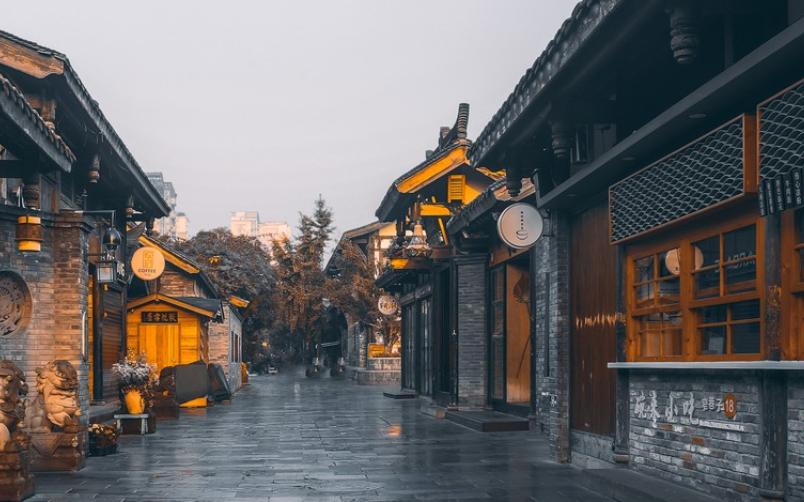
Kuanzhai Alleys
Jinli Ancient Street: Three Kingdoms Folk Style with a Street Full of Snacks
Adjacent to Wuhou Shrine, Jinli Ancient Street is a 500-meter-long ancient commercial street. Themed on Three Kingdoms folk customs and Western Sichuan traditional culture, it features traditional crafts such as sugar painting, sugar figurine blowing and paper cutting, with snack stalls lining the street.
- Ticket: Free. The experience is better at night when red lanterns are lit, creating a strong atmosphere ideal for photography.
- Itinerary Combination: Visit Wuhou Shrine in the daytime and Jinli Ancient Street for dinner in the evening.
- Food Recommendations: Try Three Cannon Snacks, rabbit heads, sugar-fried dough sticks and boboji. Jinli is one of the most crowded areas in Chengdu, possibly congested on weekends and at night, so avoid peak hours if possible.
Transportation: Walk from Wuhou Shrine. You can also take Metro Line 3 or 5 to Gaoshengqiao Station and walk for about ten minutes.
Wuhou Shrine: The Only Temple for a Monarch and His Minister in China
Wuhou Shrine is a temple commemorating Zhuge Liang, the Prime Minister of Shu Han during the Three Kingdoms Period, named after Zhuge Liang’s title “Marquis of Wu”. It is the only temple in China where a monarch and his minister are worshipped together, honoring both Zhuge Liang and Liu Bei. The most photogenic spot in the shrine is the Red Wall Corridor, lined with bamboo on both sides, creating interlaced light and shadow.
- Ticket: 50 CNY, recommended visiting time 1.5 to 2 hours.
- Guided Service: Renting an audio guide or joining a guided tour is recommended. There are many allusions in Wuhou Shrine, and you may miss details if visiting on your own.
- Photography Tips: Spend more time taking photos at the Red Wall Corridor; no filter is needed with good light.
Transportation: Walk from Gaoshengqiao Station of Metro Line 3, or take a bus to Wuhou Shrine Station.
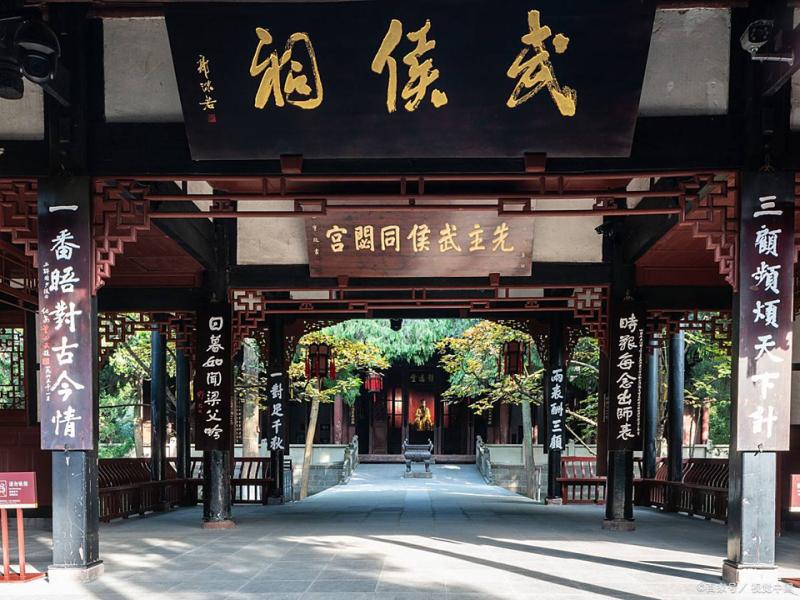
Chengdu Wuhou Shrine
Du Fu Thatched Cottage: A Quiet Garden Where the Poet Sage Lived for Four Years
Du Fu lived in Chengdu for nearly four years to escape the Anshi Rebellion and wrote more than 200 poems here. The current Du Fu Thatched Cottage is a rebuilt and expanded garden scenic spot on the original site, including thatched cottages, ponds, bamboo forests and many stone tablets.
- Ticket: 50 CNY, 25 CNY half-price for students. Free for seniors over 65 years old.
- Visiting Time: Recommended 2 to 3 hours.The cottage has a quiet environment, suitable for visitors who love literature and gardens. It may feel plain for just check-in photos, but you will find its healing effect after sitting quietly.
- Highlights: The “Thousand Poems of Du Fu Stone Tablets”carve Du Fu’s poems on stones; you can look for familiar poems along the way.
Transportation: Take Metro Line 4 to Caotang North Road Station, Exit B, and walk for about ten minutes. Buses No. 19, 35, 58 and 82 also reach here.
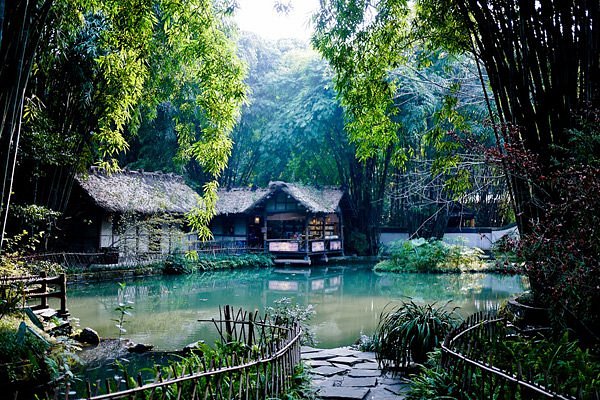
Du Fu Thatched Cottage
Dujiangyan Irrigation System: A 2,000-Year-Old Dam-Free Water Diversion Project
Built in 256 BC, Dujiangyan is the oldest, only surviving and still-in-use dam-free water diversion project in the world. After more than 2,000 years, the system still irrigates farmland in the Chengdu Plain. Standing in front of the Fish Mouth and watching the Minjiang River being accurately diverted, you can appreciate the engineering skills of ancient people.
Ticket: 80 CNY, recommended to set aside 3 to 4 hours.
Transportation Key
Take an intercity train from Xipu Station to Lidui Park Station, which takes about 20 minutes and costs 10 CNY. Walk for five minutes after getting off to reach the scenic entrance. Do not take the train to Dujiangyan Station, which is far from the scenic area and costs extra time and transportation fees.
Visiting Route
Enter from Lidui Park – Fulong Temple – Bottle Neck – Feisha Weir – Fish Mouth – Anlan Suspension Bridge – Erwang Temple – Climb Qinyan Tower or Yulei Mountain for a panoramic view. The aerial view clearly shows the Fish Mouth dividing the Minjiang River into inner and outer streams.
Dujiangyan is close to Mount Qingcheng, with buses running between the two scenic spots.
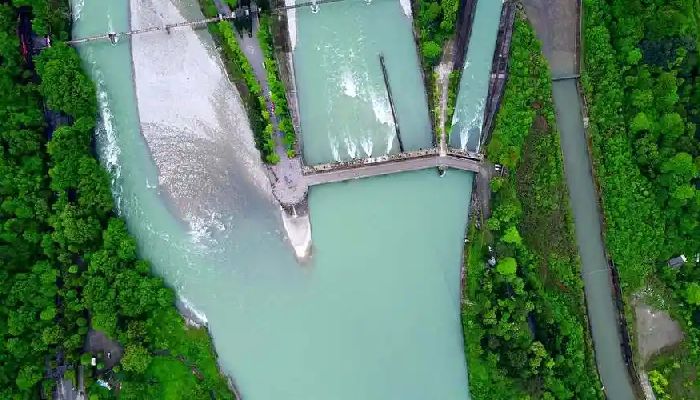
Dujiangyan
Mount Qingcheng: Taoist Temples on the Front Mountain, Waterfalls on the Back Mountain
Located near Dujiangyan, Mount Qingcheng is a popular weekend leisure spot for Chengdu residents. The mountain is divided into two different routes: the front mountain and the back mountain, which often confuses first-time visitors.
Front Mountain (80 CNY)
Themed on Taoist culture, with buildings such as Jianfu Palace, Tianshi Cave, Shangqing Palace and Laojun Pavilion, suitable for visitors interested in religious architecture and culture.
Back Mountain (20 CNY)
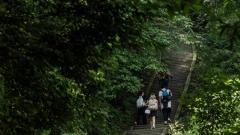
Themed on natural scenery, full of streams, waterfalls and forest trails, suitable for visitors who love hiking and natural landscapes.
Transportation
Take an intercity train from Xipu Station to Qingchengshan Station, then transfer to a shuttle bus to the mountain gate. The front and back mountains are about 20 kilometers apart; visitors with limited physical strength are not recommended to visit both on the same day.
Cableway
35 CNY one-way, 60 CNY round-trip. Visitors who do not want to hike can take the cableway to the top.
Equipment
Wear non-slip shoes suitable for walking and bring enough drinking water. The mountain road has slippery stone steps. The temperature in the mountain is 5 to 10 degrees Celsius lower than in the urban area.
Choice for Limited Time: Choose the front mountain to experience the cultural atmosphere of “Seeking Tao on Mount Qingcheng”; choose the back mountain to breathe fresh air and enjoy scenery purely.
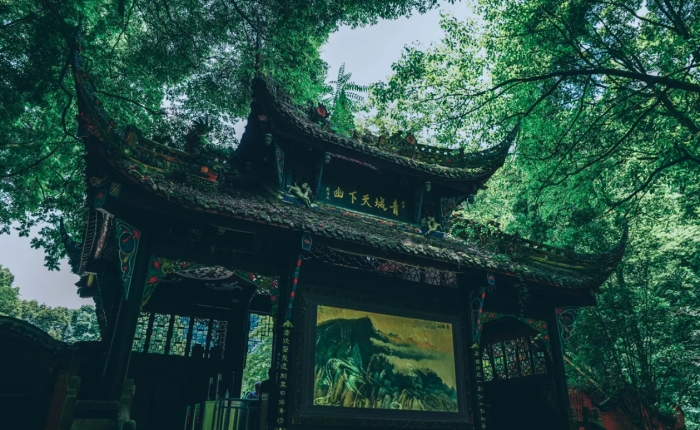
Mount Qingcheng
Wenshu Monastery: A Thousand-Year-Old Temple with a Food Street Right Outside
Founded in the Sui Dynasty, Wenshu Monastery is one of the largest and oldest Buddhist temples in downtown Chengdu. It is free of charge and offers a quiet place in the city. Traffic noise from outside fades noticeably after entering the main gate.
Ticket: Free, recommended visiting time over 1 hour.
Food Street
Wenshu Monastery Street outside the temple sells vegetarian food, pastries and snacks. “Dongzikou Zhang Lao’er Cold Noodles”and “Palace Pastry Shop”are popular local shops with long queues. The cold noodles have a distinctive flavor, and egg yolk pastries and layered pastries are ideal souvenirs.
Visiting Etiquette
Keep quiet when entering the temple. Walking or sitting quietly in the courtyard to feel the incense is a relaxing experience.
Transportation: Take Metro Line 1 to Wenshu Monastery Station, Exit K, and walk about 400 meters. Some venues may have adjusted opening hours on Mondays; confirm the situation before departure.
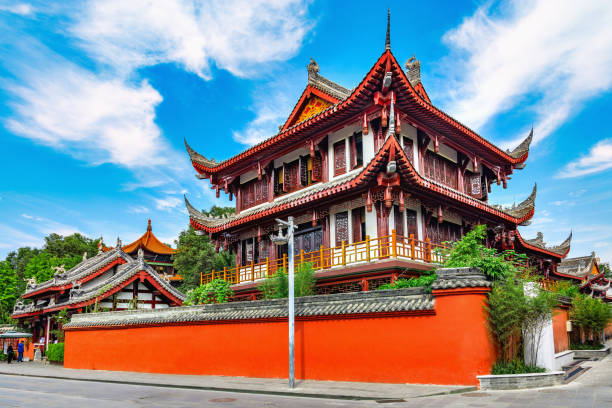
Wenshu Temple
Jinsha Site Museum: Where the Sun Bird Gold Ornament Was Unearthed
Jinsha Site is an important archaeological discovery of the ancient Shu civilization. More than 6,000 cultural relics including gold, jade, bronze and ivory have been unearthed here. The core relic is the “Sun Bird”gold ornament, which has become one of the city symbols of Chengdu, China. The museum is built on the archaeological site, allowing visitors to walk into the excavation site and see the 3,000-year-old sacrificial traces.
- Ticket: 70 CNY.
- Visiting Time: At least 2 to 3 hours. The museum has two parts: the Relic Hall and the Exhibition Hall. You must see the Sun Bird gold ornament in person for its translucent effect under the lights.
- Guide: Renting an audio guide is recommended, otherwise many fine relics may be overlooked.
- Closing Day: Closed every Monday. Extended opening hours are usually arranged during golden weeks and winter/summer vacations.
Transportation: Get off at Jinsha Site Museum Station of Metro Line 7, Exit C.
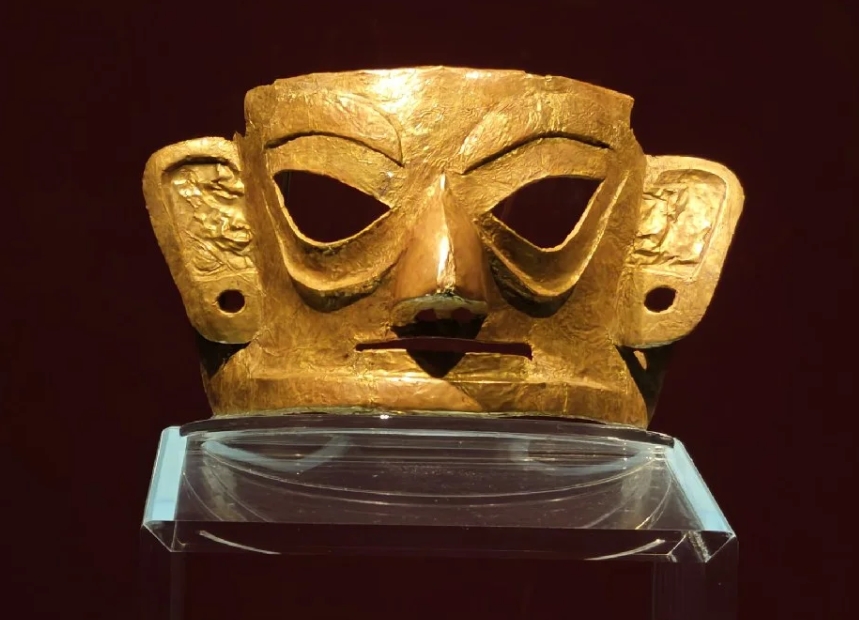
Jinsha Site Museum
People’s Park and Heming Tea House: The Real Scene of Slow Life in Chengdu
People’s Park is a public space that best represents the daily life of Chengdu residents. It is not a tourist attraction but an ordinary place where locals walk, play chess, dance and chat every day. Heming Tea House in the park has a history of over 100 years and is one of the oldest open-air tea houses in Chengdu.
Ticket
People’s Park is free and open all day. A bowl of covered tea at Heming Tea House costs more than ten CNY, with free hot water refills and unlimited sitting time.
Best Time
Most lively in the afternoon when sunlight shines into the yard. Sitting on a bamboo chair and watching people play cards, drink tea and chat around you is the authentic Chengdu life.
Other Activities
Boating is available in the park, and the Monument to the Martyrs of the Railway Protection Movement in 1911 is open for visiting. If you want to experience ear picking, find a fixed stall technician and confirm the price in advance.
Transportation: Get off at People’s Park Station of Metro Line 2.
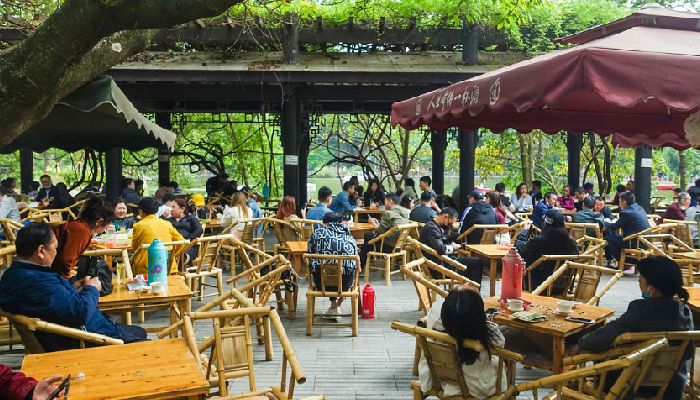
Gaiwan Tea in Chengdu People’s Park
Practical Tips for Your Chengdu Trip
The total cost of tickets for the above ten attractions is as follows: Chengdu Research Base of Giant Panda Breeding 55 CNY, Wuhou Shrine 50 CNY, Du Fu Thatched Cottage 50 CNY, Dujiangyan Irrigation System 80 CNY, Mount Qingcheng Front Mountain 80 CNY, Jinsha Site Museum 70 CNY; Kuanzhai Alleys, Jinli Ancient Street, Wenshu Monastery and People’s Park are free. The total is about 385 CNY.
Urban Transportation
The most economical way to travel is by metro. Chengdu Metro covers all the above main attractions. You can also take the metro directly to the city center from Shuangliu International Airport or Tianfu International Airport.
Reservation Tips
Popular scenic spots such as Chengdu Research Base of Giant Panda Breeding and Jinsha Site Museum require real-name online reservation. Carry your ID card with you after purchasing tickets for inspection.
Crowd Tips
Crowds are heavy in areas such as Jinli Ancient Street and Kuanzhai Alleys, possibly congested on weekend evenings; plan your time in advance.
Agency Option
If you do not want to check opening hours, reserve tickets and compare transportation schedules by yourself, you can entrust China Dragon Travel to arrange your trip. The agency is familiar with the travel routes of Chengdu attractions and can handle flight delays or temporary itinerary changes.
We hope this list helps you plan your trip efficiently in Chengdu and avoid missing important attractions. The value of traveling in Chengdu often lies in orderly route planning and full on-site experience.