

Sichuan cuisine is a key representative of Chinese food. Many people think it only features spiciness, yet authentic Sichuan cuisine follows “one dish, one style; a hundred dishes, a hundred flavors” with 24 basic flavor types. Traveling in Sichuan, hot pot alone cannot fully show you the local food culture. Chefs from street stalls to time-honored restaurants interpret dishes differently. These 10 must-try street-restaurant dishes are essential to understanding Sichuan cuisine. This article details them with ordering tips, price references and authentic ways to eat, helping you have a better dining experience and avoid common mistakes in Sichuan.
Mapo Tofu: A Spicy and Numb Classic among the 10 Must-Try Sichuan Cuisine
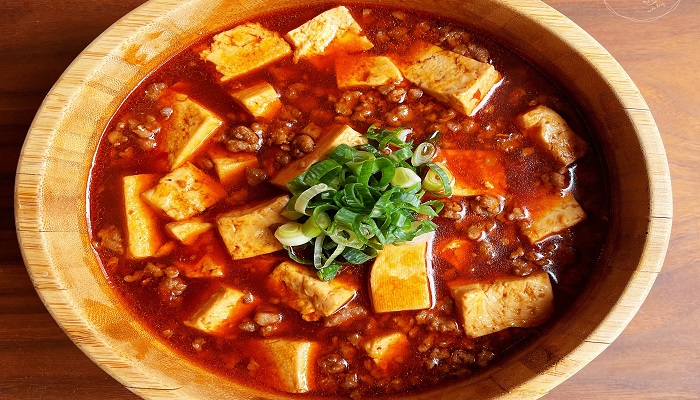
Mapo Tofu is definitely one of the most famous among the 10 must-try Sichuan cuisine. It was first created in the first year of the Tongzhi reign of the Qing Dynasty at Chen Xingsheng Restaurant near Wanfu Bridge in Chengdu, named after the owner Mrs. Chen who had a slightly pockmarked face. Authentic Mapo Tofu features eight characteristics: numbing, spicy, hot, fragrant, crispy, tender, fresh and lively.
Practical Suggestions:
- Authentic recipe uses minced beef instead of minced pork. The flagship store of Chen’s Mapo Tofu (No. 10 Qinghua Road, Chengdu) still follows the century-old method.
- A portion costs about CNY 15-25 in ordinary restaurants, and 20%-30% more near scenic spots.
- Hanyuan prickly ash is three times as numbing as ordinary prickly ash. You can ask for “less prickly ash”if you fear numbness.
- The most authentic way to eat is to spoon a portion of tofu over rice and mix well.
For those who cannot eat much spicy food, you can ask the restaurant about the spiciness level for the first try. Most time-honored restaurants serve medium spicy by default. Mapo Tofu mixed with rice makes every grain coated with spicy and numbing sauce, which is extremely delicious.
Mapo Tofu
Twice-Cooked Pork: A Homestyle Representative among the 10 Must-Try Sichuan Cuisine
There is a saying in Sichuan: “If you don’t eat twice-cooked pork in Sichuan, you haven’t truly traveled Sichuan.”Twice-Cooked Pork is known as “the No.1 dish of Sichuan cuisine”. Many locals judge whether a Sichuan restaurant is authentic by ordering a portion of twice-cooked pork. “Twice-cooked”means the pork is boiled first and then stir-fried again.
Practical Suggestions:
- Authentic twice-cooked pork uses erdao pork (the part near the tail of the pig’s hind leg), not streaky pork. The pork slices will naturally curl into “lamp nest shapes”after stir-frying, which is a sign of authenticity.
- The usual side dish is garlic sprouts, not green onions. If the menu lists green peppers or onions, it is a modified version.
- The dish costs about CNY 30-45.
- Twice-cooked pork goes well with plain rice; one person can finish two bowls of rice with it.
You don’t have to queue in scenic spots. There are “fly restaurants”with locals queuing downstairs of almost every residential community in Chengdu, where the twice-cooked pork is often more authentic than that in internet-famous restaurants.
Kung Pao Chicken: A Sweet, Sour and Mildly Spicy Dish among the 10 Must-Try Sichuan Cuisine
Kung Pao Chicken is one of the most well-known dishes among the 10 must-try Sichuan cuisine. Authentic Sichuan-style Kung Pao Chicken features a “spicy crispy lychee flavor”, that is, the burnt aroma of prickly ash and dried chili peppers combined with a slight sour and sweet taste, with rich flavor layers.
Practical Suggestions:
- Chicken thigh meat is much more delicious than breast meat, more tender and chewy.
- Only green onion segments and peanuts are used as side dishes, no cucumber dices or carrot dices.
- The dish costs about CNY 35-50.
- Eat it with a small spoon: two chicken dices, one green onion dice and one peanut together in your mouth to enjoy the perfect collision of sweet, sour, burnt and spicy flavors.
Boiled Fish: A Spicy Grand Dish among the 10 Must-Try Sichuan Cuisine
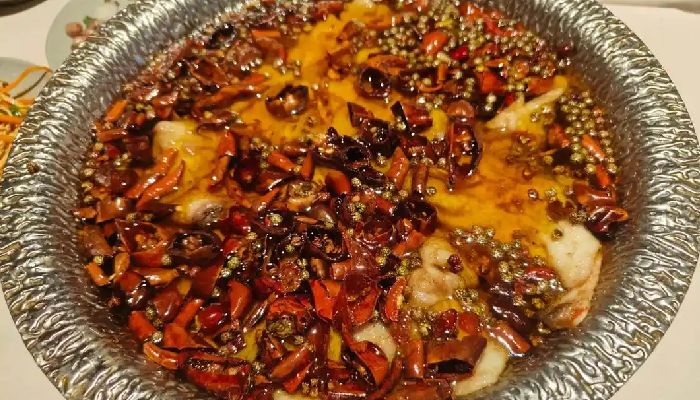
Boiled Fish originated in Jiangjin, Chongqing. It was first eaten by boatmen who cooked freshly caught river fish with chili peppers. “Boiled”does not mean cooking in water, but using high soup as the base and pouring hot oil at last to bring out the spicy, numbing and fresh aroma.
Practical Suggestions:
- Fish selection: black carp is tender with few bones (slightly more expensive); grass carp is cheap but has many bones; sea bass is suitable for families with children.
- One portion of boiled fish is enough for two to three people; four to five people can order two or three side dishes additionally.
- The dish costs about CNY 60-90.
- Spiciness is adjustable; you can order “mild spicy / medium spicy / extra spicy”.
- Eating order: eat fish slices first, then mix the soup with rice; iced sour plum soup is the best to relieve spiciness.
For those who cannot eat much spicy food, it is recommended to choose black carp with mild spicy. Authentic boiled fish uses three types of chili peppers: Pixian broad bean chili paste (base aroma), erjingtiao chili peppers (coloring), and new-generation dried chili peppers (spiciness enhancement).
Boiled Fish
Fuqi Feipian: A Classic Cold Dish among the 10 Must-Try Sichuan Cuisine
Fuqi Feipian is the only cold dish among the 10 must-try Sichuan cuisine. It has nothing to do with “lungs”, but uses beef offal such as ox scalp, ox heart, ox tongue, ox tripe and beef, which are sliced after marinating and mixed with red chili oil and prickly ash powder. In 2017, it was selected as “Appetizer of the Year”by GQ Magazine USA.
Practical Suggestions:
- The most delicious parts are usually ox tongue (chewy) and ox scalp (gelatinous texture).
- Authentic red chili oil features “numbing but not dull, spicy but not dry”, using Hanyuan prickly ash.
- The dish costs about CNY 30-50, enough for 2-3 people as a cold dish.
- Mix well before eating as the red oil sinks to the bottom.
- Not recommended for people who do not eat spicy food at all or children.
Locals in Chengdu often pair it with a bowl of rice, pouring the red oil over the rice and mixing. It goes well with ice jelly or sour plum soup, creating a pleasant contrast between spiciness and sweetness.
Yuxiang Shredded Pork: A Representative of Yuxiang Flavor among the 10 Must-Try Sichuan Cuisine
This dish has “fish”in its name but contains no fish at all. “Yuxiang”is a unique composite flavor of Sichuan cuisine, made by mixing pickled chili peppers, ginger, garlic, green onions, sugar and vinegar to create a fish-cooking-like flavor, moderately sweet and sour, salty, fresh and mildly spicy.
Practical Suggestions:
- Use pork tenderloin, shredded into thin strips, tender and not dry.
- Pickled erjingtiao chili peppers are the key to “yuxiang”flavor. If it is overly sweet or sour with almost no pickled chili aroma, it is a sweet and sour version instead of yuxiang flavor.
- Classic side dishes: shredded black fungus, shredded carrot, shredded green asparagus lettuce.
- The dish costs about CNY 28-40, a perfect rice companion.
- Mildly spicy, the safest choice for people who can eat a little spicy food.
Yuxiang shredded pork goes well with plain rice; a few bites of shredded pork with a bowl of rice taste perfect. The reference seasoning ratio is sugar to vinegar about 3:2.
Kou Shui Chicken: A Spicy Cold Dish among the 10 Must-Try Sichuan Cuisine
Kou Shui Chicken is a classic Sichuan cold dish, named after diners’ salivation at the sight of it. Tender chicken is boiled and cut into pieces, then poured with sauce mixed with red chili oil, prickly ash, sesame seeds and crushed peanuts. The chicken is smooth and tender, with strong spicy and numbing aroma.
Practical Suggestions:
- Authentic Kou Shui Chicken uses sanhuang chicken or free-range chicken for more tender meat. The chicken skin should be crispy and elastic, and the chicken should absorb the aroma of red chili oil.
- The sauce is the key: mix red chili oil, prickly ash oil, light soy sauce, vinegar, mashed garlic, minced ginger, sugar and sesame paste, pour over the chicken pieces, and sprinkle with crushed peanuts and chopped green onions.
- The dish costs about CNY 35-50, enough for 2-3 people as a cold dish.
- Let it soak for a few minutes after serving to allow the chicken to fully absorb the sauce flavor.
- Medium spicy, spicier than Fuqi Feipian but milder than Maoxuewang.
Many local Sichuan restaurants sell Kou Shui Chicken by whole or half chicken. Tourists can order by portion for convenience. It pairs well with rice or ice jelly, balancing the spiciness with the mildness of rice.
Maoxuewang: A Rich Spicy Dish among the 10 Must-Try Sichuan Cuisine
Maoxuewang originated in Chongqing and is a representative of Jianghu cuisine. “Mao”means rough and bold in Sichuan dialect, and “xuewang”refers to duck blood curd.
Practical Suggestions:
- Duck blood curd must be tender and elastic fresh duck blood, not blood curd with the texture of old tofu.
- Usual ingredients: duck blood curd, beef tripe, pork aorta, canned lunch meat, bean sprouts; duck blood curd and beef tripe are essential.
- The dish costs about CNY 50-80, large in portion, enough for 3-4 people as a main dish.
- Spicier than boiled fish, the strongest level in spicy and numbing flavors.
- Pair with ice jelly or extra rice if you dislike strong spiciness.
Maoxuewang in well-reputed local time-honored restaurants in Chengdu (such as Taolin Restaurant Taikoo Li Branch) is quite authentic. Many diners say it is obviously spicy but still irresistible.
Spicy Diced Chicken: A Dry and Fragrant Spicy Dish among the 10 Must-Try Sichuan Cuisine
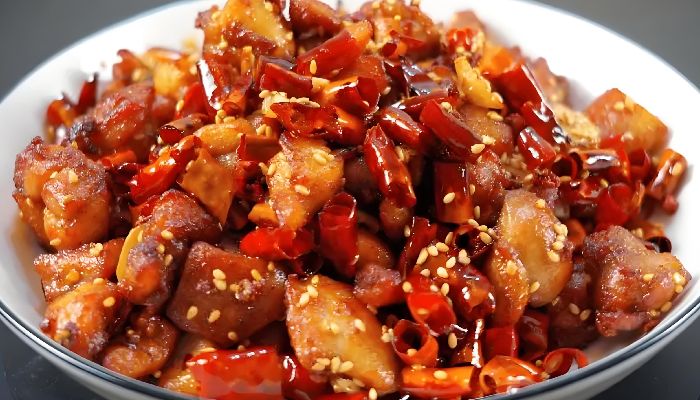
Spicy Diced Chicken is a signature dish of Gele Mountain in Chongqing. Chicken is cut into small dices, fried until crispy outside and tender inside, then stir-fried with a large amount of dried chili peppers and prickly ash.
Practical Suggestions:
- The amount of dried chili peppers and prickly ash in authentic spicy diced chicken should be half or even more than that of chicken, not just for decoration.
- The dish costs about CNY 40-60.
- Eating method: pick out chicken dices from chili peppers; the chicken is crispy outside and tender inside.
- This dish is dry and fragrant, suitable to pair with beer or carbonated drinks.
Spicy diced chicken in scenic spots often uses dried chili peppers only as decoration, with undercooked chicken and insufficient flavor. It is recommended to choose restaurants with good reviews from locals. If you have a chance to visit Chongqing, you can go to Gele Mountain to taste the original dish.
Spicy Diced Chicken
Dandan Noodles: A Representative Noodle Dish among the 10 Must-Try Sichuan Cuisine
Dandan Noodles is the only noodle dish among the 10 must-try Sichuan cuisine. It was first sold on the streets of Chengdu by vendors carrying shoulder poles: one end with a stove and cookware, the other with noodles and seasonings, selling while walking.
Practical Suggestions:
- Handmade alkaline noodles with chewy texture. The topping is stir-fried minced pork, paired with Yibin sprout, crushed peanuts, red chili oil and prickly ash powder.
- The most authentic way to eat is “ganliu”(no soup), so that every noodle is evenly coated with sauce.
- A bowl costs about CNY 10-15.
- Mix well immediately after serving and eat while hot; the noodles will clump if left for too long.
- Mildly spicy, suitable for people who cannot eat much spicy food.
It is not recommended to order Dandan Noodles in large comprehensive restaurants, as the taste is usually average. It is recommended to go to small restaurants specializing in noodles, which have simple environments but closer to local flavors.
Practical Tips for Ordering Sichuan Cuisine
How to Adjust Spiciness
For customers who cannot eat much spicy food, you can tell the waiter “mild spicy”or “less spicy”when ordering, and most restaurants can adjust it. For the first taste of Sichuan cuisine, it is recommended to start with dishes with low spiciness such as yuxiang shredded pork and Dandan noodles, then gradually try Mapo Tofu and twice-cooked pork, and finally eat spicy diced chicken or Maoxuewang.
Dish Matching Suggestions
It is not recommended to order all spicy dishes. Match one or two non-spicy dishes according to the number of diners, for example, order a portion of boiled fish or spicy diced chicken, with a portion of stir-fried seasonal vegetables or tomato and egg soup.
Rice and Budget Reference
Many Sichuan restaurants offer unlimited rice for CNY 2-3 per person. The per capita consumption in ordinary Sichuan restaurants is about CNY 60-100, and the price in scenic spots is about 20%-30% higher. It is usually more delicious and affordable to go to small restaurants in old streets and alleys where local residents often go.
Savor the Flavors of Sichuan Cuisine and Plan Your Sichuan Culinary Journey
If you use these 10 must-try dishes as your baseline and order them the way locals do, you’ll start to see the bigger picture—Sichuan cuisine isn’t just spicy, it’s structured, layered, and intentional.
And if you’d rather not figure it out dish by dish, working with a local specialist like China Dragon Travel can help you connect the food experience and trip with your itinerary—so you spend less time guessing, and more time actually enjoying what matters.