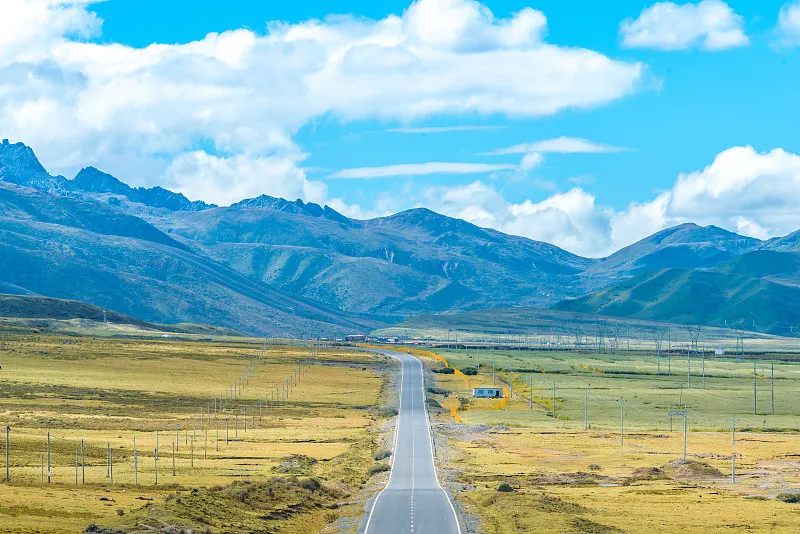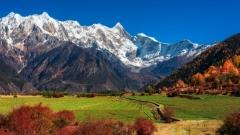

When planning a trip to Tibet, many people feel both excited and uncertain, as the geographical environment and travel process here are different from many places. High altitude, special document requirements, and unique cultural customs are all things that must be clarified before the trip. This article will directly tell you everything you need to prepare for—from how to get there, how to adapt to the plateau, to the local rules you should follow, and roughly how much it will cost. After reading, you will have a clear and practical plan for your Tibet trip.
Experience of Entering Tibet via the Qinghai-Tibet Railway
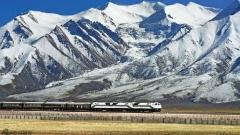
Traveling to Tibet by the Qinghai-Tibet Railway is widely regarded as a classic and ceremonial experience. As the highest-altitude railway line in the world, it is not only a means of transportation but also a mobile “landscape museum.” Departing from Xining, the train will slowly climb over about 21 to 23 hours, passing through Gobi deserts, grasslands, snow-capped mountains, and permafrost. The diffused oxygen supply design throughout the carriage can effectively help passengers smoothly adapt to the gradually rising altitude and reduce discomfort. Its irreplaceable charm lies in the scenes outside the window—you may see Tibetan antelopes running in Hoh Xil, the silent Cuona Lake reflecting the blue sky, and the majestic figures of the Kunlun Mountains and Nyainqêntanglha Mountains passing by one after another. This immersive and gradual experience cannot be replicated by rapid flights.
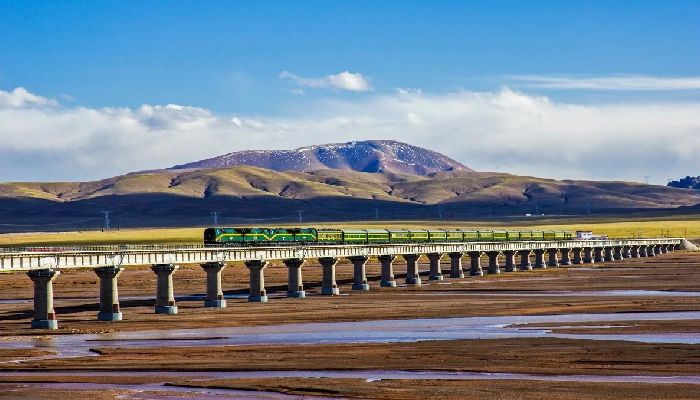
Scenery Along the Qinghai-Tibet Railway
Pros and Cons of Flying to Tibet
For travelers with limited time, taking a flight is undoubtedly the most efficient choice. Departing from hub cities such as Chengdu, Chongqing, Xi’an, or Xining, you can land at Lhasa Gonggar Airport in just 2-3 hours. This not only saves a lot of travel time but also allows you to spend more of your limited vacation on actual sightseeing. From an altitude of 10,000 meters, you can overlook the rolling Himalayas and the vast plateau, offering a spectacular perspective. However, this “early departure and evening arrival” method also comes with challenges: the altitude rises sharply in a short time, and the body lacks a gradual adaptation process. Some tourists may experience more obvious altitude sickness within hours to a day after landing compared to taking the train. Therefore, choosing to fly to Tibet means that the itinerary on the first day of arrival must be absolutely gentle, with sufficient rest time.
Entering Tibet by Road: Self-Driving or Chartering a Car
Entering Tibet via highways such as the Sichuan-Tibet Line (G318), Yunnan-Tibet Line, or Qinghai-Tibet Line is a dream for many adventure enthusiasts and professional photographers. The core charm of this method lies in “free control”—you can stop at any time for stunning scenery, delve into obscure villages on the map, experience authentic road meals, and fill your journey with unexpected surprises. Especially the Southern Sichuan-Tibet Line, known as “China’s Scenic Avenue,” where the snow-capped mountains, canyons, grasslands, and residences along the way form a visually diverse corridor. However, this freedom comes with higher requirements: it has strict standards for vehicle performance (especially off-road and endurance capabilities), the driver’s skills and experience, detailed route and logistics planning, and ample time. For most tourists, choosing a chartered car service with local professional drivers is a more common and sensible approach, allowing you to enjoy freedom while ensuring safety and reliability.
Medications and Mindset for Preventing Altitude Sickness
Many people consider taking Rhodiola rosea before the trip. As a traditional Chinese medicinal herb, Rhodiola rosea is believed to have potential anti-fatigue and anti-hypoxia effects, helping to enhance the body’s tolerance to the plateau environment. However, it should be clarified that its effects vary significantly among individuals, and it is not a “panacea” that guarantees no altitude sickness. More importantly, one to two weeks before departure, adjust your daily routine, ensure adequate sleep, avoid overwork, and make sure you have no symptoms such as cold, fever, or respiratory tract infection. Embarking on the journey with a healthy body is far more effective than relying on any single medication. At the same time, maintaining a positive and relaxed mindset is crucial—excessive anxiety and tension can themselves induce or worsen physical discomfort.
Adaptation Period Arrangements After Arriving in Tibet
Regardless of the way you enter Tibet, giving your body a “buffer period” is a recognized golden rule. It is strongly recommended to deliberately arrange an adaptation period within the first 48 to 72 hours after arriving in Lhasa (altitude about 3,650 meters) or Nyingchi (altitude about 3,000 meters). The principles for activities during this phase are “slow” and “calm”: avoid brisk walking, running, or lifting heavy objects; try not to take a bath on the first day (to prevent catching cold and consuming physical strength); and strictly prohibit drinking alcohol. Drink plenty of warm water and maintain a light and easy-to-digest diet. Usually, after two to three days of adjustment, when initial symptoms such as headache and palpitations are significantly relieved and sleep quality improves, it indicates that the body has initially adapted. At this time, gradually traveling to higher-altitude areas such as Nam Co and Xigaze will make the journey much smoother.
Notes on Using Oxygen in Tibet
Small portable oxygen cans are readily available in pharmacies and hotels in Tibet. These products have limited capacity, with each can only providing about ten minutes of inhalation. Their main function is to relieve mild discomfort in a short time or provide psychological comfort. For regular sightseeing, it is not necessary to carry them at all times. In contrast, formal and experienced travel agencies or chartered car services will be equipped with large-capacity medical oxygen cylinders in their vehicles, along with professional oxygen masks. This type of oxygen supply is stable and has sufficient flow, which can provide substantial medical support when team members experience obvious altitude sickness symptoms. Please remember that if severe symptoms such as severe headache, vomiting, or confusion occur, the most fundamental and effective treatment is to immediately lower the altitude and seek professional medical care at the nearest hospital.
Feasibility Analysis of Children Traveling to Tibet
The widely circulated claim that “children must be at least 8 years old to travel to Tibet” lacks medical basis. The core criterion for judging whether a child can travel to Tibet lies in their usual physical health and activity level, as well as whether they have basic communication skills to clearly tell their parents “I have a headache” or “I can’t breathe.” As long as these conditions are met, under the careful supervision of parents—such as arranging a more relaxed itinerary, closely monitoring the child’s mental state and appetite, and ensuring adequate hydration—many preschool children can also have a safe and interesting Tibet memory. Of course, purchasing travel insurance for young children that includes emergency medical evacuation is an essential safety net.
Safety Tips for Arranging Elderly Relatives’ Trip to Tibet
Traveling to Tibet with elderly relatives is a journey full of filial piety and challenges. Advanced age is not an insurmountable obstacle; the key prerequisite is that the parents have stable physical conditions without uncontrolled hypertension, severe cardiovascular and cerebrovascular diseases, or chronic respiratory diseases. Before traveling, it is crucial to undergo a comprehensive health check and consult a doctor’s professional opinion. When planning the itinerary for elderly relatives, the core principles are “comfort, guarantee, and respect for wishes.” Choose a route with a slow altitude increase, no excessively long daily driving time, and guaranteed accommodation conditions. At the same time, you must select a reputable travel agency or service team that provides on-board medical oxygen, and whose drivers and guides have rich experience in plateau emergency handling.
Etiquette for Religious Sites and Daily Behavior in Tibet
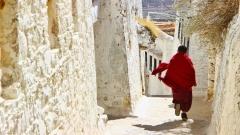
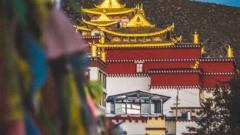
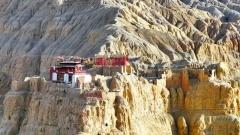
Temples are the core carriers of Tibetan culture. When visiting, please dress appropriately and avoid revealing clothing such as shorts, skirts, or vests. When entering any Buddha hall, be sure to take off your hat and keep quiet—do not speak loudly. Inside the hall, strictly follow the clockwise direction for visiting and circumambulating. Without permission, never take photos of Buddha statues, murals, scriptures, or ongoing religious activities. In daily life, there are some subtle etiquettes: do not directly touch others’ heads with your hands, as this is a very disrespectful act; when addressing monks, you can use “lama” or “Akhu”; when accepting items from others, it is best to use both hands.
Regulations on Photography and Drone Use in Tibet
Tibet is a paradise for photography, but the camera also requires self-discipline. Taking photos of magnificent natural scenery is usually unrestricted. However, when your camera is aimed at people—whether it is herdsmen in traditional costumes, devout pilgrims, or monks in temples—please first obtain the other party’s explicit consent through gestures and sincere smiles. Forced photography or secret photography is a very rude behavior. In recent years, drone aerial photography has brought new perspectives and new regulations. In Tibet, most temple areas, border control zones, military facilities, and airport surroundings are strictly no-fly zones. Illegal flying may not only result in the confiscation of equipment but also legal penalties. Before flying, be sure to understand the exact regulations through local travel agencies or relevant departments.
Learning Simple Daily Tibetan Phrases
Even learning just a few simple Tibetan phrases can instantly narrow the distance between you and the locals and bring a knowing smile.
- “Tashi Delek”: Means “auspiciousness and good fortune,” and can be used for greetings and farewell blessings at any time.
- “Tuojiqi”: Thank you. Sincerely express gratitude after receiving help.
- Adding “La” after the other party’s name is a respectful form of address, such as “Ciren La” or “Drolma La.”
If you receive warm hospitality or help from locals and want to express your gratitude, presenting a white hada is the most noble and appropriate etiquette. Hold the hada with both hands, respectfully hang it around the other party’s neck, and say “Tashi Delek”—this respect will deeply touch their hearts.
Trying Tibetan Special Cuisine
Adapting to the plateau environment starts with adapting to plateau food. Tibetan cuisine has a unique flavor and is an important part of the cultural experience. Butter tea is made by beating brick tea, butter, and salt. It may taste salty and fishy at first sip, but it can effectively replenish moisture and energy and relieve dryness. Sweet tea is closer to the taste of milk tea—sweet and delicious, easy to accept. Yak meat is an important source of protein and calories; whether boiled, made into meat-stuffed buns, or eaten raw dried, it is worth trying. For staple foods, you can experience making tsampa yourself (a mixture of roasted highland barley flour and butter tea) or have a bowl of warm Tibetan noodles. Yak yogurt has an extremely rich and sour taste and usually needs to be mixed with a lot of sugar before eating.
Main Cost Components of Traveling to Tibet
The cost of traveling to Tibet is highly flexible. The main expense categories include: long-distance transportation to and from Tibet (accounting for 30%-50%), transportation within Tibet (long-distance chartered cars are the main expense), accommodation (from hostels around 100 CNY to hotels around 1,000 CNY), catering, scenic spot tickets, and tour guide service fees. In cities like Lhasa and Xigaze, there are actually abundant mid-to-low consumption options, and it is not unattainably expensive. The most significant money-saving tip is to travel during the winter off-season (November to March of the following year). At this time, round-trip air tickets and star hotel prices often drop to half or even lower than those in the peak season, scenic spot tickets may also have discounts, and there are fewer tourists, allowing you to enjoy a quiet sacred lake and holy mountain alone. Although the temperature is relatively low, the sun is bright during the day, and the body feels comfortable—it is an excellent time to experience local life and conduct in-depth photography.
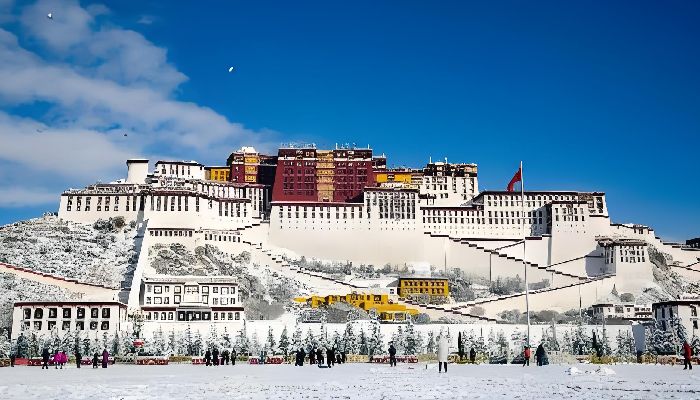
Potala Palace in Winter
Choosing the Best Travel Season for Tibet
Tibet has distinct four seasons and different scenery; when to depart depends on what you most want to see.
- April to May: Ice and snow begin to melt, the climate warms up, and the plateau revives. At this time, the vegetation is not yet lush, snow remains on the mountain peaks, the lake water is clear, and there are fewer tourists. It is a good time to watch snow-capped mountain reflections and enjoy tranquility.
- June to August: The true green season, with the highest oxygen content of the year and comfortable temperatures. The grasslands are green and wildflowers are in full bloom, but it is also the rainy season with more fog, so you may not see the full view of the snow-capped mountains. It is also the peak tourist season during summer vacation.
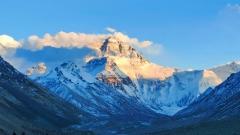
- September to October: Recognized as the golden season. The rainy season ends, the sky is as blue as washing, and visibility is extremely high—it is the best time to watch and photograph the full view of snow-capped mountains such as Mount Everest. The mountains and forests are dyed with autumn colors, presenting a colorful scene.
- November to March of the following year: Winter, dry and rainless, with clear skies almost every day. Although cold, you can see the most sacred and pure snow-capped mountains covered in snow, and have the opportunity to participate in grand festivals such as Tibetan New Year.
Applying for Required Travel Documents to Enter Tibet
For non-mainland China ID holders (including all foreign passport holders and Taiwan compatriots, etc.), there is a mandatory requirement for traveling to Tibet: you must apply for the Tibet Travel Permit (commonly known as the “Tibet Entry Permit”) through a qualified travel agency registered in Tibet. Individual applications are not accepted. You need to submit documents such as scanned copies of your passport and visa to the travel agency at least 15-20 working days in advance for processing. In addition, if your itinerary plans to visit border areas such as Mount Everest Base Camp, Purang (Kailash), Zhada, or Yadong, you also need to apply for a Border Pass. Tourists holding mainland China IDs can apply for it free of charge at the public security bureau in their place of household registration; if traveling with a group through a travel agency, the travel agency can usually apply on your behalf in Lhasa with the original ID card (a small service fee may be incurred).
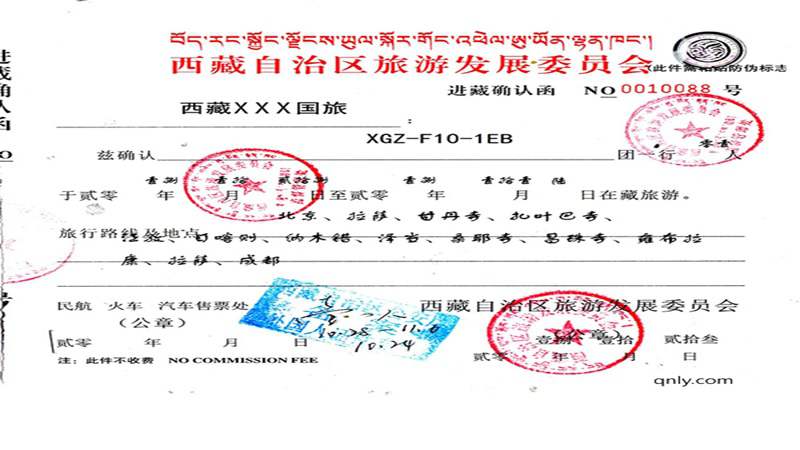
Tibet Travel Permit
Luggage and Health Supplies List for Traveling to Tibet
The plateau climate is special, so luggage preparation should be targeted. Follow the principle of “layering clothes”: a moisture-wicking base layer, an intermediate warm layer (fleece jacket, thin down jacket), and an outer windproof and waterproof layer (jacket). Essential accessories include: high SPF sunscreen, UV400 sunglasses, a wide-brimmed sun hat, high-efficiency moisturizing lip balm, and an insulated water bottle (drinking plenty of hot water is crucial). For personal medications, in addition to regular cold medicine, gastrointestinal medicine, and vitamins, it is recommended to prepare painkillers for altitude sickness (such as ibuprofen, used to relieve headaches). When first arriving at the plateau, all actions should be slower than usual to allow the body to adjust gradually.
Make the Final Confirmations for Your Tibet Trip
In short, traveling to Tibet is not complicated, but it requires careful preparation. The key lies in arranging transportation and accommodation in advance, taking the plateau adaptation seriously, and respecting local cultural customs. Thinking through these things in advance will make your journey much smoother. If you need help with applying for Tibet entry procedures or planning specific routes, you can contact experienced service agencies such as China Dragon Travel. We hope this guide will help you prepare well and have a safe, pleasant, and memorable travel experience in Tibet.