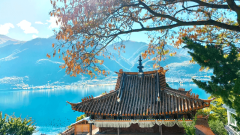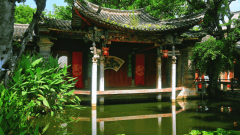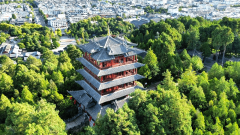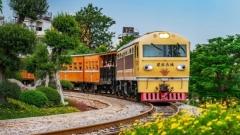

Dali, “elegant and peerless”; Lijiang, “gentle and lingering”; Xishuangbanna, “exotic”… Yunnan, a gem in southwest China, boasts diverse landscapes and a rich ethnic culture that draw countless travelers year-round. Yet there is no one-size-fits-all answer to “when to explore Yunnan”—only the choice that aligns best with your tastes. On this land where “one mountain holds four seasons, ten miles differ in weather,” the three-dimensional climate lets every season and corner radiate unique charm and subtle challenges. This article details Yunnan’s four-season climate traits and pairs them with local customs to help you find your “perfect” travel time based on personal preferences.
Understanding Yunnan’s Three-Dimensional Climate: Why the “Best Time” Varies by Person
Yunnan Province as a whole belongs to a subtropical plateau monsoon climate, but due to its terrain sloping from northwest to southeast—from Hekou with an altitude of only 76 meters to Meili Snow Mountain as high as 6740 meters—the huge altitude difference has created an extremely complex climate type. Simply put, you can understand Yunnan by dividing it into several main regions:
- Central and Northwestern Yunnan (e.g., Kunming, Dali, Lijiang, Shangri-La): Plateau climate, like spring all year round, but with large temperature differences between day and night. Distinct dry and wet seasons, sunny winters, and cool and pleasant summers.
- Southwest and Southern Yunnan (e.g., Xishuangbanna, Pu’er): Tropical monsoon climate, warm all year round, with only dry and rainy seasons. Winters are like summer in inland areas.
- Eastern and Southeastern Yunnan (e.g., Bamai, Puzhehei): Karst landform areas, mild climate, and scenery changes significantly with seasons.
Therefore, when you think about “when is the best time to visit Yunnan”, first ask yourself: what do you want to experience? Is it avoiding the cold, appreciating flowers, escaping the heat, viewing autumn scenery, or participating in lively ethnic festivals? Different goals correspond to completely different “golden times”.
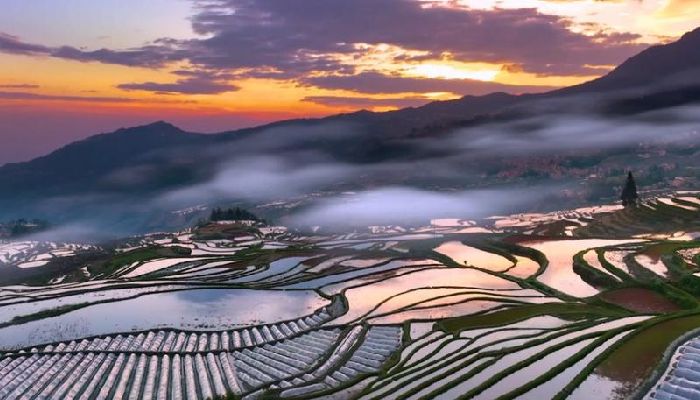
Yuanyang Terraced Fields at Sunrise
Yunnan Spring (March to May): Blooming Flowers and Pleasant Climate
If you love vibrant natural scenery, spring is undoubtedly an excellent answer to “when is the best time to visit Yunnan”.
Climate Characteristics: Most areas of the province have mild weather, with increasing but not heavy rainfall, abundant sunshine, and fresh air. Warm during the day and slightly cool in the morning and evening—bring a coat.
Highlight Recommendations:
- Luoping Rape Flower Sea (late February to March): A golden ocean, China’s earliest signal of spring.
- Dali and Lijiang: Fewer tourists compared to peak seasons. The ancient city scenery paired with spring sunshine is extremely comfortable. Wildflowers bloom at the foot of Cangshan Mountain and by Lashi Lake.
- Shangri-La (starting from May): Rhododendrons bloom all over the mountains, and the grasslands begin to turn green, full of vitality.
Travel Tips: Spring is the off-peak season for Yunnan travel. Airfare and accommodation prices are relatively stable, and the overall experience is good. However, note the possible short-term tourist peak around Qingming Festival.
Yunnan Summer (June to August): Cool Summer Escape and Rainy Season Charm
Summer in Yunnan is a famous summer resort in China, especially for Central and Northwestern Yunnan. Although it is the rainy season, it is not as rainy all day as imagined.
Climate Characteristics: Northwestern Yunnan (Lijiang, Shangri-La) is cool and comfortable, with daytime temperatures rarely exceeding 25℃. The whole province enters the rainy season with abundant rainfall, but most are showers or night rains. Rainbows often appear after rain, and air transparency is extremely high. Southern Yunnan (Xishuangbanna) is hot and humid.
Highlight Recommendations:
- Shangri-La: Enters its most beautiful season. Pudacuo National Park and Napa Lake Grassland are covered with green grass and wildflowers, presenting magnificent scenery.
- Lugu Lake: The lake and mountain scenery, set off by rainy season mist, is like a fairyland.
- Mushroom Season: The rainy season is when wild mushrooms go on the market. You can taste extremely fresh mushrooms in Kunming, Chuxiong and other places.
Travel Tips: Although it is a summer paradise, prepare rain gear every day. Mountain roads may occasionally collapse due to rainfall, affecting traffic. Pay more attention to road conditions when chartering a car or self-driving. It is also the peak tourist season during students’ summer vacation, with a large number of tourists in popular areas.
Things to Note
Traveling in the rainy season has a unique beauty, but adequate preparation can make the trip smoother. First, in terms of equipment, a pair of non-slip, comfortable and waterproof hiking shoes is essential, as stone slabs and mountain trails become slippery after rain. A lightweight windproof and waterproof jacket, as well as a portable umbrella or raincoat, are standard for dealing with sudden showers. Second, keep flexibility in itinerary planning. It is recommended to list indoor activities such as visiting museums, experiencing handicraft workshops, and enjoying café time as backup plans for rainy days. If planning to visit mountainous areas or nature reserves, check local weather forecasts and road condition information before departure. Occasional landslides in the rainy season may affect traffic. Be more cautious when chartering a car or self-driving, and reserve some time for possible itinerary delays. Finally, photography enthusiasts need not be discouraged by rainy days. The air is clear after rain, and mist-shrouded mountains and water droplets on plants often allow for more atmospheric photos.
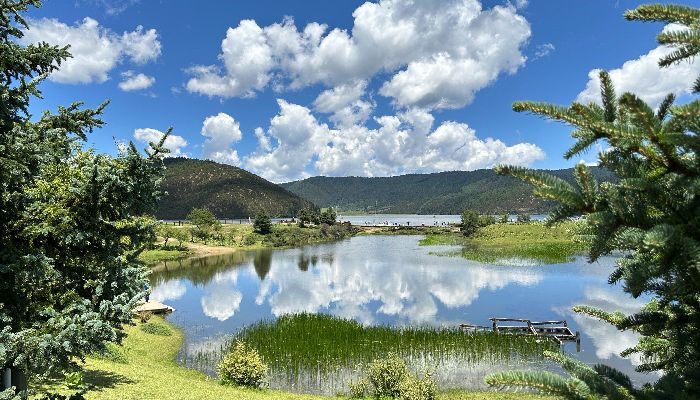
Pudacuo National Park in Summer
Yunnan Autumn (September to November): Clear Skies and Vibrant Colors
For many experienced travelers, autumn is recognized as the “ace season” for Yunnan travel and the optimal answer to “when is the best time to visit Yunnan” in many people’s minds.
Climate Characteristics: The rainy season ends, the sky is as blue as washing, and visibility reaches its peak throughout the year. The climate is dry, with warm but not scorching sunshine, and the temperature difference between day and night further increases.
Highlight Recommendations:
- Tengchong Ginkgo Village (mid-to-late November): Golden ginkgo leaves cover the village, like a fairy-tale world.
- Shangri-La and Daocheng Yading (adjacent to Yunnan): Autumn colors dye the forests in layers. Snow-capped mountains, meadows, and colorful forests form a stunning picture.
- Yuanyang Terraced Fields (September to April next year): The terraced fields start to be filled with water at this time, with excellent light and shadow effects, making it a paradise for photography enthusiasts.
- “Sunlight on Golden Peaks” of Meili Snow Mountain: The probability of seeing the full view is highest in autumn and winter, with a magnificent momentum.
Travel Tips: Autumn is an absolute peak tourist season, especially during the National Day Golden Week, when the number of tourists reaches its peak. Be sure to book transportation and accommodation well in advance and prepare for a budget increase.
Yunnan Winter (December to February): Bright Sunshine and Cold Escape
Winter in Yunnan presents a “polarized” charm: Central and Northwestern Yunnan feature dry, cold and sunny snow scenery, while Southern Yunnan is a warm winter escape paradise.
Climate Characteristics: Central and Northwestern Yunnan have very little precipitation and sunny days every day, but the air is dry and extremely cold in the morning and evening. Southern Yunnan (Xishuangbanna) is dry, warm and comfortable, with short-sleeves wearable during the day.
Highlight Recommendations:
- Xishuangbanna: The best destination to escape the harsh winter. Experience tropical rainforests and Dai customs, with a lively atmosphere during the Spring Festival.
- Jade Dragon Snow Mountain in Lijiang and Shangri-La: The snow scenery is most spectacular. It is a good time to admire snow-capped mountains and experience skiing (e.g., Lijiang Ski Resort).
- “Black-headed Gulls” in Kunming: Every winter, tens of thousands of Siberian black-headed gulls fly to Dianchi Lake, Cuihu Lake and other places, becoming a great spectacle.
Travel Tips: Except for the Spring Festival, winter is the off-peak season for Yunnan travel, with fewer tourists and affordable prices. Take adequate cold and warm measures in Northwestern Yunnan, especially windproof and moisturizing products.
Yunnan Festivals and Activities: Let the Trip Meet Culture
In addition to natural scenery, Yunnan’s rich ethnic festivals are also an important factor in determining “when is the best time to visit Yunnan”. Combining the itinerary with festivals will be an in-depth cultural experience.
- Dai Water Splashing Festival (mid-April of the Gregorian calendar): The grandest festival in Xishuangbanna and Dehong areas, symbolizing bidding farewell to the old and welcoming the new, with a lively and carnival atmosphere.
- Yi Torch Festival (around the 24th of the sixth lunar month): Mainly held in Chuxiong, Shilin and other places. At night, people light torches and sing and dance.
· Bai March Street (15th to 21st of the third lunar month): A historic trade fair in Dali, now developed into a grand ethnic festival and material exchange meeting.
Plan Your Best Yunnan Trip
In essence, the optimal period for a sojourn in Yunnan hinges solely on your inner desire. Should you be captivated by the vivid hues and temperate climate of autumn, opt for the months of September through November; if the allure of blooming flowers and reasonable prices in spring beckons, then springtime is tailor-made for you; for those intent on fleeing the summer heat and indulging in a cool, verdant landscape, summer possesses its own special allure; and for those who cherish the winter sun or breathtaking snowy vistas, the winter season will certainly fulfill your desires. Yunnan’s quadripartite divisions are akin to an ever-shifting tapestry, with each season contributing its distinct palette to the canvas. It is advisable to seek counsel from seasoned entities like China Dragon Travel, well-versed in local meteorological patterns and festivals, when orchestrating your itinerary. They are poised to proffer precise temporal and routing recommendations aligned with your leisure schedule and personal inclinations, ensuring you seize the quintessential beauty of Yunnan. Whenever you embark on this odyssey, this effervescent terrain stands prepared to enchant you with a multitude of delightful astonishments.