
Hidden within the mountains of eastern Chongqing, the Wushan Lesser Three Gorges are often considered one of the most beautiful river landscapes along the Yangtze River region. Compared with the vast and dramatic Yangtze Three Gorges, the Lesser Three Gorges offer a quieter and more intimate experience of canyon scenery. Narrow waterways, steep cliffs, misty forests, and emerald rivers create a breathtaking environment that feels both peaceful and majestic. For travelers exploring the Three Gorges area, understanding the best seasons to visit, how to explore the canyon, and what makes each section unique can greatly enhance the journey.
Where the Wushan Lesser Three Gorges Are Located
The Wushan Lesser Three Gorges are located in Wushan County in Chongqing Municipality, southwestern China. This scenic area lies along the Daning River, one of the most important tributaries of the Yangtze River. Over thousands of years, the river carved deep valleys through limestone mountains, forming the dramatic canyon system visitors see today.
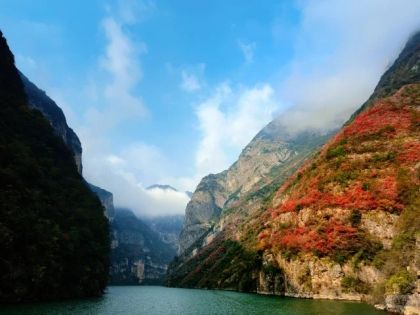
The scenic area consists of three main gorges: Longmen Gorge, Bawu Gorge, and Dicui Gorge. Each gorge presents a different landscape but shares several common characteristics: towering cliffs, dense vegetation, and winding waterways that cut through steep mountains.
Wushan Lesser Three Gorges
Unlike the Yangtze River itself, which is a major shipping route, the Daning River remains relatively quiet. Large cargo ships do not travel here, and most visitors explore the canyon by sightseeing boats. This slower pace allows travelers to fully appreciate the natural scenery and peaceful atmosphere.
The lesser crowds and narrow waterways make the Lesser Three Gorges feel more intimate than the larger Yangtze Three Gorges. Many travelers even describe this region as a hidden highlight of the entire Three Gorges journey.
The Dramatic Landscape of Longmen Gorge
Longmen Gorge is the first and most imposing section of the Lesser Three Gorges. As boats enter the canyon, the river suddenly narrows and steep cliffs rise dramatically on both sides. The name Longmen, meaning Dragon Gate, reflects the way the towering rock walls resemble a massive natural gateway.
The cliffs here rise hundreds of meters above the water, creating a powerful sense of scale. Sunlight only reaches certain parts of the canyon at different times of the day, which enhances the dramatic contrast between light and shadow.
On clear days, the textures of the rock formations become visible, revealing layers of geological history carved into the mountain walls. When mist drifts through the gorge, the landscape becomes even more mysterious. The peaks fade in and out of the clouds, creating a dreamlike atmosphere.
Travelers often feel a strong sense of awe when passing through Longmen Gorge. It is the moment when the journey truly begins and visitors realize the extraordinary natural environment they are entering.
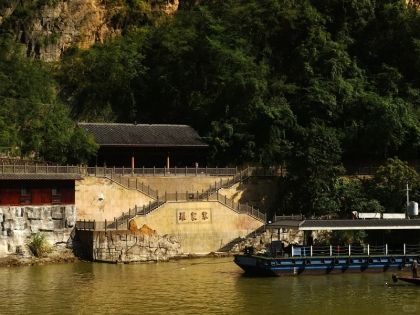
Along the cliffs, traces of ancient plank roads can sometimes be seen. These narrow paths were built centuries ago to allow travelers and traders to move through the mountainous region before modern transportation existed.
The Quiet Beauty of Bawu Gorge
After leaving the dramatic entrance of Longmen Gorge, boats continue into Bawu Gorge, where the atmosphere becomes noticeably quieter and more tranquil. The canyon widens slightly, and the river curves gently between forest-covered mountains.
Bawu Gorge is famous for its peaceful scenery. Dense vegetation covers the hillsides, creating a deep green landscape that changes with the seasons. In the early morning or after rainfall, mist often hangs low in the valley, giving the gorge a mystical quality.
As the boat moves slowly through the canyon, reflections of the mountains appear clearly on the surface of the water. The calm river mirrors the cliffs and trees, doubling the beauty of the landscape.
This section of the journey is also known for its rich biodiversity. The forests along the gorge provide habitats for many species of birds and animals. Occasionally, visitors may spot monkeys moving through the trees or hear the calls of birds echoing across the valley.
The quiet environment makes Bawu Gorge feel almost untouched by modern development. For many travelers, this is the most relaxing part of the entire trip.
The Lush Scenery of Dicui Gorge
Dicui Gorge forms the final section of the Lesser Three Gorges. Compared with the previous two gorges, the landscape here appears softer and greener. The mountains are still steep, but they are covered almost entirely with thick forest.
The name Dicui refers to the lush greenery that seems to drip down the cliffs. During spring and summer, the vegetation becomes incredibly vibrant, creating layers of green that stretch from the waterline to the mountaintops.
Sunlight filtering through the trees highlights different shades of green, making the scenery especially photogenic. Many photographers consider this section the most picturesque part of the journey.
Near the end of Dicui Gorge, visitors often transfer to smaller boats to explore the so-called Mini Three Gorges. These narrower tributaries lead deeper into the mountains, where the river becomes even more secluded.
The Mini Three Gorges provide a closer look at the untouched natural environment of the region. The canyon walls are closer together, and the atmosphere feels more intimate and adventurous.
Best Time to Visit the Wushan Lesser Three Gorges
The Lesser Three Gorges can be visited throughout the year, but each season offers a slightly different experience.
Spring is a wonderful time to see the canyon come alive with new growth. Trees begin to turn bright green, wildflowers bloom along the hillsides, and the weather becomes mild and comfortable. The fresh mountain air and vibrant vegetation create a lively atmosphere.
Summer brings the highest water levels in the Daning River, which makes the canyon appear deeper and more dramatic. The surrounding mountains remain lush and green, and the river flows strongly through the gorge. Although summer can be warm, the canyon itself often feels cooler than nearby cities.
Wushan Lesser Three Gorges
Autumn is widely considered the best season to visit. The weather is stable, visibility is excellent, and the forests display shades of gold, orange, and red. These autumn colors add remarkable contrast to the green mountains and blue water.
Winter offers a quieter and more peaceful experience. Tourist numbers decrease significantly, allowing visitors to enjoy the scenery without crowds. On misty days, the canyon takes on a mysterious appearance that many photographers find appealing.
How to Explore the Lesser Three Gorges
The most common way to visit the Lesser Three Gorges is by sightseeing boat. These boats usually depart from Wushan County and travel upstream along the Daning River.
The entire excursion generally takes three to four hours, depending on the itinerary and weather conditions. During the trip, guides often provide commentary about the geological history, legends, and cultural heritage of the region.
Passengers can enjoy panoramic views from the open decks or relax inside the cabin while observing the changing scenery.
Many travelers combine the Lesser Three Gorges excursion with a Yangtze River cruise. Major Yangtze cruise ships frequently stop at Wushan, allowing passengers to take a smaller boat tour into the tributary canyon.
This combination provides the opportunity to experience both the grand scale of the Yangtze Three Gorges and the more intimate beauty of the Lesser Three Gorges.
Other Attractions Around Wushan
Wushan is not only famous for the Lesser Three Gorges. The surrounding region also offers several remarkable scenic and cultural attractions.
One of the most iconic sights is Goddess Peak, a mountain formation along the Yangtze River that resembles a graceful female figure. This peak has inspired countless legends and poems throughout Chinese history.
The Wushan clouds and rain phenomenon is another well-known natural spectacle. When mist gathers around the mountains, the entire landscape becomes shrouded in shifting clouds, creating an ethereal atmosphere.
Visitors can also explore local towns and cultural sites that reflect the traditions of the Three Gorges region. These areas provide insight into the lives of people who have lived along the Yangtze River for generations.
Experiencing the Natural Poetry of the Three Gorges
Traveling through the Wushan Lesser Three Gorges feels like drifting through a living landscape painting. Towering cliffs, quiet forests, and winding waterways combine to create scenery that has inspired Chinese artists and poets for centuries.
Whether visiting during the green freshness of spring, the vibrant colors of autumn, or the peaceful calm of winter, the canyon offers a memorable experience that reveals the natural beauty of the Yangtze River region.
For travelers planning a broader journey across western China, the Lesser Three Gorges can also be combined with other destinations such as Chongqing, Sichuan, and Tibet. Professional travel services like China Dragon Travel provide customized itineraries that connect these diverse regions, allowing visitors to explore the landscapes, cultures, and history of China’s vast western territories.