
Wondering when to visit Xi’an for the best travel experience? For many international travelers, spring – especially from March to May — is the most comfortable and visually beautiful season to explore this ancient Chinese capital. The weather becomes mild, flowers begin to bloom across the city, and famous landmarks like the Ancient City Wall, Giant Wild Goose Pagoda, and Qinglong Temple take on a completely different atmosphere. Spring also offers a better balance between sightseeing and comfort, with fewer extreme temperatures and more pleasant walking conditions compared to summer or winter.
Xi’an Spring Climate and Packing Guide
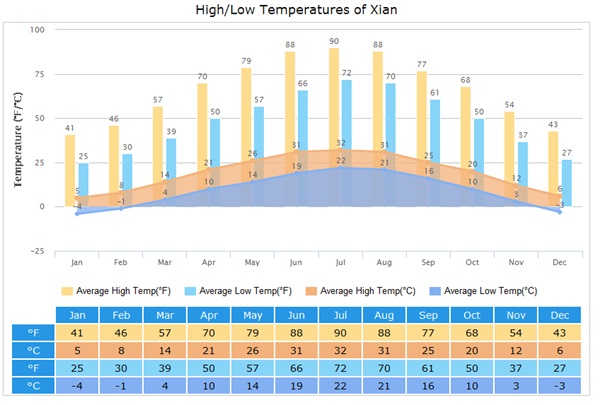
Xi’an’s spring climate from March to May shows distinct seasonal changes, with varying temperatures and weather conditions each month. Travelers should pack appropriate clothing based on their specific travel dates.
Xi’an Weather
Early March still carries a lingering chill, with significant temperature differences between day and night. Daytime highs reach around 15°C, while nighttime lows can drop to 5°C, and occasional late cold snaps are common. We recommend packing light sweaters, thick hoodies paired with windproof jackets, long pants, and comfortable walking shoes.
April is the most pleasant month in Xi’an’s spring, with stable temperatures ranging from 12°C to 22°C, bright sunshine, and gentle breezes. This is the perfect time for lightweight clothing like long-sleeve shirts, thin knitwear, and jeans. Keep a light jacket handy for cooler mornings and evenings.
By May, Xi’an begins to transition into early summer, with noticeably warmer temperatures. Daytime highs can reach up to 28°C, and the sun becomes quite strong. Pack short-sleeved shirts, shorts, dresses, and essential sun protection: sunscreen, sunglasses, and a wide-brimmed hat.
Regardless of when you visit, always carry a compact umbrella. Xi’an experiences occasional spring showers, and an umbrella works equally well for rain protection and sun shading. Comfortable, non-slip walking shoes are a must, as exploring Xi’an involves a lot of walking.

Xi’an Spring Exclusive Flower Viewing Map
Spring in Xi’an (March-May) is a season of spectacular blooms, with different flower varieties opening in sequence to paint the ancient city in vibrant colors. Below is a month-by-month flower viewing guide to help you catch every stunning floral display.
March Flower Viewing Recommendations
- Plum Blossoms: Bloom from late February to mid-March. Top spots include Xi’an Botanical Garden, Xingqing Palace Park, and Huancheng Park. Xi’an Botanical Garden’s plum garden features dozens of varieties, with red, pink, and white blossoms filling the air with their delicate fragrance.
- Magnolias: Bloom from early to late March. Qinglong Temple is the most famous spot for magnolia viewing in Xi’an, with large plantings of white and purple magnolias. Their large, elegant blooms complement the temple’s traditional architecture perfectly. Xi’an Jiaotong University’s campus also boasts beautiful magnolia displays.
- Winter Jasmine: Bloom from late February to mid-March. As one of the first flowers to bloom in Xi’an, winter jasmine can be found in abundance at Huancheng Park, Big Wild Goose Pagoda Square, and Qujiangchi Relics Park. Its bright yellow flowers signal the arrival of spring.
April Flower Viewing Recommendations
- Cherry Blossoms: Bloom from late March to mid-April. Qinglong Temple is Xi’an’s premier cherry blossom destination, drawing thousands of visitors each spring. The temple grounds are home to nearly 1,000 cherry trees, including varieties like Somei Yoshino, Kanzan, and Fugenzo. When in full bloom, the entire temple is enveloped in a soft pink cloud. Other great spots include Xi’an Jiaotong University, Gaoxin Second Road, and Chanba National Wetland Park.
- Peach Blossoms: Bloom from late March to late April. Taoxi Fort in Chang’an District is Xi’an’s most famous peach blossom spot, legendary as the setting for the classic Chinese poem “Her face and peach blossoms reflect each other’s redness.” Every spring, thousands of acres of peach trees burst into bloom, turning the hillsides into a sea of pink. Other impressive locations include Wangmang Township and Taiping National Forest Park.
- Tulips: Bloom from early April to early May. Xi’an Botanical Garden and Xingqing Palace Park host annual tulip festivals, featuring hundreds of thousands of tulips in a dazzling array of colors and varieties, creating a vibrant rainbow-like flower sea.

Cherry Blossoms in Qinglong Temple
May Flower Viewing Recommendations
- Tree Peonies: Bloom from late April to mid-May. As China’s national flower, peonies have a long cultivation history in Xi’an. Xingqing Palace Park’s peony garden is one of the largest in Xi’an, with hundreds of varieties of large, colorful, and elegant peonies. Other excellent viewing spots include Xi’an Botanical Garden and Datang Furong Garden.
- Herbaceous Peonies: Bloom from early to late May. Often called the “second best flower” alongside tree peonies, herbaceous peonies are grown in both Xi’an Botanical Garden and Xingqing Palace Park. Their slightly smaller blooms are equally beautiful, and their later flowering season fills the gap after tree peonies fade.
- Climbing Roses: Bloom from late April to early June. Climbing roses adorn many streets and parks in Xi’an, with the most famous being the rose wall on Dianzi Fourth Road. Every spring, this hundreds-of-meters-long rose wall bursts into bloom, becoming one of Xi’an’s most popular photo spots.
Must-Visit Historical and Cultural Attractions in Xi’an Spring
As the capital of 13 ancient Chinese dynasties, Xi’an boasts an unparalleled wealth of historical and cultural heritage. The pleasant spring weather from March to May makes it ideal for exploring these sites, allowing you to enjoy both beautiful natural scenery and profound historical depth.
Xi’an City Wall
The Xi’an City Wall is the largest and best-preserved ancient city wall in China, and one of Xi’an’s most iconic landmarks. Spring brings special beauty to the wall, with trees sprouting new leaves and flowers blooming both inside and outside the ramparts. Visitors can explore the wall on foot or by bicycle. The full circuit is approximately 13.7 kilometers, taking about 2-3 hours by bike. From the wall, you can enjoy panoramic views of Xi’an’s urban landscape and feel the grandeur of the ancient city. We recommend visiting in the late afternoon, when the golden sunset bathes the wall in a warm, magical glow.
Giant Wild Goose Pagoda and Datang Everbright City
The Giant Wild Goose Pagoda, built during the Tang Dynasty, is another iconic Xi’an landmark. It was constructed to house the Buddhist scriptures brought back from India by the monk Xuanzang. The surrounding Daci’en Temple Ruins Park is particularly beautiful in spring, with cherry blossoms, peach blossoms, and magnolias in full bloom. In the evening, the musical fountain show at the North Square of the Giant Wild Goose Pagoda is spectacular—it’s the largest musical fountain in Asia.
Datang Everbright City, located south of the Giant Wild Goose Pagoda, is a pedestrian street themed around Tang Dynasty culture. In spring, the street is brilliantly lit and bustling with activity. Lined with Tang-style architecture, it features various performances and interactive experiences. Visitors can sample Xi’an’s specialty foods, buy souvenirs, and immerse themselves in the splendor of Tang Dynasty culture.
Terracotta Army Museum
The Terracotta Army Museum is one of the Eight Wonders of the World and an absolute must-visit in Xi’an. The museum displays thousands of life-sized terracotta warriors and horses, arranged in battle formation—a breathtaking and awe-inspiring sight. Spring is an excellent time to visit, as tourist numbers are relatively lower compared to peak summer months, allowing for a more relaxed and immersive experience. We highly recommend hiring a guide to gain a deeper understanding of the Terracotta Army’s history and cultural significance.
Huaqing Palace
Huaqing Palace is a Tang Dynasty imperial garden famous for its hot springs and its connection to the love story of Emperor Xuanzong and Yang Guifei. The palace’s exquisite gardens are particularly lovely in spring. Visitors can explore the ruins of Yang Guifei’s bathing pools, admire Tang Dynasty palace architecture, and watch the large-scale live historical drama “The Song of Everlasting Sorrow.” Set against the backdrop of Lishan Mountain, the show uses advanced lighting and sound technology to bring the tragic love story of Emperor Xuanzong and Yang Guifei to life—it’s an unforgettable experience.
Shaanxi History Museum
The Shaanxi History Museum is China’s first large-scale modern national museum, housing over 370,000 cultural relics spanning more than one million years of history. The museum systematically presents the historical development of the Shaanxi region from prehistoric times to the modern era. Visiting in spring allows you to avoid the summer heat and winter cold, making it the perfect time to deepen your understanding of Chinese history and culture. Note that the museum is free to enter but has daily visitor limits—be sure to book tickets online in advance.
Xi’an Spring Specialties and Local Cuisine
Xi’an is a renowned culinary capital, boasting a vast array of traditional snacks and classic dishes. Spring in Xi’an brings an abundance of fresh seasonal ingredients, adding extra flavor to the city’s already rich food scene.
Traditional Local Snacks
- Roujiamo (Chinese Hamburger): One of Xi’an’s most famous snacks, often called the “Chinese hamburger.” Crispy on the outside and soft on the inside, the white flatbread is stuffed with tender, slow-braised pork belly in savory sauce, creating a rich and aromatic flavor.
- Lamb Paomo: A classic Xi’an dish. Diners break flatbread into small pieces, which are then cooked in rich lamb broth with various seasonings. Served with pickled garlic and chili sauce, it’s a warm, comforting, and deeply flavorful meal.
- Liangpi (Cold Skin Noodles): While most popular in summer, liangpi is also delicious in spring. These smooth, chewy cold noodles are tossed with chili oil, vinegar, garlic sauce, and other seasonings, creating a tangy, spicy, and refreshing dish that stimulates the appetite.
- Biangbiang Noodles: A signature Shaanxi noodle dish. The wide, thick noodles have a chewy texture and are served with various meat and vegetable toppings and rich sauces, resulting in a bold and satisfying flavor.
- Zenggao (Steamed Rice Cake): Made from glutinous rice, red dates, and red beans, this sweet and sticky steamed cake is a popular breakfast item in Xi’an.
Spring Seasonal Specialties
- Shepherd’s Purse Spring Rolls: Spring is the season for fresh shepherd’s purse. These crispy fried spring rolls are stuffed with fresh shepherd’s purse, offering a delicate and delicious flavor.
- Locust Flower Steamed Rice: From April to May, when locust trees bloom, Xi’an locals make this traditional dish. Fresh locust flowers are mixed with flour and steamed, then served with garlic sauce and chili oil—light, fragrant, and full of spring flavor.
- Chinese Toon Scrambled Eggs: Chinese toon is a unique spring ingredient with a strong, distinctive aroma. Stir-fried with eggs, it creates a delicious and nutritious dish that captures the essence of spring.
- Oil-Sprinkled Chinese Toon: Blanched Chinese toon is tossed with salt, vinegar, minced garlic, and hot oil, resulting in a refreshing and aromatic side dish.
Recommended Food Districts
- Muslim Street: Xi’an’s most famous food district, home to a wide variety of Xi’an specialty snacks and halal cuisine. While popular with tourists, it remains a great place to experience Xi’an’s food culture.
- Yongxingfang: Located inside Zhongshan Gate of the Xi’an City Wall, Yongxingfang is a food district themed around Shaanxi folk culture. It features specialty foods from all over Shaanxi, as well as folk performances and handicraft demonstrations.
- Sajinqiao: A food street in Lianhu District popular with local residents. The food here is affordable and authentic. Don’t miss Ma’er Sour Soup Dumplings and Laojin’s Egg and Vegetable Roujiamo.
Practical Travel Tips for Xi’an March-May
To ensure a smooth and enjoyable spring trip to Xi’an, here are some practical travel tips.
Transportation Guide
- Air: Xi’an Xianyang International Airport is a major aviation hub in China, with flights to major cities both domestically and internationally. The airport is approximately 47 kilometers from the city center. Travelers can reach the city by airport shuttle bus, Metro Line 14, or taxi.
- Train: Xi’an has three main railway stations: Xi’an Station, Xi’an North Station, and Xi’an South Station. Xi’an North Station is the high-speed railway station, with high-speed trains connecting to all parts of China.
- Local Transportation: Xi’an has an excellent local transportation system, including metro, buses, taxis, and shared bicycles. We recommend getting a Chang’an Tong Card, which can be used on both metro and buses and offers discounted fares.
- Group Tours: If you prefer a hassle-free travel experience, consider group tours offered by reputable travel agencies. China Dragon Travel offers exclusive spring itineraries for Xi’an, with professional guides, included attraction tickets, transportation, and accommodation. This allows you to focus on enjoying your trip without worrying about planning details, and you’ll gain deeper insights into the history and culture of each attraction.
Accommodation Recommendations
- Bell Tower/Drum Tower Area: Located in the heart of Xi’an, this area offers convenient transportation and is close to many attractions and food districts. It’s the top choice for most tourists.
- Giant Wild Goose Pagoda/Qujiang New District: This area has a beautiful environment and is close to attractions like the Giant Wild Goose Pagoda, Datang Everbright City, and Qujiangchi Relics Park. It’s ideal for travelers who prefer a quieter, more cultural atmosphere.
- Inside the City Wall: Staying inside the city wall allows you to immerse yourself in Xi’an’s ancient atmosphere. The area is close to many historical sites and features unique boutique guesthouses.
Other Important Notes
- Spring (March-May) is a peak tourist season in Xi’an, especially during the Qingming Festival and May Day Holiday. We strongly recommend booking flights, hotels, and attraction tickets well in advance.
- Xi’an has a relatively dry climate, and spring is often windy. Drink plenty of water and take measures to moisturize your skin and protect against wind.
- When visiting historical sites, please follow the scenic area regulations, respect cultural relics, and do not touch or carve on them.
- Xi’an cuisine is heavy on noodles and meat, with bold flavors and a preference for spiciness. Travelers with sensitive stomachs should bring appropriate medication.
- When dining in halal food districts like Muslim Street, please respect local religious beliefs and customs. Do not bring non-halal food into these areas.
Spring Reveals a Softer Side of Xi’an
Xi’an is often introduced through its biggest landmarks – the Terracotta Warriors, the City Wall, or the bustling Muslim Quarter — but spring gives travelers the chance to experience the city beyond the usual checklist. Cherry blossoms around Qinglong Temple, quiet mornings near the old city gates, and evenings spent wandering through Tang-style streets all create a side of Xi’an that feels more relaxed and personal. The city’s historical weight is still there, but spring adds warmth, color, and everyday local life to the experience.
Because spring is one of Xi’an’s busiest travel seasons, it is worth booking hotels, museum tickets, and transportation in advance, especially around public holidays. Travelers who prefer a smoother trip can also consider joining a professionally arranged Xi’an tour through agencies such as China Dragon Travel, which can help organize transportation, attraction tickets, local guides, and cultural experiences more efficiently — particularly for first-time visitors to China.