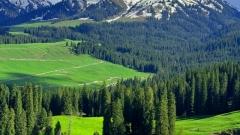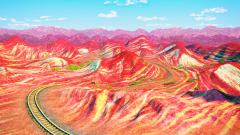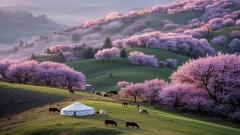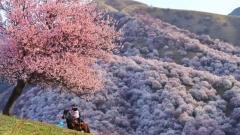

First-time travelers to Xinjiang often ask: How much does it cost? What procedures are needed? Which season is best? Answers depend on your departure location, travel duration and accommodation standards. Xinjiang is vast; driving between cities often takes hours. It has snow-capped mountains, deserts, grasslands and lakes with diverse landscapes. Preferences vary, so budgets and itineraries differ. Given its large territory and extra procedures for some border areas, learning common travel questions before departure is essential. The following answers the most frequent questions to help you plan and make your journey smoother.
What Visas and Documents Are Required for Travel in Xinjiang?
This question ranks first among the frequently asked questions for Xinjiang travel.
Visa-free Policy
China offers visa-free entry for citizens of 35 European countries including France, Germany, Italy, the Netherlands and Spain, as well as citizens of South Korea, Japan, Australia, New Zealand, Brazil, Argentina and other countries, with a stay of no more than 30 days. Please check the official website of the Chinese embassy or consulate in your local area before departure to ensure your passport is valid for at least 6 months.
Regular Visa
Citizens of countries not on the visa-free list need to apply for a Chinese tourist visa (L visa) in advance, providing materials such as passport, photo, air ticket and hotel reservation. The processing time is about 5-7 working days.
Compatriots from Hong Kong, Macao and Taiwan
They can travel directly with valid Home Return Permits or Taiwan Compatriot Permits.
Is a Border Permit Required for Travel to Border Areas in Xinjiang?
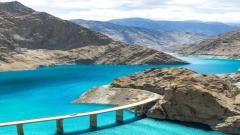
A passport and visa are sufficient if you only visit Urumqi, Turpan, downtown Kashgar, Heavenly Lake of Tianshan and Kanas. However, you must apply for a Border Management Area Permit in advance to travel to border areas such as Taxkorgan, Baihaba Village and Khorgos Port.
- Foreign nationals need to apply to the exit-entry department of public security at or above the county level with their passport and visa, which usually takes several working days. It is recommended to apply two weeks in advance.
- Khunjerab Port, some areas of Baihaba and the Bayanbulak section of Duku Highway are closed to tourists. Please confirm whether your destination is accessible before departure.
- China has launched the electronic Border Management Area Permit and stopped issuing paper documents. Entrusting a regular travel agency to handle it is the most convenient option.
How to Choose International Transportation for Travel in Xinjiang?
Urumqi Tianshan International Airport is the main gateway to Xinjiang.
- Regular Route: Fly from overseas to cities such as Beijing, Shanghai, Guangzhou and Chengdu first, then transfer to Urumqi.
- Direct Flights: Urumqi has opened direct flights to cities including Almaty, Astana, Tashkent, Istanbul and Bangkok.
- Connecting Flights: You can first fly to hubs such as Hong Kong, Seoul and Tokyo, then transfer to Urumqi via major Chinese cities. Use price comparison platforms to compare different combinations.
Which Season Is the Best for Travel in Xinjiang?
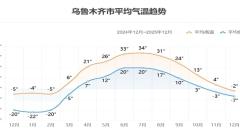
Experiences vary in different seasons, mainly depending on the scenery you want to see.
- Summer (June-August): Peak season. The grasslands in northern Xinjiang are lush, with temperatures ranging from 20℃ to 30℃, and Duku Highway is fully open. The disadvantage is the large number of tourists and high hotel prices.
- Autumn (September-October): The birch forests in northern Xinjiang turn golden, and the populus euphratica forests in southern Xinjiang are at their best in mid-October. Hotel prices are the highest in late September and need to be booked in advance.
- Spring (April-May): Few tourists and low prices, suitable for off-peak travel.
- Winter (November-March next year): Beautiful snow scenery. Altay is a top ski resort, and the cost is much lower than in peak season.
Should You Choose Group Tours, Carpooling or Self-Driving for Local Transportation in Xinjiang?
Xinjiang is vast with long distances between scenic spots. The main transportation methods are as follows:
- Group Tours: The most hassle-free option. Travel agencies arrange cars, drivers and accommodation. Small groups have 4-12 people, and it is cost-effective after cost sharing.
- Private Car Rental: You can stop to take photos at any time. The daily rent for an SUV or commercial vehicle is about 1800-2300 CNY in peak season and as low as 800-1000 CNY in off-season. It is more cost-effective to share with multiple people.
- Self-Driving: The road conditions are good, but gas stations are far apart, and there is no signal in some mountainous areas. Novice drivers should confirm insurance and be familiar with local traffic rules.
Which Hotels in Xinjiang Can Accommodate Non-Chinese Citizens?
Some hotels do not have the qualification to receive foreign guests and cannot handle accommodation registration.
- Cities such as Urumqi, Yining and Kashgar: Budget hotels 100-300 CNY, three-star hotels 300-500 CNY, high-end hotels over 700 CNY. Priority should be given to international chains or three-star and above hotels.
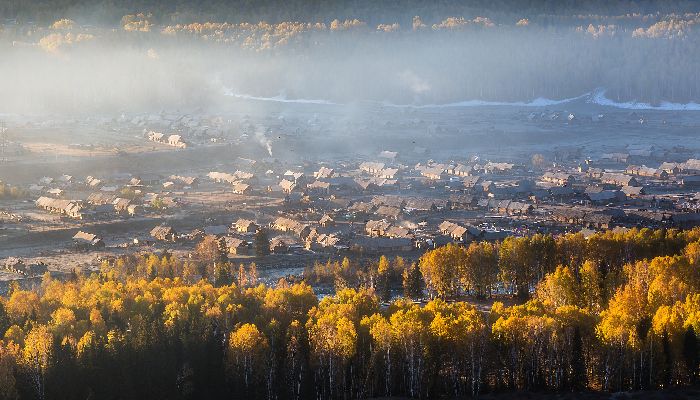
- Near Scenic Spots: Wooden house homestays in Kanas, Hemu and Narat cost 300-500 CNY in peak season, and better ones cost over 1000 CNY. Book in advance.
- Remote Areas: Accommodations along Taxkorgan and the Desert Highway are mainly guest houses, costing dozens to over 100 CNY with basic conditions.
Please confirm whether the hotel can accommodate non-Chinese citizens before booking. Book two to three months in advance during peak season.
Hemu Village
How Much Does It Cost to Eat in Xinjiang?
Xinjiang cuisine is a major attraction for tourists.
Cost Reference
- Breakfast: Milk tea with naan or steamed buns, 15-25 CNY.
- Lunch: Laghman, pilaf, roasted buns, 30-50 CNY.
- Dinner: Lamb skewers, big plate chicken, 40-80 CNY per person. One serving of big plate chicken is enough for two or three people.
- Prices in scenic spots are usually doubled; you can bring your own dry food.
Recommended Food: Lamb skewers, big plate chicken, pilaf, roasted buns, Xinjiang laghman. The night market in the old town of Kashgar is worth a try.
Notes: Most areas in Xinjiang serve halal food. Do not bring non-halal food or alcohol into halal restaurants. Please inform in advance if you have dietary restrictions.
How Much Are the Tickets for Popular Scenic Spots in Xinjiang?
Many scenic spots charge not only admission tickets but also internal transportation tickets (shuttle buses).
- Kanas Scenic Area: Ticket 160 CNY, shuttle bus 70 CNY, total 230 CNY, valid for 2 days. In winter, the all-inclusive ticket is 100 CNY, allowing access to Kanas, Hemu and Baihaba within 3 days.
- Narat Grassland: Ticket plus shuttle bus about 150 CNY.
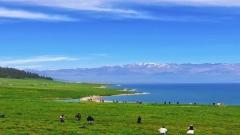
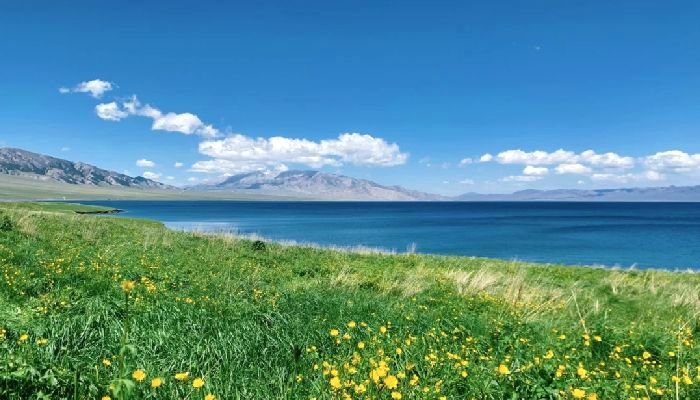
- Sayram Lake: Ticket plus lake tour bus about 140 CNY.
- Heavenly Lake of Tianshan: Ticket plus shuttle bus about 150 CNY.
Some scenic spots offer discounts in off-season. For accurate fares, please obtain them through official channels of scenic spots or travel agencies.
Is It Safe to Travel Alone in Xinjiang?
The actual situation is: very safe, with good public security.
- Police stations are common on the streets, and security checks are strict but aimed at ensuring safety.
- It doesn’t matter if you can’t speak Mandarin; staff in scenic spots and hotels can basically communicate in Mandarin. You can use mobile maps to show your location.
- Call 110 for emergencies, and there are bilingual police officers in tourist-concentrated areas.
Altitude Sickness: Most areas are not high in altitude (Urumqi is about 800 meters). If you travel to Taxkorgan on the Pamir Plateau (over 3000 meters), some people may feel slight discomfort. Oxygen cylinders and medicines are available locally.
Sayram Lake
Is There a Language Barrier for Travel in Xinjiang?
Uygur and Chinese are the main languages, and English is not widely spoken.
- Scenic Spot Services: Core scenic spots such as Kanas are equipped with bilingual service staff, and signs include Chinese, English and Uygur.
- Emergency Tools: It is recommended to use translation software and download offline packages for Uygur and Kazakh in advance.
- Communication Skills: “Smile + gestures + key numbers”. Show payment codes directly when shopping, show photos when asking for directions, and call 110 in emergencies.
About 95% of travelers feedback that there is no communication barrier in areas such as Altay. You can ask local children to help translate if necessary.
What Payment Methods Are Available for Travel in Xinjiang?
The payment environment is increasingly convenient and supports multiple methods.
- Mobile Payment: Foreign personnel can register Alipay and WeChat with overseas mobile phone numbers and bind bank cards of international card organizations such as Visa and Mastercard.
- Overseas Electronic Wallets: 31 overseas electronic wallets from 12 countries and regions including Singapore, Kazakhstan and Hong Kong are supported.
- Foreign Currency Exchange and Cash Withdrawal: 627 bank outlets and more than 4500 ATMs across Xinjiang support foreign currency exchange, and 590,000 “small change wallets”are placed.
Can You Travel in Xinjiang by Self-Driving?
Self-driving is a common method, and the following matters should be noted.
- Pre-Trip Vehicle Preparation: Fill up the fuel tank and check the brakes and tires. The distance between gas stations in some mountainous areas is more than 100 kilometers, so refuel in time when the fuel level is below half.
- Road Conditions and Seasons: Duku Highway is usually open from June to October. The Tianshan section is prone to snow and ice in winter, so it is recommended to replace snow tires.
- Safety and Emergency: Mobile phone signals are weak in most mountainous areas. Download offline maps in advance. Call 110 in emergencies. Drones are banned in some areas; please learn about them in advance.
Can Mobile Phones and Networks Be Used for Travel in Xinjiang?
Network and communication coverage is generally good.
- Network Coverage: Mobile phone signals are normal in major cities and scenic spots, and the network speed is smooth in big cities such as Urumqi.
- Mountain Signal: Signals are weak or unavailable in some remote mountainous areas and Gobi sections. It is recommended to download offline maps and translation offline packages in advance.
- Roaming and Local Cards: Foreign tourists can activate international roaming or purchase local SIM cards (passport real-name registration required). Most hotels and cafes provide Wi-Fi.
What Should Be Noted When Buying Specialties in Xinjiang?
Avoid common consumption traps when buying specialties.
- Beware of High Prices in Scenic Spots: Most jade shops in scenic spots sell fakes. It is recommended to buy dried fruits in wholesale markets such as Hualing Market in Urumqi, where the price is one-third of that in scenic spots.
- Choose Regular Channels: Choose regular stores when buying kumis, smoked horse meat, honey and other products.
- Rational Consumption: Beware of exaggerated publicity such as “camel milk powder”and “Kunlun snow chrysanthemum”. The ingredient list of real pure camel milk only contains “100% camel milk”, and the price is not less than 300 CNY per can.
What Customs, Taboos and Health Matters Should Be Noted for Travel in Xinjiang?
Understanding basic customs and health knowledge can make the journey smoother.
- Dietary Taboos: Ethnic minorities are forbidden to eat pork. Do not bring non-halal food or alcohol into halal restaurants, and do not mention topics related to pork.
- Religious Etiquette: Take off your shoes when entering a mosque. Women should dress modestly. Keep quiet in the temple, and do not film religious activities without permission.
- Sun Protection and Hydration: Drink 2-3 liters of water every day, and prepare lip balm and moisturizer. Prepare SPF50+ sunscreen, sunglasses, wide-brimmed hats and sun protection clothes when going out.
Is Xinjiang Travel Suitable for the Elderly and Children?
Tourists of different ages have different adaptability, so reasonable planning is required.
- Plateau Areas: People with severe heart disease and high blood pressure are not recommended to go to areas above 3000 meters. The elderly over 60 years old and minors under 16 years old are not recommended to go hiking at high altitudes in the Pamir Plateau.
- Children Travel: Children under 3 years old are not recommended to go to areas above 3000 meters. Protect from sun, hydrate, prevent mosquitoes and reduce strenuous running throughout the journey.
- Health Measures: Take Rhodiola rosea 1-2 weeks before departure. It is not recommended to fly directly to high altitudes; rest for a day in low-altitude cities first. Slow down after arrival, no running or jumping, no hot baths, no drinking, and drink more warm water.
What Are the Essential Tips Before Traveling to Xinjiang?
The following pre-trip reminders can reduce troubles during the journey.
- Apply for Border Permit in Advance: Apply at least two weeks in advance for border areas, and entrusting a regular travel agency is the most convenient.
- Large Temperature Difference between Day and Night: Bring a windbreaker or thin down jacket.
- Complete Sun Protection: Hats, sunglasses and sunscreen are essential.
- Prepare a Small Amount of Cash: It is recommended to prepare 500-1000 CNY in cash, which is more convenient in remote areas.
- Purchase Travel Insurance: It is recommended to purchase insurance including accidental injury and emergency medical evacuation.
After understanding the above frequently asked questions about Xinjiang travel, you may still need to confirm details. For professional assistance, China Dragon Travel can provide you with services such as group tours and customized private car rentals to help you travel with peace of mind.