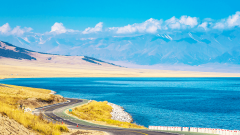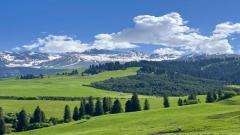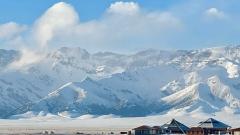

Urumqi is a city of striking contrasts: a busy urban center, a gateway to the mountains and deserts of Xinjiang, and a place where the season can change the character of a trip. The best time to visit Urumqi depends on what you want to do. Mild weather from late spring through early autumn suits city walks and day trips, while summer brings long daylight hours and access to highland scenery. Autumn often offers crisp air and colorful landscapes, and winter appeals to travelers prepared for cold conditions and snow. Before choosing dates, consider both the city’s dry continental climate and the much wider distances involved in excursions beyond it. A comfortable afternoon in town does not guarantee the same conditions in the mountains.
Key Takeaways
- Best all-round window: June to September for warmer weather, long days, and varied day trips.
- Best balance of comfort and scenery: May and September, with milder conditions than midsummer.
- Best for autumn colors: Late September to October, especially for landscapes beyond the city.
- Best for snow: Winter, although cold weather and shorter days require flexible plans.
- Plan for distance: Mountain and desert excursions can have different weather from central Urumqi.
Best Time To Visit Urumqi
For most first-time visitors, June through September is the easiest period for combining Urumqi’s museums, markets, and food scene with outdoor excursions. Days are generally warm, and daylight lasts well into the evening. July and August are typically the hottest months, so travelers sensitive to heat may prefer June or September.
May and September can offer a useful middle ground. Temperatures are often more comfortable for walking, and the city is less defined by peak-summer heat. Conditions can still vary from day to day, so bring a light layer and check local forecasts before setting out.
October to April is the colder half of the year. Winter can be rewarding for travelers interested in snow, seasonal city life, or a quieter itinerary, but freezing temperatures are common. Outdoor plans may need to be shortened or changed, and roads to nearby attractions can be affected by weather.
| Travel Period | Typical Appeal | What To Keep In Mind |
|---|---|---|
| March–April | Early spring city visits | Cold spells and variable weather are possible |
| May–June | Mild days and outdoor plans | Pack layers for cool evenings and higher elevations |
| July–August | Long days and summer excursions | Heat, strong sun, and busy holiday periods |
| September–October | Comfortable sightseeing and autumn scenery | Temperatures fall quickly later in the season |
| November–February | Snowy landscapes and winter travel | Cold conditions, shorter daylight, and weather-related changes |
Understanding Urumqi’s Climate
Urumqi has a continental climate, with large seasonal differences and generally low humidity. Winters are long and cold, while summers are warm to hot. Rainfall is limited compared with many parts of China, but brief showers and changing conditions still occur, particularly in the warmer months and in nearby mountainous areas.
The city sits at a high elevation relative to many major Chinese cities. The surrounding geography also matters: mountains, basins, and open landscapes can create noticeably different conditions over a short distance. A forecast for central Urumqi should not be treated as a forecast for a mountain lake, a ski area, or a long-distance road journey.
Temperature ranges below are broad seasonal guides, not guarantees. Actual conditions depend on the year, the specific location, and daily weather patterns. Use them to compare travel seasons, then check a reliable local forecast close to departure.
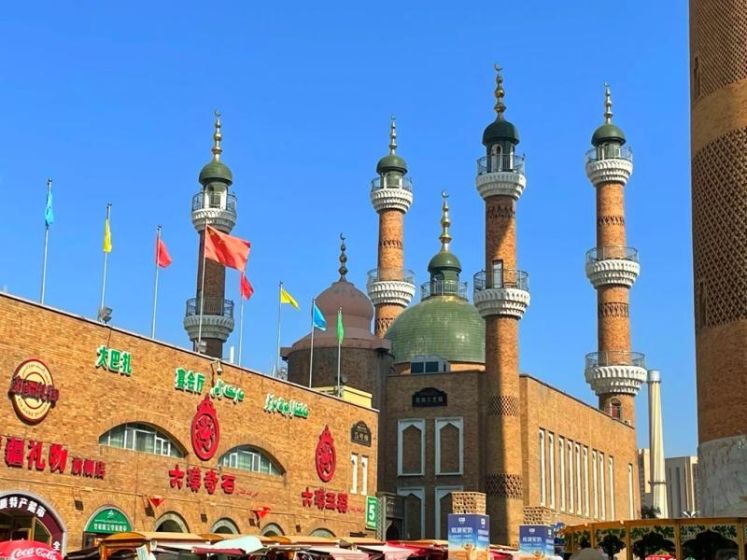
Spring In Urumqi: March To May
Spring arrives gradually. March can still feel wintry, with cold mornings and the possibility of snow or icy conditions. By April, daytime weather often becomes more manageable, though sharp changes are possible. May is usually the most appealing spring month for travelers who want to explore the city and take short excursions without summer heat.
This season works well for museums, neighborhood walks, and food-focused days, with outdoor plans kept flexible. Parks and open spaces become more inviting as temperatures rise, but evenings can remain chilly. If you are traveling in March or early April, pack a warm coat rather than assuming spring means light clothing.
Dusty or windy conditions can occur in the region. Travelers with respiratory sensitivities may want to bring any necessary medication and check air-quality information when available. Sunglasses and a scarf can also be useful on exposed days.
What To Pack For Spring
Bring clothes that can be layered: a warm outer jacket, comfortable walking shoes, and lighter pieces for warmer afternoons. A compact umbrella or water-resistant layer is sensible, though rainfall is not usually the defining feature of the season. If your itinerary includes the mountains, add warmer clothing than you expect to need in the city.
Summer In Urumqi: June To August
Summer is the most popular season for a broad itinerary. June generally offers warm days without the strongest midsummer heat, while July and August tend to be hotter. Long daylight hours make it easier to fit sightseeing and a day trip into the same schedule, although distances and driving times should be checked carefully before booking excursions.
Urumqi itself can feel hot in the afternoon, particularly in direct sun. Plan outdoor walking for the morning or later in the day, take breaks indoors, and carry water. High elevation and dry air can make the sun feel intense even when the temperature seems comfortable. Sunscreen, a hat, and sunglasses are useful throughout the season.
Summer is also a practical time to visit nearby natural attractions, but mountain weather may be cooler and less predictable than in the city. Pack a light jacket for higher elevations and avoid assuming that a warm urban forecast means the same conditions elsewhere. For longer excursions, confirm transport, opening arrangements, and return times with your operator or accommodation.
Is July Or August Too Hot?
Not necessarily, but travelers who dislike heat may find these months less comfortable for long periods of walking. The best approach is to keep midday plans flexible, choose air-conditioned indoor stops when needed, and reserve outdoor sightseeing for cooler hours. If you have several days, place the most physically demanding activities early in the morning.
Summer is also a busy travel period across China, particularly around school holidays. Popular transport routes and accommodation can book up earlier than usual. Reserve in advance if your dates are fixed, and leave room in your schedule for traffic or changes to excursion plans.
Autumn In Urumqi: September To November
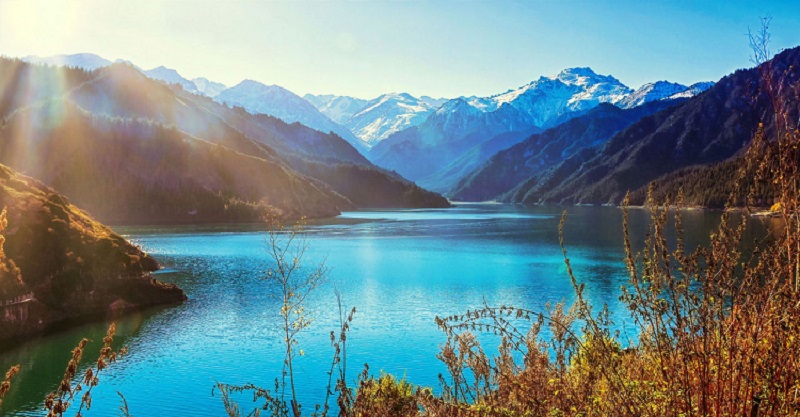
Autumn is a strong choice for travelers who want comfortable city sightseeing and seasonal scenery. September often retains mild daytime weather, while nights begin to cool. In October, the air can feel crisp and autumn colors may appear in suitable areas, though the timing varies with elevation and local conditions. By November, winter weather is increasingly likely, and outdoor days can feel cold.
For many visitors, September is one of the most balanced months: it avoids much of the midsummer heat while keeping days suitable for walking and excursions. October can be rewarding for photography and changing landscapes, but travelers should build flexibility into plans that depend on mountain access or road conditions.
Autumn is a good time to combine indoor and outdoor activities. Visit a museum or market when the weather turns cool, then plan a walk during the warmest part of the day. In the evenings, choose a restaurant or indoor attraction rather than relying on extended outdoor sightseeing.
When Do Autumn Colors Peak?
There is no single reliable peak date for the whole region. Color depends on elevation, local weather, and the specific landscape. Higher areas may change earlier than lower parts of the city, and a cold snap can alter the timing. If fall foliage is a priority, aim for late September or October and confirm current conditions shortly before traveling.
Winter In Urumqi: December To February
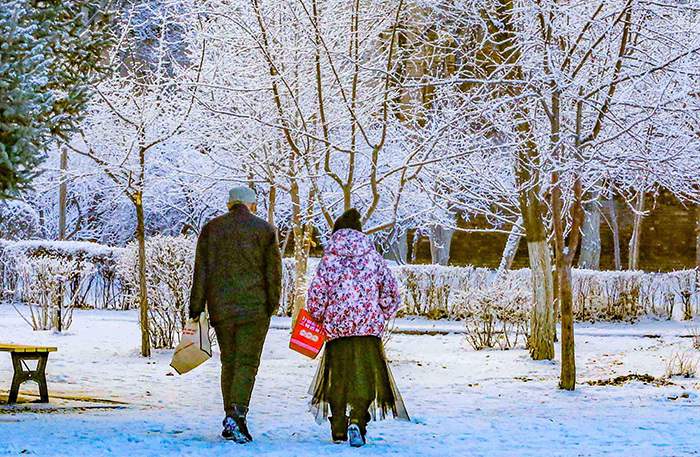
Winter brings genuinely cold weather, with freezing conditions and snow possible. The season can suit travelers who enjoy winter landscapes or want to experience the city outside the main summer travel window. However, it is not the easiest time for a packed outdoor itinerary. Daylight is shorter, sidewalks can be icy, and plans beyond the city may be affected by snow or road conditions.
Indoor attractions, local restaurants, and covered markets help make winter visits manageable. Keep sightseeing days compact and avoid scheduling a long outdoor excursion immediately before an important train or flight. If you plan to visit a ski area or other snowy destination, verify transport, operating conditions, and equipment arrangements in advance rather than assuming they will be available on arrival.
Warm, wind-resistant clothing is essential. A properly insulated coat, gloves, a hat, and shoes with good grip can make a major difference. Dress in layers so you can adjust when moving between cold streets and heated indoor spaces.
Is Winter A Good Time To Visit Urumqi?
It can be, if you are prepared for cold and willing to adapt. Winter is less suitable for travelers whose main goal is long outdoor days or easy access to every surrounding attraction. It can work well for a city-centered trip, a winter-sports itinerary that has been confirmed in advance, or a shorter visit with indoor alternatives.
Winter In Urumqi
Best Month To Visit Urumqi By Travel Style
For a first visit: Choose June, September, or early October for a mix of city exploration and possible day trips. June is warmer and brighter; September is often more comfortable for walking; early October can bring an autumn feel but requires warmer layers.
For outdoor scenery: Consider June through September, while checking conditions for each destination rather than relying only on the city forecast. Higher elevations may be cool even in summer.
For avoiding strong heat: May and September are often good options. They can be more comfortable for extended walks, although weather remains variable and evenings may be cool.
For autumn photography: Try late September or October, keeping dates flexible because foliage changes from place to place and year to year.
For snow and winter activities: Travel between December and February only after confirming access, transport, and operating schedules for the specific attraction you want to visit.
For lower travel demand: The colder months can be quieter than summer, but lower demand does not remove the need to check availability. Transport frequency and attraction arrangements can differ by season.
When To Avoid Visiting Urumqi?
There is no season that every traveler needs to avoid, but some dates may be less convenient for particular plans. July and August can be uncomfortable for people who struggle with heat, especially when outdoor sightseeing falls in the middle of the day. Winter is challenging for anyone who is unprepared for freezing temperatures or expects uninterrupted access to mountain roads.
Major Chinese public holidays, including the Spring Festival period and National Day holiday in early October, can bring heavier domestic travel. Transport, hotels, and popular attractions may be busier, and prices or availability can change. Holiday dates vary by year, so check the official calendar for the year of travel before confirming arrangements.
For a quieter experience, avoid relying on a single busy day for a major excursion. Travel outside holiday peaks when possible, book essential transport early, and keep an indoor alternative in your itinerary.
How Many Days To Spend In Urumqi?
Allow two to three days for a city-focused visit, depending on your interests. That gives time for a museum, local food, a market, and a few relaxed walks without rushing between neighborhoods. Travelers using Urumqi as a base for distant attractions should add travel time rather than treating every excursion as a short day trip.
A practical plan might include one day for central sights and museums, one day for food and neighborhood exploration, and an additional day for a nearby excursion if conditions and transport allow. Longer journeys may require an overnight stay. Distances in Xinjiang can be substantial, and a route that looks close on a map may take much longer than expected.
Build in a buffer if you are connecting to a train or flight after an excursion. Weather, road conditions, and traffic can affect journey times, particularly outside the urban center.
What To Pack In Every Season?
Whatever the month, comfortable walking shoes are useful for markets, museums, and uneven outdoor paths. The region’s dry air and strong sun make water, lip balm, moisturizer, sunglasses, and sunscreen practical items to carry. If you take regular medication, pack enough for the trip and keep essential items in your hand luggage.
Seasonal additions matter:
- Spring: A warm jacket, layers, and a scarf for windy or dusty conditions.
- Summer: Breathable clothing, sun protection, a refillable water bottle, and a light jacket for evenings or high elevations.
- Autumn: Layers, a warmer evening coat, and shoes suited to cooler conditions.
- Winter: An insulated coat, gloves, a warm hat, and non-slip footwear.
For trips outside the city, pack according to the destination rather than the urban forecast. A mountain outing may call for warmer clothes and more water, while a long drive makes snacks and offline access to essential travel details useful.
Planning Excursions Around The Weather
Urumqi is often used as a starting point for trips into Xinjiang, but not every attraction is close enough for a casual half-day outing. Before committing to a route, check driving time, departure arrangements, seasonal access, and whether an overnight stay is more realistic. Ask your accommodation or tour operator about current road and weather conditions.
Keep plans flexible during spring and winter, when cold snaps or snow may disrupt access. In summer, schedule outdoor activities around heat and sun exposure. During autumn, confirm conditions if your main reason for traveling is foliage or mountain scenery. In every season, carry water and dress for the destination’s elevation and exposure.
A reliable itinerary balances one or two anchor activities with alternatives. If a road trip is delayed or the weather changes, a museum, market, or food-focused afternoon can keep the day useful without forcing an uncomfortable outing.

Food And Indoor Activities For Unsettled Days
A change in weather does not have to derail a visit. Urumqi’s food scene offers an easy way to shape a slower day: try regional noodles, grilled skewers, baked goods, and other local dishes at a restaurant or market. Menus and opening arrangements vary, so follow local guidance and allow time to explore rather than trying to fit every meal into a tight schedule.
Museums and cultural venues are useful alternatives during a cold, hot, or windy day. Check opening times close to your visit, as schedules can change and some venues may have specific entry procedures. A relaxed indoor plan is especially valuable in winter, when daylight is shorter, and in midsummer, when a midday break can make later sightseeing more comfortable.
Practical Booking Advice
Once you have chosen a season, book long-distance transport and accommodation around your fixed dates. Summer and major holiday periods are the times when early planning is most useful. For excursions, confirm what the price includes, how long the journey takes, and what happens if weather affects the route.
If you are arranging a multi-stop trip, verify that your chosen transport connection leaves enough time after a day tour. Avoid assuming that an excursion will return at an exact time unless the operator confirms it, and keep important tickets and booking details accessible offline.
Travelers who prefer help coordinating regional logistics can consult a local operator such as China Dragon Travel about available routes and seasonal arrangements. Confirm the exact itinerary, inclusions, cancellation terms, and current operating details directly before booking, since these can vary by date and service.
Frequently Asked Questions
What Is The Best Month To Visit Urumqi?
June and September are strong choices for many travelers. June brings warm weather and long days, while September often offers comfortable conditions for city walks and excursions. Early October can also be appealing for autumn scenery, though it is cooler and holiday travel may affect availability.
Is Urumqi Worth Visiting In Summer?
Yes, particularly if you want long daylight hours and a mix of city sightseeing and outdoor trips. Be ready for hot afternoons in July and August, protect yourself from the sun, and check conditions separately for destinations outside the city.
Does It Snow In Urumqi?
Snow is possible in winter, and freezing weather is common during the coldest months. The amount and timing vary by year. Check the forecast and local transport information before planning winter excursions.
What Is The Best Time For A Day Trip From Urumqi?
Late spring through early autumn is generally the most convenient period for outdoor excursions, but the best date depends on the destination. Mountain weather and access can differ from conditions in the city, so confirm the local forecast and route arrangements.
Is One Day Enough In Urumqi?
One day can cover a few central sights, but two or three days allow a more relaxed city visit. Add extra time if you plan to take a long excursion or use Urumqi as a base for exploring farther afield.