

Xinjiang’s vast landscapes, historic Silk Road cities, and cultural diversity reward thoughtful planning. For foreign visitors, the key is understanding China’s entry rules and checking whether specific destinations require extra permission.
Key Takeaways
- A Chinese visa or other valid entry authorization is separate from any local travel permit.
- Rules can differ by destination and change; confirm access before booking remote routes.
- Foreign visitors must follow hotel registration and identity-document requirements.
- Carry your passport and allow flexibility for checkpoints, transport, and itinerary changes.
- Use official channels or a reputable travel company for permit and route guidance.
Xinjiang Travel For Foreigners: The Essential Distinction
The first planning question is not simply whether you can enter Xinjiang. It is whether your immigration status allows you to enter China, and whether each place on your itinerary is open to foreign visitors under current local rules. These are separate issues, and confusing them can lead to missed transport, disrupted tours, or an itinerary that cannot be completed as planned.
A Chinese visa, visa-free entry authorization, or other recognized permission governs entry into China and the length and purpose of your stay. It does not automatically grant access to every restricted, sensitive, or otherwise controlled location within the country. In some cases, a local permit or an approved tour arrangement may be relevant; in others, access may be limited or unavailable regardless of your visa.
There is no single extra document that every foreign visitor needs for every trip across Xinjiang. Requirements depend on the destination, the traveler’s circumstances, and the rules in effect when they travel. Advice found in an old blog post or an itinerary from a previous year may no longer apply. Confirm the latest requirements before paying for nonrefundable hotels, flights, train tickets, or private transport.

Apricot Valley in Yili, Xinjiang
Chinese Entry Permission Comes First
Before arranging a Xinjiang itinerary, verify that you are eligible to enter mainland China and understand the conditions attached to your entry. Travelers may enter with different types of authorization, and visa-free policies, where applicable, depend on factors such as nationality, travel purpose, permitted duration, and the dates of travel. Do not assume that a policy available to one passport holder applies to another.
If you need a visa, apply through the Chinese visa application process that serves your place of residence. Check the current application instructions, required documents, processing times, and permitted activities directly with the relevant Chinese embassy, consulate, or authorized visa center. The appropriate visa category depends on the purpose of the trip. Tourism, business, study, work, and family visits have different requirements; choosing a category based on convenience rather than purpose can create problems at application or entry.
Keep a copy of your visa or entry authorization details with your travel documents, and check the permitted stay and entry conditions before departure. A visa’s validity period and the length of an authorized stay are not necessarily the same thing. If you plan to leave mainland China and return during the same trip, verify that your authorization permits the required number of entries.
Travelers arriving in China should also be prepared to explain the practical details of their visit if asked. A clear itinerary, accommodation information, and onward travel arrangements can help answer routine questions. These documents do not replace a visa, but keeping them accessible is sensible travel preparation.
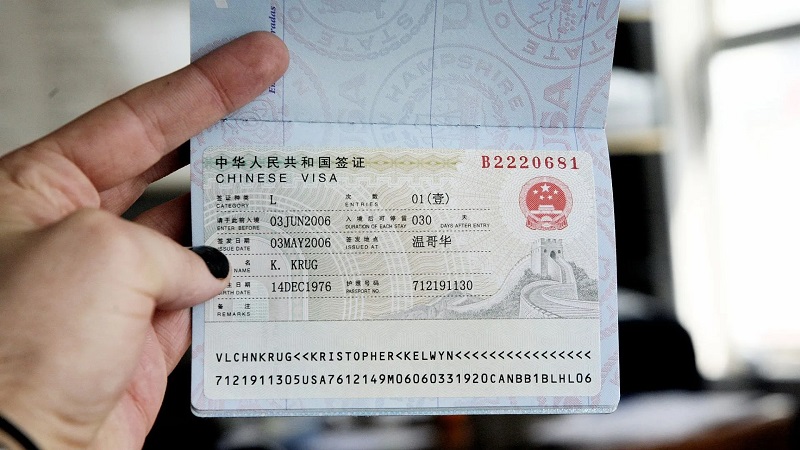
Chinese Visa
Do You Need A Xinjiang Travel Permit?
The word “permit” is often used loosely in travel discussions. It may refer to an authorization for a particular location, an arrangement made through a tour operator, or an older procedure that is no longer applicable. Ask exactly which document or approval is being discussed, which authority or operator handles it, and which places it covers.
Many well-known destinations and cities are visited by foreign travelers, but access should not be treated as universally guaranteed. Remote border areas, locations near sensitive infrastructure, and certain restricted zones may have additional controls. A route that is open to local residents may not necessarily be available to foreign visitors, and permission to visit one area does not imply permission to enter another.
Some visitors hear that they need a “Xinjiang travel permit” for the entire region. That description can be misleading. Requirements are location-specific rather than a universal document that automatically unlocks every part of Xinjiang. Depending on the route, officials may require particular documentation, a guide, an approved vehicle, or other arrangements. In other places, the relevant issue may be a temporary restriction rather than a permit application.
Before confirming a journey, provide your tour operator with your nationality, passport details through a secure channel, intended dates, and a precise list of destinations. Ask them to confirm, in writing where practical, whether foreign visitors can currently travel to each stop and what arrangements are needed. If a provider cannot explain what a claimed permit covers or promises unrestricted access without checking the itinerary, treat that as a reason to seek clarification.
Places And Routes To Check Carefully
Xinjiang is exceptionally large, so a plan to see “the region” can involve many hours of driving or a combination of domestic flights, trains, and road transfers. The administrative status and access conditions of individual places can differ, including between nearby destinations. Build your route around confirmed access rather than assuming that a scenic road or border-side landscape will be open simply because it appears on a map.
Check carefully before planning travel to remote counties, areas close to international borders, and destinations that require long road journeys away from major cities. Ask whether foreign nationals are permitted to visit, whether a local guide or vehicle is required, whether overnight stays are possible, and whether the route has seasonal or temporary restrictions. A destination may be accessible only on particular terms, or a planned road segment may be unsuitable for independent travel.
National parks, heritage sites, and scenic areas can also have their own reservation systems, opening schedules, visitor limits, or identity-check procedures. These are not necessarily immigration permits, but they can still affect whether you can enter on a particular day. Confirm ticketing and entry procedures with the site or a reliable local operator, especially during busy periods or when traveling with a tight schedule.
Avoid building a trip around unofficial claims that a checkpoint can be bypassed or that a local connection will guarantee entry. Follow instructions from authorities and site staff. If a route is closed or permission is declined, do not attempt to continue by an alternative road without confirmation that it is lawful and open to you.
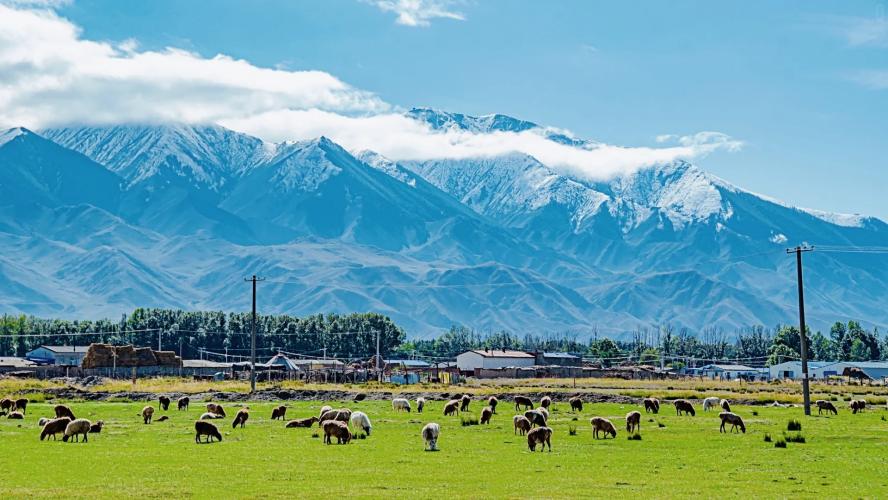
Xinjiang Barkol Grassland
Registering Your Accommodation And Carrying Identification
Foreign visitors in China are generally required to register their accommodation with the local public security authorities. Hotels that are authorized to host foreign guests usually handle the registration process during check-in. Present your passport and any requested immigration documents, and verify that the hotel has completed the required procedure rather than assuming it is automatic.
If you stay in a private home or other accommodation that does not process registration at reception, ask the host in advance how registration will be completed. The usual rule requires registration within a specified period after arrival, and the process may involve the local police station. Because procedures and practical arrangements can vary, confirm the current requirements for your location with your host or local authorities.
Keep your passport available during travel. A clear digital copy stored securely can be useful if the original is misplaced, but a copy is not a substitute for the original when an official requests identification. Consider keeping separate copies of your passport identity page, visa or entry record, insurance details, and emergency contacts. Do not hand your passport to an unofficial intermediary or leave it as collateral unless a lawful, clearly explained procedure requires it.
At checkpoints, remain patient and answer questions calmly. Officers may check identity documents, route details, or vehicle information. Keep important documents easy to reach, avoid photographing security facilities or personnel where prohibited, and follow any instructions about phone use or movement. A checkpoint can take longer than expected, so allow extra time between transport connections.
Booking Transport And Accommodation
Choose transport based on confirmed routes, not only on distance or online travel times. Xinjiang’s major cities are far apart, and mountain roads, weather, security procedures, and rest stops can significantly affect a drive. When booking a private vehicle, confirm that the driver and operator are authorized for the planned route and understand the requirements for carrying foreign visitors.
For trains and domestic flights, enter your name exactly as it appears in your passport. Bring the passport used for the booking; identity checks are common for transport and accommodation. If you have multiple passports or travel documents, use the document that corresponds to your China entry authorization unless an official process instructs otherwise.
Select hotels that confirm they can register foreign guests. Not every property listed on an online platform necessarily accepts international travelers, and a reservation confirmation alone does not ensure that check-in will be possible. Contact the property directly if its foreign-guest policy is unclear, and keep a backup accommodation option for remote stops.
Build flexibility into your schedule. A train delay, a road closure, an additional document check, or a change in local access can affect plans. Avoid booking a nonrefundable onward connection immediately after a long overland transfer. For remote itineraries, discuss contingency routes and overnight options with the operator before departure.
Working With A Tour Operator
A knowledgeable local operator can help clarify route feasibility, transport logistics, hotel registration, and any location-specific arrangements. This can be particularly valuable for travelers who do not speak Chinese or who plan to visit several remote destinations. However, hiring an operator does not guarantee that every location will be accessible, and it does not replace the traveler’s responsibility to hold valid entry authorization.
Ask prospective providers specific questions rather than relying on broad assurances. Which destinations on the proposed itinerary are confirmed for foreign visitors? Are any approvals required, and who arranges them? Are guides, vehicles, or advance reservations mandatory? What happens if a site becomes inaccessible shortly before arrival? Which costs are refundable if the route changes? Clear answers help distinguish practical support from an unrealistic promise.
China Dragon Travel can be one option to contact when you need help planning a Xinjiang itinerary. Share your nationality, dates, and intended route, then ask the company to verify current access conditions and explain any permit or transport arrangements before you pay. Compare the proposed details with the latest official guidance, and request written confirmation of the services included in your booking.

A Practical Planning Timeline
Several weeks or months before travel: Check your Chinese entry requirements and begin any visa application with enough time for the official process. Draft a route that matches your available days, then identify remote or sensitive destinations that require special confirmation.
Before paying for major bookings: Confirm that the accommodation accepts foreign guests, that the transport provider can carry foreign travelers on your route, and that each planned destination is currently accessible. Ask about cancellation terms and whether any permit-related fees are included or separate.
A few days before departure: Recheck transport times, hotel arrangements, site reservations, local weather, and any travel advisories. Save the contact details of your hotels and operator offline, and share your itinerary with someone you trust.
During the trip: Carry your passport, follow registration procedures, and keep your plans adaptable. If access rules change, ask your operator or local authorities for a lawful alternative rather than relying on outdated information or informal workarounds.
Frequently Asked Questions
Can Foreigners Travel Independently In Xinjiang?
In many cases, foreign visitors can make independent arrangements in accessible cities and destinations, but this does not mean every route or area is open for independent travel. Check the exact itinerary, transport rules, and any local requirements before setting out. Remote destinations may involve additional controls or practical limitations.
Is A Chinese Visa Enough To Visit Every Part Of Xinjiang?
No. A Chinese visa or other valid entry authorization allows a traveler to enter China under its stated conditions; it does not automatically authorize access to every restricted area or site. Confirm local access separately for each destination on your route.
Is There One Permit That Covers All Of Xinjiang?
Do not assume so. The term “Xinjiang permit” is often used imprecisely, and requirements may depend on a particular place, route, or current restriction. Ask what specific approval is needed, which destinations it covers, and who confirms its validity.
Can Every Hotel In Xinjiang Register Foreign Guests?
No. Confirm directly with each property that it accepts foreign travelers and can complete the required accommodation registration. This is especially important for small guesthouses and stays outside major cities.
What Should I Do If A Planned Destination Is Closed?
Follow official instructions and do not attempt to bypass a checkpoint or enter a restricted area. Ask your operator or local authorities about a lawful alternative, and keep enough flexibility in your schedule to change the route or stay overnight elsewhere.