
Can Taiwanese travelers visit Xinjiang independently? Yes, in many cases. However, before departure, it is important to understand the applicable document requirements, border access restrictions, and transportation arrangements.
Whether you plan to explore Kanas Lake, travel through the Ili Valley, visit Baihaba Village, or embark on a Xinjiang road trip, you should check the requirements for your travel documents, border permits, driving license, and even refueling along the way. This guide explains the main considerations to help you prepare for your journey.
Key Takeaways
- Taiwanese travelers can generally plan independent trips to many tourist destinations in Xinjiang, subject to local regulations.
- A valid Taiwan Compatriot Travel Permit is an important travel document for visiting mainland China.
- Some border areas may require an additional Border Management Area Pass.
- A Taiwan driver’s license cannot automatically be used as a mainland China driver’s license.
- Xinjiang and Tibet have different travel and driving requirements, so their rules should not be confused.
Can Taiwanese Travelers Visit Xinjiang Independently?
Yes. Taiwanese travelers are not universally required to join a tour group when visiting Xinjiang. With valid travel documents and in compliance with local regulations, they can generally arrange their own transportation, accommodation, and sightseeing, whether traveling solo or with family and friends.
Xinjiang is vast and diverse. From Urumqi and Turpan to Kanas and the Ili Valley, different regions offer distinctive landscapes and cultural experiences. Independent travel provides greater flexibility, allowing visitors to adjust their schedules and spend more time at places that interest them.
However, not every destination is freely accessible. Some areas are subject to border management rules, road access restrictions, or other special administrative requirements. Travelers should check the conditions for each destination rather than assuming that all locations are open to independent visitors.
It is also important to distinguish between Xinjiang and Tibet. Travel to Tibet involves separate permit and itinerary requirements, and international visitors generally need to arrange their trips through an appropriately qualified travel agency. These requirements should not automatically be applied to Xinjiang, where the rules for travel documents, independent travel, and self-driving are different.

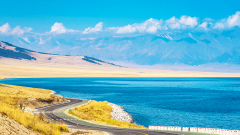
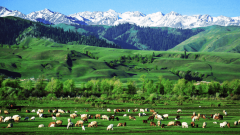
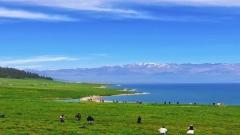
Kanas, Xinjiang
What Documents Do Taiwanese Travelers Need for Xinjiang?
1. Taiwan Compatriot Travel Permit
The Taiwan Compatriot Travel Permit, commonly known as the Taiwan Compatriot Permit or Tai Bao Zheng, is an important travel document for Taiwanese residents visiting mainland China.
Before departure, make sure your permit is valid and keep it secure throughout your trip. You may need to present valid identification when boarding flights, checking into accommodation, or undergoing document inspections. Specific requirements can vary by transportation provider and local regulations, so confirm them before traveling.
2. Border Management Area Pass
An additional border permit may not be necessary for every itinerary covering ordinary tourist cities and open scenic areas. However, travelers visiting certain border management areas may need a Border Management Area Pass.
For example, areas around the Khunjerab Pass (Hongqilafu) are subject to border management requirements. Holding a Taiwan Compatriot Travel Permit does not automatically guarantee access.
Application procedures, eligibility, and access conditions may depend on the traveler’s status, intended destination, and current regulations. Taiwanese travelers should contact the relevant local public security authority or designated application office to confirm how to apply.
Mainland China introduced an electronic Border Management Area Pass system on April 15, 2026. However, applicants in categories including residents of Taiwan, Hong Kong, and Macao may still need to apply in person at designated offices under the applicable rules. Do not assume that the standard online application process available to mainland residents also applies to Taiwanese travelers.
Are There Places in Xinjiang That Taiwanese Travelers May Not Be Able to Visit?
Certain border areas, locations near border crossings, and other specially administered zones may have restrictions relating to travelers’ status, permits, or access arrangements.
Because these rules can change, it is not advisable to label a destination permanently as either accessible or inaccessible. Nor should an old travel blog or another visitor’s past experience be treated as proof that entry is currently permitted.
Can Taiwanese Travelers Visit Baihaba Village?
Baihaba Village is a popular destination for travelers exploring the Kanas region. Some areas previously had restrictions affecting foreign visitors, and Baihaba was reported to have opened to foreign tourists in 2023.
However, the opening of a scenic area, border management requirements, and an individual traveler’s eligibility are separate matters. Before visiting, confirm whether the destination is currently open, whether Taiwanese travelers are eligible to enter, and whether a Border Management Area Pass or other authorization is required.
Do not rely solely on reports from 2023 or older travel accounts when planning your itinerary.
If your trip includes Baihaba, Khunjerab Pass, or other border areas, confirm the latest requirements before booking non-refundable transportation or accommodation.

Baihaba Village
Can Taiwanese Travelers Drive in Xinjiang?
Self-driving is possible to consider, but travelers must first address driving authorization, vehicle rental requirements, route conditions, and local regulations.
A Taiwan driver’s license does not automatically authorize its holder to drive in mainland China. An International Driving Permit alone also cannot replace a driving authorization recognized by mainland Chinese authorities.
How Can Taiwanese Travelers Use Their Driving License in Mainland China?
Taiwanese residents visiting mainland China for a short period who wish to drive may be able to apply for a temporary motor vehicle driving permit, subject to the applicable rules.
Applicants are generally required to prepare a valid Taiwan Compatriot Travel Permit or another accepted entry document, their Taiwan driver’s license, and any other required application materials.
Eligibility, permitted vehicle categories, validity periods, and application procedures may vary by location and individual circumstances. Before renting a vehicle, contact the local vehicle administration authority and rental company to confirm whether you qualify for the relevant permit and whether the company accepts it.
Taiwanese residents who live in mainland China for an extended period can also inquire about the requirements for obtaining or exchanging a regular mainland Chinese driver’s license.
What Should You Know Before a Xinjiang Road Trip?
Distances between Xinjiang’s attractions can be substantial. Some roads pass through mountains, deserts, or remote areas where services and communications may be limited.
Before setting off, check whether your planned roads are open, whether your vehicle is suitable for the terrain, whether additional permits are required, and whether accommodation, fuel, supplies, and communications will be available along the route.
Fueling is another practical consideration. Some gas stations may require real-name identity verification. Whether a Taiwan Compatriot Travel Permit is sufficient for the process can depend on the station and local requirements.
Ask your rental company or local service provider which documents are accepted and how to plan fuel stops. Do not assume every gas station follows the same procedure, and do not use another person’s identity documents to complete the process.
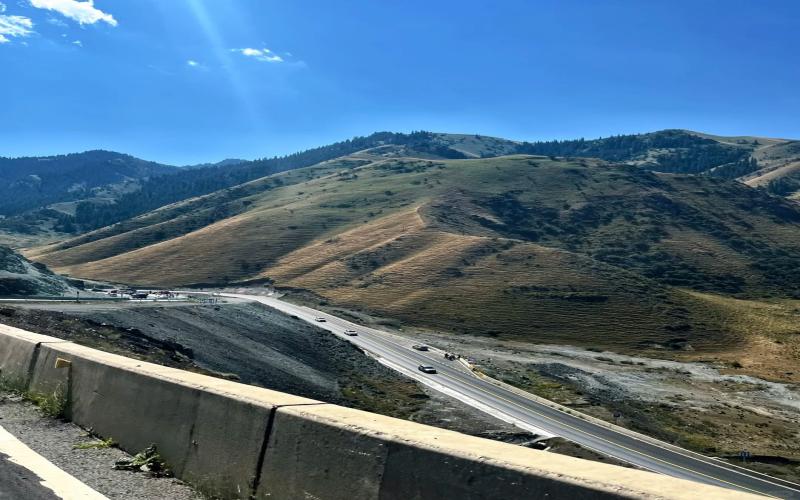
Duku Highway
Can Taiwanese Travelers Drive the Xinjiang–Tibet Highway?
The Xinjiang–Tibet Highway, also known as the Xinjiang–Tibet route, connects parts of Xinjiang and Tibet. It is a demanding journey involving high elevations, long driving distances, and potentially special road access and administrative requirements.
Even if you qualify to drive in Xinjiang, this does not automatically mean you can continue into Tibet under the same arrangements.
Taiwanese travelers considering this route should verify the road access rules, required documents, vehicle arrangements, and driving conditions for both Xinjiang and Tibet. Tibet has travel management requirements that differ from those for ordinary independent trips in Xinjiang. A Taiwan Compatriot Travel Permit and a standard driving authorization should not be assumed to be sufficient for an independent self-driving journey into Tibet.
Before committing to the route, confirm that the entire journey can be completed under your intended travel arrangements. Only then should you finalize vehicle rental, accommodation, or transportation bookings.
How Can Taiwanese Travelers Plan a Smoother Independent Trip to Xinjiang?
First-time visitors may find it easier to begin with destinations that have relatively established transportation and accommodation services, then add more remote locations according to their available time.
When planning a Xinjiang itinerary, remember that straight-line distances on a map can be misleading. Actual driving times, road conditions, and changing weather may significantly affect your schedule.
Before departure, consider the following checklist:
- Check your travel documents: Make sure your Taiwan Compatriot Travel Permit is valid and confirm which documents are needed for transportation and accommodation.
- Verify border access: Check whether each border-area destination is open to you and whether additional permits are required.
- Prepare for self-driving: Arrange the appropriate driving authorization in advance and confirm vehicle rental and fueling procedures.
- Allow flexibility: Long-distance travel can take longer than expected, so avoid packing too many activities into a single day.
- Check conditions in remote areas: Review weather forecasts, road access information, and local administrative requirements before setting out.
If you prefer not to coordinate every transportation and accommodation detail yourself, you can also consider working with a travel agency for selected sections of your trip, private transfers, or local travel arrangements.
China Dragon Travel can help travelers explore itinerary options based on their destinations, travel dates, and preferred travel style. For trips involving border areas or special access requirements, however, travelers should still obtain confirmation from the relevant local authorities before finalizing their plans.