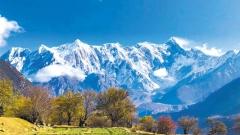
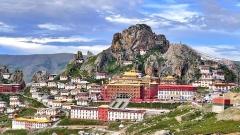
Tibet, with its magnificent natural scenery and profound religious culture, attracts countless travelers worldwide. However, its unique plateau environment imposes higher requirements on pre-trip preparations. Many people wonder what to prepare for Tibet before departure, as adequate and proper preparation is the foundation of a smooth journey. Whether visiting for the first time or returning, mastering scientific preparation tips can not only help cope with unexpected situations like altitude sickness but also enhance travel comfort. Below is a detailed breakdown from multiple dimensions to tell you what to prepare for Tibet, helping you return with wonderful memories.
Clothing & Gear: Adjust to the Climate
Tibet features large temperature differences between day and night. Even in summer, it can be cold in the morning and evening but hot at noon, while winters are extremely cold. Therefore, what clothing to prepare for Tibet should be reasonably matched based on the travel season and itinerary to avoid cold or heatstroke.
Core Clothing:Prioritize breathable, warm, and windproof functional clothing.
- Material Choice: Opt for functional fabrics such as fleece, down, and hardshell jackets, which can retain heat and wick moisture, adapting to Tibet’s changeable plateau climate. Underwear must be quick-drying; avoid cotton underwear to prevent discomfort from dampness after sweating.
- Spring & Autumn Matching: Bring a fleece jacket as the base warm layer and a light down jacket for sudden temperature drops. During the day, you can wear a long-sleeve T-shirt and adjust clothing as needed.
- Summer Matching: Although the climate is cool, UV rays are strong. Prepare a long-sleeve sunscreen jacket and a light coat or hardshell jacket to cope with low morning/evening temperatures and mountain showers.
- Winter Matching: In extremely cold conditions, a thick down jacket (fill power no less than 80%) and a snowproof coat are essential. The outer layer blocks wind, and the inner layer retains heat to resist plateau winds and severe cold.
Accessories:Match core clothing for warmth, protection, and safety, with detailed points as follows:
- Hat: Choose a sun-protective and warm knit hat or baseball cap for daily sun protection and cold resistance in the morning and evening.
- Scarf: Prepare one thin and one thick scarf. The thin one is for daytime sun protection and sand resistance, while the thick one is for cold protection in the morning/evening and high-altitude areas.
- Gloves & Shoes: Gloves are a must in winter or when visiting high-cold areas like Nam Co Lake. Select comfortable and non-slip hiking shoes or mountaineering boots, paired with thick socks to enhance foot warmth and grip, ensuring safety during long walks and outdoor activities.
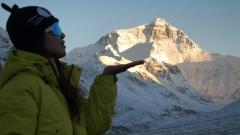
Sunscreen Gear:Tibet has extremely strong UV rays, so sun protection is crucial. Prepare high SPF sunscreen (SPF50+, PA+++++) and reapply it regularly; choose sunglasses that block UVA and UVB to avoid eye damage from strong light; you can also bring a sunscreen mask to reduce facial skin exposure.

Clothing & Gear
Medications: Cope with Altitude Sickness
Altitude sickness is the biggest concern for travelers to Tibet. In addition, issues like acclimatization and colds may occur. Therefore, what medications to prepare for Tibet should cover emergency situations and common illnesses to ensure full preparation.
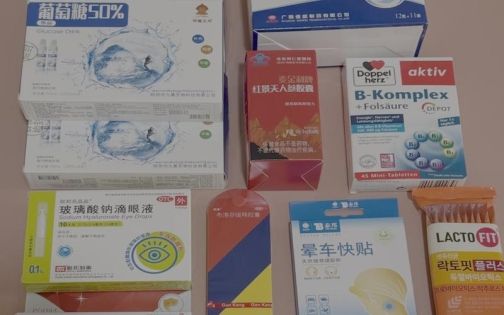
Altitude Sickness Medications:Take Rhodiola capsules or oral liquid one week in advance to help the body adapt to the plateau environment; carry Gaoyuan’an (a traditional Chinese medicine for altitude sickness) and American ginseng slices during the trip to relieve discomfort such as headaches and fatigue. For severe headaches, prepare painkillers like ibuprofen. Do not carry oxygen cylinders on the plane; you can buy or rent portable oxygen tanks locally.
Common Illness Medications:Essential medications for acclimatization and colds include:
Also, prepare first-aid supplies such as band-aids, povidone-iodine, disinfectant cotton pads, and elastic bandages for minor wounds.
- Cold medicines (e.g., Ganmaoling Granules, Ibuprofen Sustained-Release Capsules);
- Gastrointestinal medicines (e.g., Omeprazole, Changyanning);
- Antidiarrheals (e.g., Norfloxacin).
Medications for Special Groups:Travelers with underlying diseases such as hypertension and heart disease must carry sufficient daily medications, inform their doctors of the travel plan in advance, and confirm that their physical condition is suitable for the plateau. Allergy sufferers should carry anti-allergy medicines (e.g., Loratadine) to avoid exposure to local allergens like pollen and food.
Medications
Essential Items: Balance Comfort and Practicality
In addition to clothing and medicines, daily necessities and outdoor gear are indispensable for the trip. What daily items to prepare for Tibet should be based on convenience and adaptability, covering diet, accommodation, transportation, and other aspects.
Daily Necessities:Bring a portable electric kettle to ensure drinking water hygiene; Tibet is dry, so prepare moisturizer, lip balm, and hand cream to relieve skin dryness. It is recommended to bring your own toiletries to practice environmental protection and avoid using disposable products. In addition, carry a small amount of snacks (e.g., chocolate, beef jerky, energy bars) to replenish energy and cope with dietary discomfort during long trips.
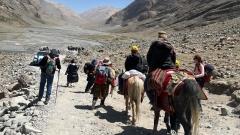
Outdoor & Electronic Gear:If planning hiking, camping, or other outdoor activities, prepare tents, sleeping bags, moisture-proof mats, and other gear with reliable quality to cope with harsh plateau weather. For electronic devices, a camera is essential for recording beautiful scenery; carry spare batteries and chargers. Power supply is unstable in some areas of Tibet, so a power bank is recommended. In addition, bring a flashlight or headlamp for sudden power outages or nighttime travel.
Other Essentials:
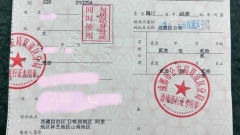
- ID card is the core travel document; keep it properly. If planning to visit border areas like Mount Everest Base Camp and Ngari Prefecture, apply for a border pass in advance, which can be done at the local police station in your household registration area or entrusted to a travel agency in Lhasa.
- Carry a small amount of cash. Mobile network coverage is poor in some remote areas of Tibet, and mobile payments may not be available, so cash can handle emergency expenses.
Physical & Mental Preparation: Adapt to the Plateau
What to prepare for Tibet is not limited to material aspects; physical and mental adjustments are equally important. A good state can greatly reduce the probability of altitude sickness and make the journey smoother.
Physical Adjustment:Avoid strenuous exercise such as running and fitness two weeks before departure to keep the body relaxed and reduce heart burden. Ensure adequate sleep, avoid staying up late, eat a light diet with less greasy and spicy food, and refrain from smoking and drinking to prevent decreased immunity. After arriving in Tibet, avoid bathing and washing hair in the first two days to prevent altitude pulmonary edema caused by colds; at the same time, slow down your pace to give the body enough time to adapt to altitude changes.
Mental Adjustment:Maintain an optimistic attitude and avoid excessive tension and anxiety, as excessive worry can worsen altitude sickness symptoms. Understand Tibet’s customs and religious practices in advance, respect local culture, and avoid discomfort caused by cultural differences. If mild altitude sickness occurs during the trip, do not panic; rest in time and replenish water, and the body will usually adapt within 1-2 days.
Itinerary & Cultural Preparation: Respect Local Customs
Reasonable itinerary planning and understanding of local culture are important prerequisites for a meaningful Tibet trip. What to prepare for Tibet in terms of itinerary should be combined with your own time, budget, and interests to create a suitable travel plan.
Itinerary Planning:Tibet is vast, and the distance between attractions is long. It is recommended to arrange the itinerary reasonably to avoid rushing. For first-time visitors to Tibet, prioritize areas with relatively low altitude and improved infrastructure such as Lhasa, Shigatse, and Nyingchi, and then travel to high-altitude areas like Nam Co Lake and Ngari Prefecture after gradual adaptation. Check the opening hours and ticket booking methods of attractions in advance; some attractions require online booking to avoid being unable to enter upon arrival.
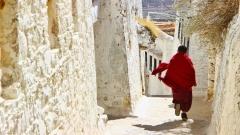
Cultural Preparation:Tibet is a holy land of Tibetan Buddhism with many unique religious customs that need to be understood and respected in advance. When entering temples, take off your hat to show respect, do not randomly touch religious items such as Buddha statues, scriptures, and Thangka paintings, and do not take photos casually (some halls prohibit photography; follow the staff’s arrangements). Communicate friendly with local residents, avoid sensitive topics, and respect local eating habits and lifestyles, such as not eating fish and not killing living beings.
Seasonal Preparation: Cope with Different Climates
Tibet has significant climate differences in different seasons. What to prepare for Tibet should be adjusted according to the travel season to ensure adaptation to the local climate and the best travel experience.
Spring (March-May):The temperature gradually rises but remains cold with large day-night differences; bring thick coats and down jackets. This season has strong sandstorms; prepare a sandproof mask and sunglasses, and pay attention to sun protection as UV rays are still intense. Some attractions may be temporarily closed due to unmelting snow; confirm the opening status in advance.
Summer (June-August):It is Tibet’s rainy season, with precipitation concentrated in the evening. Bring rain gear such as a foldable umbrella and raincoat. The temperature is comfortable; wear a long-sleeve T-shirt and light coat during the day, and add thick clothing at night. Mudslides and landslides may occur in mountainous areas during the rainy season; pay attention to weather forecasts and road information in advance and adjust the itinerary timely.
Autumn (September-November):The climate is cool with little precipitation, making it the golden season for traveling to Tibet. Bring a fleece jacket and light down jacket to cope with low morning/evening temperatures. This season features brilliant scenery with yellow leaves and golden grasslands, suitable for photography; carry camera accessories to record the beauty.
Winter (December-February):The temperature is extremely low, dropping below -20°C in some areas. Bring warm gear such as thick down jackets, snowproof coats, thick gloves, and snow boots. This is the off-season for tourism, with relatively favorable prices for attraction tickets and accommodation, but roads in some remote areas may be icy. It is recommended to book a chartered car through a regular travel agency to ensure safety.
Emergency Preparation: Ensure Travel Safety
Some areas of Tibet are remote with limited transportation and medical conditions. Adequate emergency preparation can help cope with unexpected situations timely. What emergency items to prepare for Tibet should focus on safety and practicality.
- Emergency Contacts:Store local emergency calls, police station numbers, and travel agency contacts in advance, and keep a paper backup to avoid being unable to contact others when the phone has no signal. Inform family or friends of the travel plan, including daily itinerary and accommodation, to ensure someone knows your whereabouts.
- Emergency Supplies:Carry a small amount of compressed biscuits and mineral water to cope with dietary needs during long traffic jams or itinerary delays. Prepare a thermal blanket for warmth in sudden bad weather or physical discomfort. If planning to visit remote areas, bring a satellite phone to ensure smooth communication.
- Insurance Purchase:Buy travel insurance covering altitude sickness and outdoor activities before departure. Carefully read the insurance terms to clarify the coverage and claims process. In case of physical discomfort or accidents during the trip, contact the insurance company and local rescue agencies timely to minimize losses.
In summary, what to prepare for Tibet is a systematic task, covering material gear, physical and mental states, itinerary planning, and emergency precautions—each link is crucial. Adequate preparation can not only help you cope with various challenges of the plateau environment but also allow you to focus on enjoying Tibet’s magnificent scenery and profound cultural heritage. We hope this guide provides reference for your Tibet trip and wish you a memorable journey on the plateau with proper preparations.