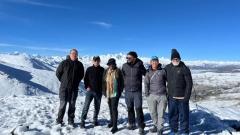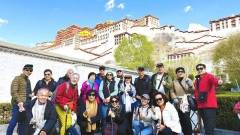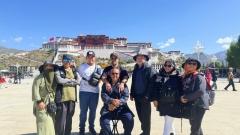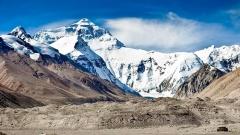

Shigatse, the pulsating core of Tibet, attracts the daring traveler with its stunning elevation of 3,800 meters, setting the pace for the voyage and etching indelible recollections into the hearts of those who wander its paths. This meticulously crafted manual outlines the crucial steps for adapting to the elevated terrain, underscores the importance of comprehensive preparation, and highlights the principal sites to witness its magnificent mountain vistas with unwavering focus.
Understanding Shigatse: A Holy City Defined by Height
Shigatse sits at an altitude of approximately 3836 meters, making it Tibet’s second-largest city after Lhasa. The air is thinner and the sunlight more intense here. The city itself is located in the broad valley at the confluence of the Nyang Chu and Yarlung Tsangpo (Brahmaputra) Rivers, offering relatively gentle terrain. However, it is surrounded by extreme peaks soaring over 5000 and even 8000 meters. This geography means you are in a classic high-altitude environment even within the city, and trips to outlying areas involve significant altitude changes that must be factored into your plans. Understanding this foundation is the first step toward a safe and comfortable trip.
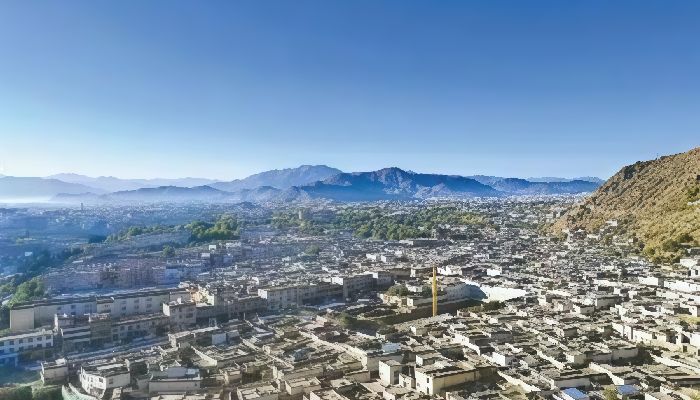
Panoramic View of Shigatse City
Shigatse Altitude and Acclimatization: Making Peace with the Height
Upon arrival at high altitude, your body needs time to adjust to the lower oxygen levels. Making Shigatse your second stop after Lhasa is a wise choice for many seasoned travelers, allowing for a gradual acclimatization process.
Common Altitude Sickness Symptoms and Countermeasures
Mild headaches,shortness of breath, insomnia, or loss of appetite are common during adaptation. The key is to take it slow: move slowly, speak slowly, and eat light meals. Avoid washing your hair, taking showers, drinking alcohol, or engaging in strenuous exercise on your first day. Drink plenty of warm water and keep yourself warm. You can prepare medications like Gao Yuan An, Rhodiola (which should be taken in advance), or simple pain relievers, but allowing your body time is most important. If symptoms worsen significantly—such as severe headache, vomiting, or extreme difficulty breathing—seek medical attention immediately or descend to a lower altitude. Do not push through.
Suggested Pace for Your Itinerary
It is advisable to spend 2-3 days acclimatizing in Lhasa(3650m) before heading to Shigatse. Your schedule in Shigatse city should also focus on leisurely sightseeing, such as visiting the Tashilhunpo Monastery, avoiding overly exhausting activities. Plan trips to higher altitude destinations (like Everest Base Camp) for the middle or later part of your journey, giving your body ample time to prepare.
Shigatse Altitude Guide for Key Attractions and Itinerary Planning
The challenge and allure of Shigatse’s altitude are fully revealed in its surrounding attractions. When planning your route, consider the altitude differences between sites and travel time.
City and Nearby Highlights
- Tashilhunpo Monastery (approx. 3850m):Located northwest of the city, the traditional seat of the Panchen Lamas. Its halls are built into the hillside; explore at a gentle pace.
- Shigatse Dzong/Samdruptse Fortress (approx. 3860m):The ancient fortress ruins overlooking Shigatse, often called the “small Potala.” Climb the steps for a panoramic city view, but proceed according to your ability.
Recommended Classic Outer Routes
From Shigatse,several classic routes let you experience the region’s stunning landscapes. Choose based on your time and acclimatization:
- Shigatse-Gyantse-Karola Glacier-Yamdrok Lake-Lhasa Loop:A route rich in scenery. It passes through the heroic town of Gyantse (approx. 4040m), offers views of the massive Karola Glacier (approx. 5020m at the viewing platform), and concludes with the turquoise waters of Yamdrok Lake (4441m). This route involves significant altitude changes but packs glaciers, sacred lakes, and ancient towns into one trip.
- Mount Everest Base Camp Journey:The ultimate altitude challenge. From Shigatse, travel via Tingri County to Everest Base Camp near Rongbuk Monastery (approx. 5200m). The journey crosses several passes over 5000 meters, testing your limits, but the awe of facing the world’s highest peak is unparalleled. This trip typically requires 3-4 days.
- Exploring Deep Tsang:Sakya and Lhatse: If interested in different schools of Tibetan Buddhism, head to Sakya County to visit Sakya Monastery (approx. 4316m) or pass through Lhatse County. This route sees fewer tourists, offering a quieter experience of Tsang culture and rural landscapes.
We can help you select suitable routes from existing itineraries. For instance, professional tours like those offered by Dragon Travel, which focus on deep cultural exploration of Tsang, cover highlights like Shigatse, Gyantse, and Sakya, ensuring better control over the pace and physical demands under expert guidance.
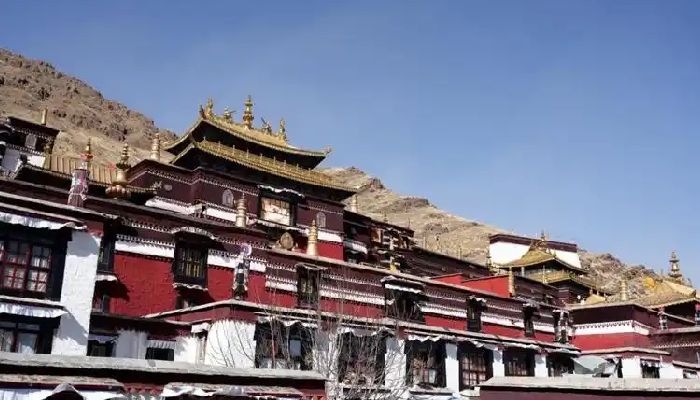
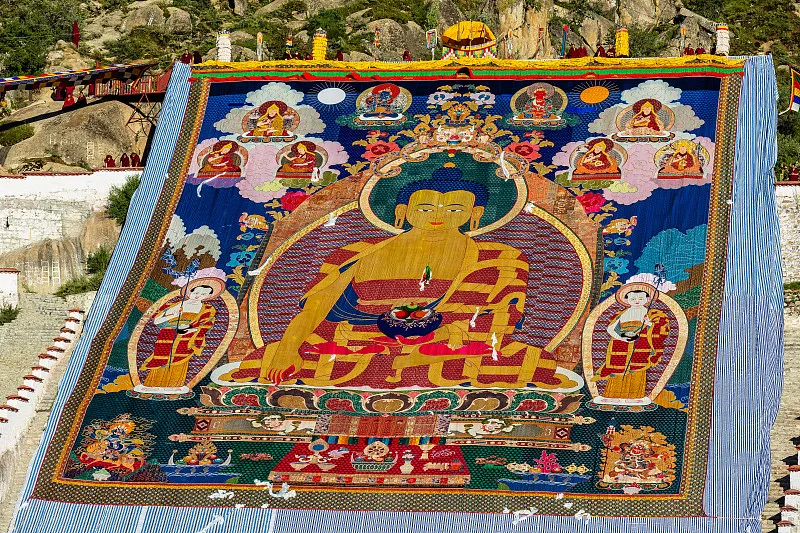
Tashilhunpo Monastery
Pre-Trip Checklist: Gearing Up for High Altitude
Thorough preparation significantly enhances your travel experience in Shigatse’s altitude.
- Clothing: Follow the “layering” principle. Sun protection is crucial during strong daytime sun (high-SPF sunscreen, sunglasses, wide-brimmed hat). Nights are cold, so pack warm layers (windproof jacket, fleece, warm hat). Waterproof, sturdy hiking boots are essential.
- Documents: Travel to Tibet requires a Tibet Travel Permit, which must be arranged through a registered travel agency for both Taiwanese and international travelers. Start this process at least 20 working days in advance.
- Other Essentials: Lip balm and moisturizer for the dry air; a power bank (batteries drain faster in the cold); and a thermos for hot water.
Capturing the Splendor: Photography Tips at Shigatse’s Altitude
The clear air and dramatic light at high altitude are a photographer’s dream.
- Light:The hour after sunrise and before sunset offers the softest, most dimensional light for mountains and monastery details. Harsh midday sun creates strong contrast—consider focusing on colorful architectural details.
- Gear Care:Be mindful of reduced battery life in cold temperatures; keep spare batteries close to your body. Change lenses quickly to prevent dust from entering the sensor in windy, sandy conditions.
- Respect First:Always ask for permission before photographing inside temples, monks, or local residents. Photography is often prohibited inside chapels.
From Preparation to Departure: Embracing Your Unforgettable Shigatse Journey
Treading the ground of Shigatse initiates an intimate discourse with the essence of nature and the rich tapestry of cultural heritage in their most unadulterated and elevated state. The towering altitude of Shigatse stands as a testament not merely to its physical prominence but also to the zenith of its spiritual and panoramic magnificence. Embarking on this odyssey transcends mere appreciation of the scenery—it encompasses the harmonious fusion of your physical being and mental acuity with the plateau’s serene atmosphere with each breath taken. The process of acclimatizing to high-altitude intricacies and the meticulous planning of each stage of the journey are instrumental in converting preparation into a seamless and awe-inspiring travel experience. For those in pursuit of a meticulously planned and immersive exploration, it would be judicious to seek guidance from seasoned travel consultants, such as the experts at Dragon Travel. They are adept at curating a bespoke journey that resonates with your personal interests and physical capabilities, meticulously crafted for the distinctive high-altitude traits of Shigatse, guaranteeing a Tsang expedition that is as secure as it is deeply moving, etching indelible memories for a lifetime.