
For foreigners planning their first trip to Tibet, understanding the region’s unique regulations and high-altitude conditions is essential. Located on the Qinghai–Tibet Plateau, with an average elevation above 4,000 meters, Tibet differs significantly from other travel destinations in both administrative requirements and physical challenges. Foreign travelers must obtain the Tibet Travel Permit through an authorized local tour agency, hold a valid Chinese visa, and travel with arrangements for transportation, accommodation, and guides provided by the agency.
Key Regulations and Documents for Foreign Visitors’ First Trip to Tibet
To plan a trip to Tibet, the first step is to understand its basic travel management regulations, which is the prerequisite for a smooth trip.
Core Regulations: Group Travel and Tibet Travel Permit
According to Tibet’s tourism management regulations, visitors holding foreign passports cannot travel freely in Tibet. You need to organize your itinerary through a local travel agency in Tibet that is qualified to receive foreign guests, and must be accompanied by a tour guide during your trip in Tibet. This regulation is to ensure the safety of visitors and the quality of reception in the plateau environment.
An important document directly related to this regulation is the Tibet Travel Permit, also known as the Tibet Tourism License. It is a mandatory document for you to enter Tibet, without which you cannot purchase air or train tickets to Lhasa.
- Who needs to apply? All foreign visitors holding non-Chinese passports.
- How to apply? Individuals cannot apply directly. It must be applied for on your behalf by a legally qualified local travel agency in Tibet.
- What materials are required? You usually need to provide a clear scanned copy of the passport’s front page and a valid Chinese visa.
- How long does the application take? Review and issuance usually take 15 to 20 working days. If you travel during the peak tourist season (May to early October), or your itinerary includes border control areas such as Everest Base Camp and Ngari, it is recommended to reserve more time. You should start the application process 1 to 1.5 months before the planned departure date at the latest.
- Important Note: The Tibet Travel Permit is a physical original copy. When you take a flight or train to Lhasa from a mainland Chinese city (such as Chengdu, Xi’an), the airport and railway station will inspect this physical original copy, and the electronic version is invalid. A reliable travel agency will deliver the original copy to you before your departure.
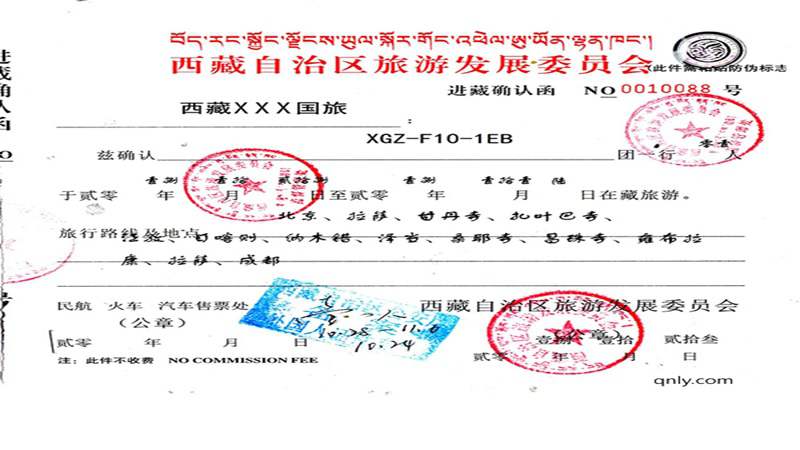
Tibet Travel Permit
Notes on Selecting a Travel Agency
Since itinerary arrangement and document application all rely on travel agencies, choosing a reliable service provider is crucial.
- Verify qualifications: Confirm that the travel agency has a valid Travel Agency Business Operation License and clearly has the qualification for inbound tourism business, i.e., the legal qualification to receive foreign visitors.
- Clarify services and fees: Before confirming cooperation, ask the other party to provide a detailed and transparent itinerary quotation and contract. The contract should clearly list all fee-inclusive items (such as accommodation, tickets, vehicles, tour guide services, etc.) and exclusive items. Be alert to “low-priced tour groups” with prices significantly lower than the market level.
- Pay attention to safety and protection: Ask the travel agency how to deal with emergencies such as altitude sickness. A formal travel agency will have a scientific itinerary arrangement (e.g., starting acclimatization from lower altitude areas), be equipped with emergency oxygen on the vehicle, and provide 24-hour contact support.
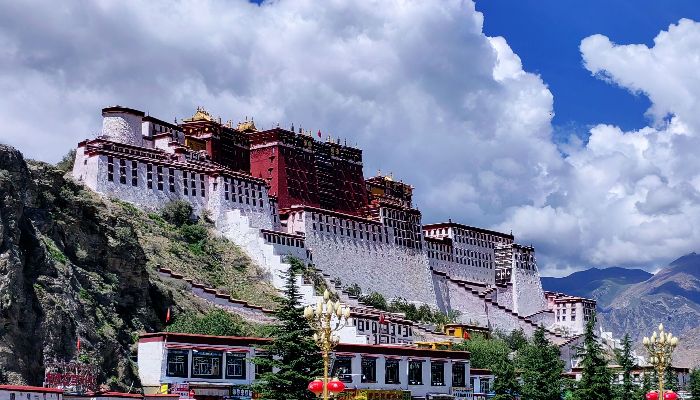
Potala Palace In Tibet
Scheduling and Season Selection for Foreign Visitors Planning a Trip to Tibet
Tibet presents different scenery in different seasons, and the choice of travel time mainly depends on the landscapes you prefer and the climatic conditions you can adapt to.
- The most suitable travel season (May to early October): The climate is the mildest during this period, with abundant sunshine in the daytime, lush vegetation, and good traffic conditions on most roads. This is also the peak tourist season, with higher prices for air tickets and accommodation, and tickets for popular scenic spots such as the Potala Palace need to be booked well in advance.
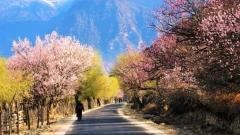
- Off-peak season (April, late October to November): There are relatively fewer tourists, providing a more peaceful travel experience. You may see blooming flowers in spring and brilliant autumn colors in the mountains and forests in late autumn. The temperature drops significantly at this time, especially in the morning and evening, so you need to prepare enough warm clothing.
- Winter (December to March of the following year): This is the low tourist season, with bright sunshine and a clear blue sky. Tickets for many scenic spots and hotels have big discounts, and you can enjoy a quiet environment. However, the weather is cold, and some high-altitude scenic spots (such as Nam Co) may be temporarily closed due to heavy snow.
Itinerary duration suggestion for first-time visitors:
For foreign visitors traveling to Tibet for the first time, it is recommended to arrange an 8 to 12-day itinerary. This duration allows you to visit the core scenic spots in Lhasa, Nyingchi, Shigatse and other places in a relatively relaxed manner, and also provides sufficient time for your body to gradually adapt to the plateau environment, avoiding excessive fatigue due to a too tight itinerary.
Health Preparation and Acclimatization Guide for Foreign Visitors Planning a Plateau Trip
Altitude sickness is a normal physiological phenomenon that needs to be taken seriously when traveling to high-altitude areas. With adequate preparation and correct methods, the vast majority of people can acclimatize smoothly.
Pre-departure Preparation:
- Health consultation: If you have any underlying heart, lung diseases or other serious chronic diseases, it is a necessary step to consult a doctor’s opinion before departure.
- Maintain a good mindset: Avoid excessive anxiety and tension, as mental state will affect the body’s acclimatization process.
- Prevent colds: Keep warm before departure and during the trip to strictly prevent colds. Catching a cold in the plateau area may recover slowly and may aggravate altitude sickness.
Acclimatization Measures After Arriving in Tibet:
- Slow down the activity rhythm: Intentionally slow down all movements for the first day or two after arriving in Lhasa (with an altitude of about 3,650 meters). Avoid walking fast, running or lifting heavy objects.
- Replenish plenty of water: The air on the plateau is dry, and the human body’s water evaporates faster. You should actively and frequently drink warm water to keep the body well-hydrated.
- Pay attention to diet: Choose light and easily digestible food, avoid overeating and excessive greasy food. You can drink an appropriate amount of butter tea, which local experience believes helps with plateau acclimatization.
- Avoid bathing on the first day: It is recommended not to take a bath or wash your hair on the first day of arrival to prevent colds or discomfort caused by accelerated blood circulation due to closed bathroom space and large temperature differences.
- Utilize the support of the travel agency: A professional travel agency should be able to provide you with important safety guarantees, including designing a reasonable itinerary from low to high altitude, ensuring the vehicle is equipped with emergency oxygen, arranging hotels with oxygen supply facilities, and providing timely assistance and guidance when you feel unwell.
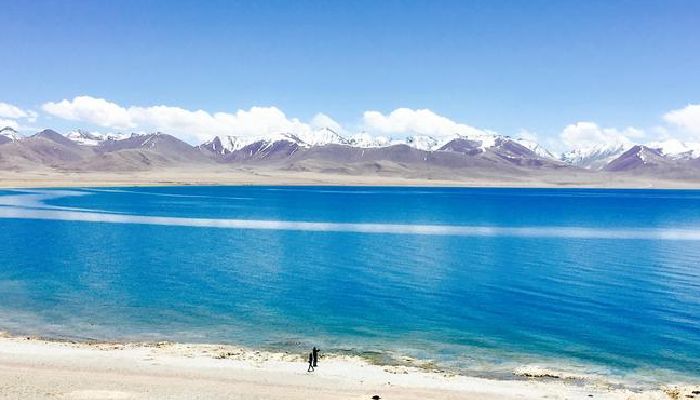
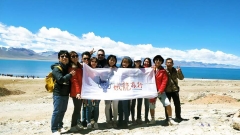
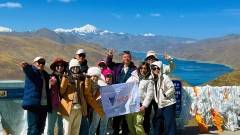
Nam Co Lake In Tibet
Practical Guide for Foreign Visitors: Culture, Budget and Pre-trip Checklist
Respecting Local Culture and Customs:
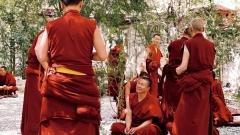
Respecting local culture is the foundation of an in-depth travel experience. When visiting a temple, please remove your hat, keep quiet, and note that taking photos of Buddha statues and murals is usually strictly prohibited inside the hall. When turning prayer wheels or walking around temples or stupas, please follow the clockwise direction. If you need to take photos of local residents or monks, be sure to obtain their explicit consent through gestures or a smile first.
Main Components of Travel Budget:
The total travel cost in Tibet mainly includes several parts: international round-trip air tickets, transportation fees from mainland Chinese cities to Tibet, tour package fees paid to the travel agency (usually including accommodation, tickets, transportation, tour guide services, etc.), meal expenses, personal shopping expenses and travel insurance premiums.
- Choosing a package tour is a common and worry-free way, with bundled fees and no need to arrange details by yourself.
- Choosing a private customized small group offers greater flexibility and can better fit personal interests, but the per capita cost is usually higher.
In any case, purchasing a comprehensive travel insurance that includes emergency medical evacuation and treatment for high-altitude illnesses is a very important and worthwhile investment.
Pre-trip Packing Checklist:
- Important documents: Passport, valid Chinese visa, Tibet Travel Permit (provided by the travel agency).
- Clothing and equipment: Tibethas a large temperature difference between day and night, so warm clothing must be prepared regardless of the season. The “layered dressing method” is the most practical: moisture-wicking inner layer, warm middle layer, windproof and rainproof outer layer. A wide-brimmed hat, sunglasses and high SPF sunscreen (SPF50+ or higher) are necessities to protect against the strong ultraviolet rays on the plateau.
- Personal medicine: Daily personal medication, headache relief medicine (such as ibuprofen), and vitamin supplements.
- Other supplies: Insulated water bottle, highly moisturizing skin care products and lip balm, portable charger.
Payment and Communication Tips:
In major cities such as Lhasa, hotels, restaurants and most stores accept mobile payment (such as Alipay, WeChat Pay) or credit cards. However, it is necessary to prepare a certain amount of RMB cash when in remote towns and villages, small vendors or taking local transportation. Learning a few simple Chinese phrases, such as “Ni Hao (Hello)” and “Xie Xie (Thank you)”, or preparing a translation app will help with basic communication.
Key Takeaways for Foreigners Planning Their First Tibet Journey
In summary, a successful first trip to Tibet for foreign travelers depends on early planning, clear understanding of regulations, and professional support. The essential steps include selecting an appropriate travel season, working with a licensed tour agency authorized to handle foreign visitors, submitting documents for the Tibet Travel Permit and Chinese visa, and preparing carefully for high-altitude conditions. Each stage plays a critical role in ensuring a smooth and compliant journey. For travelers seeking reliable assistance with permits, itinerary coordination, and altitude-related support, working with an experienced agency such as China Dragon Travel can provide peace of mind and allow you to focus on experiencing Tibet’s remarkable landscapes and cultural heritage.