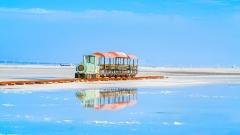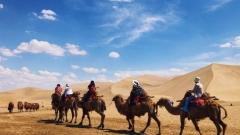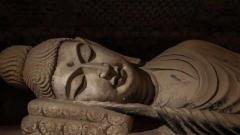

Nestled on the northeastern edge of the vast Tibetan Plateau lies a sparkling, boundless jewel: Qinghai Lake. Known in Tibetan as Tso Ngonpo (“The Cyan Sea”), it is China’s largest inland saltwater lake. It serves not only as a deeply sacred destination for Tibetan Buddhists but also as a historic crossroads where the ancient Southern Silk Road met the legendary Tea-Horse Road.
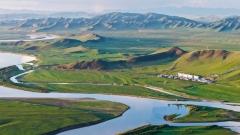
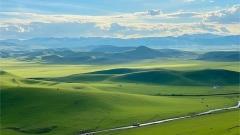
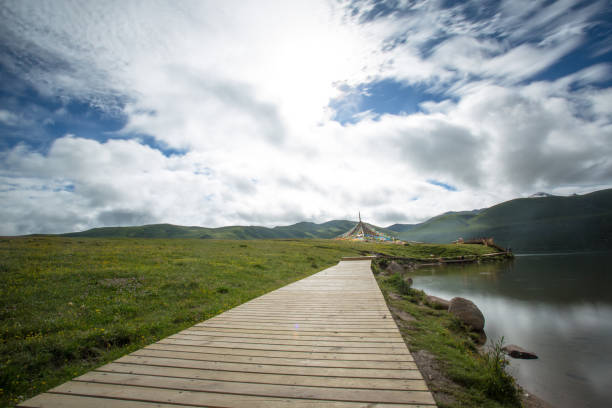
Traveling to Qinghai Lake greets you with an overwhelming visual canvas of high-mountain pastures, endless blue waters, and golden blankets of wildflowers. As night falls, the rich aromas of roasting meats and simmering milk tea drifting from nomadic lakeside tents invite you on a culinary journey through Tibetan and Hui heritage.
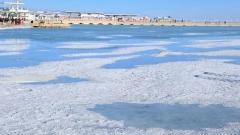
1. Infinite Blue: The Visual Wonders of Qinghai Lake
The scenery of Qinghai Lake shifts dramatically with the movement of light, clouds, and seasons, offering a breathtaking display of nature’s raw canvas.
-
The Golden Blossom Season: July and August mark the lake’s most spectacular transformation. Thousands of acres of golden rapeseed flowers burst into full bloom along the shorelines. This vibrant yellow sash, contrasted against the deep sapphire lake, emerald Qiandian ridges, and pure white alpine clouds, forms a living oil painting.
-
Erliguan and Bird Island: Located on the southern shore, Erliguan (Two-Wolf Sword) features a narrow, dagger-like peninsula cutting deep into the water, making it the premier spot for panoramic views of the “Qinghai Blue.” Meanwhile, on the western shores, Bird Island serves as a pristine sanctuary for tens of thousands of migrating wild birds, including bar-headed geese and brown-headed gulls.
2. Echoes of the Past: Princess Wencheng and the Tang-Tibet Road
Beyond its natural grandeur, Qinghai Lake flows with profound historical epics of diplomacy and cultural exchange.
-
Sun and Moon Mountain & The Backward-Flowing River: Along the ring road lies Sun and Moon Mountain (Riyue Shan), the historic boundary between the Tang Dynasty and the Tibetan Empire. According to 7th-century lore, Princess Wencheng paused here during her long journey to marry the Tibetan King Songtsen Gampo. Looking back toward her homeland, she dropped a precious mirror gifted by the Emperor. Its shattered halves transformed into the Sun and Moon peaks, while her tears collected to form the Daotang River, which uniquely flows westward into the plateau rather than east to the sea.
-
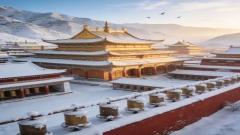
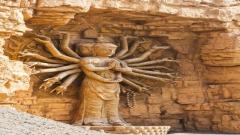
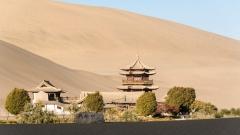
A Cultural Crucible: As the intersection of agricultural dynasties and nomadic steppes, the surrounding valleys are dotted with ancient outposts and Tibetan Buddhist temples (such as the nearby Kumbum Monastery), standing as silent witnesses to centuries of cultural synthesis.
3. Soul of the Plateaus: Kang Mutton and Alpine Cold-Water Fish
The culinary scene surrounding Qinghai Lake is deeply shaped by Tibetan nomadic culture and Hui Muslim traditions, placing immense value on pure, locally harvested ingredients.
1. Qinghai Kang Mutton (The Silk Road Outpost Roast)
-
History & Origins: In northwestern dialect, “Kang” refers to a slow-roasting cooking method utilizing a heavy, flat-bottomed iron pan. This dish originated from Silk Road caravan guards and nomads who needed a hearty, efficient meal while setting up camp. They tossed fresh lamb chunks and local potatoes into a single pot, using the sheep’s natural fats to sear the meal.
-
The Flavor Profile: This dish exclusively features Tibetan sheep raised on pristine alpine pastures above 3,000 meters. The lamb chops are seasoned with cumin, chili powder, and five-spice, then roasted alongside potatoes, onions, and wide glass noodles. The mutton achieves a crispy exterior while remaining incredibly juicy inside, while the potatoes absorb the rich oils to become beautifully tender.
2. Highland Cold-Water Trout (Gifts of the Glacial Streams)
-
History & Origins: While the native Naked Carp (Huangyu) of Qinghai Lake is a strictly protected species banned from fishing, the surrounding glacial meltwaters have given rise to world-class, sustainable eco-aquaculture bases focusing on Rainbow Trout and Golden Trout.
-
The Flavor Profile: Because the high-mountain streams remain just above freezing temperatures year-round, these cold-water fish grow incredibly slow. This results in remarkably firm, tightly textured meat with beautifully marbled healthy fats. Whether served as delicate sashimi or gently simmered in a clear local broth, it offers a clean, sweet flavor completely free of muddy undertones.
4. Nomad Traditions: Tsamba and Brick Tea Comforts
Stepping inside a traditional yak-hair tent along the lake, local Tibetan hosts will welcome you with their most sacred, time-honored staples.
1. Tsamba (Highland Barley Meal)
-
History & Origins: Tsamba has served as the backbone of Tibetan survival for over a thousand years. Designed to suit a nomadic lifestyle that braved extreme cold, low oxygen, and a scarcity of firewood, ancestors invented this pre-cooked, highly portable grain flour.
-
The Flavor Profile: Native highland barley is roasted and ground into a fine flour. To eat it, you pour hot tea, a dollop of yak butter (yak-ghee), and dried milk curds into a wooden bowl, using your fingers to knead it into dense, savory dough balls. Rich in nutrients and roasted aromas, it is the ultimate comfort food for combating plateau chills.
2. Tibetan Ao-Cha (The Salt and Spice Brew)
-
History & Origins: The high plateaus historically grew no tea leaves. Following the opening of the Tea-Horse Road during the Tang Dynasty, inland pressed brick tea traveled to the northwest. To survive the harsh climate lacking fresh vegetables, nomads adapted the tea by adding local minerals.
-
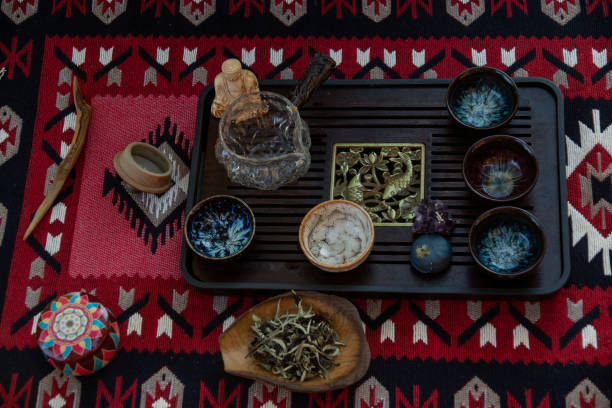
The Flavor Profile: Unlike sweet milk teas, Ao-Cha involves boiling dark brick tea leaves in mountain water, then infusing it with a pinch of local lake salt, Sichuan peppercorns, and fresh ginger (occasionally softened with a splash of fresh yak milk). It carries a savory, subtly spiced warmth that aids digestion, cuts through heavy meat oils, and replenishes essential minerals.
Practical Qinghai Lake Travel & Culinary Tips
-
Altitude Management & Pacing: The shores of Qinghai Lake sit at approximately 3,200 meters (10,500 feet) above sea level. For travelers visiting high altitudes for the first time or senior travelers (aged 60 and above), it is highly recommended to schedule the lake for day two or three of your journey. Spend your arrival day adjusting in Xining City, which sits at a comfortable 2,200 meters. Maintain a gentle, slow travel pace, avoid heavy running, and rest assured that modern tour coaches on this route routinely carry oxygen support for maximum comfort.
-
Vegetarian & Vegan Dining Options: While the Northwest is famous for its pastures, Qinghai Lake offers great flexibility for plant-based travelers. Traditional Highland Tsamba can easily be prepared vegan by requesting it kneaded with simple hot tea or water instead of yak butter. Furthermore, local side dishes such as roasted cumin potatoes, fermented cold oats (Tianpeizi), and local flatbreads are entirely plant-based, offering delicious, authentic vegetarian ways to experience the flavors of the plateau.