
In the heart of the vast Gobi Desert, Dunhuang shines like a brilliant pearl at the historic crossroads of the ancient Silk Road. The Mogao Caves, also known as the “Caves of the Thousand Buddhas,” represent the pinnacle of this oasis’s glory. It is not merely a temple of Buddhist art but a symphonic record of human civilization spanning over a millennium.
In Dunhuang, you will witness miracles carved into rock, listen to the whispering sands of Mingsha Mountain, and be healed by the robust, aromatic flavors of the Hexi Corridor as night falls.
An Artistic Sanctuary in the Desert: The Splendor of Mogao
The Mogao Caves, chiseled into the cliffs of Mingsha Mountain, are recognized as a UNESCO World Heritage site and home to the largest and most content-rich collection of Buddhist art in the world.
-
An Epic of Murals and Sculptures: Stepping into the caves is like entering a time-traveling gallery. From the rustic simplicity of the Northern Wei to the opulence of the Sui and the peak elegance of the Tang Dynasty, over 45,000 square meters of murals document ancient architecture, fashion, music, and social life.
-
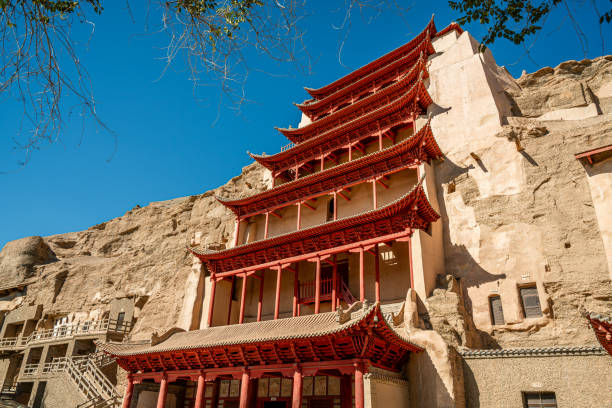
The Nine-Story Building: The iconic red “Nine-Story Building” guards a colossal Maitreya Buddha statue. When the evening sun hits the cliff face, the sense of sacred history is profound enough to take any traveler’s breath away.
A Millennium in the Making: From Le Zun’s Vision to a Global Hub
The construction of Mogao was not a single event but a collective masterpiece created over a thousand years.
-
The Origin Legend: According to lore, in 366 AD, a monk named Le Zun was traveling through the desert when he saw a vision of a thousand Buddhas bathed in golden light. Inspired, he carved the first cave. Over the centuries, monks, travelers, and wealthy patrons (donors) followed suit, commissioning caves to seek blessings and merit.
-
A Cultural Melting Pot: As a vital Silk Road hub, Dunhuang was the melting pot of Central Chinese, Western, Persian, and Indian cultures. This fusion is vividly displayed in the “Flying Apsaras” (Feitian) figures and the diverse decorative patterns that adorn the cave walls.
Tastes of the Hexi Corridor: Deep Dive into Dunhuang Cuisine
Dunhuang’s food culture is as diverse as its history, blending nomadic traditions with Central Chinese farming heritage to create hearty, savory dishes.
1. Donkey Meat Yellow Noodles (The Art of the Silk Road Table)
-
History & Origins: A local proverb says, “Dragon meat in heaven, donkey meat on earth.” Donkey Meat Yellow Noodles have ancient roots; murals in Cave 156 actually depict the vivid process of noodle pulling. This dish is a perfect marriage of master noodle craftsmanship and local livestock.
-
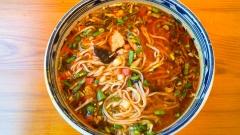
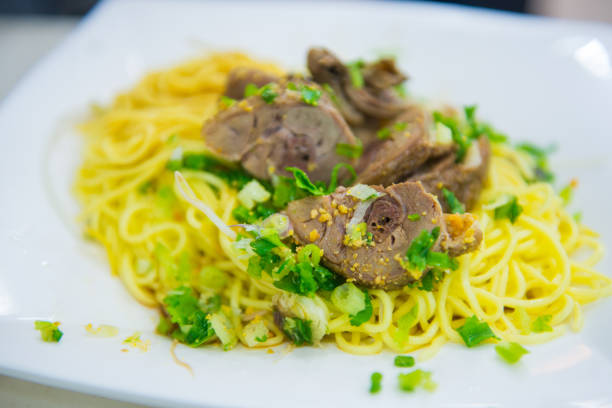
The Flavor: The noodles are as fine as dragon whiskers and golden in color. They are served with thinly sliced, five-spice braised donkey meat and topped with a special mushroom and tofu gravy. The noodles are springy, and the meat is tender without being greasy—an absolute must-try.
2. Hu-Yang Smothered Pancakes (The Silk Road Fusion Dish)
-
History & Origins: The word “Hu” refers to Western nomadic tribes, while “Pancakes” (Bing) represent traditional Han Chinese staples. This dish originated from the cooking methods of ancient armies or trade caravans who smothered thin dough over stewing lamb to cook it using the rising steam.
-
The Flavor: Using premium lamb from the Hexi Corridor—tender and free of gamey odors—the dish features paper-thin pancakes that absorb the rich, concentrated lamb broth. It is a robust, satisfying meal that embodies the bold spirit of the Northwest.
3. Dunhuang Apricot Peel Tea (The Desert’s Nectar)
-
History & Origins: Dunhuang is famous for its “Li Guang” apricots. To preserve the harvest, locals sun-dried the apricots and boiled them with rock sugar and hawthorn to create a cooling summer tonic.
-
The Flavor: Bright orange and translucent, this tea is perfectly sweet and tart with a delicate fruity aroma. It is the best companion for staying hydrated and refreshed during a desert journey.
Practical Dunhuang Travel & Culinary Tips
-
Reservation & Pacing Advice: The Mogao Caves operate on a strict pre-booking system; it is highly recommended to book your tickets 15 to 30 days in advance. For senior travelers or families, Dunhuang’s pace is very accommodating. The Mogao visitor center is equipped with accessible facilities and shuttle buses. We suggest visiting the caves in the morning when it is cool, and heading to Mingsha Mountain at dusk for the sunset to avoid the midday desert heat.
-
Vegetarian & Vegan Dining Options: While the region is famous for lamb, plant-based travelers can eat exceptionally well here. The “Yellow Noodles” are vegan by nature; simply ask the restaurant for a mushroom or tofu-based sauce (Mogu Doufu Luzhi) without meat. Additionally, the Dunhuang night markets offer plenty of roasted potatoes, grilled chives, and fresh handmade Liangpi (cold noodles). The local Apricot Peel Tea and dried fruits are also excellent vegan snacks.
-
Desert Climate Preparation: Dunhuang has a dry climate with significant temperature drops at night. We recommend bringing ample moisturizer and sun protection. While enjoying the local cuisine, staying hydrated with mineral water or warm tea will help ease any discomfort caused by the dry Northwestern air.