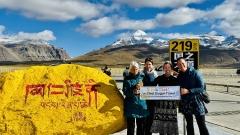

For international travelers, the idea of spending a night inside a living Tibetan Buddhist monastery is one of those rare travel experiences that lingers in the memory long after the journey ends. And the good news is – it is absolutely possible. With the right preparation and a well-organized tour, you can sleep, eat, and wake up within the ancient walls of monasteries that have stood for centuries, in places most travelers never reach.
This complete guide covers everything you need to know: the legal requirements, the best monasteries to stay at, how to plan your itinerary, what to pack, and how to behave respectfully in these sacred spaces.
Can International Tourists Stay in a Tibetan Monastery?
Yes – but only under specific conditions. Not every monastery in Tibet accepts foreign overnight guests, and you cannot simply show up and ask for a room. To legally and safely stay at a monastery guesthouse in Tibet, you need to meet all of the following requirements.
A Pre-Arranged Guided Tour
Under current travel regulations in Tibet, independent travel is not permitted for international visitors. Every foreign tourist must be part of an organized tour managed by a licensed local travel agency. Your licensed guide and a private vehicle must accompany you throughout the trip, and the monastery guesthouse must be listed in your tour itinerary in advance. China Dragon Travel handles all of this on your behalf, from itinerary design to on-the-ground support.
The Tibet Travel Permit
This is the essential document required to enter the Tibet Autonomous Region. It cannot be applied for individually – it must be submitted through a registered travel agency using copies of your passport and Chinese visa, or your visa-free entry information if your country benefits from China’s expanded visa-free policies. China Dragon Travel applies for this permit for you at no extra charge.
Region-Specific Permits
Depending on which monastery you plan to visit, additional permits may be required beyond the Tibet Travel Permit. For example, staying at Rongbuk Monastery near Everest Base Camp or the monastery guesthouses along the Mount Kailash Kora route requires separate border area or military permits. Your travel consultant will identify exactly which documents apply to your chosen itinerary and handle the entire process.
Choosing the Right Monastery
This is a point that many travelers overlook. Tibet is home to thousands of monasteries, but the overwhelming majority are closed religious institutions used exclusively by resident monks. Only a small handful have guesthouses that can accommodate foreign travelers – and these are the monasteries we focus on in this guide.
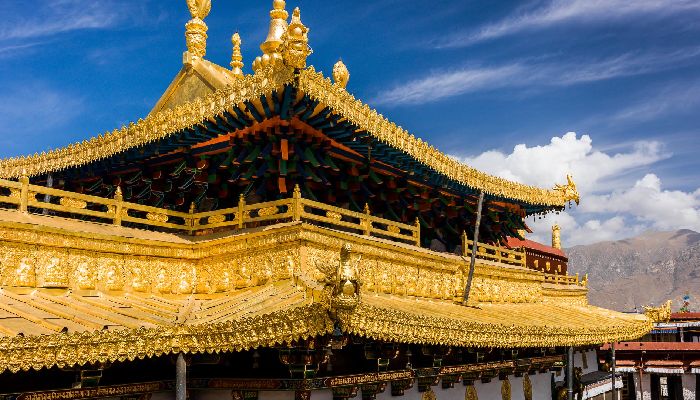
Jokhang Temple
What to Expect From a Monastery Stay in Tibet
Before booking, it is important to set realistic expectations. Monastery guesthouses are not hotels. Compared to the best accommodation options in Lhasa or Shigatse, they are extremely basic.
Private bathrooms are rarely available. Heating is limited or nonexistent. Hot water may only be available for a short window each day. Stable Wi-Fi is unlikely. In many remote locations, the toilet facilities are communal dry-pit latrines located outside the main building.
What you will have instead is something far harder to find anywhere else in the world: silence, altitude, starlit skies with zero light pollution, and the rare privilege of being a quiet guest inside a centuries-old living monastery. For the right kind of traveler, the trade-off is not even a question.
The 5 Best Monasteries to Stay at in Tibet
While only a small number of Tibetan monasteries welcome overnight guests, those that do offer some of the most extraordinary accommodation experiences anywhere on the planet. Here are the top five.
Rongbuk Monastery – The Highest Monastery in the World, With Front-Row Views of Everest
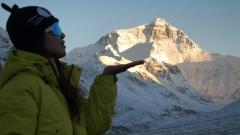
Perched at roughly 5,000 meters above sea level, Rongbuk Monastery holds the title of the highest monastery in the world. It sits in the direct shadow of Mount Everest’s massive north face, making it the single greatest vantage point in all of Tibet for watching sunrise and sunset transform the summit into a wall of glowing gold.
For travelers on an Everest Base Camp tour, spending the night at Rongbuk Monastery Guesthouse is the defining highlight of the journey. On a clear evening, you can stand outside your room and look directly up at the peak that has drawn climbers, pilgrims, and dreamers from across the globe for over a century.
Location: Tingri County, Shigatse Prefecture, near Everest Base Camp Altitude: Approximately 5,000 meters
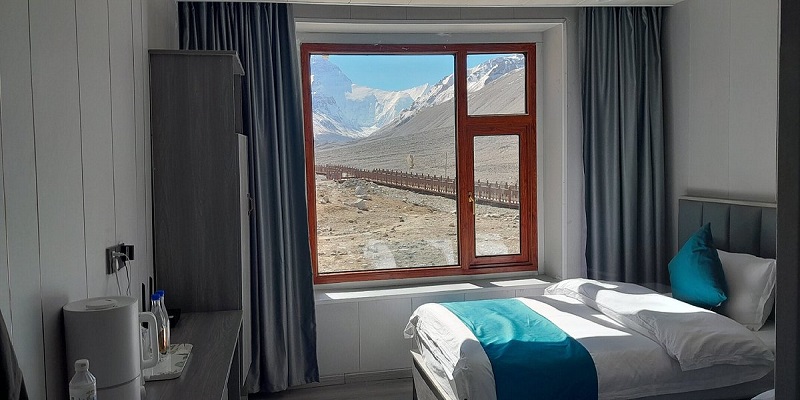
Rongbuk Monastery Accommodation
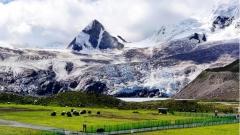
Drirapuk and Dzultripuk Monasteries – Sleeping on the Sacred Mount Kailash Kora Route
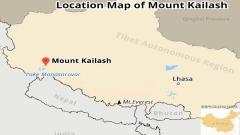
For travelers completing the sacred 3-day trekking circuit around Mount Kailash, staying at the monastery guesthouses along the Kora route is not just a cultural choice – it is a practical necessity. The full circuit covers 52 kilometers across terrain that rises above 5,600 meters at its highest point. No one completes it in a single day.
Drirapuk Monastery marks the end of the first day’s trek, approximately 22 kilometers from the starting village of Darchen. It faces the awe-inspiring north face of Mount Kailash directly, and its guesthouse features relatively newer facilities compared to older trail stops. Rooms fill up quickly during peak season, so early booking is essential.
Dzultripuk Monastery sits 11 kilometers before the trek ends back in Darchen, serving as the natural resting point on the second night. Nestled in a peaceful valley with lush surroundings, it offers a remarkably tranquil atmosphere. The accommodation here is very rustic, but the setting more than compensates.
Location: Ngari Prefecture, Western Tibet, near Mount Kailash Altitude: Drirapuk approximately 5,210 meters, Dzultripuk approximately 4,790 meters
Samye Monastery – Sleeping Inside Tibet’s First Buddhist Monastery
Founded in the 8th century, Samye Monastery holds the distinction of being the very first Buddhist monastery ever established in Tibet. Its architectural design follows the layout of a giant three-dimensional mandala, representing the center of the Buddhist universe as conceived in ancient cosmology.
At approximately 3,630 meters above sea level – nearly the same altitude as Lhasa – Samye is by far the most altitude-friendly monastery stay option on this list, making it an excellent choice for travelers early in their Tibet tour who have not yet had time to fully acclimatize.
The Samye Monastery guesthouse sits directly within the vast circular complex. An overnight stay allows you to hike up nearby Hepori Hill at dusk and look down over the entire mandala layout from above, as well as observe monks engaged in traditional philosophical debate in the courtyards below.
Location: Dranang County, Shannan (Lhoka) Prefecture, approximately 130 km southeast of Lhasa Altitude: Approximately 3,630 meters
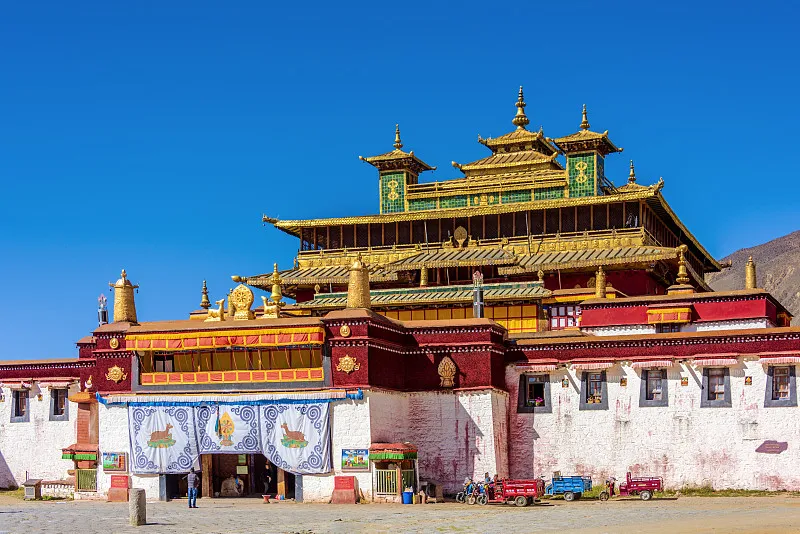
Shannan Samye Temple
Drigung Til Monastery – An Off-the-Beaten-Path Retreat for the Serious Traveler
For travelers who want to step completely away from conventional tourist routes, Drigung Til Monastery is one of Tibet’s most compelling hidden gems. Clinging dramatically to steep cliffside terrain outside Lhasa, this remote monastery sees far more local Tibetan pilgrims than foreign tour groups.
A stay here offers something rare even by Tibetan standards: total isolation, untouched mountain landscapes, quiet alpine hiking paths, and an unfiltered window into authentic monastic daily life. The guesthouse is highly rustic, and reaching the monastery requires some effort – but that is precisely the point.
Location: Remote valleys outside Lhasa Altitude: Approximately 4,300 to 4,460 meters
How to Plan a Tibet Monastery Stay
Knowing where you want to go is only the beginning. Turning a monastery stay into a reality requires careful coordination across permits, itinerary design, altitude management, and practical packing.
Book Through a Licensed Travel Agency
This is a legal requirement, not a suggestion. International visitors cannot travel independently in Tibet or arrange monastery stays on their own. Every aspect of your trip – from permit applications to monastery bookings – must go through a licensed local agency. China Dragon Travel is a registered Tibet tour operator with years of experience planning monastery stay itineraries for international travelers.
Communicate Your Preferences Early
If you have a specific monastery in mind, tell your travel consultant as early as possible. Many of Tibet’s top monastery stay locations – including Rongbuk – happen to sit directly along classic driving routes, which means they can often be incorporated into your itinerary without adding extra travel days. The earlier you confirm your preferences, the more flexibility your consultant has to design the ideal route around them.
Secure All Necessary Permits in Advance
Beyond the Tibet Travel Permit, travelers heading to Rongbuk near Everest or the Kailash Kora monasteries will also need additional documents such as the Alien Travel Permit or Military Permit. These have their own processing timelines. When you book with China Dragon Travel, we handle every permit on your behalf – you simply provide the required documents and we take care of the rest.
Take Altitude Acclimatization Seriously
The monasteries along the Kailash Kora sit above 4,700 meters. Rongbuk exceeds 5,000 meters. Arriving at these elevations without proper preparation is a genuine health risk. It is strongly recommended to spend at least two to three nights in Lhasa first, allowing your body to begin adjusting to altitude before ascending further.
China Dragon Travel’s itineraries are specifically structured with gradual elevation gain in mind. Our local Tibetan guides are trained to monitor signs of altitude sickness throughout the journey, and oxygen supplies are available on all our vehicles.
Three Recommended Tibet Tours With Monastery Stays
China Dragon Travel has designed three signature tour routes that naturally incorporate monastery overnight stays into the journey.
8-Day Lhasa to Everest Base Camp Tour
This is our most popular overland route. Starting from Lhasa, the journey passes through Gyantse and Shigatse, crosses high mountain passes, skirts turquoise plateau lakes, and descends into the dramatic Himalayan foothills before reaching Everest Base Camp.
On Day 6, guests spend the night at Rongbuk Monastery Guesthouse. By this point in the itinerary, your body has already spent five days acclimatizing through Lhasa and Shigatse, putting you in the ideal physical condition to handle a night at 5,000 meters. You will wake on Day 7 positioned perfectly for sunrise over the north face of Everest – no early morning commute required.
15-Day Lhasa to Mount Kailash Pilgrimage Tour
This epic overland expedition travels deep into the wilderness of Western Tibet, culminating in the 3-day sacred Kora around Mount Kailash. Two monastery nights – one at Drirapuk, one at Dzultripuk – are built into the trek as natural rest stops. This is not just a cultural enhancement; it is how the Kora has been completed by pilgrims for hundreds of years. You will be walking in their footsteps.
6-Day Classic Lhasa and Samye Monastery Culture Tour
This route is suitable for culture enthusiasts, families, and travelers who are more cautious about high-altitude challenges. After visiting Sera Monastery and Drepung Monastery in Lhasa, you will also visit the Potala Palace and Jokhang Temple.
If none of these standard routes match what you have in mind, China Dragon Travel specializes in custom itineraries. Whether you are drawn to a remote hermitage, a little-known cliff monastery, or a specific religious festival, our team will build the route around your vision.
Practical Tips and Cultural Etiquette for Staying in a Tibetan Monastery
A monastery is not a hotel. It is a living center of worship, study, and daily spiritual practice. Every traveler who stays here is a guest in a sacred space, and behaving accordingly is both a matter of respect and a prerequisite for a meaningful experience.
Prepare for Basic, Rustic Conditions
Pack a personal sanitation kit including toilet paper, wet wipes, and hand sanitizer – these are not provided. Bring a cold-rated sleeping bag if you are visiting during the shoulder seasons, as monastery rooms are rarely heated. A headlamp or flashlight is essential, as lights out is strictly observed after dark.
Photography of monastery exteriors and surrounding landscapes is generally welcome. However, photography inside active prayer halls and shrine rooms is strictly prohibited. Always check with your guide before pointing a camera at resident monks.
Follow the Clockwise Rule
When walking around the exterior of a monastery, stupa, shrine, or mani stone pile, always move in a clockwise direction. This is the standard practice in Tibetan Buddhism. Note that Bon practitioners walk counterclockwise – if you visit a Bon monastery, your guide will advise you accordingly.
Dress and Behave Modestly
Shoulders and knees must be covered when moving through the monastic complex. Remove sunglasses and hats before entering any indoor prayer hall. Avoid loud conversation, running, public displays of affection, and smoking anywhere within the monastery grounds.
Mind Your Gestures
Never point at a Buddha statue, a sacred Thangka painting, or a monk with a single finger. If you need to draw someone’s attention toward something sacred, extend your whole hand with your palm facing upward.
Respect the Threshold
Never step on the raised wooden threshold of a monastery doorway. Always step cleanly over it. This applies to every entrance throughout the complex.
Frequently Asked Questions About Tibet Monastery Stays
Can international tourists legally stay overnight in Tibetan monasteries?
Yes, but only at monasteries with guesthouses open to foreign travelers, and only as part of a pre-arranged tour with a licensed local travel agency.
Which permits do I need for a monastery stay in Tibet?
All international visitors need a Tibet Travel Permit. Depending on location, additional permits such as an Alien Travel Permit or Military Permit may also be required. China Dragon Travel manages all permit applications on your behalf.
Which monastery stay in Tibet is the most famous?
Rongbuk Monastery near Everest Base Camp is the most well-known monastery stay in Tibet. As the highest monastery in the world, it offers unmatched views of Mount Everest and is a highlight of any Everest Base Camp tour.
Are monastery guesthouses comfortable?
Comfort is relative. Facilities are very basic – simple beds, shared bathrooms, limited or no hot water, and minimal internet access. But the spiritual atmosphere, the altitude, and the raw natural beauty surrounding these monasteries create an experience that no standard hotel can replicate.
What should I pack for a Tibet monastery stay?
Warm layers, personal toiletries, a flashlight, a power bank, toilet paper, basic medication, and snacks are all highly recommended. The more self-sufficient you are, the more comfortable your stay will be.
Is Wi-Fi available at monastery guesthouses?
Stable Wi-Fi is generally not available. However, mobile data via 5G networks tends to work reasonably well even in remote areas like Everest Base Camp and Mount Kailash, allowing you to stay in touch with family and friends.
Let the Tibetan Monastery Bell Be Your Alarm Clock
There is a particular kind of stillness that exists at 5,000 meters before sunrise. The air is thin and cold, the sky is impossibly dark, and somewhere in the building behind you, monks have already begun their morning prayers. In that moment, everything that felt urgent back home suddenly seems very far away.
A monastery stay in Tibet is not for everyone. It asks something of you – a willingness to let go of comfort, convenience, and control. But for those who come prepared and with the right mindset, it offers something in return that is genuinely rare: a direct encounter with a way of life that has remained largely unchanged for centuries.
China Dragon Travel has been helping international travelers experience Tibet’s sacred landscapes and living monasteries for many years. From permit applications and altitude-conscious itinerary design to on-the-ground support from experienced local Tibetan guides, we handle every detail so that you can focus entirely on the experience itself. Whether your dream is waking up to Everest at Rongbuk, completing the Kailash Kora with monastery nights on the trail, or simply spending a quiet evening inside Tibet’s oldest Buddhist complex at Samye, our team is ready to make it happen.
Reach out to China Dragon Travel today and let us help you plan the Tibet journey you have always imagined.