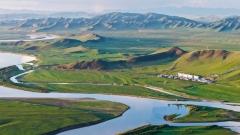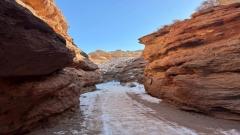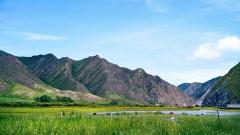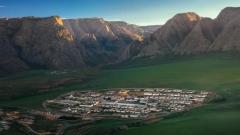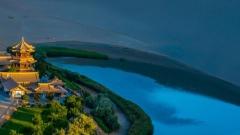

A Silk Road trip across northwest China feels completely different from visiting cities like Beijing or Shanghai. Instead of skyscrapers and busy urban life, the journey focuses on deserts, ancient trade towns, Buddhist caves, grasslands, and long overland routes once connected to Central Asia.
Many travelers consider it one of China’s most memorable travel experiences because the scenery and cultures change constantly along the way. Routes can include Gansu, Qinghai, and Xinjiang, with highlights such as Dunhuang, Zhangye, and Kashgar. Since distances are large and transportation can be time-consuming, careful planning — or joining a guided tour — usually makes the trip much easier.
What Is the China Silk Road Route?
The historical Silk Road was not a single road but a network of trade routes connecting China with Central Asia, the Middle East, and Europe.
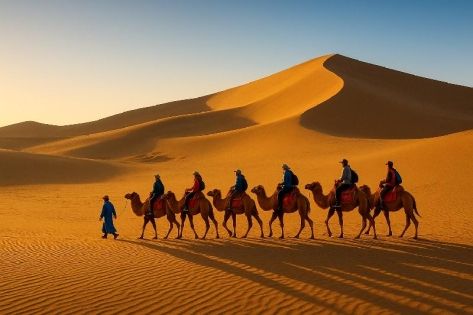
Silk Road Travel
In modern China travel, the Silk Road route usually refers to areas across:
- Gansu
- Qinghai
- Xinjiang
- Parts of Ningxia and Shaanxi
The most common overland route starts from Xi’an and continues west toward:
- Lanzhou
- Zhangye
- Jiayuguan
- Dunhuang
- Turpan
- Urumqi
- Kashgar
Some travelers also include Qinghai Lake or Tibet extensions.
How Many Days Do You Need?
Because northwest China is huge, travel time is important.
For most travelers:
- 7–10 days works for a shorter Gansu route
- 12–16 days allows a deeper Silk Road journey into Xinjiang
- 3 weeks or more is ideal for slower travel
Trying to rush the route usually becomes exhausting because many destinations involve long train rides or road trips.
Best Places to Visit Along the Silk Road
Different travelers prioritize different parts of the route, but several destinations are considered highlights.
Xi’an: The Traditional Starting Point
Xi’an is historically linked to the eastern beginning of the Silk Road.
The city is known for:
- The Terracotta Warriors
- Muslim Quarter
- Ancient city walls
- Tang Dynasty history
Most travelers spend at least 2 days here before heading west.
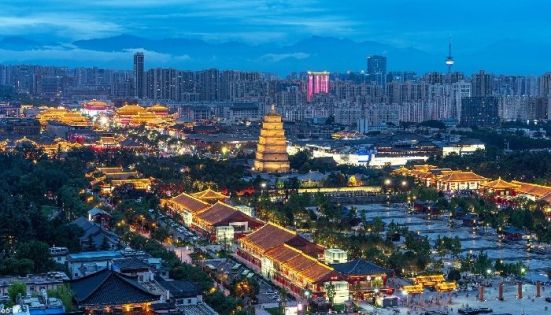
Night View of Giant Wild Goose Pagoda
Zhangye: Rainbow Mountains and Grasslands
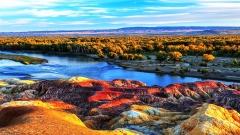
Zhangye is famous for the Danxia Rainbow Mountains, one of the most photographed landscapes in China.
The area also includes:
- Buddhist temples
- Grasslands
- Horse farms
- Mountain scenery
Compared with larger Chinese cities, Zhangye feels quieter and more relaxed.
Jiayuguan: The End of the Great Wall
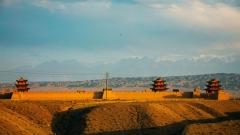
Jiayuguan was historically one of the most important frontier forts in imperial China.
The massive fortress marked the western end of the Ming Great Wall and symbolized the edge of the old Chinese empire.
The surrounding desert landscape gives the area a very different atmosphere from eastern China.
Dunhuang: One of the Silk Road’s Most Famous Stops
For many travelers, Dunhuang becomes the highlight of the entire trip.
The city combines:
- Desert scenery
- Ancient Buddhist art
- Camel rides
- Oasis culture
Main attractions include:
- Mogao Caves
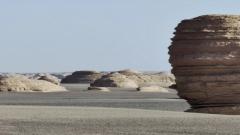
- Mingsha Sand Dunes
- Crescent Lake
Sunset in the desert is especially popular.
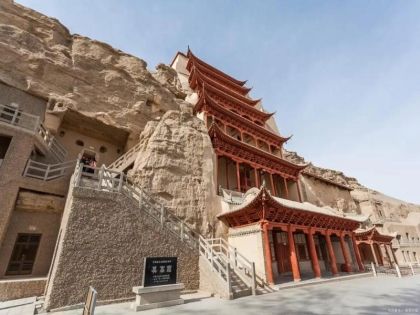
Mogao Grottoes: The Cultural Icon of Dunhuang
Xinjiang: A Completely Different Cultural Landscape
Continuing west into Xinjiang changes the atmosphere dramatically.
Travelers will notice influences from:
- Central Asia
- Islamic architecture
- Uyghur food culture
- Desert and mountain geography
Popular destinations include:
- Turpan
- Urumqi
- Kashgar
- Ili grasslands
Xinjiang is often the most culturally distinct part of the Silk Road route.
Train, Self-Drive, or Guided Tour?
There are several ways to travel the Silk Road in China.
Independent Travel
Works best for experienced travelers comfortable with:
- Long distances
- Train schedules
- Multiple hotel changes
- Language barriers in smaller cities
Self-Drive
Popular among domestic travelers, especially in Xinjiang and Qinghai.
However, driving distances can be extremely long, and some areas require careful route planning.
Guided Tours
For many international travelers, guided tours are often the easiest and most efficient option.
This is especially helpful because:
- Attractions are spread far apart
- Transportation logistics can be complicated
- Some areas have limited English support
- Permit and document checks may occur in Xinjiang
A good Silk Road tour usually combines transportation, hotels, attraction tickets, and local guides, which saves significant planning time.
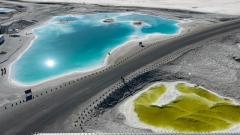
China Dragon Travel offers customized Silk Road group tours and private overland routes covering Gansu, Qinghai, and Xinjiang, suitable for both first-time visitors and photography-focused travelers.
Best Time for a Silk Road Trip
The best travel season is usually:
- May to October
Among these months:
- May and June offer cooler weather and greener landscapes
- September and October are ideal for stable weather and autumn scenery
July and August are popular but can become very hot in desert regions like Turpan and Dunhuang.
Winter travel is possible but much colder, especially in Xinjiang and high-altitude areas.
What Makes the Silk Road So Different From Eastern China?
Many travelers say northwest China feels almost like another country compared with Shanghai or Beijing.
The differences include:
- Drier landscapes
- Desert scenery
- Ethnic diversity
- Slower travel pace
- Strong Central Asian influence
Food also changes dramatically along the route, with more lamb, noodles, naan bread, and Muslim cuisine.
This cultural transition is one of the most interesting parts of the journey.
What to Prepare Before the Trip
A Silk Road journey usually involves:
- Long transportation times
- Dry weather
- Strong sunlight
- Large temperature differences between day and night
Useful items include:
- Sunscreen
- Lip balm
- Layers for changing temperatures
- Comfortable walking shoes
Mobile signal and internet quality may also vary in remote areas.
Is the Silk Road Suitable for First-Time China Travelers?
Yes — but expectations matter.
This route is not about luxury travel or nonstop famous landmarks. It is more about landscapes, history, culture, and overland experience.
Travelers who enjoy:
- Road trips
- Historical routes
- Photography
- Desert scenery
- Cultural diversity
usually enjoy the Silk Road much more than travelers focused mainly on major cities.
The Silk Road Is More About the Journey Than Individual Attractions
One reason so many people remember the Silk Road long after the trip ends is because the route itself becomes part of the experience.
The changing landscapes, long train rides, roadside towns, deserts, mountains, and cultural transitions create a feeling that is very different from typical tourism in China.
For travelers looking to see another side of the country beyond Beijing, Shanghai, and modern skylines, the Silk Road remains one of the most rewarding routes in China.