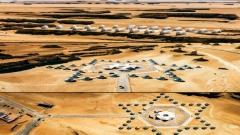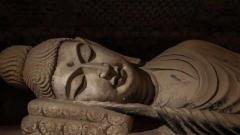

Most travelers visiting Qinghai focus on places like Qinghai Lake, Xining, or Chaka Salt Lake. Golmud, located deep in western Qinghai, is often seen only as a transport stop on the way to Tibet or Xinjiang. But for travelers interested in remote landscapes, long overland journeys, and the feeling of western China’s vast open spaces, Golmud offers a very different experience. Surrounded by deserts, salt lakes, snow mountains, and high-altitude highways, the city feels less like a traditional tourist destination and more like a gateway into some of China’s wildest landscapes.
Where Is Golmud?
Golmud is located in the Haixi Mongol and Tibetan Autonomous Prefecture of Qinghai Province.
The city sits along the Qinghai-Tibet Highway and Qinghai-Tibet Railway, making it one of western China’s most important transportation hubs for routes heading toward:
- Tibet
- Xinjiang
- Western Qinghai
Because of its strategic location, many overland travelers pass through Golmud even if they do not originally plan to stay there.
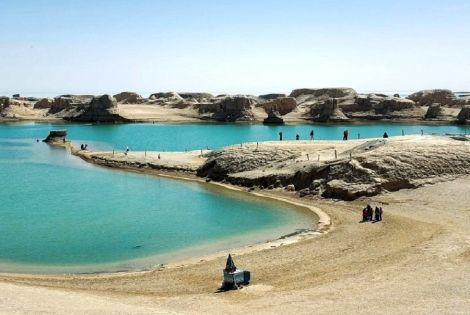
Golmud
Why Golmud Feels Different From Eastern China
For many first-time visitors, Golmud feels surprisingly remote.
Compared with China’s eastern cities, the area is defined by:
- Wide open landscapes
- Dry desert climate
- Sparse population
- High-altitude terrain
- Long-distance highways
The scenery around Golmud often feels more connected to Tibet and Central Asia than to coastal China.
This contrast is one reason some travelers become fascinated by the region.
Golmud Is the Gateway to the Qaidam Basin
One of the most important geographical features near Golmud is the Qaidam Basin.
This massive high-altitude basin is known for:
- Salt lakes
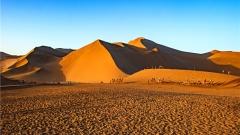
- Desert landscapes
- Mining regions
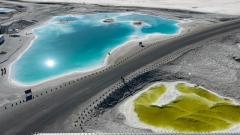
- Mars-like scenery
- Remote highways
Driving through the Qaidam Basin can feel almost surreal because of the emptiness and changing colors of the terrain.
For road trip travelers and photographers, this area is often one of the highlights of western Qinghai.
Chaka Salt Lake vs Lesser-Known Salt Lakes
Many tourists only know Chaka Salt Lake, but western Qinghai has several other salt lake areas near Golmud that receive far fewer visitors.
Some travelers prefer these quieter locations because they offer:
- Fewer crowds
- More natural scenery
- Better road trip atmosphere
- Less commercial development
Depending on weather and season, the reflections and colors of these lakes can look dramatically different throughout the day.
Kunlun Mountains: One of the Region’s Most Impressive Landscapes
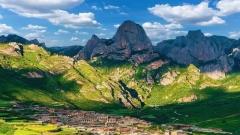
Golmud is closely connected to the Kunlun Mountains, one of western China’s major mountain ranges.
The area around the mountains includes:
- Snow peaks
- High-altitude passes
- Glaciers
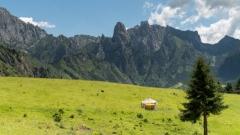
- Remote grasslands
For many travelers driving toward Tibet, the gradual approach to the Kunlun region becomes one of the most memorable parts of the journey.
The landscape feels vast and isolated in a way that is difficult to experience in eastern China.
Hoh Xil: One of China’s Wildest Regions
Near Golmud lies Hoh Xil, a remote high-altitude wilderness area famous for its harsh environment and wildlife.
The region is home to:
- Tibetan antelope
- Wild yaks
- Tibetan wild donkeys
- Vast uninhabited grasslands
Because conditions are extreme, independent travel into certain parts of Hoh Xil may be restricted or require special arrangements.
However, even passing through nearby areas gives travelers a sense of the scale and isolation of the Tibetan Plateau.
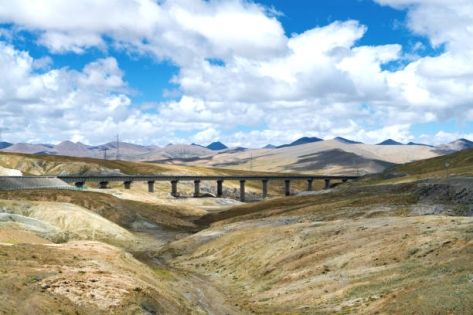
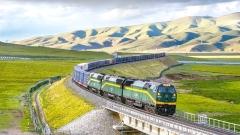
Qinghai-Tibet Railway crossing Hoh Xil
Golmud Is More About the Journey Than the City Itself
Golmud itself is relatively modern and functional rather than traditionally beautiful.
Most travelers do not come here for urban sightseeing.
Instead, the city works best as:
- A base for western Qinghai exploration
- A stop along overland routes
- A supply point before entering remote regions
The appeal comes from the surrounding landscapes rather than the city center itself.
Taking the Qinghai-Tibet Train From Golmud
One reason Golmud is well known among overland travelers is the Qinghai-Tibet Railway.
The route from Golmud toward Lhasa is considered one of the world’s highest railway journeys.
Travelers can experience:
- High-altitude grasslands
- Snow mountains
- Remote plateau scenery
- Tibetan antelope sightings during certain seasons
For many people, this train journey becomes one of the highlights of traveling in western China.
Best Time to Visit Golmud
The best travel period is usually:
- May to October
Summer offers:
- Milder weather
- Better road conditions
- Easier access to remote areas
Winter can become extremely cold, especially outside the city.
Because of the high altitude and dry climate, temperatures often change significantly between day and night.
Things to Prepare Before Visiting
Traveling around Golmud requires more preparation than visiting major Chinese cities.
Useful items include:
- Sunscreen
- Sunglasses
- Warm layers
- Lip balm
- Extra water during road trips
The high altitude may also affect some travelers, especially those continuing toward Tibet.
Long driving distances mean planning fuel stops and supplies is important in remote regions.
Is Golmud Worth Visiting?
For travelers looking for famous city attractions, Golmud may feel quiet or even empty.
But for people interested in:
- Remote landscapes
- High-altitude travel
- Road trips
- Desert scenery
- Overland adventures
Golmud can become one of the most memorable parts of northwest China.
The city represents a side of Qinghai that feels far less commercialized and much closer to the raw landscapes of the Tibetan Plateau.
Golmud Shows a Different Side of China
Most international travelers picture China through cities like Shanghai, Beijing, or Chengdu.
Golmud offers something completely different — empty highways, desert basins, snow mountains, and the feeling of traveling across enormous open land.
For travelers who enjoy remote scenery and long journeys more than crowded tourist attractions, Golmud reveals another side of western China that few visitors fully experience.