
Mount Kailash is one of the world’s most sacred mountains and a dream destination for pilgrims and adventure travelers alike. However, a journey to Mount Kailash is also a high-altitude expedition. The famous three-day kora trek circles the mountain at an average elevation of around 5,000 meters (16,400 feet), with the highest point reaching 5,630 meters (18,471 feet).
The good news is that altitude challenges can be managed with proper planning and gradual acclimatization. Whether you travel from Lhasa or Nepal, understanding the elevation changes and preparing for the conditions can make your pilgrimage or trekking experience much safer and more enjoyable.
This guide covers the altitude of Mount Kailash, the elevation profile of the kora trek, the two main travel routes, and practical tips to reduce the risk of altitude sickness.
How High Is Mount Kailash?
Located in western Tibet, Mount Kailash stands at an elevation of 6,638 meters (21,778 feet). Although it is not Tibet’s tallest peak, it is regarded as one of the most sacred mountains in the world.
Mount Kailash holds religious significance for four major faiths:
- Buddhism
- Hinduism
- Jainism
- Bon
Unlike many famous mountains, Mount Kailash has never been officially climbed. Due to its profound spiritual importance, climbing the summit is prohibited.
Instead, thousands of pilgrims travel here each year to complete the sacred kora, a circumambulation of the mountain believed to bring blessings, spiritual purification, and good fortune. For visitors, completing the trek is both a physical challenge and a deeply meaningful cultural experience.
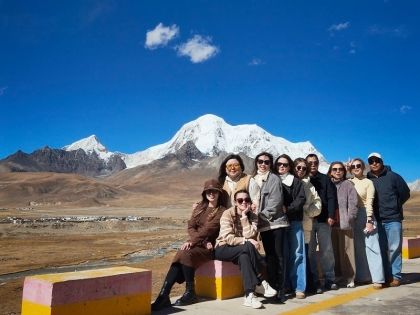
Tourist Photos of Kailash
Mount Kailash Kora Altitude: Elevation During the 3-Day Trek
The Mount Kailash Outer Kora covers approximately 52 kilometers and is typically completed over three days. The route begins and ends in Darchen, circling the mountain in a clockwise direction.
The highest point of the trek is Drolma La Pass, which reaches an altitude of 5,630 meters.
Day 1: Darchen to Dirapuk Monastery
Route: Darchen (4,560m) → Darboche (4,750m) → Choku Monastery (4,875m) → Dirapuk Monastery (5,210m)
Distance: 13 kilometers
Elevation gain: Around 650 meters.
Most travelers first take an eco-bus from Darchen to Sarshung before beginning the walk.
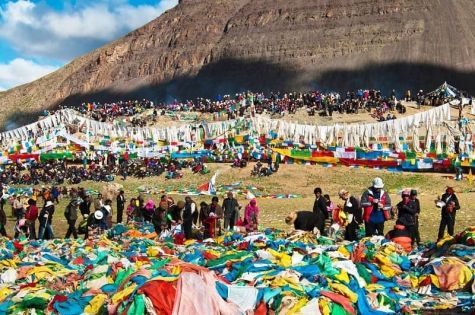
One of the highlights along the route is Darboche, an important pilgrimage site where Tibetans celebrate the annual Saga Dawa Festival.
Continuing through the valley, trekkers pass Choku Monastery before reaching Dirapuk Monastery. From here, visitors enjoy spectacular views of Mount Kailash’s famous north face and spend their first night of the kora.
Day 2: Dirapuk to Zutulpuk Monastery
Route: Dirapuk Monastery (5,210m) → Drolma La Pass (5,630m) → Gaurikund Lake (5,608m) → Zutulpuk Monastery (4,790m)
Distance: 18 kilometers
Elevation gain: Approximately 550 meters.
The second day is the most demanding section of the entire trek.
After crossing a small bridge, the trail climbs steadily toward Drolma La Pass, the highest point of the kora. Many pilgrims leave prayer flags and small offerings here.
After crossing the pass, the route descends to the sacred Gaurikund Lake before entering the beautiful Lham-chu Valley. The day’s trek ends at Zutulpuk Monastery.
Day 3: Zutulpuk Monastery to Darchen
Route: Zutulpuk Monastery (4,790m) → Darchen (4,560m)
Distance: 14 kilometers
The final day is much easier than the previous two.
The trail follows the peaceful Dzong-chu Valley through a narrow gorge decorated with colorful prayer flags. After several hours of walking, trekkers return to Darchen and complete the sacred circuit around Mount Kailash.
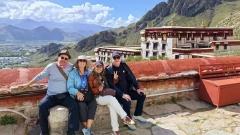
Lhasa to Mount Kailash: The Best Route for Acclimatization
Traveling from Lhasa is widely considered the best option for reducing the risk of altitude sickness.
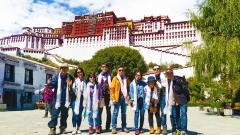
Lhasa sits at an elevation of 3,650 meters, allowing visitors to begin acclimatizing before continuing west toward Mount Kailash.
A typical route includes stops at:
Lhasa: 3,650m
Shigatse: 3,800m
Saga: 4,487m
Darchen: 4,560m
This gradual increase in elevation gives the body time to adapt naturally before the demanding kora trek.
Another advantage of this route is the opportunity to visit some of Tibet’s most famous attractions.
Many travelers include:
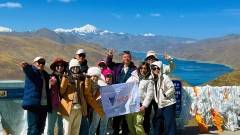
- Yamdrok Lake
- Gyantse
- Tashilhunpo Monastery
- Everest Base Camp
Everest Base Camp, at around 5,000 meters, provides additional acclimatization while offering unforgettable views of the world’s highest mountain.
By the time travelers arrive in Darchen, they are generally much better prepared for the high-altitude conditions of Mount Kailash.
Saga Dawa Festival
Nepal to Mount Kailash: A Faster but More Challenging Ascent
Another popular route starts in Kathmandu, Nepal.
However, this itinerary involves a much quicker gain in elevation.
Typical altitude progression:
- Kathmandu: 1,400 meters
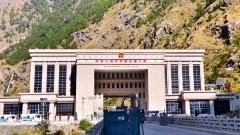
- Gyirong Town: 2,700 meters
- Saga: 4,487 meters
The rapid altitude increase can make acclimatization more difficult.
To reduce the risk of altitude sickness, spending a night in Gyirong is strongly recommended.
The journey from Kathmandu to Gyirong follows winding mountain roads and can be physically tiring. A rest stop allows travelers to recover while exploring the beautiful Gyirong Valley before entering the higher Tibetan Plateau.
Practical Tips to Avoid Altitude Sickness
Build Your Fitness Before the Trip
Mount Kailash is a physically demanding trek.
Regular exercise such as:
- Walking
- Running
- Swimming
- Cycling
can improve endurance and lung capacity.
A general health check before departure is also recommended.
Spend Time Acclimatizing in Lhasa
If entering Tibet through Lhasa, use the first couple of days to rest and adjust to the altitude.
Avoid:
- Heavy exercise
- Alcohol
- Smoking
- Excessive caffeine
Drink plenty of water and sleep well.
Drink Enough Water and Pace Yourself
Dehydration can increase the effects of altitude sickness.
During the trek:
- Stay hydrated.
- Walk at a comfortable pace.
- Take regular breaks.
- Avoid overexertion.
Eat Properly During the Trek
High-carbohydrate foods provide energy and are easier to digest at high altitude.
Choose simple meals and avoid alcohol and tobacco throughout the journey.
Carry Essential Medicines
Some travelers use Acetazolamide (Diamox) to help with acclimatization.
Consult your doctor before taking any medication.
A basic medical kit should include treatments for:
- Headaches
- Motion sickness
- Fatigue
- Mild altitude symptoms
Dress in Layers
The weather around Mount Kailash can change rapidly.
Layered clothing allows you to adjust to varying temperatures and helps prevent cold-related illnesses.
Listen to Your Guide
Experienced local guides are trained to recognize symptoms of altitude sickness.
If you experience:
- Severe headaches
- Nausea
- Dizziness
- Difficulty breathing
inform your guide immediately.
In some situations, descending to a lower altitude may be necessary for safety.
Planning a Safe and Comfortable Mount Kailash Journey
The Mount Kailash kora is an unforgettable high-altitude adventure, taking travelers through some of Tibet’s most spectacular and spiritually significant landscapes. Although the trek reaches an elevation of 5,630 meters, careful preparation and gradual acclimatization can greatly improve your comfort and safety.
For most travelers, the Lhasa to Mount Kailash route provides the best balance between sightseeing and altitude adjustment, while the Nepal route offers a shorter but more demanding ascent. Understanding the elevation profile, staying well-prepared, and following professional guidance are essential for a successful journey.
With experienced local guides, well-planned itineraries, and proper logistical support, a Mount Kailash pilgrimage can become not only a safe adventure but also a once-in-a-lifetime spiritual and cultural experience. Contact us, and Tibet Yulong Travel will arrange a unforgettable trip for you..