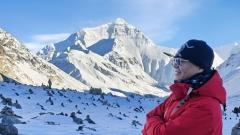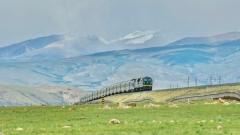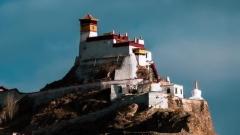

The Z166 train from Lhasa to Shanghai is often called a journey from the “Heavenly Road” back to everyday life. Compared with inbound Tibet trains, it brings less anxiety about altitude sickness and more time for reflection after the plateau. Over nearly 48 hours, the scenery outside shifts like a film montage: glaciers and yaks in Nagqu, the loess plains of central China after a night’s sleep, and finally the misty waterways of Jiangnan. It is more than transportation—it is a moving experience of geography and culture. However, almost two days in a confined space also tests stamina and patience. This guide covers temperature changes, onboard survival tips, scenic highlights, and ticket strategies to help you prepare for the Z166 journey.
Lhasa to Shanghai Train: Crossing Space and Climate
The Z166 crosses all three of China’s topographic steps, shifting from cold, oxygen-poor highlands to warm, humid lowlands. A layered clothing strategy is essential.
Stage One: Lhasa to Golmud (Day 1, midday to late night)
The carriage maintains oxygen supply and stable temperatures around 20–22°C, though seats near windows can feel cool, while outside remains icy and windy. Wear comfortable long-sleeve shirts or hoodies with loose pants. The key point is that Lhasa station platforms can be very cold—wear a thick outer layer before boarding. Once onboard, changing into slippers helps relieve foot fatigue.
Stage Two: Xining to Xi’an (Day 2, daytime)
As altitude drops, temperatures rise and humidity increases. Heavy base layers can be removed. Many passengers begin to feel drowsy or sluggish due to “oxygen intoxication” as the body adapts to lower elevations.
Stage Three: Nanjing to Shanghai (Day 3, morning)
The air becomes humid and warm, especially in summer. Light, breathable shirts or short sleeves are recommended. Prepare rain gear, as Shanghai often experiences showers.
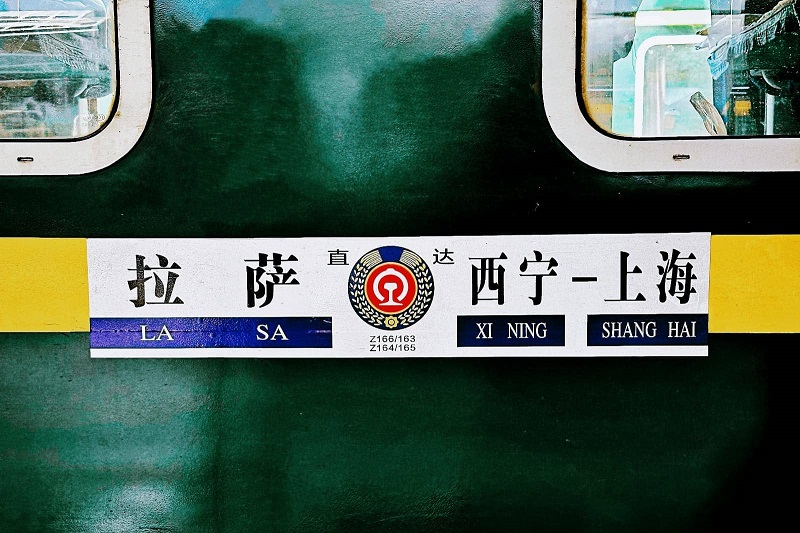
Lhasa to Shanghai Train
Z166 Highlights: Scenic Timetable and Onboard Experience
The most spectacular scenery appears during the first 24 hours, so adjusting sleep schedules is highly recommended.
Key Scenic Time Windows (approximate, based on departure time)
From 11:30 to 14:00, the train leaves Lhasa and passes through Nagqu, crossing the Nyenchen Tanglha Mountains. Vast grasslands, yak herds, and black-necked cranes dominate the view, with strong daylight ideal for photography.
From 17:00 to 19:00, the train passes Tanggula Pass, the highest railway point in the world at 5,072 meters. Sunset illuminating snow-covered peaks is often the visual climax of the journey, with occasional sightings of Tibetan antelope in Hoh Xil.
Between 06:30 and 08:00 the next morning, the train skirts Qinghai Lake. Early light reveals deep blue waters, sometimes paired with blooming rapeseed fields in summer or lingering snow in spring.
Onboard Features
The train uses diffused oxygen supply in high-altitude sections. Soft sleeper cabins include individual oxygen outlets for emergencies. The dining car, usually around cars 8 or 9, offers simple hot meals. Though prices are higher than station food, eating while watching the Gobi Desert rush past adds a unique sense of occasion.
Post-Train Extensions
Arriving directly in Shanghai allows travelers to immediately experience the dramatic contrast between the Tibetan Plateau and a modern megacity. Staying near the Bund or Jing’an Temple offers convenient rest and evening strolls.
Alternatively, alighting in Xi’an allows the journey to be split into two segments, making the trip physically easier while adding a cultural stop with landmarks such as the Terracotta Army and the ancient city wall.
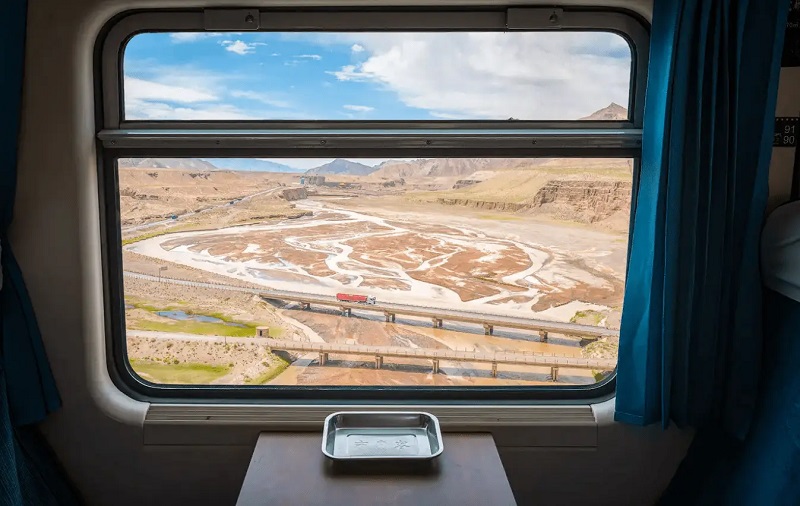
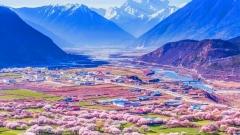
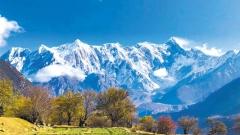
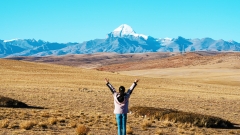
Scenery Along the Train Route
Lhasa to Shanghai Train Pitfalls: Tickets, Hygiene, and Physical Adjustment
Comfort matters greatly over a 48-hour journey.
Soft sleeper is strongly recommended. Four-berth cabins provide privacy, wider beds, and less noise. Hard sleeper is more economical but noisier and more exposed. Hard seats for the full route are not recommended unless budget constraints are extreme and physical endurance is high, as leg swelling is common.
Ticket strategy is crucial. Tickets open 15 days in advance on 12306. If full-route tickets are unavailable, consider buying longer segments and alighting early, or splitting the journey into Lhasa–Xining and Xining–Shanghai.
“Oxygen intoxication” can cause sleepiness, fatigue, or light dizziness when descending from high altitude. Adequate rest and avoiding intense activity immediately after arrival help the body adapt.
There are no shower facilities onboard. Bring disposable face towels, wet wipes, and hand sanitizer. Power outlets are available in soft sleeper cabins, while hard sleeper outlets are limited to corridors. A compliant high-capacity power bank is essential.
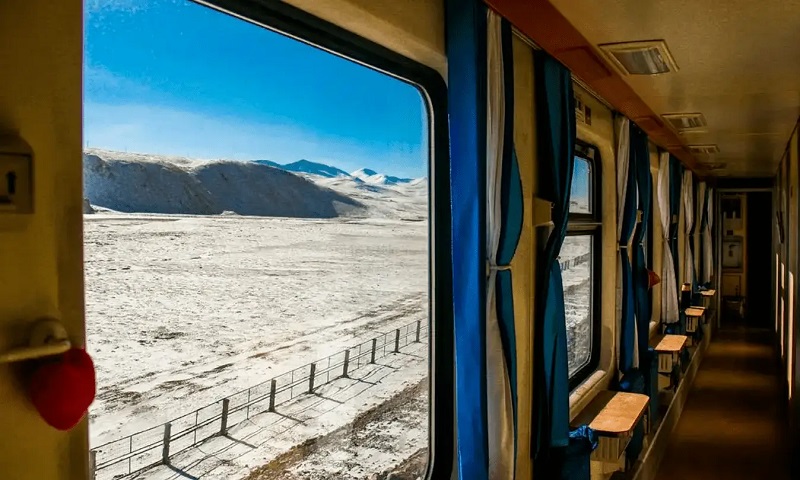
Scenery Along the Train Route
Lhasa to Shanghai Train Essential Packing List for 48 Hours Onboard
Comfort items such as disposable bed sheets, U-shaped neck pillows, soft slippers, eye masks, and earplugs significantly improve sleep quality.
Food items like self-heating meals, fruit, and instant coffee or tea help maintain comfort and routine.
Skin care products including moisturizing spray, lip balm, and sunscreen are important due to extremely dry air and strong UV exposure at altitude.
Entertainment should be downloaded in advance, as signal interruptions are common in remote regions.
Frequently Asked Questions about Lhasa to Shanghai Train
Q1: Will I still experience altitude sickness on the train?
A1: Although this is a return journey, the train still runs at high altitude during the first 24 hours, reaching over 5,000 meters at its highest point. Some passengers may experience mild symptoms such as headaches. The train is equipped with an oxygen supply system, so symptoms are usually manageable. It is recommended to avoid strenuous activity before boarding.
Q2: Are the toilets on the train clean?
A2: The Z166 train is generally well maintained, but toilets in hard sleeper and hard seat cars may become less clean over time due to heavy use. It is recommended to bring disposable toilet seat covers. Toilets in soft sleeper cars are usually much cleaner.
Q3: Can I transfer to a high-speed train or flight at Xining instead of staying on the train all the way to Shanghai?
A3: Yes, and this is strongly recommended. The Z166 usually arrives in Xining on the morning of the second day. Xining has convenient high-speed rail and flight connections to eastern China. Getting off at Xining can save around 20 hours compared to staying on the train to Shanghai.
Q4: Is it safe to travel alone on this train?
A4: Yes. The train operates under a real-name ticketing system, and conductors patrol the cars regularly. However, valuables such as phones and wallets should still be kept close to your body while sleeping or placed under your pillow.
The Z166 is never merely a route home, nor simply 47 hours of mechanical movement. It is a rare corridor that physically links the prayer flags of Lhasa, the glaciers of Nagqu, and the wild emptes of Hoh Xil with the ancient walls of Xi’an, the Qinhuai River of Nanjing, and the illuminated skyline of Shanghai. Each rotation of the wheels completes a profound transition—from the roof of the world to the heart of urban civilization. In spring and summer, the route becomes a moving visual exhibition of grasslands, lakes, and snow peaks; in autumn and winter, it transforms into a stark, elemental landscape of frozen earth and endless sky. Whether lush or austere, this journey leaves a deep, lasting impression that few other train routes in the world can rival.