
“White crane, lend me your wings.
I won’t fly far — only to Litang and back.”
For many travelers, Litang first became famous because of the poems of Tsangyang Gyatso, the legendary Route 318, Ding Zhen, or the stunning landscapes around Genyen Mountain.
But once you actually arrive in Litang, you quickly realize this isn’t just another overnight stop on a Western Sichuan road trip.
At over 4,000 meters above sea level, Litang feels like a completely different world.
There are colorful prayer flags moving in the wind, ancient Tibetan monasteries, hidden alleyways, yak hotpot restaurants, local markets, and some of the warmest people you’ll meet anywhere in Western China.
Many travelers originally plan to stay for one night — then end up staying two or three more days.
This guide covers everything you actually need to know before visiting Litang:
- Best photography spots in Litang
- How to visit Changqingchun Ke’er Monastery
- Letong Ancient Town walking route
- Altitude sickness tips
- Best local Tibetan food
- Hotel oxygen system advice
- Route 318 photo spots
- Suggested 2-day itinerary
- Hidden local shopping streets
If it’s your first time visiting Litang, this guide will save you a lot of time.
Litang
Where Is Litang?
Litang is located in western Sichuan along the famous Sichuan-Tibet Highway (G318).
With an average altitude of around 4,014 meters, Litang is often called:
- “The City in the Sky”
- “The World’s Highest Town”
It’s also one of the main gateways to Genyen Mountain.
Compared with more commercialized destinations in Western Sichuan, Litang still feels authentic and deeply connected to traditional Tibetan life.
How Many Days Should You Stay in Litang?
Recommended Duration
- 1 day: quick highlights
- 2 days 1 night: ideal for most travelers
- 3 days: perfect for slow travel and photography
The town itself is not very large.
Most attractions are concentrated around:
- Changqingchun Ke’er Monastery
- Letong Ancient Town
- Hillside viewpoints behind the monastery
So even without rushing, you don’t need an extremely long stay.
The Biggest Challenge in Litang: Altitude
Many travelers underestimate Litang’s elevation.
This is not a “mild high-altitude destination.”
At over 4,000 meters, even experienced Tibet travelers may feel breathless while walking uphill.
Altitude Sickness Tips
- Don’t wash your hair on the first day
- Avoid running or heavy exercise
- Drink plenty of water
- Walk slowly
- Avoid alcohol
- Sleep early
If symptoms become serious:
- Buy portable oxygen
- Visit a local hospital if necessary
Do not force yourself.
Hotel Advice|Choose Diffuse Oxygen Supply
This is extremely important.
When booking hotels in Litang, always prioritize:
“Diffuse oxygen supply rooms.”
Avoid hotels that only provide standalone oxygen machines.
Why Diffuse Oxygen Is Better
Traditional oxygen machines require nasal tubes while sleeping, which can feel uncomfortable.
Diffuse oxygen systems instead increase the oxygen concentration throughout the room.
It feels much more natural and comfortable.
Some hotels can reduce the “effective room altitude” to around 2,600 meters.
For first-time visitors to Litang, this makes a huge difference in sleep quality.
Best Areas to Stay
Near the Entrance of Litang County
Advantages:
- Easier parking
- Newer hotels
- EV charging stations nearby
- Better facilities
Especially convenient for self-driving travelers.
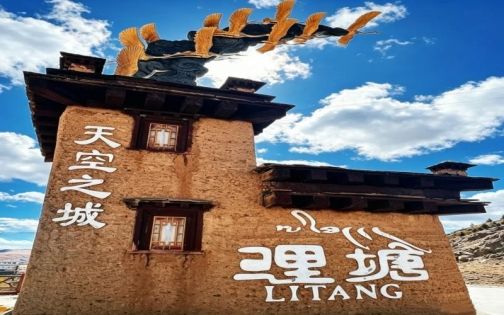
Litang
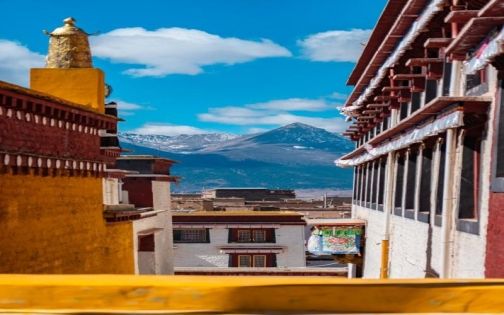
Changqingchun Ke’er Monastery|The Most Important Attraction in Litang
Changqingchun Ke’er Monastery is the must-visit place in Litang.
It’s one of the largest Gelug monasteries in southern Kham Tibetan regions.
The monastery sits beautifully on the mountainside, surrounded by blue skies and grasslands.
The red, white, and yellow architecture looks incredible against the highland scenery.
How to Visit the Monastery
Navigation can take you directly to the monastery entrance.
But the real hidden photo spots are actually behind the monastery.
Best Photography Spots
1. Left-Side Mountain Road Viewpoint
At the monastery entrance, there’s a small road on the left where cars can drive uphill.
Several viewpoints overlook the entire town of Litang.
You’ll see:
- Colorful Tibetan houses
- Grasslands
- Snow mountains
- Endless blue skies
One of the best panoramic views in town.
2. The S-Curve Hillside
Continue driving until you reach the famous S-shaped road.
The small hill beside it is perfect for photography.
This area creates that classic “wild freedom of Western Sichuan” feeling.
3. Giant Prayer Flag Platform
Back at the monastery entrance, take the staircase on the right side.
At the top, you’ll find enormous colorful prayer flags.
This is one of Litang’s signature photo spots.
4. White Wall Photo Spot
Near the prayer flags, the monastery’s white walls create stunning minimalist compositions.
Especially beautiful for portraits.
Sunset Viewpoint Behind the Monastery
If possible, stay until sunset.
The viewpoint behind the mountain offers panoramic views of Litang.
On clear evenings, you can see:
- Golden sunlight covering the town
- Grasslands in the distance
- The direction of Genyen Mountain
- Endless Tibetan plateau landscapes
It’s easily one of the most unforgettable views in Western Sichuan.
Letong Ancient Town|The Soul of Litang
Letong Ancient Town is the liveliest area in town.
It connects directly with Renkang Ancient Street.
Unlike heavily commercialized tourist towns, Letong still feels authentic.
Best Way to Explore Letong Ancient Town
Don’t rush.
The best experience is simply walking slowly through the alleys.
Many interesting cafés, Tibetan shops, and local markets are hidden inside.
Recommended Stops Inside the Ancient Town
CHUO Coffee
CHUO Coffee is one of Litang’s most famous cafés.
The iced Americano is surprisingly good.
The colorful Litang sign nearby is also a popular photo location.
Sky Post Office
Sky Post Office is perfect for:
- Postcards
- Stickers
- Souvenirs
- Travel-themed cultural products
Many Route 318 travelers mail postcards from here.
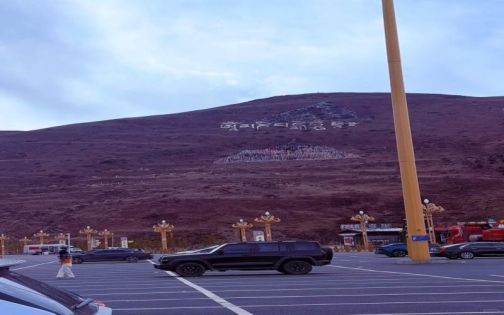
Litang
Former Residence of the 7th Dalai Lama
Former Residence of the 7th Dalai Lama feels peaceful and deeply spiritual.
You’ll often hear local people chanting prayers inside.
Visitors should remain respectful and quiet.
Prayer Wheels & Wish Trees
Throughout the old town, you’ll find prayer wheels and traditional Tibetan decorations everywhere.
The atmosphere feels deeply connected to local daily life.
Best Place to Rent Tibetan Clothing
Most tourists rent Tibetan outfits inside the ancient town.
But locals often recommend another area instead:
Guilailu Commercial Walking Street
This area is filled with small Tibetan clothing shops run by local Tibetan women.
Compared with tourist photo studios:
- Prices are cheaper
- Clothing choices are better
- Less aggressive sales behavior
- More authentic atmosphere
Many full outfit rentals cost around 200 RMB.
The shop owners often help you dress properly with great patience.
Hidden Local Market Worth Visiting
Zanglifang Street
Zanglifang Street is highly recommended.
Compared with souvenir stores, this local market feels far more interesting.
You can find:
- Vintage Tibetan jewelry
- Handmade wool accessories
- Traditional decorations
- Small handcrafted items
Prices are usually affordable and bargaining is common.
What to Eat in Litang
Because of the cold plateau climate, Litang cuisine focuses heavily on warming foods.
Yak meat and butter tea are everywhere.
Recommended Restaurants
A Xia Tibetan Restaurant
A Xia Tibetan Restaurant is one of the most recommended Tibetan restaurants.
Popular dishes:
- Tibetan noodles
- Highland barley yogurt
- Milk residue cakes
The staff are known for being extremely friendly.
Cangyang Pavilion Tibetan Restaurant
Cangyang Pavilion Tibetan Restaurant is famous for its butter mushrooms.
A good place for first-time Tibetan cuisine experiences.
Amu Kitchen
Amu Kitchen is known for its unique Tibetan-style “zanba pizza.”
Go early — it often sells out.
Huitouxiang Sichuan Restaurant
Huitouxiang Sichuan Restaurant is popular among locals.
Recommended dishes:
- Cilantro beef
- Iron plate tofu
- Iron plate mushrooms
- Pepper chicken
Surprisingly Good Breakfast Spot
Kougang Rice Noodles
Kougang Rice Noodles is actually a Yunnan-style noodle shop.
But the flavor is excellent.
The spicy red soup noodles are highly recommended.
A Unique Night Experience|Cordyceps Trading Season
Around May and June, Litang enters the famous cordyceps harvesting season.
At night, you may see local Tibetans trading freshly harvested Cordyceps Sinensis.
Most are freshly dug from nearby grasslands.
If you buy fresh cordyceps:
- Remove surface dirt carefully
- Store in a cool, dry place
- Let them dry slightly before sealing
Litang West Gate|A Classic Route 318 Check-In Spot
Litang West Gate is one of the most iconic Route 318 photo locations.
There’s a giant “318” road marker on the ground.
Perfect for commemorative road trip photos.
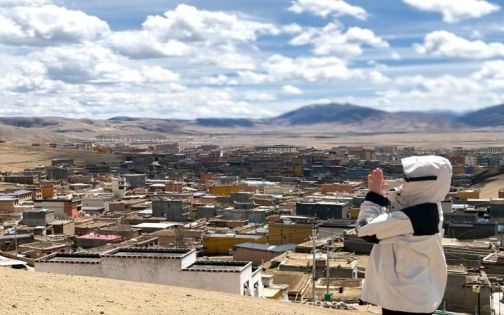
Litang
Suggested 2-Day Litang Itinerary
Day 1
Arrive in Litang → Changqingchun Ke’er Monastery → Prayer Flags → Sunset Viewpoint → Letong Ancient Town Night Walk
Day 2
Letong Ancient Town → Renkang Ancient Street → Zanglifang Street → Route 318 West Gate → Return Journey
Important Tips Before Visiting Litang
1. Litang Is Extremely High Altitude
Do not underestimate it.
2. UV Radiation Is Very Strong
Always carry:
- Sunglasses
- Sunscreen
- Lip balm
- Hat
3. Nights Are Cold Even in Summer
Bring a windproof jacket.
4. Don’t Treat Litang as Just a Transit Stop
The real charm is in its streets, people, and atmosphere.
Litang’s beauty isn’t only about snow mountains or prayer flags.
It’s the feeling of discovering warmth and humanity in a town over 4,000 meters above sea level.
The Tibetan women helping you wear traditional clothing.
The low chanting sounds inside monasteries.
The golden sunset over colorful houses.
The sound of wind moving through prayer flags.
Some places are good for photos.
Litang is one of the rare places that truly makes people want to stay longer.