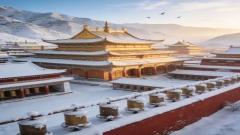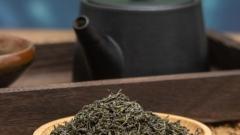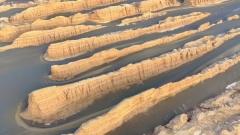

Northwest China is often described as vast, dry, and rugged—but these very conditions have shaped one of the most distinctive food cultures in Asia. From hand-pulled noodles and expertly prepared lamb to nutrient-rich dairy products from high-altitude pastures, food in Northwest China is deeply rooted in geography, climate, and ethnic tradition. This culinary map is not just about what to eat, but about understanding how people have lived, traveled, and survived along the ancient Silk Road.
A Region Shaped by Wheat: Why Noodles Dominate the Northwest
Unlike southern China, where rice paddies thrive in humid conditions, Northwest China is defined by dry weather and limited rainfall. These conditions favor wheat cultivation, making flour the most reliable staple for generations. Over time, this practical necessity evolved into a sophisticated noodle culture that varies from province to province.
Noodles in the northwest are not simply a side dish; they are the centerpiece of most meals. Hand-pulled, hand-cut, and hand-shaved noodles require strength, rhythm, and experience. Watching a skilled cook stretch dough into long strands is as much a cultural performance as a culinary process. Texture matters greatly—noodles are expected to be chewy, resilient, and satisfying, capable of sustaining people through long working days and cold winters.
Signature dishes such as Lanzhou beef noodles showcase clarity and balance, with a light broth that highlights the wheat aroma of the noodles themselves. In Shaanxi, wide and thick noodles paired with chili oil and vinegar reflect the bold personality of the region. In Xinjiang, stir-fried noodles reveal Central Asian influences, blending wheat with lamb, onions, and spices. Together, these variations form a complete noodle civilization built on geography and necessity.
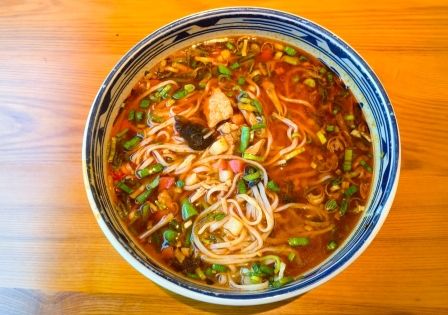
Shaanxi Saozi Noodles
Lamb and Beef at the Core: The Influence of Halal Food Culture
Northwest China is home to many Muslim ethnic groups, including Hui, Uyghur, Kazakh, and Tajik communities. As a result, halal dietary principles play a major role in shaping local cuisine. Pork is absent, while lamb and beef become the primary sources of protein.
What stands out most in Northwest Chinese meat dishes is the respect for the ingredient itself. Lamb is often prepared using simple techniques such as boiling, roasting, or grilling, allowing the natural flavor of the meat to remain intact. Excessive seasoning is avoided; instead, salt, cumin, and occasionally chili are used to enhance rather than mask the taste.
Hand-grabbed lamb, commonly found in Ningxia and Qinghai, is a prime example of this philosophy. The dish appears simple, but it relies heavily on meat quality and precise timing. In Xinjiang, lamb skewers cooked over charcoal carry the unmistakable aroma of cumin—a spice that arrived through Silk Road trade and became inseparable from regional identity. These meat dishes are not just meals; they reflect religious values, pastoral lifestyles, and communal dining traditions.
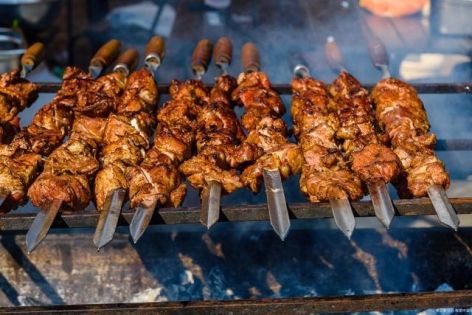
Xinjiang mutton skewers
Dairy as Survival Wisdom: Milk, Butter, and Fermented Foods
In high-altitude and pastoral areas across Xinjiang, Qinghai, and parts of Tibet, dairy products are essential rather than optional. Long winters, thin air, and physically demanding lifestyles require food that delivers maximum energy in small quantities.
Butter tea, dried cheese curds, and thick fermented yogurt are all products of this environment. Butter tea, often unfamiliar to first-time visitors, provides warmth, hydration, and calories in a single cup. Dried cheese curds are lightweight, durable, and rich in protein, making them ideal for herders who spend long periods outdoors.
These dairy products may challenge modern taste expectations, but they make perfect sense in their original context. They are the result of centuries of trial and adaptation, designed to support life in places where fresh produce is scarce and conditions are unforgiving.
Markets and Street Food: Where Northwest Cuisine Comes Alive
While restaurants offer polished versions of regional dishes, the true soul of Northwest Chinese food lives in street markets and night bazaars. These spaces are vibrant intersections of daily life, where cooking happens in the open and food is deeply social.
In local markets, visitors can observe noodles being pulled to order, lamb being freshly butchered, and skewers sizzling over open flames. The air carries the mixed scents of cumin, chili, and roasting meat. Conversations flow in multiple languages, reflecting the ethnic diversity of the region.
Eating in these settings is not about convenience alone; it is about participation. Sharing food at a street stall offers a glimpse into how communities interact, celebrate, and maintain traditions through everyday meals.
Geography on the Plate: Why These Flavors Could Only Exist Here
The cuisine of Northwest China is inseparable from its physical environment. Dry climates encourage wheat storage and preservation. Grasslands support herding economies. Trade routes introduce spices and cooking methods from Central Asia and beyond. Religious practices shape food preparation and consumption.
Each dish represents a response to local conditions rather than an abstract culinary trend. This is why Northwest Chinese food feels grounded and purposeful—it evolved to serve real needs over long periods of time.
Tasting the Northwest Beyond the Landscape
Northwest China’s food culture is honest, bold, and deeply connected to the land. Noodles provide strength, lamb offers nourishment, and dairy ensures survival in harsh conditions. Together, they form a cuisine that tells stories of migration, belief, and adaptation.
For travelers who wish to experience this region through both taste and travel, understanding the cultural context behind the food adds depth to every journey. China Dragon Travel, specializes in routes across Northwest China and the Tibetan Plateau, helping travelers move beyond sightseeing to truly connect with local life and food traditions.