
The Qinghai-Gansu Grand Loop is one of the most spectacular road trips in northwest China, taking travelers across vast deserts, salt lakes, snow-covered mountains, grasslands, and historic Silk Road cities. But is it possible to travel this route in winter? Yes, the journey can be made during the colder months, and winter offers a quieter side of the region, with frozen lakes and snow-dusted landscapes. However, low temperatures, icy roads, shorter daylight hours, and seasonal attraction arrangements make winter travel quite different from a summer road trip. Careful planning is essential for a comfortable and safe experience.
Key Takeaways
- Winter travel is possible: The Qinghai-Gansu Grand Loop does not automatically close in winter, but individual attractions and road sections may be affected by weather or seasonal arrangements.
- Expect very cold conditions: Temperatures can fall well below freezing, especially at night and in high-altitude areas.
- Adjust the summer itinerary: Some stops may need to be removed or replaced, and daily driving distances should be planned carefully.
- Choose an experienced local driver: Snow, ice, strong winds, and changing road conditions require careful driving.
- Check before departure: Confirm attraction opening arrangements, road conditions, weather forecasts, and accommodation availability.
Can You Travel the Qinghai-Gansu Grand Loop in Winter?
Yes. You can travel the Qinghai-Gansu Grand Loop in winter, but it is important to understand that not every destination will offer the same experience as it does in summer.
The classic route usually connects Xining, Qinghai Lake, Chaka Salt Lake, Dachaidan, Dunhuang, Jiayuguan, and Zhangye. In winter, some sections may remain accessible while others can be affected by snowfall, icy roads, strong winds, or seasonal operating schedules.
The biggest difference is flexibility. Rather than following a fixed summer itinerary, travelers should select destinations according to their winter accessibility and allow enough time for unexpected changes. A shorter route with fewer long-distance drives is often more suitable than trying to cover every attraction.
Winter can be especially rewarding for travelers who enjoy snow scenery, photography, and quieter destinations. With suitable preparation and local support, the journey can be an unforgettable way to explore northwest China.

Qinghai Lake, a Must-Visit Destination
Winter Weather and Road Conditions on the Qinghai-Gansu Grand Loop
The Qinghai-Gansu region has a dry continental climate, with large temperature differences between day and night. Winter is generally cold, dry, and windy. Temperatures vary considerably depending on the destination and altitude, so travelers should not assume that conditions in Dunhuang will be the same as those around Qinghai Lake.
Cold temperatures and strong winds
Around Qinghai Lake and other high-altitude areas, winter temperatures can drop significantly below freezing, particularly at night and in the early morning. Wind can make it feel even colder. Although sunny days are common in this region, the strong sunlight does not mean the weather is warm.
Dunhuang and other desert areas are generally lower in altitude, but winter nights can still be very cold. Snowfall is possible in parts of the route, and temperatures may change quickly.
Snow, ice, and road conditions
Major highways are generally maintained, but this does not mean every road is always safe or accessible. Snowfall, freezing conditions, blowing sand, and strong winds can affect driving. Some smaller roads leading to remote scenic areas may be more difficult to navigate.
Before setting off each day, check local traffic announcements and weather forecasts. Avoid driving long distances at night, and be prepared to change the route when conditions deteriorate.
Shorter daylight hours
Winter days are shorter than summer days, leaving less time for sightseeing and driving. It is better to start early, reach your accommodation before dark, and avoid packing too many attractions into one day.
Best Places to Visit on the Qinghai-Gansu Grand Loop in Winter
Although some destinations may have reduced services or weather-related restrictions, several places along the Qinghai-Gansu route can still be worth visiting in winter. Their scenery can be very different from what you see during the warmer months.
Qinghai Lake
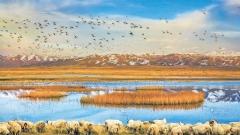
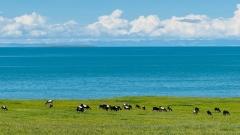
Qinghai Lake is one of the most famous natural attractions in northwest China. In summer, its blue waters, surrounding grasslands, and seasonal flowers make it a popular destination. In winter, the landscape changes dramatically as parts of the lake freeze, creating a vast expanse of ice and snow.
The frozen lake can be impressive for photography, especially when the surrounding mountains and grasslands are covered in snow. However, visitors should only access designated viewing areas and must never walk onto the ice unless local authorities have explicitly confirmed that it is safe.
Winter visits are also more dependent on road and weather conditions. Strong winds and low temperatures can make time outdoors uncomfortable, so warm clothing is essential.
Chaka Salt Lake
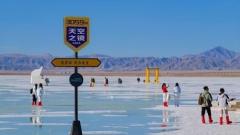
<escape> </escape>Chaka Salt Lake is famous for its mirror-like reflections, white salt crust, and the visual effect that makes visitors feel as though they are walking across the sky.
In winter, the scenery is quieter and can look completely different. Depending on temperatures and seasonal conditions, parts of the lake may freeze, creating a snowy landscape rather than the familiar reflective surface seen in summer.
However, do not assume that all facilities or sightseeing activities operate throughout winter. The scenic area may have seasonal opening arrangements, and some services or viewing sections may be unavailable. Confirm the latest official operating information before including Chaka Salt Lake in your itinerary.
Emerald Lake
Located near Dachaidan, Emerald Lake is known for its striking shades of green and blue. The contrast between the mineral-rich water, white salt deposits, and surrounding desert landscape makes it one of the most photogenic stops on the Qinghai-Gansu Grand Loop.
In winter, snow and ice can add another layer of scenery. The colors of the lakes may look different from those in summer, and the overall landscape can feel especially peaceful without the usual crowds.
Road access and visitor facilities may be affected by winter weather. Follow local instructions, stay within permitted areas, and avoid walking on frozen lake surfaces.
Qarhan Salt Lake
Qarhan Salt Lake is one of the largest salt lakes in China, featuring extensive salt flats, mineral-rich waters, and unusual natural formations. It is a fascinating destination for travelers interested in geology and landscapes.
Winter can bring a quieter atmosphere, with snow and ice changing the appearance of the salt flats. However, the site is more remote than some other attractions on the route, so access and operating arrangements should be confirmed in advance.
If road conditions are unfavorable, it may be better to remove this stop rather than risk a lengthy detour.
Mogao Caves
Located near Dunhuang, the Mogao Caves are among the most important cultural heritage sites along the ancient Silk Road. The caves preserve remarkable Buddhist murals, sculptures, and historical records that reflect centuries of cultural exchange.
Unlike many outdoor destinations, the Mogao Caves can be a good winter stop because much of the visit takes place indoors or in controlled environments. Winter is also generally a quieter travel period than the peak summer season.
Visitor numbers, cave access, and ticket arrangements may vary by season. Advance reservations are recommended, and travelers should check the official booking arrangements before visiting.
Mingsha Mountain and Crescent Spring
Mingsha Mountain and Crescent Spring are two of Dunhuang’s best-known attractions. The crescent-shaped spring sits among towering sand dunes, creating one of the most distinctive desert landscapes in China.
Winter brings a different atmosphere to the area. The dunes may have fewer visitors, and occasional snow can create an unusual contrast between the golden desert and white sand-covered slopes.
However, the desert can be extremely cold and windy in winter. Outdoor activities and some services may be limited depending on weather conditions. Plan your visit during daylight hours and bring sufficient windproof clothing.
Zhangye Danxia National Geopark
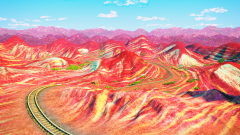
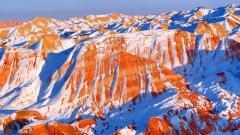
Zhangye Danxia is famous for its colorful layered mountains, with red, yellow, orange, and other mineral colors forming striking patterns across the landscape.
The colorful formations remain impressive in winter, and snow can create a dramatic contrast against the exposed rock layers. With fewer visitors than during the peak season, it can also be a rewarding destination for photography.
The viewing experience depends on weather and visibility. Snow, fog, or poor weather may affect the scenery, while icy walkways can require extra caution. Check the park’s operating arrangements before visiting.
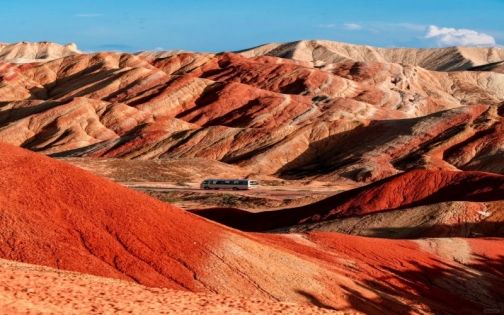
Colorful Danxia
How to Plan a Winter Qinghai-Gansu Grand Loop Itinerary
A successful winter trip depends less on how many attractions you can visit and more on how well you manage driving time, weather, and daily distances.
Choose a shorter and more flexible route
The standard summer loop may include many outdoor stops and long driving days. In winter, it is better to prioritize the destinations you most want to see and leave enough time for changes.
For example, a winter itinerary can focus on Xining, Qinghai Lake, Chaka Salt Lake or Dachaidan, Dunhuang, and Zhangye. The exact route should depend on the current road conditions and which scenic areas are operating.
Avoid overly long driving days
Driving distances in northwest China can be substantial. Winter road conditions and shorter daylight hours make long journeys more demanding.
Try to avoid arranging several remote attractions in one day. Allow extra time for rest stops, possible traffic restrictions, and unexpected weather changes. Arriving at your hotel before dark is a sensible winter travel goal.
Arrange a suitable vehicle and experienced driver
Self-driving may sound appealing, but winter conditions can be challenging for visitors unfamiliar with the region. Snow and ice can make certain sections more difficult, while remote areas may have limited services.
For a more comfortable journey, consider arranging a private vehicle with an experienced local driver who understands the regional roads and winter driving conditions. A local travel agency can also help adjust the route when weather or attraction arrangements change.
Prepare alternative plans
Some attractions may temporarily restrict access because of snow, strong winds, or other safety concerns. Instead of treating every stop as fixed, prepare alternative destinations or allow a flexible day in the itinerary.
This is particularly important for remote salt lakes and outdoor attractions. A flexible schedule helps prevent one road closure from disrupting the entire trip.
Pros and Cons of Visiting the Qinghai-Gansu Grand Loop in Winter
Winter travel has its own advantages, but it is not suitable for every traveler.
Advantages
- Fewer tourists: Popular destinations may be much quieter than during the summer holidays.
- Distinctive winter scenery: Frozen lakes, snow-covered mountains, and desert landscapes offer photographic opportunities that are different from the summer experience.
- A quieter atmosphere: Travelers can enjoy a more peaceful experience at some attractions and in cities such as Dunhuang.
- Potential low-season savings: Some hotels and travel services may offer lower rates outside peak periods, although availability and pricing vary.
Disadvantages
- Very cold weather: Outdoor sightseeing can be uncomfortable without proper winter clothing.
- Unpredictable road conditions: Snow, ice, and strong winds may delay travel or require route changes.
- Seasonal operating arrangements: Some scenic areas may reduce services, restrict access, or close certain facilities.
- Shorter sightseeing hours: Limited daylight makes it difficult to fit as many stops into one day.
- Fewer services in remote areas: Accommodation, restaurants, and transport options may be more limited in some locations.
Overall, winter is a good choice for travelers who value quiet scenery and are comfortable with cold weather and flexible arrangements. Those who want to see every attraction under ideal conditions may prefer spring, summer, or autumn.
What to Pack for a Winter Trip to Qinghai and Gansu
Packing properly is essential because you may experience strong temperature differences between destinations and throughout the day.
Recommended items include:
- A warm down jacket: Choose one suitable for freezing temperatures, preferably with wind-resistant outer fabric.
- Thermal base layers: Wear thermal underwear or other warm layers beneath your regular clothes.
- Windproof clothing: A windproof jacket or outer shell is useful around lakes, open grasslands, and desert areas.
- Warm accessories: Gloves, a hat, a scarf, and thick socks help protect exposed skin.
- Non-slip winter shoes: Choose comfortable shoes with good grip, especially if you expect snow or icy paths.
- Sunglasses and sunscreen: Sunlight can be strong at high altitudes, even when the weather is cold.
- Personal medication and essentials: Bring any regular medication you need, along with a small personal first-aid kit.
- A reusable thermos: Warm drinking water is useful during long drives and outdoor sightseeing.
Before confirming accommodation, ask whether rooms have reliable heating and whether restaurants and other basic services are operating during your travel dates.
Is the Qinghai-Gansu Grand Loop in Winter Suitable for You?
Winter travel is particularly appealing to photographers, nature lovers, and travelers who prefer quieter destinations. If you enjoy snowy landscapes, frozen lakes, and the wide-open scenery of northwest China, the winter season can offer a memorable experience.
However, it may not be the best choice for travelers who dislike cold weather, have a tight schedule, or expect every attraction to operate exactly as it does in summer. Families traveling with young children or older relatives should pay particular attention to temperature, driving time, accommodation conditions, and access to medical services.
Travelers visiting northwest China for the first time may also find a private tour more convenient than organizing every transfer independently. A flexible itinerary, experienced driver, and accommodation arranged in advance can make a significant difference during the colder months.
Frequently Asked Questions
Is the Qinghai-Gansu Grand Loop open in winter?
The route is not necessarily closed throughout winter. Major roads may remain open, but individual sections can be affected by snowfall, icy conditions, strong winds, or traffic restrictions. Scenic areas may also have different operating schedules. Check local road updates and official attraction notices before departure.
How many days do you need for a winter Qinghai-Gansu trip?
A shorter route generally works better in winter. Around 6 to 8 days can be considered for a trip covering selected highlights, depending on your arrival city and the destinations you choose. A longer itinerary may be needed if you want to include more remote areas or allow extra time for weather-related changes.
Can you visit Qinghai Lake in winter?
Yes, some designated areas around Qinghai Lake can be visited in winter. The lake may freeze, creating beautiful winter scenery. However, access depends on local conditions, and visitors should never walk onto the ice unless it has been officially confirmed as safe.
Is Chaka Salt Lake open in winter?
Chaka Salt Lake may have seasonal operating arrangements. Opening dates, sightseeing sections, and available services can change from year to year. Confirm the latest information with the scenic area’s official channels before making travel plans.
Is it safe to drive the Qinghai-Gansu Grand Loop in winter?
Driving conditions vary by location and weather. Snow, ice, strong winds, and long distances can make winter driving challenging, particularly for visitors unfamiliar with the region. An experienced local driver and a flexible itinerary are recommended. Avoid driving at night and follow local traffic instructions.
Is Dunhuang worth visiting in winter?
Yes. Dunhuang is a worthwhile winter destination, especially for travelers interested in the Mogao Caves, Silk Road history, and desert landscapes. The city is generally quieter than during the peak tourist season, although outdoor attractions can be cold and windy.
Explore the Qinghai-Gansu Grand Loop with China Dragon Travel
The Qinghai-Gansu Grand Loop reveals a different kind of beauty in winter. From the frozen landscapes of Qinghai Lake to the ancient Buddhist art of the Mogao Caves and the colorful mountains of Zhangye, the region offers plenty to discover beyond the summer season.
The key to a successful winter journey is choosing the right route, allowing enough time for each destination, and preparing for changing weather and road conditions. China Dragon Travel can help you plan a private Qinghai-Gansu tour with suitable transportation, accommodation, and a flexible itinerary based on your travel dates and interests.
Contact us to start planning your winter journey through northwest China.