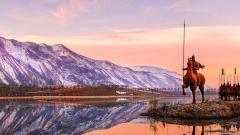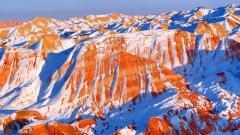

Sitting on the northeastern edge of the Tibetan Plateau, Qinghai Lake is a vast expanse of blue water surrounded by golden grasslands, snow-capped mountains, and endless skies. As the largest inland saltwater lake in China, it holds deep cultural significance for both Tibetan and Han Chinese communities while offering travelers an unforgettable natural landscape. Whether you are drawn by the blooming rapeseed flowers in summer, the frozen ice patterns in winter, or the sacred pilgrimage routes that circle its shores, this destination delivers an experience unlike anywhere else in Asia. Planning a trip here requires understanding the high altitude, unpredictable weather, and remote logistics. This comprehensive guide covers everything you need to know before setting out, from seasonal highlights and must-see spots to practical advice on transportation, accommodation, and respecting local customs.
Key Takeaways:
- Best seasons: July and August offer warm weather and blooming rapeseed flowers, while winter provides stunning frozen landscapes.
- Top attractions: Bird Island, Erlangjian Scenic Area, Sand Island, and the surrounding grasslands are essential stops.
- Altitude awareness: The lake sits at 3,200 meters above sea level; acclimatization is crucial to avoid altitude sickness.
- Transportation: Renting a car or joining a guided tour from Xining is the most reliable way to explore the region.
- Cultural respect: Always ask permission before photographing locals or religious sites, and follow designated paths around sacred areas.
Understanding Qinghai Lake: Geography and Significance
Qinghai Lake spans over 4,500 square kilometers, making it a dominant geographical feature of Qinghai Province. Fed by dozens of rivers originating from the surrounding Qilian Mountains, the lake has no outlet, which gives its waters a distinct saline composition. Over millennia, fluctuating water levels have shaped its coastline, creating wetlands, sand dunes, and rocky peninsulas that support diverse ecosystems. The name itself translates to “Blue-Green Sea,” a fitting description for the striking color of the water under the intense plateau sunlight.
For centuries, the lake has been a spiritual center. In Tibetan Buddhism, it is considered a sacred body of water, and many pilgrims undertake the arduous journey of circumambulating its entire perimeter—a trek that can take weeks on foot or days by bicycle. The surrounding pastures have long sustained nomadic herders whose yaks and sheep dot the landscape. Today, the area balances its role as a vital ecological sanctuary with growing tourism, requiring visitors to tread lightly and respect the fragile environment.
Qinghai Lake
The Best Time to Visit Qinghai Lake
Choosing when to go depends entirely on what kind of experience you are seeking. The climate here is characterized by short summers, long winters, and dramatic temperature drops between day and night regardless of the season.
Summer (July to August)
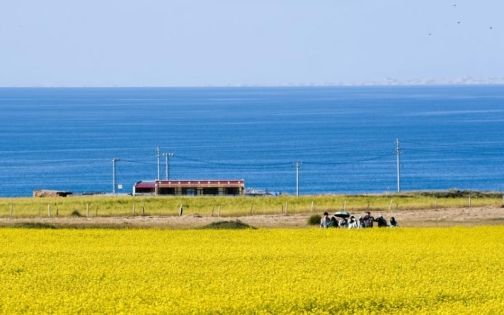
This is universally considered the peak season, and for good reason. During these months, daytime temperatures hover comfortably between 15°C and 25°C (59°F to 77°F), providing a welcome escape from the sweltering heat found in lower-altitude cities across China. The defining visual spectacle of summer is the vast fields of yellow rapeseed flowers that bloom right up to the water’s edge, creating a striking contrast against the deep blue lake and white clouds. This is also the best time for cycling around the lake, as the roads are clear of ice and the weather is generally stable, though afternoon rain showers are common.
Autumn (September to October)
As the tourist crowds thin out, autumn reveals a quieter, more rugged side of the region. The grasslands transition from green to shades of gold and amber. Temperatures drop significantly, especially at night, often falling below freezing by late October. However, the air becomes incredibly crisp, offering some of the clearest visibility for photography. Migratory birds begin to gather, making it a transitional period for wildlife enthusiasts.
Winter (November to March)
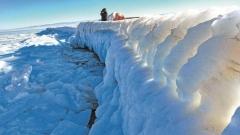
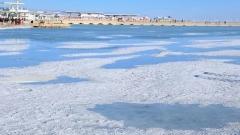
Winter transforms the lake into a frozen wonderland. By January, large portions of the surface freeze solid, creating intricate patterns of ice ridges and pressure cracks that look almost alien. Temperatures routinely plunge to -20°C (-4°F) or lower, demanding serious cold-weather gear. Tourism infrastructure slows down considerably, with many guesthouses closing for the season. Yet, for adventurous travelers willing to brave the cold, the stark, silent beauty of the frozen plateau is unparalleled.
Spring (April to June)
Spring is a slow awakening. The ice begins to break up, often drifting in massive chunks along the shoreline. Wildflowers start to emerge by late May, and the migratory birds return in huge numbers to nest. Weather during spring is highly unpredictable, with sudden snowstorms possible even in May. It is a less crowded time to visit, but travelers must be prepared for rapidly changing conditions.
Top Attractions Around Qinghai Lake
The sheer size of the lake means that exploring it requires dedicating several days to driving or cycling the roughly 360-kilometer loop road that encircles it. Several key sites stand out as essential stops along the way.
Bird Island (Niao Dao)
Located on the western shore, Bird Island is one of the most important breeding grounds for migratory birds in Central Asia. Between April and July, hundreds of thousands of bar-headed geese, brown-headed gulls, cormorants, and other species arrive to nest. The island is actually divided into two main sections: Haixipi (Egg Island) and Haixinshan (Bird Island). Viewing platforms allow visitors to observe the dense colonies without disturbing their habitats. Due to ongoing ecological conservation efforts, access policies to Bird Island change frequently, sometimes restricting entry entirely to protect nesting grounds. Always check current regulations before planning your route.
Erlangjian Scenic Area
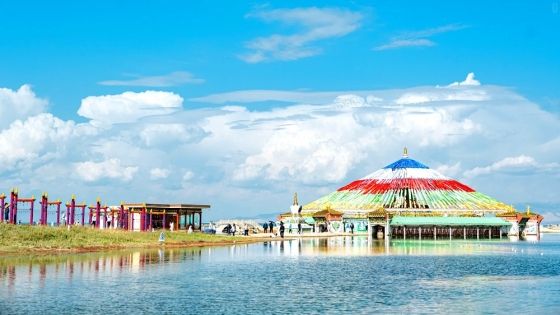
Situated on the southern shore, Erlangjian is a narrow peninsula that juts into the water, resembling the blade of a sword. It is one of the most developed tourist hubs around the lake, offering paved walkways, viewing decks, and facilities where visitors can get close to the water. Boat tours depart from here during the warmer months, taking passengers out to see the lake from a different perspective. While it can get busy during the summer peak, the panoramic views of the surrounding mountains reflecting off the water make it a worthwhile stop.
Sand Island (Sha Dao)
On the northeastern edge lies Sand Island, a fascinating geographical anomaly where towering desert sand dunes meet the alpine lake. The contrast between the golden sand, the blue water, and the distant green mountains creates a surreal landscape. Visitors can engage in activities like sand sliding, camel riding, and ATV tours. Like Bird Island, Sand Island has faced periodic closures for environmental rehabilitation, so verifying its operational status ahead of your trip is essential.
Riyue Mountain (Sun and Moon Mountain)
While not directly on the shoreline, Riyue Mountain is the traditional gateway to the lake when traveling from Xining. Sitting at an elevation of over 3,500 meters, the pass marks the dividing line between the agricultural lands of eastern Qinghai and the pastoral grasslands of the Tibetan Plateau. Legend ties this spot to Princess Wencheng, who passed through here in the Tang Dynasty on her way to marry the Tibetan King Songtsen Gampo. Prayer flags flutter wildly in the wind at the summit pavilions, and the view looking back toward the east and forward toward the west perfectly illustrates the dramatic shift in geography.
The Cycling Route
For active travelers, cycling the entire circumference of the lake is a bucket-list achievement. The route follows National Highway 109 and Provincial Road 315, passing through small Tibetan villages, rolling hills, and flat stretches alongside the water. Most cyclists complete the loop in three to five days. Bicycle rentals are readily available in the town of Xihai (near the northern shore), which serves as the unofficial starting point for the circuit. Riding clockwise is the traditional direction, aligning with the Buddhist practice of circumambulation.
Qinghai Lake
How to Get There and Transportation Options
Almost all journeys to the lake begin in Xining, the capital of Qinghai Province, which is well-connected by flights and high-speed rail from major Chinese cities like Beijing, Shanghai, Chengdu, and Xi’an. From Xining, the lake is approximately 150 kilometers away.
Public Buses
Xining’s bus stations offer regular services to towns near the lake, such as Heimahe (on the southern shore) or Gangcha (on the northern shore). While economical, buses limit your flexibility once you arrive, as the attractions are spread far apart and local public transit around the lake is virtually non-existent.
Car Rental and Private Drivers
Hiring a private car with a local driver is arguably the most comfortable and efficient way to explore. The drivers know the road conditions, the best viewpoints, and the current status of various attractions. If you prefer to drive yourself, rental cars are available in Xining. The roads around the lake are generally well-paved, but watch out for livestock—yaks and sheep frequently wander onto the highways, and collisions are a real hazard. Driving at night is strongly discouraged due to poor lighting and wandering animals.
Guided Tours and Organized Travel
For those who prefer a seamless experience without worrying about logistics, organized tours are highly recommended. Companies like China Dragon Travel specialize in crafting itineraries that cover the lake and the broader Qinghai-Tibet region. Utilizing a service like China Dragon Travel ensures that you have experienced guides who understand the altitude, the cultural nuances, and the shifting accessibility of protected areas. They handle accommodations, transport, and permits, allowing you to focus entirely on the scenery and the experience rather than navigating unfamiliar rural roads.
Accommodation: Where to Stay
Lodging options range from basic to surprisingly comfortable, though luxury hotels are scarce outside of Xining.
Guesthouses and Local Inns
Small towns around the lake, particularly Heimahe, Jiangxicun, and Gangcha, are filled with family-run guesthouses. These provide basic amenities, hot water (though sometimes limited), and a chance to interact with local Tibetan and Hui families. Prices spike dramatically during July and August, so booking well in advance is mandatory if you plan to visit during the peak flower season.
Yurt Stays
For a more immersive experience, several campsites along the southern and western shores offer traditional Mongolian or Tibetan-style yurts. Sleeping in a felt tent on the grassland, listening to the wind and the distant barking of mastiffs, is a memorable experience. Be aware that nights are cold even in summer, and bathroom facilities at yurt camps are usually shared and very basic.
Hotels in Xihai Town
Xihai Town, located north of the lake, has the highest concentration of standard hotels. It is the best base for those planning to cycle the lake or visit the nearby atomic city museum. The hotels here offer reliable heating, en-suite bathrooms, and restaurants, making it a comfortable staging ground.
Food and Dining: What to Eat
The cuisine around the lake reflects the nomadic and Muslim cultures of the region. Meat and dairy dominate the menus, with fresh vegetables being less common due to the harsh climate.
Qinghai Lake Naked Carp
Historically, the lake was famous for its endemic naked carp (Huangyu). However, due to severe overfishing and declining populations, fishing in the lake has been strictly banned for years to protect the species. You may still see it mentioned in older travel guides, but consuming it is illegal and ecologically harmful. Instead, focus on the other regional specialties.
Yak Meat and Dairy
Yak is the staple protein. You will find it served in stews, dried as jerky, or stir-fried with local spices. Yak butter tea—a salty, rich, and warming beverage—is offered everywhere and is essential for combating the cold and maintaining energy at high altitudes. Yak yogurt is another highlight; it is much thicker and more tart than commercial yogurt, often sweetened with white sugar or local honey by vendors.
Tsampa
This roasted barley flour is the foundational carbohydrate of the Tibetan diet. It is typically mixed by hand in a bowl with yak butter tea and dried cheese to form a dough-like ball. It is highly nutritious, easy to digest, and provides sustained energy for hiking or cycling.
Hui Muslim Cuisine
In towns with significant Hui populations, you will find excellent hand-pulled noodles (lamian), mutton skewers heavily seasoned with cumin and chili, and flatbreads. These meals are hearty, affordable, and widely available along the main highways circling the lake.
Essential Travel Tips and Safety Advice
Traveling to the Tibetan Plateau requires preparation. Ignoring the environmental realities can quickly turn a dream trip into a medical emergency.
Managing Altitude Sickness
The lake sits at roughly 3,200 meters (10,500 feet). At this elevation, the oxygen level is about 70% of what it is at sea level. Mild symptoms like headaches, shortness of breath, and disrupted sleep are common upon arrival. To mitigate this, spend at least one or two days acclimatizing in Xining (which is at 2,200 meters) before heading up to the lake. Avoid strenuous exercise, alcohol, and heavy meals on your first day. Drink plenty of water. If symptoms escalate to severe vomiting, confusion, or difficulty breathing while resting, descend to a lower altitude immediately and seek medical attention. Many pharmacies in Xining sell portable oxygen canisters, which are worth purchasing for peace of mind.
Sun Protection and Clothing
The atmosphere is thin, meaning UV radiation is exceptionally strong. Sunburn can occur within minutes, even on cloudy days. High-SPF sunscreen, wide-brimmed hats, UV-blocking sunglasses, and lip balm are non-negotiable. Dress in layers. A sunny afternoon can turn into a freezing, windy evening rapidly. Bring a windproof and waterproof outer shell, thermal base layers, and sturdy walking shoes.
Respecting Local Culture and Ecology
The lake is deeply sacred. Never wash your hands, clothes, or dishes in the lake water. Do not throw trash into the water or onto the grasslands; carry a bag and pack out everything you bring in. When visiting monasteries or encountering mani stone piles (stones carved with mantras), walk around them in a clockwise direction. Always ask for consent before taking photographs of local herders, monks, or their animals. Some may expect a small tip in exchange for a photo, which is a normal part of the local tourism economy.
Connectivity and Cash
Mobile phone signal (4G/5G) is generally reliable along the main highways and in towns, but dead zones exist in remote valleys or along the western stretches. Download offline maps before leaving Xining. While mobile payment apps like WeChat Pay and Alipay are ubiquitous in China, smaller nomadic vendors or remote guesthouses might only accept cash. Carry a sufficient amount of Chinese Yuan (RMB) in smaller denominations.
Frequently Asked Questions (FAQs)
1. How many days do I need to fully explore Qinghai Lake?
To properly experience the lake, including driving the loop road, stopping at major attractions like Erlangjian and Sand Island, and spending time in local towns, you should allocate at least three to four days. If you plan to cycle the entire perimeter, expect to spend four to six days depending on your fitness level and how often you stop to rest and enjoy the scenery.
2. Is it safe to travel to Qinghai Lake alone?
Yes, it is generally safe for solo travelers, provided you take standard precautions regarding altitude sickness and road safety. The main risks are environmental rather than criminal. Ensure someone knows your daily itinerary, carry extra water and warm clothing, and avoid hitchhiking in remote areas. Joining a small group tour or hiring a local driver is often the safest and most practical choice for solo visitors.
3. Can I swim in Qinghai Lake?
Swimming is strongly discouraged and generally prohibited in most areas. The water is extremely cold year-round, posing a severe risk of hypothermia. Furthermore, the lake is a protected ecological zone, and human activity in the water disrupts the fragile habitat of the endangered naked carp and migratory birds. Stick to viewing the lake from the designated shorelines and piers.
4. What should I do if I experience severe altitude sickness at the lake?
If you develop severe symptoms such as persistent vomiting, extreme dizziness, loss of coordination, or a rattling sound in your lungs, you must descend to a lower altitude immediately. Do not wait for symptoms to improve on their own. Return to Xining or a lower-elevation town as quickly as possible and seek medical care. Carrying supplemental oxygen can help manage mild symptoms while you arrange your descent.
5. Are there ATMs available around the lake?
ATMs are available in the larger towns that serve as bases for lake exploration, such as Xihai Town, Gangcha, and Heimahe. However, they are completely absent along the rural stretches of the highway and in small nomadic settlements. Withdraw enough cash in Xining or at your first major town stop to cover fuel, meals, and incidental expenses for several days, just in case machines are out of service or out of cash.