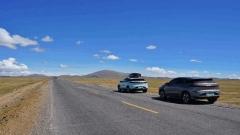

Taking the train to Tibet on the Qinghai–Tibet Railway is one of the most memorable ways to begin a journey to the Tibetan Plateau. Known as the “Sky Train,” this railway crosses vast high-altitude landscapes and usually takes more than twenty hours to reach Lhasa from major cities in China. Because of the long travel time and the unique environment of the plateau, packing your luggage properly becomes an important part of the trip. Railway authorities have clear rules regarding baggage weight limits, size restrictions, and prohibited items. Understanding these regulations in advance can help travelers avoid problems at the station and ensure a smoother and more comfortable journey to Tibet.
Baggage Allowance Regulations for Tibet Trains
Weight Allowance
According to relevant regulations from the national railway authorities, there are clear stipulations regarding the weight of carry-on luggage for passengers on the Qinghai-Tibet Railway.
- Ordinary Passengers: The free carry-on luggage weight per person shall not exceed 20 kilograms.
- Child Passengers: Each child passenger may carry 10 kilograms.
- Diplomatic Personnel: Each diplomatic personnel member may carry 35 kilograms.
This weight limit applies to the total sum of all luggage you bring onto the train, not calculated per individual piece. If the total weight of your luggage exceeds the allowance, the railway authorities have the right to require you to check it or refuse to allow it on board.
Size Allowance
The Qinghai-Tibet Railway currently operates various train types, mainly conventional-speed trains (e.g., Z-series, K-series) and EMU trains (e.g., D-series, C-series). The size requirements for luggage differ slightly between them.
- Conventional-speed Trains (e.g., Z-series trains): The sum of the length, width, and height of a single piece of luggage shall not exceed 160 centimeters, equivalent to the standard size of a 28-inch suitcase.
- EMU Trains: The sum of the length, width, and height of a single piece of luggage shall not exceed 130 centimeters, equivalent to the standard size of a 24-inch suitcase.
Folding wheelchairs used by passengers with special needs (elderly, children, sick, disabled, pregnant) who require assistive devices, and folding strollers for accompanying infants, may be carried free of charge and are not subject to the above size and weight limits.
Prohibited Items
In addition to weight and size restrictions, all luggage must comply with the list of prohibited and restricted items stipulated by the National Railway Administration and the Ministry of Public Security. The following items are strictly forbidden on board:
- Flammable and Explosive Items: Gasoline, alcohol, firecrackers, lighter fluid, etc.
- Controlled Implements: Daggers, switchblades, and other controlled knives.
- Corrosive Items: Sulfuric acid, hydrochloric acid, etc.
- Toxic and Harmful Items: Pesticides, insecticides, etc.
- Other Dangerous Goods: Compressed gases, spray paint, etc.
If you carry any of the above items, you will not only be denied boarding but may also face legal liability. Be sure to carefully check the contents of your luggage before departure.
Free Baggage Allowance on Tibet Trains
When taking the train to Tibet, whether on a conventional-speed train or an EMU train, luggage carriage follows a unified free allowance standard. Furthermore, the allowance standards differ for different groups, so it’s essential to understand them in advance to avoid travel disruptions caused by excess luggage.
- Categorized by Passenger Type: Each child passenger (height less than 1.3 meters) may carry 10 kg of luggage free of charge. Diplomatic personnel enjoy a special standard of 35 kg per person. Ordinary adult passengers and other types of passengers have a free carry-on luggage weight limit not exceeding 20 kg per person. This standard applies to all trains entering Tibet.
- Categorized by Train Type: Conventional-speed trains are the main type used for entering Tibet. For these, the sum of the external dimensions (length, width, height) of a single piece of luggage must not exceed 160 cm. The length of rod-like luggage is separately limited to no more than 200 cm. If taking an EMU train on the Tibet section, the sum of the length, width, and height of a single piece of luggage must be controlled within 130 cm; rod-like luggage follows the same standard without separate length concessions.
- Special Luggage Free Policy: Folding wheelchairs used by passengers with disabilities during travel, and folding strollers for accompanying infants, may be carried free of charge and are not counted towards the above luggage weight and size allowance limits.
Regardless of the passenger type or the type of train taken, the weight of a single piece of luggage must not exceed 20 kilograms. Even if the total carried weight does not exceed the personal free allowance, if a single piece of luggage is overweight, relevant procedures must still be followed as required.
Handling Excess Baggage on Tibet Trains
If you find your luggage exceeds the allowance just before boarding, you can choose the most economical emergency handling method based on the extent of the excess to avoid delaying your trip:
- Slight Excess (Overweight ≤5kg, size within limit): You can transfer some lightweight items to your carry-on backpack, give them to friends/family seeing you off, or purchase lightweight storage bags at the station convenience store to temporarily repack the excess portion, ensuring no single piece exceeds 20kg. If repackaging isn’t possible, you can pay an excess freight charge at the station, which is often cheaper than checked baggage.
- Moderate Excess (Overweight 5-10kg, or slightly oversized): It is advisable to use the station’s temporary checked baggage service. Pack the excess items into a dedicated luggage bag for transport on a subsequent train. The fee is calculated based on weight and distance, with a starting price around 10 RMB. If time is tight, you can opt for courier services partnered with the station, which typically take 2-3 days and cost slightly more than checked baggage.
- Severe Excess (Overweight >10kg, or significantly oversized): This type of luggage cannot be taken on the train. You need to arrange freight or courier services in advance. It is recommended to contact the railway freight department or a courier company at least 1 day ahead to avoid last-minute delays. For valuable items like mountaineering equipment or photography gear, you can purchase insurance value-added services.。
Baggage Storage Options on Tibet Trains
Luggage Storage at Lhasa Station
Lhasa Station is located on the plateau, characterized by a dry climate and large temperature differences between day and night. When storing luggage, it’s advisable to seal items like warm clothing and electronic devices in protective packaging. Additionally, the station strictly inspects stored luggage, prohibiting dangerous goods, controlled implements, and valuables. It is recommended to keep valuables with you.
- Official Staffed Left Luggage Office: Located in the comprehensive service area next to the exit of Lhasa Station. Open 24 hours, suitable for passengers arriving or departing late at night. Ordinary backpacks, handbags, and suitcases under 30 inches can be stored. The limit per piece is 20 kg; excess weight incurs an additional storage fee based on the multiple of the excess.
- Fee Standard: Small items: 5 RMB/day. Large items (longest side >45CM and sum of three sides ≤158CM): 10 RMB/day. Temporary storage fee: 3 RMB/time. If assistance from staff for carrying is required, a handling fee of 2 RMB/piece applies.
- Smart Storage Lockers: Located on both sides of the entrance of Lhasa Station. Available in small, medium, and large sizes. Small lockers are suitable for backpacks and handbags (size approx. 38×25cm). Medium lockers fit large backpacks or 18-inch carry-on luggage (size approx. 38×55cm). Large lockers accommodate 26/28-inch suitcases (size approx. 38×78cm). Smart lockers are charged hourly at 2-5 RMB/hour, with a maximum daily charge not exceeding 20 RMB. Payment is via WeChat or Alipay scan. Operating hours: 6:00-23:00, suitable for passengers needing short-term storage.
Luggage Storage at Xining Station
Xining Station is the eastern terminus of the Qinghai-Tibet Railway and a major transfer point for passengers heading to Tibet. Luggage storage and transfer services are more developed here, also divided into official storage points and third-party storage services.
- Official Left Luggage Office (Baggage Room): Located on the North Square of Xining Station. Specializes in long-term luggage storage and storage for checked baggage. Operating hours: 8:00-18:00. Storage fees are the same as the official point at Lhasa Station: small items 5 RMB/day, large items 10 RMB/day. Supports long-term storage; for periods exceeding 30 days, fees accumulate monthly.
- Third-Party Storage Points: Distributed around the Xining Station subway entrance and station square. Operated by professional storage platforms. Business hours are typically 8:00-22:30, with some points supporting 24-hour service. Fees are slightly lower than the official point: small items 4 RMB/day, large items 8 RMB/day. No extra fees for overweight items, suitable for transfer passengers with a lot of luggage.
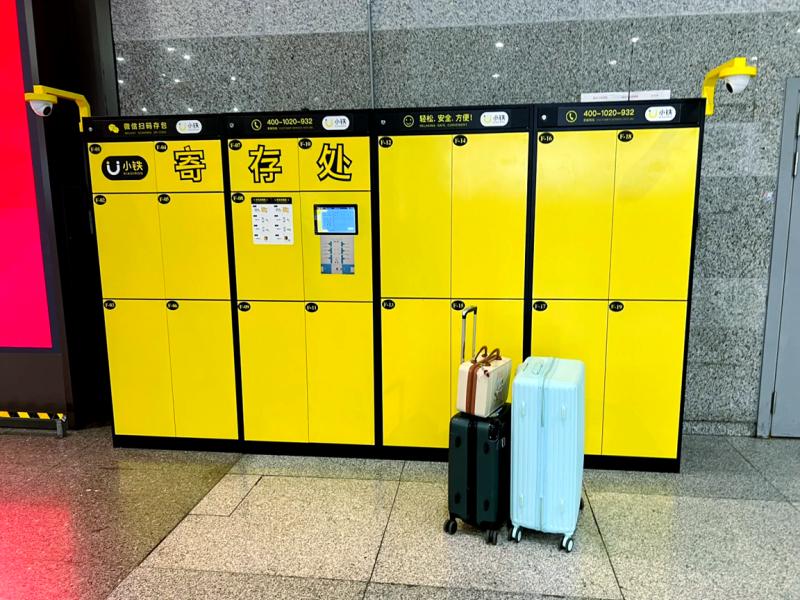
Smart Storage Lockers: Facilitating Your Convenient Travel
Practical Tips for Baggage on Trains to Tibet
Arranging luggage for the Tibet railway involves not only following official railway rules but also considering the speciality of plateau travel. Planning aspects like packing, items to carry, and storage choices ensures your luggage aids rather than hinders your plateau journey.
- Luggage Packing Tips: Warm clothing takes up significant space; use compression bags to save room. Electronic devices drain battery faster in the low-temperature plateau environment; pack them separately in an insulated pouch and carry them with you – do not put them in checked or stored luggage. For medicines commonly used during plateau travel, it’s advisable to divide them into a small portion for your carry-on and a larger portion in your main luggage.
- Items to Bring and Avoid: Choose lightweight, sturdy suitcases or backpacks for easy handling. Items to avoid include heavy oversized outdoor equipment, prohibited items like controlled knives and gas canisters, and excessive non-essential items to lighten your load.
- Best Timing for Storage: It’s recommended to store luggage immediately after exiting the station, as the distance to carry it is shortest then. For transfer passengers, choose storage points connected to the transfer passage to save time. Opt for official staffed left luggage offices for higher security. When carrying a lot of luggage, third-party storage platforms may offer better value.
- Plateau Luggage Care Tips: The plateau climate is dry and dusty. It’s advisable to use dust-proof packaging for stored or checked luggage, especially for clothes and electronics. Luggage racks on the train are located at both ends of the carriage. Ensure items are placed securely to prevent them from falling due to the train’s movement, which is particularly important as the plateau train traverses sections with significant terrain
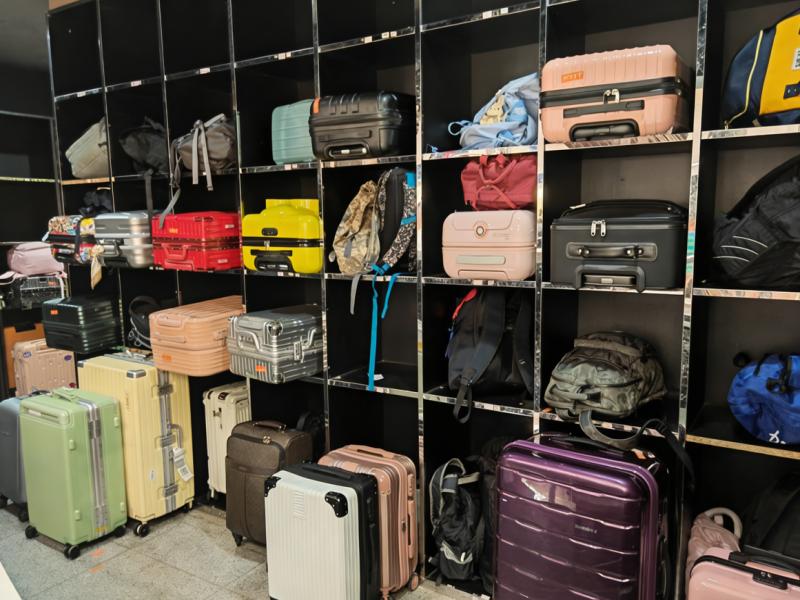
Left Luggage Office: Integrating Convenience and Security
Packing Tips and Luggage Planning for the Qinghai–Tibet Railway
Proper luggage planning can greatly improve the experience of traveling to Tibet by train. By understanding baggage limits, avoiding restricted items, and using luggage storage or shipping services when necessary, travelers can reduce unnecessary stress during the journey. With well-organized luggage, it becomes easier to enjoy the spectacular landscapes along the Qinghai–Tibet Railway, from vast grasslands to snow-covered mountains.
For travelers planning a Tibet trip by train, careful travel preparation is equally important. China Dragon Travel specializes in Tibet tours and high-altitude travel planning, providing professional advice and customized itineraries to help visitors explore the Tibetan Plateau safely and comfortably.