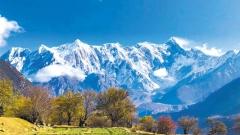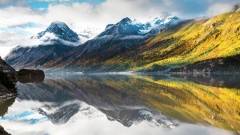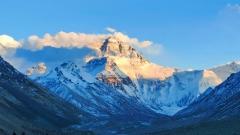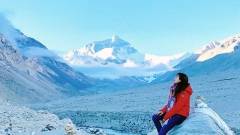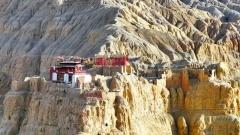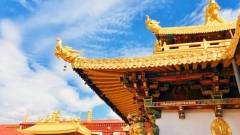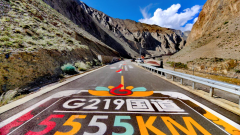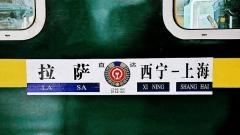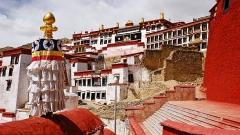

The Qinghai-Tibet Railway Soft Sleeper is the top choice for comfort among international travelers to Tibet. With the privacy of 4-person compartments, peace of mind from independent oxygen ports, and relaxation on 60cm-wide beds, the 19-22 hour “Sky Road” journey is no longer a chore but an immersive part of your Tibet trip. For international travelers seeking comfort and efficiency, the Soft Sleeper is more than just a seat—it’s a mobile rest stop before reaching Lhasa. Inside the compartment, you can enjoy the grand scenery of Qinghai Lake and Hoh Xil through wide windows, acclimatize to altitude smoothly with independent oxygen, and recharge in a quiet environment, ready to start your itinerary as soon as you arrive in Lhasa. This guide focuses on the core experiences and practical details of the Qinghai-Tibet Railway Soft Sleeper, from booking to berth selection, facility use to altitude sickness management, helping you master all aspects of a Soft Sleeper journey.
Qinghai-Tibet Railway Soft Sleeper Key Information Overview
| Item | Key Details |
| Soft Sleeper Positioning | Highest comfort class on Qinghai-Tibet Railway; 4-person compartment with independent curtain; top choice for international travelers |
| Fare Range (USD) | Xining→Lhasa: $112; Chengdu→Lhasa: $142; Shanghai→Lhasa: $209; 30%-50% pricier than Hard Sleeper, 40%-50% cheaper than Business Class |
| Core Facilities | Independent oxygen port per berth, 60cm-wide lie-flat bed, 24h power socket, reading lamp, private storage (fits 20-inch suitcase) |
| Suitable For | International travelers, families, seniors, solo travelers seeking comfort; accommodates 2-4 people |
| Popular Trains | Z164 (Shanghai→Lhasa), Z322 (Chengdu→Lhasa), Z21 (Beijing→Lhasa), Z323 (Xining→Lhasa); sell out in 10 mins peak season, book in advance |
Why Choose Qinghai-Tibet Railway Soft Sleeper?
For international travelers, the value of the Qinghai-Tibet Railway Soft Sleeper goes far beyond being a “slightly more expensive seat”—it’s the key to enhancing your entire Tibet trip experience, with 5 core advantages:
- Safer Altitude Acclimatization: Each Soft Sleeper berth has an independent oxygen port, different from the centralized oxygen in Hard Sleeper aisles. You can turn it on anytime in the compartment, with adjustable flow (medium flow is sufficient for altitude sickness). Combined with the gradual altitude increase, the incidence of altitude sickness is 30% lower than in Hard Sleeper.
- Maximum Privacy: The 4-person compartment has an independent curtain—close it, and it becomes your private space, free from disturbances when changing clothes or resting. Ideal for families (2 adults + 1 child can take 3 berths) or traveling with companions, avoiding the awkwardness of sharing with strangers.
- Better Sleep Quality: Beds are 1.9 meters long and 60 centimeters wide—wider than Hard Sleeper (50cm)—allowing full lie-flat rest. Bedding is made of cotton, thick enough for the plateau’s nighttime temperature difference (20-22℃ inside the train). With earplugs and an eye mask, you can easily sleep 6-8 hours.
- Convenient Facilities: Each berth has a 220V power socket (supports phone and camera charging) and a dimmable reading lamp. There’s a private luggage rack at the compartment door (fits 20-inch suitcases), so you don’t need to frequently go to the luggage car.
- Leisurely Scenery Viewing: Soft Sleeper compartment windows are 15% wider than Hard Sleeper. Lower berth passengers can sit by the window to view scenery; upper berth passengers can also take clear photos through the window. No need to crowd in the aisle—you won’t miss any beautiful views.
Qinghai-Tibet Railway Soft Sleeper Compartment Details: From Berths to Facilities
The comfort of the Soft Sleeper lies in every compartment detail—master these to make your journey smoother:
Berth Selection: Lower Berth vs Upper Berth, Choose Wisely
- Lower Berth (Top Choice, Suitable for Everyone):
◦ Advantages: Close to the compartment door, easy access to the dining car and restrooms; small table by the window for cameras and water cups; no need to climb ladders (friendly for seniors and those with heavy luggage); best viewing angle—you can sit by the bed to watch scenery.
◦ Disadvantages: Slight disturbance from people entering/exiting the compartment; $3-$4 more expensive than upper berth (same price on some trains).
- Upper Berth (Second Choice, Suitable for Those Who Like Quiet):
◦ Advantages: Higher position, free from footstep noise for quieter sleep; more privacy, ideal for solo travelers.
◦ Disadvantages: Need to climb a 1.5-meter metal ladder (inconvenient with large luggage); need to stand up to view scenery, angle slightly worse than lower berth.
- Berth Selection Tips: For families, prioritize “lower + upper berth” combinations in the same compartment; solo travelers can choose upper berth to save money or lower berth for convenience; during peak season, ask travel agencies to prioritize booking lower berths.
Core Facilities Usage Guide: Make the Most of Every Comfort Feature
- Independent Oxygen Port: Located on the side wall of the berth (head of lower berth, foot of upper berth). Ask the train attendant for a disposable straw—insert it and twist the switch to use. Medium flow (red mark) is sufficient; free of charge. Oxygen supply starts from Golmud Station (2,808 meters above sea level).
- Beds & Bedding: Beds are 1.9m long and 60cm wide, with no pressure for lie-flat rest. Bedding includes pillow, quilt, and sheet (disposable mattress needs to be prepared by yourself). Attendants change bedding at transfer stations to keep it clean.
- Power Supply & Lighting: Power sockets are next to oxygen ports, supporting simultaneous charging of phones, cameras, and power banks (note: train power is stable, but do not use high-power devices). Reading lamps are dimmable—turning them on won’t disturb others.
- Storage Space: There are 2-layer luggage racks at the compartment door (fits 20-inch suitcases); hidden storage compartments under berths for backpacks and shoes. Keep valuables near your pillow to avoid loss.
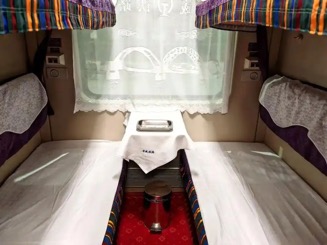
Qinghai-Tibet Railway Soft Sleeper
Soft Sleeper Booking Guide: Tips for International Travelers to Avoid Pitfalls
Qinghai-Tibet Railway Soft Sleeper tickets are in high demand during peak season. International travelers need to master “channels + timing + details” to avoid missing popular trains:
Booking Channels: 2 Main Options, Prioritize Travel Agencies
- Travel Agency Booking (Recommended):
◦ Advantages: No Mainland China phone number needed; handles Tibet Travel Permit application for free; prioritizes Soft Sleeper tickets for popular trains like Z164/Z21 during peak season (June-September); allows berth selection (lower/upper) and provides Chinese-English booking confirmations.
◦ Process: Provide passport + Chinese Tourist Visa scans 35 days in advance. After full payment, the agency collects physical tickets in advance—pick up directly at the station with your passport (no queuing).
- 12306 Official Website (For Those with Mainland China Phone Numbers Only):
◦ Registration Requirement: Requires verification with a Mainland China phone number; enter your name in all uppercase as it appears on your passport.
◦ Booking Tips: Tickets go on sale 30 days in advance at 8:00 AM. Grab tickets immediately after release—select “Soft Sleeper” and check “Prioritize Lower Berth”. Complete payment within 30 minutes, otherwise the order will be canceled.
Key Booking Reminders: Details Determine Success
- Booking Time: Soft Sleeper tickets go on sale 30 days in advance and sell out in 10 minutes during peak season (June-September, Spring Festival). Contact travel agencies 35 days in advance—success rate is 80% higher than booking by yourself.
- Train Selection: Prioritize “daytime scenic trains”—Z164 (Shanghai→Lhasa) and Z323 (Xining→Lhasa). The wide windows of Soft Sleeper compartments maximize the enjoyment of沿途 scenery. For those who want to sleep, choose “night trains”—Z21 (Beijing→Lhasa) departs in the afternoon for the Xining→Lhasa section and arrives the next morning, no wasted time.
- Refund & Change Rules: No fee for refunds more than 8 days before departure; 5% fee for 48-8 days before; 10% fee for less than 48 hours before; 20% fee for less than 24 hours before. Avoid changing plans after booking during peak season to prevent losses.
Soft Sleeper Scenery Viewing: Don’t Miss Any Highlight Views
The core charm of the Qinghai-Tibet Railway lies in its沿途 scenery. Soft Sleeper compartments offer a better viewing experience—master the timing and angles to avoid missing beautiful views:
Must-See Scenery Schedule (Taking Train Z164 as an Example)
- Qinghai Lake Section (7:00-9:00): Lower berth passengers can take photos of the sunrise directly through the window. The golden lake surface reflects the blue sky. Left-side seats (facing the direction of travel) have the best angle—arrive 10 minutes early to secure your spot.
- Qarhan Salt Lake Section (12:00-14:00): The lake surface is like a mirror reflecting clouds. Right-side windows are best for photography. Midday sunlight is strong—pull the thin curtain to reduce glare.
- Hoh Xil Section (9:00-11:00):Morning is the peak time for Tibetan antelopes to appear. Place your camera on the small table of the lower berth. The train will slow down—when you see animals, open the window gently (no impact on oxygen supply) to take photos, and do not make loud noises.
- Tanggula Pass Section (14:00-16:00): The highest point of the railway (5,231 meters). Snow-capped mountains stretch far away. Turn on the oxygen port at this time—enjoy the scenery while inhaling oxygen for more comfort.
- Cuona Lake Section (16:00-18:00): Only 10 meters from the railway tracks, the lake is deep blue and glows golden under the sunset. Lower berths are the best spot for photography—use your phone’s continuous shooting mode to capture light changes.

Qinghai Lake
Soft Sleeper Scenery Viewing Tips: Take Better Photos Than Others
- Window Preparation: Train windows have UV-protective coating. Wipe the glass with a dry cloth to avoid fingerprints; hold your phone/camera close to the glass to reduce glare.
- Timing Grasp: Announcements (in Chinese, English, and Tibetan) will remind you in advance when the train passes scenic sections. Prepare your camera early—don’t miss the short photography window.
- Avoid Disturbances: Keep the compartment door closed while viewing scenery to prevent wind from the aisle. Communicate with your compartment companions in advance to take turns viewing without disturbing each other.
Soft Sleeper Altitude Sickness Management: Pass the Plateau Section Safely
The independent oxygen supply of Qinghai-Tibet Railway Soft Sleeper greatly reduces the risk of altitude sickness, but preparation is still essential—focus on these 3 steps:
Pre-Trip Preparation (1 Week Before Entering Tibet)
- Medication Preparation: Take Rhodiola 1 week in advance ($11-$19 per box, available at pharmacies in Mainland transfer cities). 2 pills twice a day to enhance the body’s hypoxia resistance.
- Physical Adjustment: Avoid staying up late and drinking alcohol the day before arriving at the station; bring cold medicine (e.g., Banlangen) to prevent colds caused by temperature differences on the train.
On-Board Management (Inside the Soft Sleeper Compartment)
- Oxygen Usage: Starting from Golmud Station, even if you feel no discomfort, turn on the oxygen port 2-3 times a day (1 hour each time) to adapt to oxygen concentration changes in advance. If you have a headache or chest tightness, turn on the oxygen immediately and lie flat to rest for 30 minutes.
- Diet & Activity: Drink 1.5 liters of warm water daily (get water from the train’s water heater); avoid cold drinks and coffee. Do moderate activities in the compartment (e.g., standing, slow walking)—do not lie down for a long time to promote blood circulation.
- Symptom Handling: Take Gaoyuan’an ($7 per box) for mild headaches. For severe symptoms, contact the train attendant (emergency call button at the compartment door). Trains are equipped with first-aid kits for emergency medication.
Essential Medication List (Keep Near Your Soft Sleeper Pillow)
- Core Medications: Gaoyuan’an (relieves headaches), glucose oral liquid (boosts energy), ibuprofen (relieves pain and fever), motion sickness pills (take 30 minutes in advance if prone to motion sickness).
- Note: Bring English medication instructions (for customs inspection); liquid medications (e.g., glucose) with volume ≤100ml can be carried on board.
Soft Sleeper Dining & Daily Life: Enhance Comfort
Eating well and resting well in the Soft Sleeper compartment allows you to better enjoy the journey—these details can improve your daily experience:
Dining Options
- Dining Car: Located in Car 7 (Soft Sleeper compartments are usually in Cars 9-12), 5-8 minutes’ walk away. $8.5-$14 per person. Recommended dishes: Tibetan Yak Meat Rice Bowl ($10), Butter Tea ($2 per pot), Highland Barley Cake ($1 per piece). Enjoy scenery while eating.
- Mobile Food Cart: Passes through Soft Sleeper compartments at 10:00 AM, 3:00 PM, and 8:00 PM daily. Sells boxed meals ($2.8-$4.3, 2 meats + 1 vegetable), instant noodles ($2.1), and mineral water ($0.4)—buy without moving.
- Bring Your Own Food: Recommend energy bars, chocolate, apples (long-lasting), and vacuum-packed chicken (for protein). Avoid strong-smelling food (e.g., instant noodles) to keep the compartment environment pleasant.
Daily Life Tips: Details Determine Comfort
- Items to Bring: Slippers (wearable in the compartment for more comfort), earplugs + eye mask (block noise and light), disposable mattress (improve hygiene), small towel (wipe face with water from the train’s heater).
- Restroom Usage: Restrooms (with seated and squat toilets) are at both ends of the Soft Sleeper carriage. Queues are needed during peak hours (7:00-9:00 AM, 8:00-10:00 PM)—use during off-peak times. Restrooms have hand soap and paper towels—remember to flush after use.
- Temperature Adjustment: Compartment temperature is constant at 20-22℃. If hot, open the compartment vent (on the ceiling); if cold, ask the attendant for an extra blanket (free of charge).
Pre-Trip Packing List: Customized for Soft Sleeper
Pack focusing on Soft Sleeper comfort and plateau adaptation—avoid unnecessary items for a light journey:
- Clothing: Thin windbreaker (easy to put on/take off in the compartment), comfortable pajamas (long-sleeve recommended), non-disposable anti-slip slippers, 2-3 pairs of socks (for easy replacement).
- Items: Power bank (≤10,000 mAh for on-the-go charging), camera + spare battery (essential for scenery photography), earplugs + eye mask (sleep essentials), small backpack (for personal items when going to the dining car).
- Documents & Cash: Original passport, Chinese Tourist Visa, 2 printed copies of Tibet Travel Permit (may be checked in the Soft Sleeper compartment), $115-$145 in RMB cash (only cash accepted in the dining car and by mobile carts).
- Medications & Hygiene: Altitude sickness medications (Rhodiola, Gaoyuan’an), band-aids, disinfecting wipes, disposable gloves (for touching carriage handrails).
Frequently Asked Questions: Common Soft Sleeper Queries for International Travelers
Q1: Can I take a shower in the Qinghai-Tibet Railway Soft Sleeper compartment?
A1: No! None of the Qinghai-Tibet Railway trains (including Soft Sleeper) have shower facilities. Bring wet wipes to wipe your body for basic hygiene. You can shower at the hotel after arriving in Lhasa—suggest waiting 24 hours to acclimatize to altitude first.
Q2: Can I book a Soft Sleeper ticket without a Mainland China phone number?
A2: Yes! Book through a travel agency—only need to provide passport + visa scans. Travel agencies have priority channels to secure tickets, with a much higher success rate than booking via 12306 by yourself.
Q3: Can children use the oxygen port in the Soft Sleeper compartment?
A3: Yes! Set the oxygen flow to low (blue mark) and use it under adult supervision. Children have milder altitude sickness reactions than adults—with gradual altitude increase, long-term oxygen use is usually not needed.
Q4: Can I choose berths in the same compartment for Soft Sleeper tickets?
A4: Yes! When booking through a travel agency, mention “need berths in the same compartment” in advance—they will prioritize arrangement. When booking via 12306, check “continuous berths” and the system will automatically assign berths in the same compartment.
Q5: Is there WiFi in the Soft Sleeper compartment?
A5: No! Mobile signal is weak along the Qinghai-Tibet Railway—there is no signal in most sections, let alone WiFi. Recommend downloading movies and music in advance, or bringing books to pass the time.
Why Choose China Dragon Travel for Your Qinghai-Tibet Railway Soft Sleeper Journey?
International travelers choosing Qinghai-Tibet Railway Soft Sleeper are most worried about not getting tickets, not choosing good berths, and not knowing how to use oxygen facilities. China Dragon Travel addresses these pain points with exclusive services: ① Books Soft Sleeper tickets for popular trains, prioritizing lower berths for Z164/Z21 during peak season, and handles Tibet Travel Permit application for free (no extra paperwork); ② Arranges 2-4 person small groups in the same Soft Sleeper compartment, with Chinese-English guides who explain oxygen use and scenery timing in detail before boarding; ③ Provides exclusive pre-trip guidance for Soft Sleeper (including packing lists and medication recommendations), and arranges station transfers—no need to worry about anything.
In 2026, travel to Tibet via Qinghai-Tibet Railway Soft Sleeper—turn your “journey” into “enjoyment”. Inside the 4-person compartment, sip butter tea, watch Tibetan antelopes leap across the Hoh Xil grassland, and sleep peacefully with the help of independent oxygen. When you arrive in Lhasa, you’ll find this Soft Sleeper journey is already a precious part of your Tibet memories. To book Soft Sleeper tickets for popular trains, confirm Tibet Travel Permit details, or customize a combined Soft Sleeper + Lhasa itinerary, contact China Dragon Travel—our professional team will help you create a comfortable and smooth “Sky Road” journey.