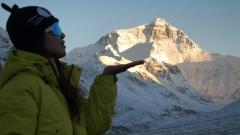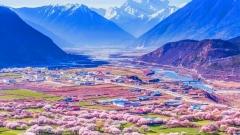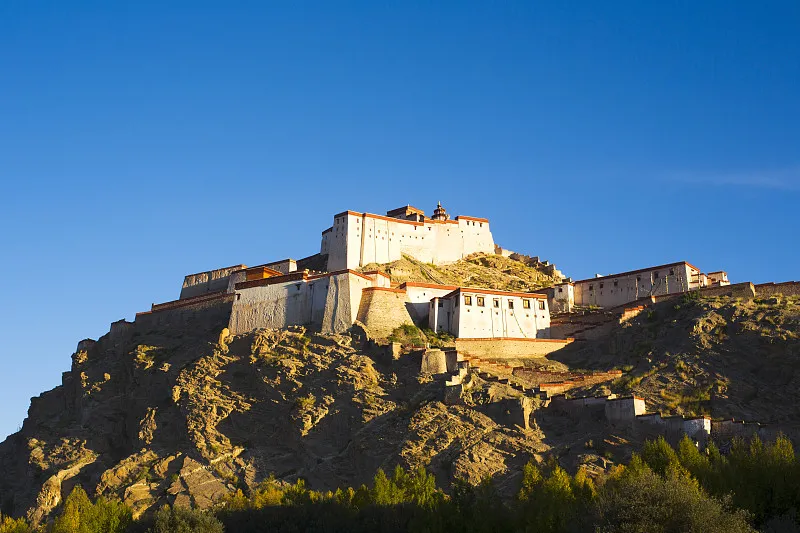

If there is one alpine lake that truly captures the beauty of the legendary G318 Sichuan-Tibet Highway, Ranwu Lake deserves to be at the top of the list.
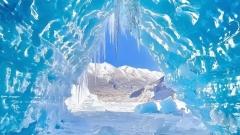
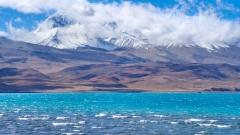
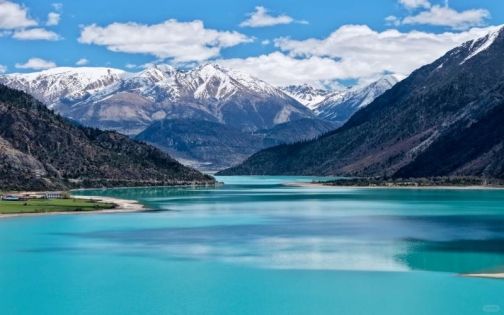
Often referred to as the “Fairy Lake of Eastern Tibet,” Ranwu Lake offers a completely different experience from Yamdrok Lake or Namtso. Its greatest charm lies in its ever-changing scenery. Depending on the season, weather, and sunlight, the lake transforms from crystal-clear turquoise to deep sapphire blue. On calm mornings, the surrounding snow-capped mountains reflect perfectly on the water’s surface, while winter occasionally brings frozen blue ice landscapes that feel almost surreal.
Many first-time visitors don’t realize that Ranwu Lake is actually divided into Upper Ranwu Lake, Middle Ranwu Lake, and Lower Ranwu Lake, each with its own unique scenery and travel experience. Simply stopping at one viewpoint along the highway means missing much of what makes this destination so special.
This complete guide covers everything you need to know before visiting Ranwu Lake, including the best seasons, differences between the three lake sections, transportation, photography locations, accommodation recommendations, driving tips, and practical travel advice.
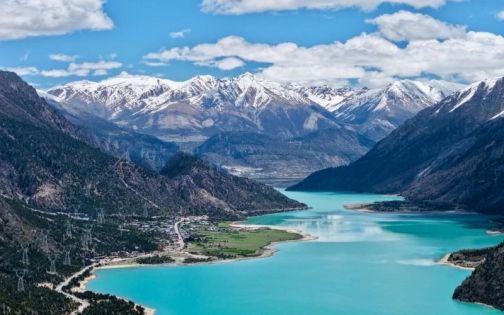
Ranwu Lake
Where Is Ranwu Lake?
Ranwu Lake is located in Ranwu Town, Basu County, Chamdo Prefecture, Eastern Tibet, at an elevation of approximately 3,850–3,900 meters (12,630–12,800 feet).
It is the largest alpine barrier lake in eastern Tibet and serves as one of the important headwaters of the Parlung Tsangpo River.
Fed primarily by meltwater from Laigu Glacier and the glaciers of the Gangrigabu Mountain Range, the lake changes color dramatically throughout the year.
The famous G318 Sichuan-Tibet Highway runs alongside the lake, making it one of the most accessible and popular scenic stops for self-driving travelers.
The Three Sections of Ranwu Lake
Although many travelers simply refer to “Ranwu Lake,” it actually consists of Upper Ranwu Lake, Middle Ranwu Lake, and Lower Ranwu Lake.
Each section offers a distinctly different landscape.
Upper Ranwu Lake
Upper Ranwu Lake is the best choice for photographers and travelers with extra time.
Located closest to Laigu Glacier, its water is fed directly by glacial melt, giving it an incredibly clear, milky-blue appearance, especially during winter and early spring.
On calm mornings, the snow-capped mountains create perfect reflections across the glass-like lake surface, making this one of the most photogenic places in eastern Tibet.
Compared with other sections, Upper Ranwu Lake is quieter and feels much more untouched.
Best for:
- Landscape photographers
- Travelers staying overnight
- Visitors heading to Laigu Glacier
- Road-trip enthusiasts exploring Tibet in depth
Getting There
From Ranwu Town, drive about 10–15 km along G559 toward Chayu County. Search for “Ranwu Lake Free Viewing Platform” and continue toward Kangsha Village.
Middle Ranwu Lake
Middle Ranwu Lake is widely regarded as the most beautiful section of the entire lake.
It features the widest water surface, spectacular reflections of the Gangrigabu Snow Mountains, and several excellent viewpoints along G559.
Many photographers consider this the most balanced combination of mountain scenery, lake reflections, and accessibility.
If you only have half a day, this is the section you shouldn’t miss.
Lower Ranwu Lake
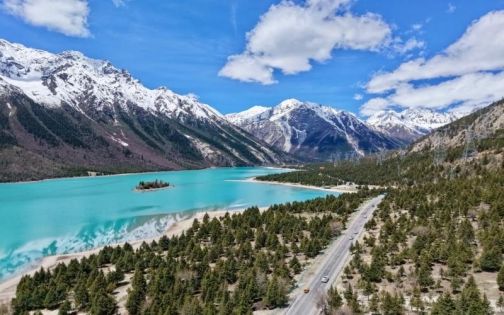
Lower Ranwu Lake sits directly beside the G318 Highway and is the easiest section to visit.
Multiple free viewing platforms and convenient parking areas make it perfect for travelers passing through without spending the night.
Here you’ll find wide-open lake views, wetlands, traditional Tibetan villages, colorful forests, and distant snow mountains.
During winter, lower water levels occasionally expose small peninsulas that visitors can walk onto for unique photographs.
Best for:
- Travelers with limited time
- Quick sightseeing stops
- Families
- Visitors simply passing along G318
Best Time to Visit Ranwu Lake
February to May
This is generally considered the best season.
February still offers partially frozen lakes, while March and April provide outstanding snow mountain reflections.
Late April and May often showcase the lake’s famous Tiffany-blue water.
This period also coincides with the famous Nyingchi Peach Blossom Festival.
Autumn (October to November)
Autumn offers crisp air, colorful forests, stable weather, and excellent visibility.
It is one of the best seasons for photography.
Winter (December to February)
Winter brings crystal-clear water and occasional frozen sections of the lake.
Combined with snow-covered mountains, the scenery becomes truly magical.
This is also the best season for photographing blue ice.
Rainy Season (July to September)
Summer is less ideal.
Heavy rainfall and increased glacier melt often make the lake appear muddy, reducing its famous turquoise color.
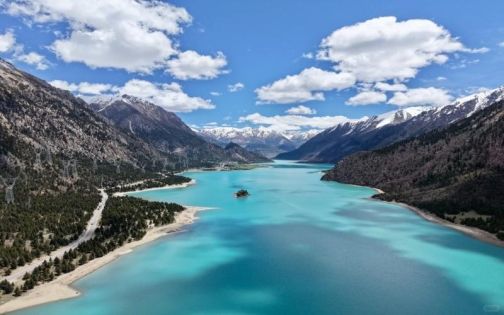
Ranwu Lake
Recommended Itineraries
Half-Day Classic Route
Lower Ranwu Lake → Middle Ranwu Lake Viewing Platform → Lunch in Ranwu Town → Upper Ranwu Lake
This route is ideal for first-time visitors.
One-Day Photography Route
Stay overnight in Ranwu Town.
Photograph sunrise reflections at Upper Ranwu Lake.
Visit Middle Ranwu Lake in the morning.
Continue to Laigu Glacier in the afternoon.
Return to Lower Ranwu Lake for sunset and alpenglow on the surrounding mountains.
This itinerary covers nearly all of Ranwu Lake’s highlights.
Classic G318 Self-Drive Route
Nyingchi → Bomi → Ranwu Lake → Laigu Glacier → Basu
This is one of the most popular road trip routes in Tibet.
Hidden Photography Locations
Besides the well-known viewpoints, Ranwu Lake also has many lesser-known photo spots.
82 Maintenance Station
Search for “Ranwu Town 82 Maintenance Station.”
Nearby you’ll find beautiful sandy lakeshores where snow mountains and the lake create stunning compositions.
Xingkong Xizhong Bridge
This location offers beautiful views of the Parlung Tsangpo River, Langqiu Glacier, and the surrounding valley.
Always stay within safe viewing areas.
Daxing Village
A traditional Tibetan village surrounded by barley fields and snow-capped mountains.
Sunset here creates a warm, peaceful atmosphere rarely seen at the main viewpoints.
Upper Ranwu S-Curve Road
Located on the road toward Laigu Glacier.
Perfect for road trip photography, portraits, and drone shots.
Rocky Lakeshore
The rocky shoreline of Lower Ranwu Lake provides excellent foreground elements for landscape photography.
Combining rocks, reflections, and mountains creates much stronger compositions.
Photography Tips
The best time to photograph reflections is between 9:00 AM and 11:00 AM, when the lake is usually calm.
Sunset is ideal for capturing soft blue-hour light and alpenglow on the snow-covered mountains.
Wear bright colors such as white, red, orange, or muted earth tones to contrast beautifully with the lake.
Avoid dark blue or black clothing, which tends to blend into the scenery.
If you bring a drone, you’ll capture breathtaking aerial views of the lake’s winding shoreline and surrounding mountains. Always follow local drone regulations.
Where to Stay
If you hope to photograph sunrise or the night sky, staying one night in Ranwu Town is highly recommended.
Choose accommodation that offers:
- Lake-view rooms
- Heating or underfloor heating
- Convenient access to the lakeshore
If you’re concerned about altitude sickness, consider continuing to Bomi, which sits at approximately 2,750 meters (9,020 feet)—about 1,000 meters lower than Ranwu Town.
Ranwu Lake
Self-Driving Tips
The stretch between Ranwu Lake and Bomi is one of the most beautiful sections of the G318 Highway.
However, it also contains numerous speed cameras.
Some sections have speed limits as low as 30 km/h (19 mph), so always pay attention to road signs and avoid speeding.
During winter, check road conditions before departure, as icy roads may require snow chains.
High-Altitude Travel Tips
Ranwu Lake sits at nearly 3,900 meters (12,800 feet) above sea level.
Some visitors may experience mild altitude sickness.
Take it easy on your first day, avoid strenuous exercise, alcohol, and hot showers if you’re not acclimatized.
Bringing glucose supplements, portable oxygen, and warm clothing is recommended.
The ultraviolet radiation is also very strong, even during winter, so don’t forget sunscreen and sunglasses.
How Long Should You Stay?
If you’re simply driving along the G318 Highway, allow at least 2–3 hours for sightseeing.
If you want to photograph sunrise, stars, mountain reflections, and visit nearby Laigu Glacier, spending one night in Ranwu Town is the ideal choice.
Is Ranwu Lake Worth Visiting?
Absolutely.
While many travelers admire the turquoise waters of Yamdrok Lake or the vast beauty of Namtso, Ranwu Lake offers something unique—a breathtaking combination of glaciers, snow-capped mountains, forests, Tibetan villages, and one of China’s most scenic highways.
The journey from Nyingchi to Bomi and onward to Ranwu Lake is often regarded as the most spectacular 400-kilometer stretch of the entire G318 Highway. Every season offers a different experience: peach blossoms in spring, lush forests in summer, colorful foliage in autumn, and blue ice in winter.
If your Tibet itinerary includes the G318 Sichuan-Tibet Highway, don’t just stop for a quick photo. Spend a night beside the lake, wake before sunrise, and watch the snow-covered peaks reflected perfectly on the still water.
Only then will you truly understand why Ranwu Lake is known as one of the most beautiful alpine lakes in Tibet.
Ranwu Lake