
Shanghai is one of the best cities in China for walking. Beyond the skyscrapers and famous skyline, the city is full of old lanes, tree-lined streets, local food shops, hidden cafes, and neighborhoods that feel completely different from one another.
Many travelers come to Shanghai expecting only modern buildings and shopping malls. But after spending time walking through the city, they often realize the most memorable part of Shanghai is not the skyline itself — it is the contrast between old and new found in everyday streets.
A good Shanghai city walk is less about rushing between attractions and more about exploring at a slower pace. Some neighborhoods feel historic and quiet, while others are creative, crowded, stylish, or deeply local.
Former French Concession: Shanghai’s Most Walkable Area
For many visitors, the Former French Concession is the best place to start.
This area is known for:
- Tree-lined streets
- European-style buildings
- Small cafes and bakeries
- Boutique shops
- Quiet residential lanes
Compared with the busy commercial districts, the atmosphere here feels much calmer.
Walking through streets like Wukang Road or Anfu Road gives travelers a different impression of Shanghai — one that feels more relaxed and residential.
Many people spend hours here without following a strict itinerary.
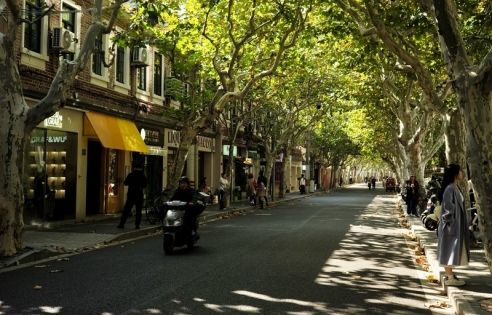
Wukang Road: Old Shanghai Meets Modern Cafe Culture
Wukang Road has become one of Shanghai’s most famous walking streets in recent years.
The road itself is not very long, but the area combines:
- Historic architecture
- Small independent shops
- Coffee culture
- Street photography spots
The famous Wukang Mansion sits at the center of the neighborhood and attracts both tourists and local photographers.
Early mornings and weekdays are usually less crowded.
Tianzifang: Touristy but Still Interesting
Tianzifang is more commercial than it used to be, but many first-time visitors still enjoy walking through its narrow lanes.
Inside the area, travelers will find:
- Small art shops
- Local snacks
- Souvenir stores
- Cafes hidden inside old alleyways
It can become crowded during weekends, but the maze-like streets still show part of old Shanghai’s lane-house atmosphere.
For travelers who enjoy browsing and casual walking, Tianzifang remains worth visiting once.
Jing’an: A Mix of Old Streets and Modern Shanghai
Jing’an is one of the areas where Shanghai’s contrast feels strongest.
In the same neighborhood, you may see:
- Luxury shopping malls
- Traditional food shops
- Old residential lanes
- Glass office towers
Jing’an Temple itself is one of the city’s most recognizable landmarks, especially at night.
The surrounding streets are also good for casual city walks because they combine modern urban life with older local neighborhoods.
Suzhou Creek: A Different Side of Shanghai
Compared with the Bund, Suzhou Creek feels quieter and less crowded.
In recent years, the riverside walking paths have become increasingly popular with locals.
The area includes:
- Converted warehouse buildings
- Small galleries
- Riverside cafes
- Industrial-era architecture
Walking along Suzhou Creek gives travelers a more everyday and contemporary view of Shanghai.
Sunset is usually one of the best times to visit.
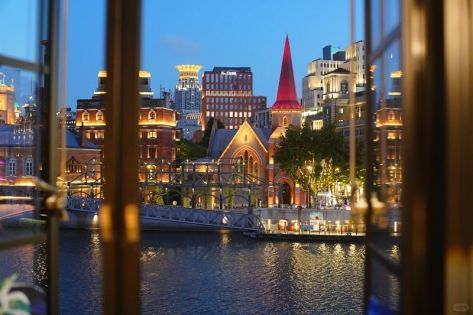
Xintiandi: Clean, Stylish, and Convenient
Xintiandi is one of Shanghai’s most polished walking areas.
The district combines restored shikumen-style buildings with:
- Restaurants
- Outdoor cafes
- Shopping streets
- Modern nightlife
Some travelers find it too commercial, while others enjoy the clean and comfortable environment.
It is especially popular for evening walks and dining.
The Bund Is Best Seen on Foot
Even though the Bund is one of Shanghai’s most famous attractions, many people experience it too quickly.
Walking slowly along the waterfront allows visitors to notice:
- Historic colonial architecture
- Ferry traffic on the Huangpu River
- Street musicians
- Different skyline views
The atmosphere changes dramatically between daytime and nighttime.
At night, the skyline across the river becomes the main attraction.
Local Streets Near Yuyuan Are Often More Interesting Than the Main Tourist Area
Yuyuan Garden and the nearby bazaar are famous, but the surrounding side streets can sometimes feel more authentic than the main tourist zone itself.
A short walk away from the busiest areas, travelers may discover:
- Traditional snack shops
- Small temples
- Local markets
- Older residential streets
This part of Shanghai still preserves traces of the city before modern skyscrapers transformed the skyline.
Why City Walking Works So Well in Shanghai
Shanghai is large, but many interesting neighborhoods are surprisingly walkable.
Unlike cities designed entirely around cars, Shanghai still has:
- Dense street life
- Small neighborhood stores
- Public parks
- Walkable side streets
This makes the city especially rewarding for travelers who enjoy exploring without strict plans.
Sometimes the most interesting discoveries happen between major attractions rather than at the attractions themselves.
Best Time for a Shanghai City Walk
Spring and autumn are usually the most comfortable seasons.
During:
- March to May
- September to November
the temperatures are better for long walks.
Summer can become very hot and humid, especially during the afternoon.
For photography and atmosphere, early morning and evening are often the best times to explore.
Tips for Exploring Shanghai on Foot
Wear Comfortable Shoes
Distances between neighborhoods can become longer than expected.
Use the Metro Between Areas
Shanghai’s metro system makes it easy to combine different walking districts in one day.
Avoid Weekend Afternoons
Popular streets like Wukang Road can become extremely crowded.
Leave Time for Unplanned Stops
Some of Shanghai’s best cafes, bookstores, and food shops are hidden inside small side streets.
Shanghai Is Best Understood Slowly
Many cities impress people immediately. Shanghai works differently.
The city often becomes more interesting after spending time walking through its neighborhoods, noticing the contrasts between old apartments and new skyscrapers, local breakfast shops and luxury malls, quiet lanes and busy commercial streets.
For travelers willing to slow down, Shanghai reveals far more than its skyline.