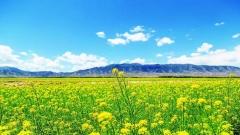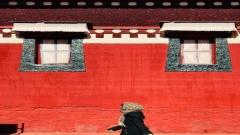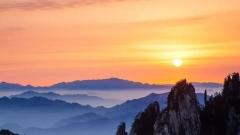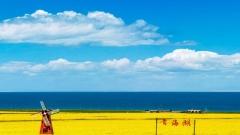

June is the transition between spring and summer in China. Temperatures are moderate in most parts of the country. Northern China has not yet entered the intense heat of midsummer, while the rainy season has just begun in the south. High altitude areas welcome the most comfortable time of the year. Traveling in June offers several advantages: you avoid the summer peak season of July and August, scenic areas are less crowded, temperatures are pleasant, comfort levels are high, and most destinations are near their best viewing periods. This guide selects six best travel destinations for June, including Yamdrok Lake, Zhangye, Shangri-La, Dunhuang, covering plateaus, grasslands, Danxia landforms, and lakes, helping you find a suitable destination.
China’s Climate in June
Overall Climate
Temperature differences between northern and southern China are significant in June. Southern and eastern China have average temperatures of 24°C to 30°C, with frequent rainfall and high humidity. Northern China has average temperatures of 20°C to 28°C, with moderate rainfall and comfortable conditions. The Yunnan Guizhou Plateau in the southwest has average temperatures of 16°C to 24°C, cool and pleasant. Northwestern areas such as Xinjiang and Gansu are warm during the day and cool at night, with large temperature differences. The Qinghai Tibet Plateau has average temperatures of 5°C to 18°C, with extremely strong UV radiation.
Precipitation
June is the core month of the rainy season in southern China. The middle and lower Yangtze River region enters the plum rain period, with continuous overcast and rainy conditions lasting for extended periods. Southern China mostly experiences afternoon thunderstorms with significant rainfall. Northern and northeastern China receive significantly less rainfall than the south, with mostly sunny or partly cloudy weather. The rainy season begins in the southwest, with mostly nighttime rain or intermittent showers. Northwestern China has little rainfall, with mostly sunny and dry weather. The Qinghai Tibet Plateau has light rainfall, mostly showers or sleet.
Temperature
June brings abundant sunshine across China. UV intensity is extremely high on the Qinghai Tibet Plateau. Southern and eastern China have more cloud cover with moderate UV levels. Northwestern China has many sunny days and the longest daylight hours. Southeastern coastal areas may occasionally experience typhoon effects in June, so monitor weather forecasts. Northern China may experience strong convective weather in the afternoon. Southwestern mountainous areas often have fog and clouds after rain, which may reduce visibility.
The Holy Plateau Lake of Yamdrok Lake in Tibet
Weather
Yamdrok Lake is located in Shannan City, Tibet Autonomous Region, at an elevation of 4,441 meters above the lake surface. June average temperatures range from 5°C to 18°C, with extreme temperature differences between day and night. Daytime temperatures can reach 18°C under sunshine, while nighttime temperatures drop to 0°C to 5°C. June has little rainfall, mostly sunny weather. UV radiation is extremely strong, so thorough sun protection is essential. Winds are strong, so you will need a windproof jacket.
Top Sights
Yamdrok Lake is one of the three holy lakes of Tibet, with the name meaning “Swan Lake” in Tibetan. Entrance fee is 60 RMB. The Yamdrok Lake viewing platform is at an elevation of 4,790 meters, offering a panoramic view of the lake surface, which displays varying shades of blue and green. The lake ring road is about 100 km long, with multiple viewing points along the way offering different perspectives of the lake. The lakeside meadows are lush green in June, with yaks and sheep scattered across them. Rituo Temple is located on a small island in the lake, a temple with over 600 years of history. Nojin Kangtsang Peak stands at 7,206 meters on the southern side of Yamdrok Lake, with the snow capped mountain reflected in the lake water creating a classic scene.
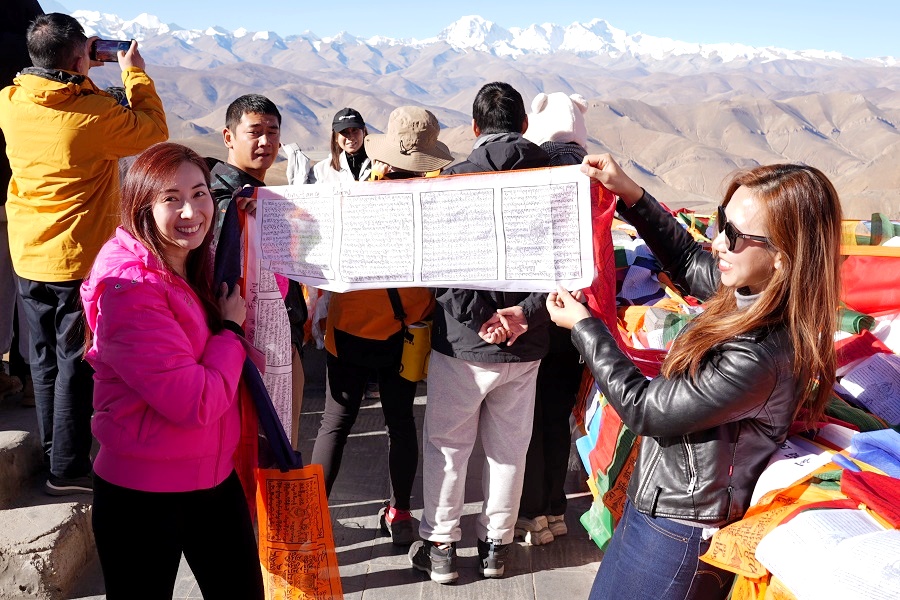
Tourist Photos of Yamdrok Lake
The Colorful Danxia of Zhangye in Gansu
Weather
Zhangye is located in the middle of the Hexi Corridor in Gansu Province at an elevation of about 1,500 meters. June average temperatures range from 16°C to 28°C, with warm and comfortable days and cool nights, and significant temperature differences between day and night. June has little rainfall, mostly sunny and dry weather. UV radiation is relatively strong, so sun protection is needed. Wind speeds are low, and conditions feel comfortable.
Top Sights
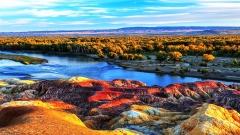
Zhangye Colorful Danxia Scenic Area is one of China’s most beautiful Danxia landforms. Entrance fee is 74 RMB (including sightseeing bus). The scenic area has four viewing platforms. Platform Two offers the widest view, overlooking vast stretches of colorful hills. Platform Four is the best location for viewing sunset, when the Danxia colors are most vibrant under the evening light. Colorful Screen is a landmark feature of the scenic area, with colorful rock layers spreading out like a folding screen. The Sea of Fire landscape is dominated by red tones, resembling burning flames when viewed from a distance. Sunset in June occurs around 7:30 pm. It is recommended that you enter the scenic area after 4:00 pm to avoid the midday heat. Binggou Danxia and Matisi Grottoes are located near the scenic area and can be visited together.
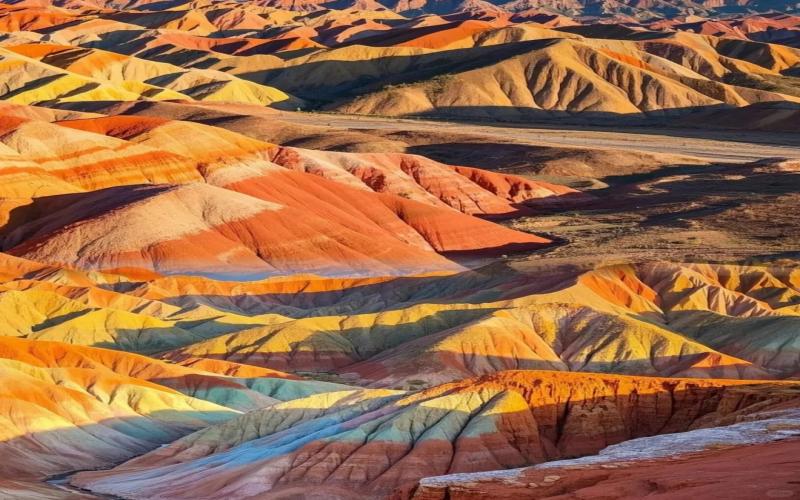
Zhangye Danxia
The Hidden Paradise of Shangri-La in Yunnan
Weather
Shangri-La is located in northwestern Yunnan Province at an elevation of 3,300 meters. June average temperatures range from 10°C to 20°C, making it the most comfortable season of the year. Days are sunny with moderate temperatures, while you will need a light jacket at night. June has little rainfall, mostly sunny or partly cloudy weather. UV radiation is extremely strong, so sun protection is essential.
Top Sights
Pudacuo National Park is the core scenic area of Shangri-La. Entrance fee is 138 RMB (including sightseeing bus). The park features two main lakes, Shudu Lake and Bita Lake, with a boardwalk about 7 km long suitable for hiking. In June, rhododendrons are in full bloom, and the lakeside meadows are lush green. Songzanlin Monastery is the largest Tibetan Buddhist monastery in Yunnan Province. Entrance fee is 90 RMB. The monastery is built on a hillside and resembles the Potala Palace in appearance. Dukezong Ancient Town is one of the best preserved traditional Tibetan ancient towns in China, with free entry. At the center of the town, Guishan Park features the world’s largest prayer wheel. Napahai Lake is a seasonal high altitude lake. In June, water levels are moderate, and the surrounding meadows are open. You can take a horseback ride around the lake (about 100 to 200 RMB).
The Wonders of Desert in Dunuhang
Weather
Dunhuang is located in northwestern Gansu Province, an important node city on the Silk Road. June average temperatures range from 18°C to 32°C, with warm and hot days and cool nights, and significant temperature differences between day and night. June has extremely little rainfall, mostly sunny and dry weather. UV radiation is extremely strong, so sun protection is essential. Wind speeds are low, and conditions feel comfortable.
Top Sights
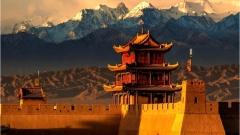
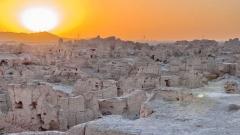
The Mogao Caves are the most famous attraction in Dunhuang, known as the “Treasure House of Eastern Art.” Entrance fee is 238 RMB. You need to book in advance through the official WeChat account, and it is recommended that you book two weeks ahead during peak season. The ticket includes access to 8 caves and two introductory films. Mingsha Mountain and Crescent Lake have an entrance fee of 110 RMB. You can ride a camel (100 RMB) or try sand sliding (40 RMB). It is recommended that you enter after 5:00 pm to avoid the heat. Crescent Lake is a spring in the desert shaped like a crescent moon, with a history of over a thousand years. Yumen Pass was an important pass on the Silk Road, with an entrance fee of 40 RMB. Yangguan Pass is another ancient pass, with an entrance fee of 50 RMB. Yardang Geopark is located about 180 km west of Dunhuang, where wind eroded landscapes are most spectacular at sunset. Entrance fee is 120 RMB (including sightseeing bus).
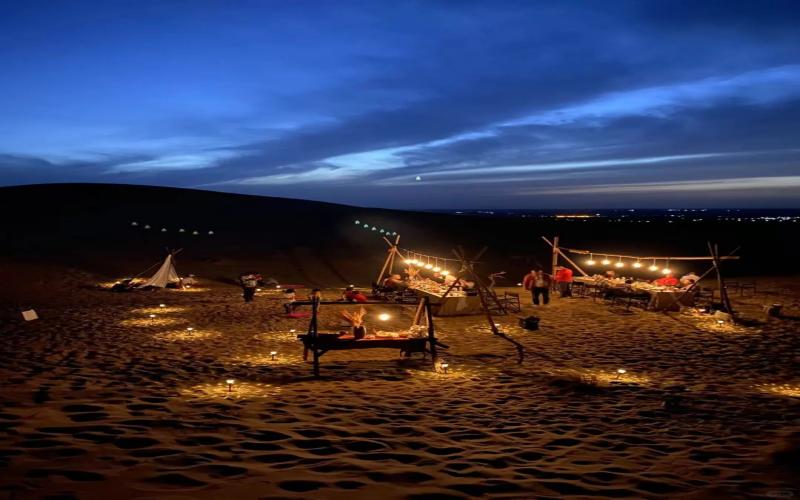
Dunhuang Desert Camping
The Volcanic Crater Lakes of Arxan
Weather
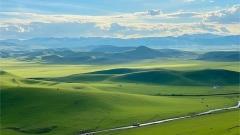
Arxan is located in Hinggan League, Inner Mongolia Autonomous Region, at elevations ranging from 1,000 to 1,500 meters. June average temperatures range from 8°C to 22°C, with significant temperature differences between day and night. Days are warm and comfortable, with nighttime temperatures dropping to around 10°C. June has little rainfall, mostly sunny weather. UV radiation is relatively strong. In June, forests and grasslands enter their best viewing period, and wildflowers begin to bloom.
Top Sights
Arxan National Forest Park is China’s largest volcanic landscape scenic area. Entrance fee is 180 RMB (including sightseeing bus). Tianchi is a lake formed by water accumulating in a volcanic crater at an elevation of 1,323 meters, with clear and tranquil water. Tuofengling Tianchi is shaped like a camel and is the most spectacular volcanic crater lake in the park. Dujuan Lake is named for the rhododendrons that bloom along its shores in spring, with lush green shores in June. San Tan Gorge is the source of the Halaha River, with three deep pools in the canyon and crystal clear stream water. Shitanglin is a volcanic lava landscape covered with moss and lichen. Arxan Railway Station is one of China’s most beautiful small railway stations, built in 1937.
The Mirror of the Sky of Chaka Salt Lake
Weather
Chaka Salt Lake is located in Wulan County, Haixi Mongol and Tibetan Autonomous Prefecture, Qinghai Province, at an elevation of 3,059 meters above the lake surface. June average temperatures range from 5°C to 20°C, with extreme temperature differences between day and night. Daytime temperatures can reach 20°C under sunshine, while nighttime temperatures drop to 0°C to 5°C. June has little rainfall, mostly sunny weather. UV radiation is extremely strong, so sun protection is essential. Winds are strong, and reflections can only be seen when the lake surface is calm.
Top Sights
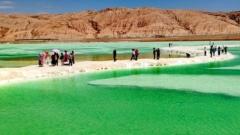
Chaka Salt Lake is known as the “Mirror of the Sky” and is one of China’s most beautiful salt lakes. Entrance fee is 60 RMB, with a small train ticket costing 50 RMB (one way). The lake surface is like a mirror, reflecting the blue sky, white clouds, and people’s figures. The best time for photography is before 9:00 am or after 5:00 pm on sunny days. The Salt Sculpture Art Garden features large salt sculptures, including a statue of Genghis Khan and a statue of Guanyin. Large windmill arrays around the salt lake serve as background elements for photos. Visitors can walk barefoot into the salt lake, but the salt crust is hard. It is recommended that you wear shoe covers provided by the scenic area or bring your own waterproof shoes. In June, the water is shallow, providing the best reflection effects. The Salt Lake Museum by the lake introduces the formation history and mining techniques of the salt lake.
Tips for Visiting China in June
Sun Protection and Hydration
UV radiation is extremely strong on the Qinghai Tibet Plateau and in northwestern China in June. Sunscreen, sunglasses, and wide brimmed hats are essential. The climate in northwestern China is dry, so it is recommended that you carry drinking water with you and consume more than 2 liters per day. Lip balm and moisturizing lotion can prevent dry skin and cracking.
Temperature Difference Protection
Tibet, Gansu, Inner Mongolia, and Qinghai have significant temperature differences between day and night in June, with nighttime temperatures dropping below 5°C. It is recommended that you dress in layers, carry a fleece jacket or light down jacket, and add layers as needed in the mornings and evenings.
Ticket Reservation
The Mogao Grottoes in Dunhuang are the most difficult attraction to book in June. Peak season tickets often sell out within hours of becoming available. It is recommended that you book two weeks in advance through the “Mogao Grottoes Reservation” WeChat official account. Arxan National Forest Park and Colorful Danxia have more visitors on weekends, so you are recommended to reserve tickets online in advance.
Rainy Season Protection
In June, Yamdrok Lake in Tibet may occasionally have afternoon showers. It is recommended that you carry a folding umbrella or light rain jacket with you. While the cloudy and foggy scenery after rain is beautiful, visibility may suddenly drop, so pay attention to safety when traveling in mountainous areas.
June Travel Is Easier When You Choose the Right Landscape
June works best when you stop chasing “hot spots” and start choosing the kind of scenery you actually want to see. Tibet is ideal for alpine lakes and wide-open highland views. Zhangye and Dunhuang stand out if you like strong contrasts, desert light, and dramatic landforms. Chaka Salt Lake is a great pick for travelers who want that quiet, mirror-like feeling. In June, many destinations are in a sweet spot before the summer crowds arrive, which makes the trip feel calmer and more rewarding.
If your route includes Tibet or other high-altitude areas, the details matter more than usual. Transport links, overnight stops, and the order of your itinerary can make the difference between a smooth journey and a tiring one. That is why some travelers prefer to work with an experienced local operator such as China Dragon Travel, especially when they want the logistics handled cleanly and the trip kept simple.