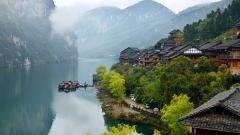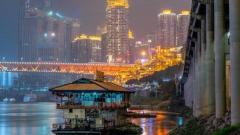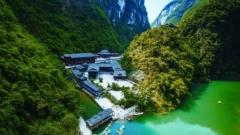

September is the transition between summer and autumn. High temperatures subside in most parts of the country. Northern areas have cooler mornings and evenings, while humidity and heat in the south are lower than in July and August. Traveling in September offers a marked improvement in comfort. You also avoid the peak summer travel season, with fewer crowds at scenic areas and a more relaxed overall experience. Given the climate changes in September, choosing the right destinations is essential. This guide details best summer destinations in China and weather in September, including climate patterns, Kanas, Zhangjiajie, Daocheng Yading, and Guilin, helping you enjoy China’s autumn and create unforgettable memories.
The Climate Overview of September in China
Overall Climate
In September, sunlight is abundant across China, though UV intensity is significantly lower than in summer. UV levels remain strong on plateaus and at high altitudes, so protection is still needed. Autumn winds gradually strengthen in northern areas, with average wind speeds of 3 to 4 on the Beaufort scale. Southern coastal areas may occasionally experience typhoon effects, so monitor weather forecasts. Southwestern mountainous areas often have fog and clouds after rain, which may reduce visibility. After mid September, some northern areas, particularly the North China Plain, may experience haze.
Precipitation
In September, the rain belt shifts further south, and the rainy season gradually ends in northern China. Northern and northeastern China see a significant decrease in rainfall, with more clear and crisp autumn days. The middle and lower Yangtze River region still receives some light rain, but intensity and frequency are much lower than in summer. The rainy season in the southwest is near its end, with mostly light or intermittent rain. Southern China may still experience typhoon activity in September, though frequency and intensity are lower than in August. Northwestern China has little rainfall, with mostly clear and dry weather.
Temperature
Temperature differences between northern and southern China are significant in September, with northern areas cooling faster than southern areas. Southern and eastern China have average temperatures of 24°C to 32°C. Hot weather has largely ended, though some days still see temperatures above 30°C. Northern China has average temperatures of 16°C to 26°C, requiring a light jacket in the mornings and evenings. The Yunnan Guizhou Plateau in the southwest has average temperatures of 15°C to 23°C, cool and comfortable. Northwestern areas such as Xinjiang and Gansu are warm during the day and cool at night, with daily temperature differences of 12°C to 18°C. Northeastern China has average temperatures of 10°C to 20°C, with some areas experiencing the first frost after mid September. Overall, September in China presents a pattern of “cool north, warm south” with widening daily temperature differences.
The Autumn Scenery of Kanas
Weather
Kanas is located in the Altay Prefecture of the Xinjiang Uygur Autonomous Region, at an elevation of 1,300 to 3,000 meters. The average September temperature ranges from 5°C to 18°C, with extreme temperature differences between day and night. Daytime temperatures can reach 18°C under bright sunshine, while nighttime temperatures can drop to 0°C to 5°C. Late September is the best time to view Kanas autumn scenery. The larch and birch leaves turn golden yellow, creating a strong contrast with the emerald green lake water. September has little rainfall, mostly sunny weather, and strong UV radiation.
Top Sights
Kanas Lake is the core of the scenic area. The lake is shaped like a crescent moon, and its water color changes with the seasons and light, appearing blue green in September. Guanyu Terrace is the best vantage point for a panoramic view of Kanas Lake, requiring a climb of 1,068 steps with a ticket price of 20 RMB. Moon Bay is a landmark landscape of Kanas, with the river channel curving in an S shape and a small island in the middle of the river. Immortal Bay often has morning mist, making it a top choice for photography enthusiasts. Baihaba Village is located on the China Kazakhstan border. You need to obtain a border pass to enter. It is recommended that you set aside two days to explore the Kanas scenic area.
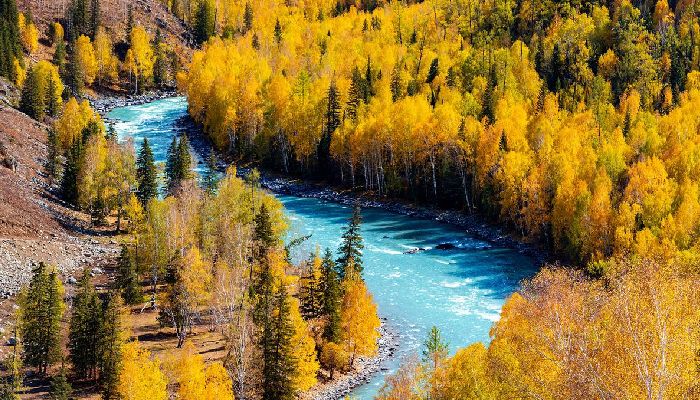
Autumn Forest of Kanas in Altay
The Stone Pillar Wonders of Zhangjiajie
Weather
Zhangjiajie is located in northwestern Hunan Province. The average September temperature ranges from 20°C to 28°C, with cool and comfortable mornings and evenings and warm but not hot days. September rainfall is significantly lower than in summer, mostly light intermittent rain. After rain, clouds and fog often linger, making it the best time to view the sandstone peak forest. Zhangjiajie National Forest Park is China’s first national forest park, known for its over 3,000 stone pillars. September has moderate humidity, comfortable conditions, and is suitable for extended outdoor hiking.
Top Sights
Zhangjiajie National Forest Park has an entrance fee of 225 RMB, valid for four days. Yuanjiajie is the highlight of the scenic area. Hallelujah Mountain, originally named Qiankun Pillar, gained fame from its appearance in the film Avatar. Mihun Terrace offers a wide view surrounded by stone pillars. Tianzi Mountain is known for its sea of clouds and sunrise, with Dianjiang Terrace and Yubi Peak as the main viewing points. Shili Gallery is 5.8 km long, accessible by sightseeing train (38 RMB one way) or on foot. Jinbian Stream is 7.5 km long, with clear water and stone pillars standing on both sides, suitable for hiking. Tianmen Mountain is located near Zhangjiajie city. Tianmen Cave is the highest natural through cave in the world, with an entrance fee of 278 RMB (including cable car).
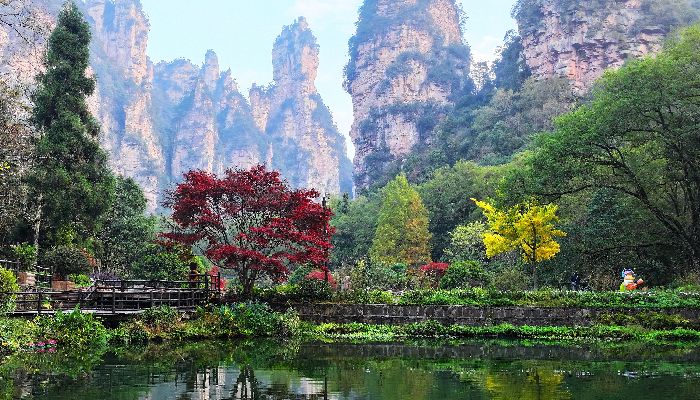
Zhangjiajie National Forest Park
The Snow Mountain of Daocheng Yading
Weather
Daocheng Yading is located in the Garze Tibetan Autonomous Prefecture in Sichuan Province, with elevations ranging from 2,900 to 6,032 meters. The core scenic area is above 4,000 meters. The average September temperature ranges from 2°C to 18°C, with extreme daily temperature differences. Daytime temperatures can reach 18°C under sunshine, while nighttime temperatures drop to 0°C to 5°C, with freezing possible at high altitudes. September is autumn in Daocheng Yading, with rich colors on snow mountains, meadows, and lakes, and fewer visitors than in October. Rainfall is lower than in summer, mostly showers or sleet. UV radiation is extremely strong, requiring thorough protection.
Top Sights
Daocheng Yading Scenic Area has an entrance fee of 146 RMB, valid for two days. Chonggu Temple is the starting point of the scenic area, at an elevation of 3,880 meters, surrounded by open meadows. Luorong Pasture is at an elevation of 4,150 meters and is the best location to view Yangmaiyong Snow Mountain. You can hike or take an electric cart (50 RMB one way) to reach it. Milk Lake is at an elevation of 4,600 meters, with milky white water, requiring a hike of about 5 km to reach. Five Color Lake is at an elevation of 4,700 meters, with water displaying multiple colors under sunlight. The three snow mountains, Xiannairi, Yangmaiyong, and Xianuoduoji, are considered sacred by local people. Visiting Milk Lake and Five Color Lake requires a full day, and it is recommended that you depart before 7:00 am. At high altitudes, you should walk slowly and avoid strenuous activities.
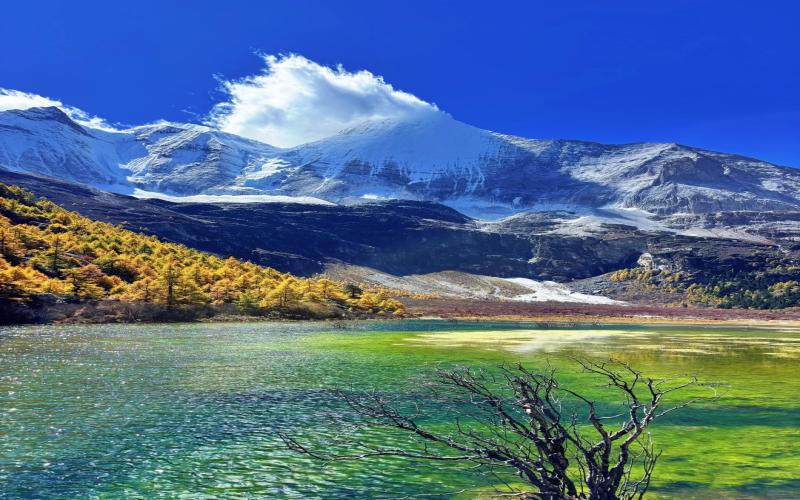
Daocheng Yading
The Natural Landscape of Guilin
Weather
Guilin is located in northeastern Guangxi Zhuang Autonomous Region. The average September temperature ranges from 23°C to 32°C. Days still have residual summer heat, but mornings and evenings are cool. September rainfall is significantly lower than in summer, mostly brief showers. After rain, the air is fresh and visibility improves. The Li River still has abundant water, suitable for boat tours. September is the shoulder season for tourism in Guilin, with fewer visitors than during summer or the National Day holiday, offering a more comfortable experience.
Top Sights
The Li River Scenic Area is a classic Guilin experience. The boat journey from Guilin to Yangshuo is about 83 km. A three star boat ticket costs about 245 RMB, with a journey time of about 4 hours. Yangshuo West Street is the busiest street in Yangshuo County, lined with various restaurants and handicraft shops. Yulong River is a tributary of the Li River, where you can take a bamboo raft. Each raft costs about 200 to 300 RMB (seats 2 people). Xingping Ancient Town is where the background image of the 20 RMB banknote was taken, and entry is free. Elephant Trunk Hill is located in Guilin city, shaped like an elephant trunk reaching into the river, with an entrance fee of 55 RMB. Longji Rice Terraces are about 80 km from Guilin city. In September, the rice gradually turns yellow, with the best viewing period around the Mid Autumn Festival, and an entrance fee of 80 RMB.
The Top of the World of Tibet Everest Base Camp
Weather
Everest Base Camp is located in Dingri County, Shigatse City, Tibet Autonomous Region, at an elevation of 5,200 meters. September average temperatures range from 0°C to 12°C, with extreme temperature differences between day and night. Daytime temperatures can reach 12°C under sunshine, while nighttime temperatures drop to 5°C below zero to 0°C. September has little rainfall, mostly sunny weather, making it one of the best seasons for viewing Mount Everest. UV radiation is extremely strong, so thorough sun protection is essential. Winds are strong, so you will need a windproof jacket.
Top Sights
Everest Base Camp is the starting point for climbing Mount Everest, the world’s highest peak. Entrance fee is 180 RMB, with a vehicle entry fee of 400 RMB per car. Rongbuk Monastery is the highest elevation monastery in the world, located about 8 km from Base Camp, and is the best location for viewing Mount Everest. Everest Post Office is the highest elevation post office in the world, where you can send postcards stamped with the Everest postmark. Around Base Camp, you can view several peaks above 8,000 meters, including Lhotse, Makalu, and Cho Oyu. September’s early morning and evening are the best times to view the golden sunlight illuminating the peak.
The Glacier Forest of Hailuogou
Weather
Hailuogou is located in Luding County, Garze Tibetan Autonomous Prefecture, Sichuan Province, at elevations ranging from 1,500 to 3,600 meters. September average temperatures range from 10°C to 20°C, with significant temperature differences between day and night. Days are warm and comfortable, while you will need a jacket at night. September rainfall is moderate, mostly light intermittent rain, with clouds and mist lingering after rain. UV radiation is relatively strong.
Top Sights
Hailuogou is China’s only glacier forest park. Entrance fee is 90 RMB, with a sightseeing bus fee of 70 RMB. Glacier Number One is the most famous glacier in Hailuogou at an elevation of 2,850 meters, making it the lowest elevation glacier at its latitude in the world. Camp Three is the best location for viewing the glacier. Camp Four is at an elevation of 3,600 meters, offering views of the Great Ice Waterfall and the main peak of Mount Gongga. Camp Two is known for its hot springs, where you can experience high altitude hot springs (about 120 RMB).
The Stone City of Zhaqi’na
Weather
Zhaqi’na is located in Diebu County, Gannan Tibetan Autonomous Prefecture, Gansu Province, at elevations ranging from 3,000 to 3,600 meters. September average temperatures range from 6°C to 18°C, with significant temperature differences between day and night. Daytime temperatures can reach 18°C under sunshine, while nighttime temperatures drop to about 5°C. September rainfall is moderate, mostly light intermittent rain, with clouds and fog often appearing after rain. UV radiation is relatively strong.
Top Sights
Zhaqi’na is surrounded by stone mountains, with the name meaning “stone box” in Tibetan. Entrance fee is 80 RMB. Fairy Beach is the most classic viewpoint in Zhaqi’na at an elevation of about 3,100 meters, offering a panoramic view of the entire Zhaqi’na village and stone mountains. First Line Sky is the entrance to the canyon, with towering stone walls on both sides. Stone Forest is deep in the canyon at an elevation of about 3,600 meters, requiring a 3 to 4 hour hike to reach. Yeri Village and Dari Village preserve traditional Tibetan wooden houses and terrace landscapes, where you can stay overnight and experience Tibetan family life.
The Volcanic Crater Lake of Arxan
Weather
Arxan is located in Hinggan League, Inner Mongolia Autonomous Region, at elevations ranging from 1,000 to 1,500 meters. September average temperatures range from 5°C to 18°C, with extreme temperature differences between day and night. Days are warm, while nighttime temperatures can drop to 0°C to 5°C. September has little rainfall, mostly sunny weather. UV radiation is relatively strong. In late September, autumn arrives and the forests begin to change color.
Top Sights
Arxan National Forest Park is China’s largest volcanic landscape scenic area. Entrance fee is 180 RMB (including sightseeing bus). Tianchi is a lake formed by water accumulating in a volcanic crater at an elevation of 1,323 meters, with clear and tranquil water. Tuofengling Tianchi is shaped like a camel and is the most spectacular volcanic crater lake in the park. Dujuan Lake is named for the rhododendrons that bloom along its shores in spring. San Tan Gorge is the source of the Halaha River, with three deep pools in the canyon.
The Rice Terraces of Honghe Hani
Weather
The Hani Rice Terraces are located in Yuanyang County, Honghe Hani and Yi Autonomous Prefecture, Yunnan Province, at elevations ranging from 1,500 to 2,000 meters. September average temperatures range from 18°C to 26°C, with cool mornings and evenings and warm days. September brings relatively frequent rainfall, mostly showers, with clouds and mist lingering after rain. UV radiation is moderate.
Top Sights
The Hani Rice Terraces entrance fee is 100 RMB. Duoyishu Rice Terraces are the best location for viewing sunrise. Laohuzui Rice Terraces are known for their elegant lines. Bada Rice Terraces are the largest in area, with the terraces reflecting golden light at sunset. Qingkou Folk Village preserves traditional Hani mushroom houses and lifestyle. In September, the rice terraces are in the grain ripening season, with golden rice intertwined with the water surfaces, creating a unique landscape.
The Tiankeng and Ground Fissure of Wulong
Weather
Wulong is located in southeastern Chongqing, at elevations ranging from 300 to 1,200 meters. September average temperatures range from 20°C to 28°C, which is 3°C to 5°C lower than downtown Chongqing. September rainfall is moderate, mostly showers, with fresh air after rain. UV radiation is moderate.
Top Sights
The Three Natural Bridges in Wulong Karst Scenic Area have an entrance fee of 125 RMB (including sightseeing bus). The site consists of three natural stone bridges: Tianlong Bridge, Qinglong Bridge, and Heilong Bridge. Longshui Ground Fissure is a narrow canyon with towering cliffs on both sides and a stream flowing along the valley floor. Entrance fee is 105 RMB. Fairy Mountain National Forest Park is at an elevation of about 2,000 meters, with cool climate in September suitable for hiking and camping. Entrance fee is 60 RMB.
Tips for Visiting China in September
Temperature
September brings significant temperature differences between day and night in northern and high altitude areas. Nighttime temperatures in Kanas can drop to 0°C to 5°C, while Daocheng Yading approaches freezing at night. It is recommended that you dress in layers, carry a fleece jacket or light down jacket, and add layers as needed in the mornings and evenings.
Weather Conditions
The rainy season ends in northern China in September, with clear and crisp autumn weather suitable for outdoor activities. However, haze may occur in northern China, and sensitive individuals are advised to wear masks. Typhoons remain possible in southern China, so check weather forecasts in the week before departure.
High Altitude Protection
Daocheng Yading Scenic Area is mostly above 4,000 meters in elevation, and parts of Kanas exceed 2,500 meters. It is recommended that you avoid strenuous activities after arrival, carry drinking water and portable oxygen canisters. UV radiation remains strong, so sunscreen, sunglasses, and wide brimmed hats are essential.
Mountain Area Protection
Zhangjiajie and Guilin still experience intermittent rain in September. Boardwalks can be slippery after rain. It is recommended that you wear non slip hiking shoes and carry a folding umbrella or light rain jacket. While the cloudy and foggy scenery after rain is beautiful, visibility may suddenly drop, so pay attention to your footing.
If You’re Traveling in September, These Are the Places Worth Focusing On
If you narrow it down, September travel in China doesn’t really need a long list of options. For autumn scenery, Kanas is one of the earliest places to turn golden. If you’re drawn to alpine landscapes, Yading still works well before temperatures drop further. And for classic scenery, places like Zhangjiajie and Guilin tend to feel quieter and more enjoyable once the summer rush is over.
Each destination still has its own timing window, and getting that right can make a noticeable difference. If you’d rather not sort through all the details yourself, China Dragon Travel can help map out routes based on what’s actually at its best during your travel dates, keeping things simple and more efficient.