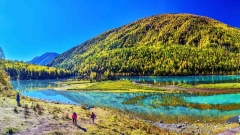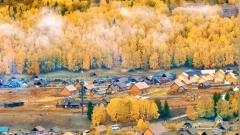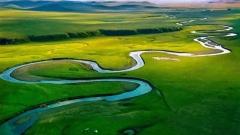

When people think of Xinjiang, they often picture snow-capped mountains, grasslands, lakes, and scenic highways. But southern Xinjiang offers a different experience, especially for travelers interested in history, food, architecture, and local traditions. The region’s Silk Road heritage can still be seen in its old cities, bazaars, handicrafts, and everyday life. From Kashgar and Hotan to Yarkand and Kuqa, each destination has its own cultural character. Walking through an old neighborhood, trying fresh naan, visiting a local market, or watching artisans at work can be just as memorable as visiting a famous landmark.
Key Takeaways
- Southern Xinjiang offers a strong combination of Silk Road history, local traditions, architecture, food, music, and handicrafts.
- Kashgar is one of the best places to begin exploring the cultural side of the region.
- Hotan, Yarkand, and Kuqa each add different historical and cultural experiences.
- Southern Xinjiang is especially appealing to travelers who enjoy food, photography, crafts, and everyday cultural experiences.
- A slower itinerary usually works better than trying to rush through too many cities.
What Makes Southern Xinjiang So Culturally Rich?
Southern Xinjiang sits in the heart of the historic Silk Road, where trade routes once connected Central Asia, China, South Asia, and the Middle East.
Over centuries, merchants, travelers, craftsmen, scholars, and religious traditions passed through oasis settlements across the Tarim Basin.
This history can still be felt today.
The region’s cultural character comes from many layers rather than one single tradition. Ancient ruins sit alongside modern cities, traditional markets operate beside newer shopping streets, and centuries-old crafts continue to be practiced.
This makes southern Xinjiang particularly interesting for travelers who enjoy places where history is still part of everyday life.
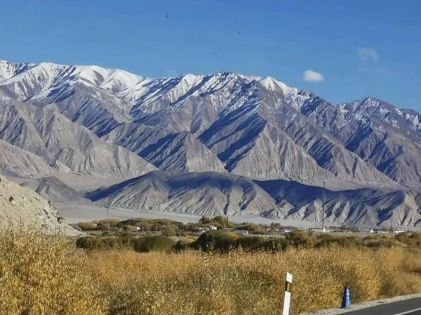
Autumn scenery in southern Xinjiang
Kashgar: The Best Place to Start a Cultural Journey
For many visitors, Kashgar is the natural starting point for exploring southern Xinjiang.
The city’s location near the historic crossroads of the Silk Road helped make it an important commercial and cultural center for centuries.
Today, one of the easiest ways to experience Kashgar is simply to walk around the Kashgar Old City.
Traditional homes, narrow streets, small workshops, local restaurants, bakeries, markets, and neighborhood life create a very different atmosphere from a conventional tourist district.
The old city is particularly interesting because you do not need a detailed schedule to enjoy it.
You can walk through one street and find a craftsman working on metal goods, turn another corner and discover a bakery, then stop at a small restaurant for a local meal.
For culture-focused travelers, this kind of unplanned exploration can be more valuable than moving from one landmark to another.
Explore the Kashgar Sunday Market
Kashgar’s large market tradition is another major part of its cultural appeal.
The Kashgar Sunday Market, historically known for its scale and variety of goods, reflects the city’s long role as a regional trading center.
Depending on the market area and season, you may encounter food products, household items, textiles, livestock, handicrafts, and other locally traded goods.
Even when you are not planning to buy anything, markets are fascinating places for observing how people shop, work, socialize, and conduct business.
For photographers, they can also provide a huge variety of subjects.
However, it is always better to ask before taking close-up portraits of people, particularly in busy market environments.
Hotan: A City of Jade, Silk, and Oasis Culture
Hotan offers another important perspective on southern Xinjiang.
The city has a long history connected to the Silk Road and is especially associated with jade and traditional silk production.
The Hotan River has also played an important role in the development of the oasis settlement.
For travelers interested in traditional crafts, Hotan can be especially rewarding.
You can learn about jade, visit local markets, explore handicrafts, and see how oasis culture has developed around scarce water resources in the southern Tarim Basin.
The pace of Hotan can also feel different from Kashgar. While Kashgar is often the most obvious cultural introduction for first-time visitors, Hotan allows travelers to explore another layer of southern Xinjiang’s traditions.

Hotan Night Market
Yarkand: Music, Architecture, and Historical Traditions
Yarkand, also known as Shache, has a long history as an important cultural center in southern Xinjiang.
The city is particularly associated with Uyghur musical traditions, including the heritage of the Twelve Muqam.
Its historical role also makes it interesting for travelers who enjoy architecture and cultural history.
Walking through older parts of the city and visiting local cultural sites can provide a very different experience from simply following a modern urban sightseeing route.
Yarkand is a good example of why southern Xinjiang is worth exploring beyond Kashgar. Smaller historic cities often reveal cultural traditions that can be overlooked when travelers focus only on the region’s most famous destination.
Kuqa: Ancient History Meets Oasis Culture
In the eastern part of southern Xinjiang, Kuqa offers a different historical perspective.
Kuqa was an important oasis center on the ancient Silk Road and became closely associated with the spread of Buddhism across Central Asia and the Tarim Basin.
The surrounding area contains important historic and religious sites, including the Kizil Caves, known for their ancient Buddhist murals.
The art and architecture here help illustrate how religious ideas and artistic styles traveled along the Silk Road.
For travelers who enjoy history, archaeology, and ancient art, Kuqa adds a completely different dimension to a southern Xinjiang itinerary.
Why the Silk Road Still Matters Here
It is easy to think of the Silk Road as something that belongs entirely to ancient history.
In southern Xinjiang, however, its influence can still be seen in the region’s cities and cultural traditions.
The location of oasis towns was shaped by access to water and trade routes. Markets developed as places where goods and ideas met. Crafts were passed between generations. Music, food, architecture, and religious traditions evolved through centuries of contact.
This does not mean that everything you see today is unchanged from ancient times.
Modern southern Xinjiang is a contemporary region with modern infrastructure, businesses, schools, and urban life.
What makes it interesting is the way historical influences remain visible within that modern environment.
Food Is a Major Part of the Cultural Experience
For culture lovers, southern Xinjiang’s food deserves just as much attention as its monuments.
Meals are closely connected to local geography, agriculture, and cultural traditions.
You can expect to encounter dishes and ingredients such as hand-pulled noodles, polo, lamb dishes, naan, roasted meats, samsa, yogurt, dried fruits, and melons, although the exact dishes vary from place to place.
Food markets and small local restaurants are often more useful than formal tourist restaurants if you want to understand everyday eating habits.
Naan and Local Bakeries
Naan is one of the easiest foods to encounter during a southern Xinjiang trip.
Local bakeries often prepare different types of naan using traditional ovens. Watching the baking process can be an interesting cultural experience in itself.
Polo and Rice Dishes
Rice dishes such as polo are closely associated with local Central Asian and Uyghur food traditions.
Different areas and households have their own variations, so trying the dish in more than one city can be part of the fun.
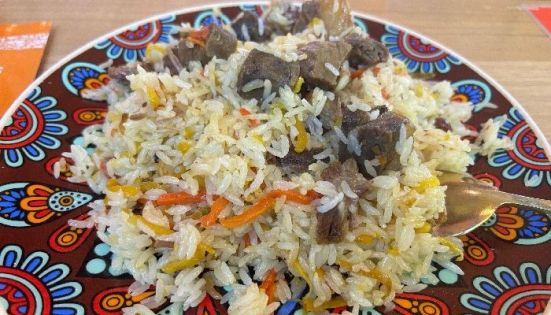
Xinjiang Polo
Fruit and Dried Fruit
The oasis environment supports abundant fruit production.
Depending on the season, markets may feature grapes, melons, apricots, peaches, pomegranates, and various dried fruits.
Food is one of the easiest ways to notice differences between southern Xinjiang and other regions of China.
Traditional Handicrafts Are Still Part of Daily Life
Southern Xinjiang is also a great destination for travelers interested in craftsmanship.
Depending on the city, you may encounter textiles, carpets, pottery, woodwork, metalwork, musical instruments, silk products, and jade.
These are not simply decorative souvenirs.
Many traditional crafts developed because of local materials, trade connections, cultural traditions, and practical needs.
For example, Hotan’s connection with jade is deeply rooted in the region’s history, while traditional weaving and textile production remain important cultural practices in parts of southern Xinjiang.
Visiting a workshop or market can help you understand the work behind these products rather than seeing them only as items for sale.
Music Is Another Window Into Local Culture
Music is an important part of cultural life in southern Xinjiang.
The Twelve Muqam tradition is particularly significant in Uyghur musical heritage, combining vocal music, instrumental performance, poetry, and dance.
For travelers who are interested in culture, attending a performance can offer a different kind of experience from visiting a museum.
Music can communicate aspects of history, identity, storytelling, and community that are difficult to capture through architecture alone.
The exact availability of performances varies, so travelers interested in this side of local culture should check what is happening during their travel dates.
Traditional Architecture Tells Its Own Story
Another reason southern Xinjiang is interesting for culture lovers is its architecture.
In places such as Kashgar and other historic oasis cities, traditional homes often reflect local climate, available materials, family structure, and neighborhood life.
Old streets can reveal much more than a beautiful facade.
Look at the doors, courtyards, balconies, decorative details, and the way homes are arranged around narrow streets.
Religious architecture and historic buildings add another layer, while modern urban development shows how these cities continue to evolve.
For photographers, this creates opportunities for both wide architectural compositions and smaller details.
Oasis Culture Makes Southern Xinjiang Different
One of the most important ideas to understand when traveling through southern Xinjiang is oasis culture.
Much of the Tarim Basin is extremely dry, so settlements developed around rivers, underground water systems, and irrigated farmland.
As a result, the landscape often changes dramatically within a short distance.
A city can be surrounded by dry desert, yet inside the settlement you may find dense vegetation, orchards, farmland, and busy markets.
This relationship between water, agriculture, trade, and settlement helps explain why southern Xinjiang developed such distinctive oasis cities.
You can see this connection in places such as Kashgar and Hotan, where urban life and agricultural landscapes exist surprisingly close to the desert.
A Cultural Journey Does Not Need to Be Rushed
One of the biggest mistakes on a southern Xinjiang trip is trying to visit too many cities in too little time.
The region is large, and road travel can take longer than expected.
If your main interest is culture, it is often better to spend more time in fewer places.
For example, you could build a journey around: Kashgar → Yarkand → Hotan
This gives you opportunities to explore old neighborhoods, markets, local food, crafts, and historic sites without constantly packing and unpacking.
For a longer trip, you can continue toward Kuqa and explore the ancient Silk Road heritage of eastern southern Xinjiang.
The exact route depends on the season, road conditions, and which cultural themes interest you most.
What Is the Best Time to Explore Southern Xinjiang?
Southern Xinjiang can be visited year-round, but different seasons work better for different experiences.
- Spring is attractive for mild weather and seasonal landscapes, although conditions can vary between desert and mountain areas.
- Summer can be very hot in low-altitude oasis cities, so sightseeing is generally more comfortable in the morning or evening.
- Autumn is especially appealing for food and photography because fruit harvests add activity and color to local markets.
- Winter is much colder, but cities such as Kashgar can offer a quieter travel atmosphere.
If you are particularly interested in outdoor markets, walking old cities, or photography, comfortable daytime temperatures can make a big difference.
Is Southern Xinjiang Good for Photography?
It is one of the strongest regions in Xinjiang for photographers who enjoy both people and places.
Northern Xinjiang is famous for dramatic natural landscapes, but southern Xinjiang gives you another kind of visual variety.
You can photograph:
- Old city streets
- Traditional architecture
- Busy bazaars
- Local food
- Craft workshops
- Mosques and religious architecture
- Desert and oasis landscapes
- Mountain roads around the Pamirs
This mix means you can spend the morning on street photography and the afternoon photographing desert scenery or mountain landscapes.
For many photographers, that variety is more interesting than spending an entire trip shooting only landscapes.
What Should Cultural Travelers Keep in Mind?
Southern Xinjiang is home to diverse communities and living cultural traditions, so respectful travel matters.
Dress appropriately when visiting religious or culturally important places, follow local rules regarding photography, and avoid treating local residents simply as photographic subjects.
Markets and neighborhoods are everyday spaces, not staged attractions.
A little patience goes a long way.
Learning a few basic greetings, trying local food, showing interest in traditional crafts, and taking time to observe rather than rushing through can make cultural interactions much more rewarding.
Why Choose Southern Xinjiang Over a Purely Scenic Trip?
Xinjiang is famous for spectacular scenery, but a trip focused entirely on mountains and lakes can leave out another major part of the region’s identity.
Southern Xinjiang allows you to connect landscapes with the people who live among them.
You see how oasis cities developed, why markets became important, how traditional food evolved, and how crafts and music have been passed between generations.
The result is a trip that feels less like collecting scenic viewpoints and more like understanding a place.
Planning a Culture-Focused Southern Xinjiang Trip
For travelers who enjoy history, food, architecture, markets, music, handicrafts, and local communities, southern Xinjiang offers an unusually rich travel experience.
Kashgar is an excellent introduction, with its old city and market culture. Hotan adds jade, silk, and oasis traditions. Yarkand brings music and historical heritage, while Kuqa offers ancient Buddhist sites and Silk Road history.
You can combine these destinations with desert landscapes or the mountain scenery of the Pamir Plateau, but there is no need to fill every day with major attractions.
Some of the most memorable moments may come from much simpler experiences: eating fresh naan in a neighborhood bakery, walking through an old street at sunset, watching a craftsman work, or sitting in a local market and observing everyday life.
That is what makes southern Xinjiang especially rewarding for culture lovers. The history is important, but it is not trapped in the past. You can still see its influence in the streets, food, crafts, music, architecture, and daily routines of the region today.