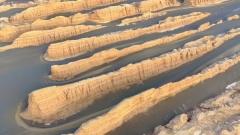

The Qinghai-Gansu Grand Loop is renowned for its vast salt lakes, desert landscapes, and mountain scenery, but the historical sites along the way imbue this journey with a profound sense of regional identity. This route traverses areas formed by Silk Road trade, Buddhist pilgrimages, military defense, and the migrations of people across the Qinghai-Tibet Plateau and the Hexi Corridor. Highlights include the Mogao Caves and Yumenguan Pass near Dunhuang, Jiayuguan Pass at the western end of the Great Wall, and the historic districts and temples of Xining. Each stop tells a different story: some preserve religious art, some mark imperial borders, and others showcase the arduous journeys across harsh frontiers.
The Qinghai-Gansu Grand Loop is a long journey with numerous historical sites. Instead of rushing through, it’s more meaningful to carefully select a few attractions that align with your interests. The most historically significant sites along this route are concentrated in Dunhuang, Jiayuguan, Zhangye, Wuwei, and Xining. Specific travel times and transportation options will vary depending on the route.
Key Summary
- The Mogao Caves in Dunhuang preserve hundreds of years of Buddhist art and Silk Road history.
- The Yumen Pass and the Han Dynasty frontier reveal how ancient roads were guarded and supplied.
- Jiayuguan offers a vivid view of the western end of the Ming Great Wall.
- Zhangye and Wuwei are important cities and Buddhist cultural heritage sites connecting the Hexi Corridor.
- The temples and old town of Xining showcase Qinghai’s rich cultural heritage.
Why should history unfold along the Qinghai-Gansu Grand Loop?
This route extends along a section of the Hexi Corridor, a narrow passage between the Qilian Mountains and the desert. For centuries, this corridor has connected central and western China. Merchants, officials, soldiers, monks, and travelers used the oases and fortifications along the corridor to traverse regions lacking water and shelter. Its geographical location made the region both a vital trade route and a frontier that successive governments sought to control.
The history here is not confined to a single dynasty or culture. Buddhist art flourished in Dunhuang, while military fortifications and beacon towers were built to monitor movements along the corridor. Further east, cities like Wuwei and Zhangye developed into administrative and commercial centers. In Qinghai, Tibetan Buddhist monasteries and communities present a cultural landscape that, while distinctly different from Dunhuang, is closely connected to it.
For travelers, the rich diversity of the Qinghai-Gansu Grand Loop means it’s far more than just a simple string of scenic spots. Grottoes, temples, mountain passes, and still-functioning monasteries all require different approaches to exploration. Some are well-managed cultural heritage sites with time restrictions; others are open-air ruins where visitors need to be extra cautious of fragile remains and the desert environment. A little research beforehand can transform a short stay into a more meaningful journey.

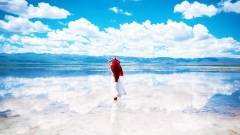
Qinghai Lake
Mogao Caves: A Gem of Dunhuang Buddhist Art
The Mogao Caves are a must-see historical site near Dunhuang. Carved into the cliffs southeast of Dunhuang city, the cave complex preserves Buddhist murals, sculptures, and inscriptions created over hundreds of years. These caves reflect the spread of artistic ideas and religious traditions along the Silk Road, as well as the patronage and influence of local communities, rulers, and travelers.
Visitors typically begin their tour at the Mogao Grottoes Visitor Center, where tour itineraries and informational materials are provided to help visitors understand the site. To protect the murals and sculptures, cave entrances are controlled, and specific tour procedures may vary depending on operational arrangements. It is recommended to check official visitor information before your trip, especially during peak tourist season. Photography is prohibited inside the caves; please follow the instructions of staff to protect the fragile cave environment.
The best experience is only possible through careful observation. The murals may depict scenes from Buddhist scriptures, figures of donors, architectural details, and clothing and artifacts from different periods. Because the colors and painted surfaces are highly sensitive to light, air, and human contact, these works cannot be treated like ordinary museum exhibits. A knowledgeable guide can help identify different artistic styles and explain the changes that have occurred in the caves over time.
Allow ample time for your visit to the Mogao Caves and visitor center; don’t treat it as a brief stop along the way. If time permits, consider combining the Mogao Caves visit with the Dunhuang Museum, which offers a richer historical context. The Dunhuang Museum helps you understand how this ancient oasis city was integrated into a broader landscape of trade, administration, and religious exchange.
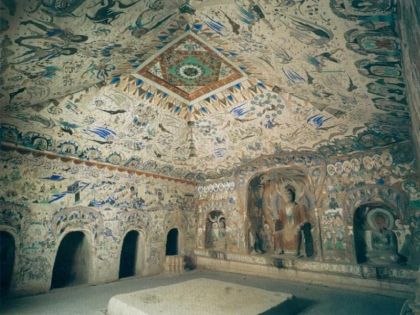
Inside the Mogao Grottoes in Dunhuang
Yumen Pass and the Han border near Dunhuang
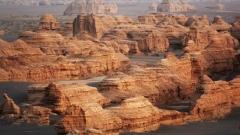
The ruins of Yumenguan, west of Dunhuang, stand in stark contrast to the well-preserved grottoes. Yumenguan, often translated as “Jade Gate Pass,” is closely associated with the border defense system of the Han Dynasty. Visitors should not imagine a majestic city gate standing alone in the desert, but rather expect to see a vast expanse of barren land dotted with earthen remains of fortifications and transportation infrastructure.
The surrounding area helps to understand how border control works. Passes, walls, beacon towers, and settlements supported the movement of people along routes that could be quite long between reliable water sources. Signal towers were part of a communications network: fire and smoke could transmit warning messages to various locations. The existing structures are severely weathered and very fragile, so visitors should stay on designated routes and avoid climbing or touching vulnerable parts of the walls.
Reaching the ruins usually requires driving from Dunhuang to a remote desert area. The environment there is harsh, with intense sunlight, strong winds, and little shade. Please bring drinking water, take precautions against sunburn, and confirm local transportation and visiting arrangements in advance. Finding a driver or guide familiar with the route will make the trip much smoother, especially if you plan to visit other attractions in western Dunhuang.
For travelers interested in archaeology, frontier history, and the geography of the Silk Road, Yumen Pass is undoubtedly an unforgettable experience. Its geographical location itself is part of the story: the vast distances, arid climate, and open terrain clearly demonstrate the importance of controlling wells and roads. It’s not ideal for visitors seeking well-preserved architecture or indoor exhibits, so be prepared.
Jiayuguan: The western end of the Ming Great Wall
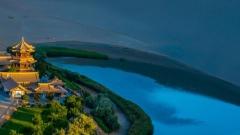
Jiayuguan is one of the most famous historical sites along the Qinghai-Gansu Grand Loop. This defensive fortification complex is located near Jiayuguan City and connects to the western end of the Ming Great Wall. Its walls, gates, beacon towers, and defensive layout demonstrate how this strategic pass controlled traffic in the Hexi Corridor.
The site is more than just a city gate. The fortifications include a central wall and surrounding defensive structures, with more walls and watchtowers scattered throughout the larger area. From the walls, visitors can overlook the pass nestled between open desert and foothills. This environment helps in understanding the architecture: the complex was built to monitor and guide traffic, not merely to create a striking landmark.
Please allow ample time and maintain a comfortable pace when visiting the main fortifications. The fortifications may be exposed to sun and wind and contain steps and uneven ground. Comfortable shoes and drinking water are recommended, especially during the warmer months. On-site explanations can provide some basic information, but a guide can provide a more detailed explanation of the Ming Dynasty’s frontier defenses, construction methods, and the broader defensive system.
Many tourists combine their visits to Jiayuguan with those to the nearby sections of the Great Wall and the Overhanging Great Wall, gaining insights into frontier defense from different topographical and architectural perspectives. These sites are not interchangeable: Jiayuguan itself is a defensive fortification complex, while other sections showcase how walls and beacon towers adapted to the local terrain. Since routes and facilities may differ, be sure to check local transportation information before planning a combined tour.
Jiayuguan is also an ideal overnight stop on the Qinghai-Gansu Grand Loop. Staying in Jiayuguan allows ample time to explore the passes without having to cram Zhangye or Dunhuang into a single day, thus avoiding exhaustion. With convenient transportation and diverse accommodation options, Jiayuguan is an ideal starting point for exploring this loop.

Jiayuguan
Zhangye: Buddhist Heritage and the Hexi Corridor
Zhangye is often included in tourist routes around the city due to its beautiful scenery, but as an important city in the Hexi Corridor, it also boasts a long history. The city’s name and historical status are closely linked to its administrative and trade activities throughout history. For tourists, the most easily accessible historical sites and urban landscape are found in its religious sites and historical relics.
Zhangye Giant Buddha Temple is an important tourist attraction. The most striking feature is a giant reclining Buddha enshrined in the main hall, along with other religious and architectural features. Compared to the open scenery outside the city, the temple appears more tranquil and peaceful. As with other religious sites, visitors should behave politely, abide by the posted rules, and be mindful of other worshippers.
Zhangye’s museums and historical districts can add depth to your trip, especially for travelers who want to explore the city more than just admire its iconic landmarks. Museum exhibits and local guides help explain the area’s importance as a transportation corridor. Since opening hours and exhibits are subject to change, be sure to check local information before planning your itinerary.
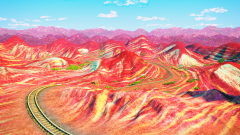
If your itinerary includes the Zhangye Danxia Landform, consider visiting the geological and historical sites on the same day or the following morning. The contrast between the two is fascinating: the former showcases the formation of the landform over a long geological period, while the latter reveals how people established religious and commercial centers along the region’s main transportation routes. Avoid scheduling too many long-distance attractions in one day; the actual distances along the corridor may be farther than what appears on a map.
Wuwei: A historic city on the eastern corridor
Wuwei is one of the important historical cities on the Hexi Corridor, and it’s definitely worth a visit for travelers with ample time. It was once a vital transportation hub connecting central and western China. Today, Wuwei’s cultural attractions present a unique landscape, quite different from the desert ruins near Dunhuang and the majestic fortifications of Jiayuguan.
Leitai Han Tomb is one of the most famous historical sites in Wuwei. It is closely related to the discovery of the famous “Gansu Pegasus” bronze statue, now housed in the Gansu Provincial Museum. The tomb and its exhibits help visitors understand the funerary customs of the time and the historical origins of the region. While this famous statue has been widely replicated, a visit to Wuwei in person allows for a deeper appreciation of the significance of this discovery.
The Confucius Temple and local museums are also worth visiting, depending on your interests and time constraints. Together, these sites showcase that Wuwei’s history extends far beyond its military and frontier past. Administrative life, education, religious activities, and trade have all profoundly influenced the city’s development.
Wuwei isn’t always included in the Qinghai-Gansu Grand Loop itinerary, so a visit might require an extra night or adjustments to your itinerary. This extra time is worthwhile for travelers interested in archaeology and urban history. Before you go, be sure to check the exact location and opening hours of each attraction and allow ample time for exploration; don’t assume all attractions are within walking distance.
Xining: Temples and Cultural Layers of Qinghai
Xining is a natural starting or ending point for many trips to Qinghai. Its rich history reflects the fusion of different communities and traditions, and its attractions provide a valuable starting point for understanding the Qinghai Plateau before heading to its lakes and plateau landscapes.
Kumbum Monastery (also known as Khunbu Monastery) is the most important historical and religious site near Kumbum City. It is a significant Tibetan Buddhist monastery with main halls, courtyards, and religious artifacts, and remains an important religious site. Visitors should remember that this is not a museum. Please dress appropriately, behave respectfully, follow photography rules, and avoid disturbing religious activities.
The monastery complex is vast, so please allow ample time for a steady pace and carefully read the accompanying instructions. Local guides can help visitors better understand the meaning of the architecture and religious imagery, especially for those unfamiliar with Tibetan Buddhist traditions. The monastery can be crowded, and the tour schedule may vary between areas, so please always follow the instructions of staff and the signs.
In Xining, the Dongguan Grand Mosque is another prominent landmark, representing the city’s Muslim cultural heritage. The mosque remains an important place of religion, and visitor access may depend on prayer times and local regulations. Please dress appropriately and behave quietly. The surrounding neighborhood showcases the daily lives of local residents, but please do not photograph worshippers or community members without permission.
Xining’s museums and old town can add more depth to a history-themed trip to Xining. They help to understand the city within the broader context of Qinghai Province’s geography and cultural diversity. If you have limited time in Xining, it’s advisable to prioritize visiting a major religious site and a museum or neighborhood, rather than trying to see everything before a long drive.
How to plan a historical route
The optimal order of visits depends on your arrival point and time constraints. A common west-to-east route connects Dunhuang, Jiayuguan, Zhangye, and Wuwei, then continues to Xining, but specific transportation connections and route planning will vary from person to person. Some travelers start their journey west from Xining; others start from Dunhuang, or utilize rail and air connections to create a loop. When planning your route, prioritize actual driving time over the number of attractions.
If your trip is short and focuses on historical sites, it’s recommended to prioritize visiting the Mogao Caves, Jiayuguan Pass, and Baiju Temple. These three sites each offer unique experiences: Buddhist art, military architecture, and a vibrant center of Tibetan Buddhism. If you have more time, you can explore frontier archaeology at Yumenguan Pass, or visit Zhangye or Wuwei to learn about the cities and religious history along the corridor.
Planning ahead is crucial for visiting the Mogao Caves, as visitor management is key to protecting this fragile cultural heritage. Always confirm entry details through official channels before your trip. For remote desert areas, be sure to verify transportation, road conditions, and local information. Do not assume that cell phone signal, shade, food, and public transportation are readily available outside of cities.
The region’s climate and altitude will also affect comfort. Summers are sunny and intense, while other seasons can be cold and windy. Xining is at a high altitude, and some travelers may need some time to acclimatize before engaging in strenuous activity. Please drink plenty of water, be mindful of your pace, and seek medical attention promptly if you have any concerns about altitude sickness or your health.
Practical Etiquette for Historical Sites
Many places along the Qinghai-Gansu Grand Loop are protected historical sites or religious sites. Please abide by the visitor guidelines, do not touch murals or sculptures, and stay away from unstable sites. Inside temples and mosques, please dress appropriately, remain quiet, and ask before taking photos if there are any unclear rules.
In some sites where the historical context isn’t immediately obvious, a good tour guide can be crucial. This is especially true for frontier ruins around Mogao Caves, Yumenguan Pass, and Jiayuguan Pass. If you choose China Dragon Travel Service or another travel agency, be sure to inquire in detail about the guide’s qualifications, transportation arrangements, attraction tickets, and the time allotted for each site. Clear and specific information will help you choose an itinerary that better suits your interests, rather than simply visiting the most attractions.
Maintain flexibility in your itinerary. Weather, road conditions, traffic regulations, and attraction operations can all affect your travel plans, especially near remote desert sites. Allow ample time between major attractions and avoid scheduling a series of events on the same day. This flexibility will allow you to fully appreciate the unique historical sites along the Qinghai-Gansu Grand Loop.