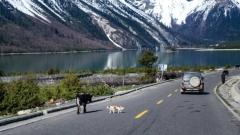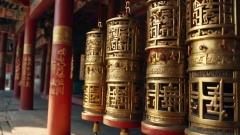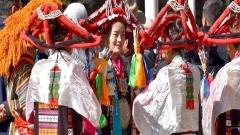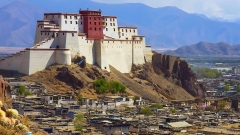

January is one of the most challenging yet charming months to visit Tibet. With fewer tourists, the sky glows in crystal-clear azure, and the sun bathes the snow-capped plateau. Snowy mountains stand more majestic and sacred, while lakes lie quiet and deep. This classic 8-day loop links Lhasa, Nyingchi and Nam Co, designed for safe, in-depth exploration of Tibet’s winter natural and cultural wonders, with a well-paced route to aid plateau acclimatization.
Overview of Tibet Travel Weather in January
January ushers in the depth of winter in Tibet, featuring a cold, dry climate with extreme day-night temperature differences. Snowfall is common across the region, yet days are sunny with intense ultraviolet radiation. Due to vast territory and complex terrain, climates vary sharply between southern Tibet’s valleys, eastern Tibet’s alpine canyons and northern Tibet’s plateau. Characterized by ample sunshine, scarce precipitation and low oxygen levels, it is the coldest month of the year—but also a uniquely rewarding season for travelers chasing pure scenery and exclusive experiences.
Weather in Major Regions
- Lhasa Area: Daytime temperatures range from 0 to 10℃, feeling warm in direct sunlight, but can drop below -10℃ at night. The weather is mostly sunny with light winds.
- Nyingchi Area: Boasting a lower altitude, it has a relatively mild and humid climate. Daytime temperatures hover around 5 to 12℃ and drop to about -5℃ at night, with occasional snowfall.
- Northern Tibet Plateau (e.g., Nam Co): Extremely frigid, with daytime temperatures possibly below 0℃ and nighttime temperatures plummeting to -15℃ to -20℃. The lake surface is usually frozen solid, with strong winds and fickle weather.Yamdrok Lake Area: Temperatures are similar to Lhasa’s, but winds by the lake are generally stronger.
Weather Tips
Cold protection is top priority for this seasonal trip. Pack ultra-warm down jackets, hats, gloves, scarves and non-slip thermal boots. High-altitude areas have intense direct sunlight, so high-SPF sunscreen is a must. The air is extremely dry—prioritize moisturizing and hydration. Some mountain roads may face temporary closures due to snow and ice in winter, and Nam Co Scenic Area might shut down in extreme weather, so keep your itinerary flexible. It is advisable to closely monitor daily weather forecasts and road conditions.
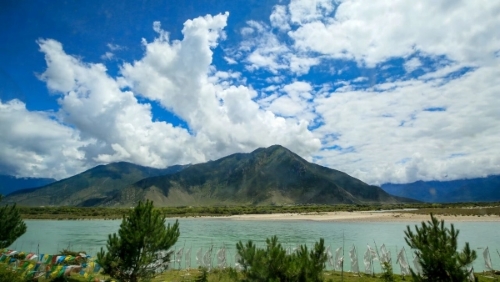
Niyang River
Detailed 8-Day In-Depth Loop Itinerary for Tibet January Travel
D1: Arrive in Lhasa –China Dragon Travel greeting with Hada-Check in at hotel
Upon landing at Lhasa Gonggar Airport, staff from China Dragon Travel will greet you with a Hada and transfer you to a downtown hotel via private car. It is strongly recommended to rest fully on the first day to acclimatize to the plateau environment. Move slowly, drink plenty of warm water, avoid washing your hair or taking a bath, and stick to a light diet. You can take a leisurely stroll near the hotel, but refrain from strenuous exercise. Ensure sufficient sleep to reserve energy for the days ahead.
D2: Downtown Lhasa: Potala Palace – Jokhang Temple – Barkhor Street
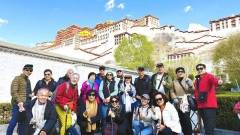
In the morning, visit the Potala Palace, a UNESCO World Cultural Heritage site. With fewer tourists in winter, you can enjoy a quiet and unhurried tour. Guided by a professional, you will gain deep insights into its history, architecture and religious significance. In the afternoon, pay homage to Jokhang Temple, the heart of Tibetan Buddhism, and admire the 12-year-old statue of Sakyamuni. Later, join the pilgrims circumambulating Barkhor Street to soak in the devout religious atmosphere, and browse for Tibetan handicrafts. In the evening, you can watch the live-action show Princess Wencheng (subject to weather and performance schedules).
D3: Lhasa – Basong Co – Niyang River–Nyingchi
Travel to Nyingchi, the “Jiangnan of Tibet”, via the Lhasa-Nyingchi Expressway (the highlight section of National Highway 318). En route, visit Basong Co, a sacred lake of the Red Sect. In winter, the lake’s central Zhaxi Island, surrounded by snow-capped mountains and forests, forms a serene ink wash painting. Drive along the Niyang River Valley and enjoy the scenic views on both sides. Arrive in downtown Nyingchi and check in at your hotel in the evening. With an altitude of about 3,000 meters, it is ideal for further plateau acclimatization.
D4: Nyingchi – Namcha Barwa Peak – Lulang Forest Sea – Nyingchi
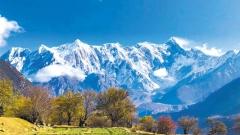
Head to Yarlung Zangbo Grand Canyon Scenic Area and overlook Namcha Barwa Peak, hailed as “China’s Most Beautiful Snow Mountain”, from the viewing platform. Winter offers a higher chance of seeing its full grandeur, and you may be lucky enough to witness the spectacular “Golden Mountains Bathed in Sunrise”. In the afternoon, travel to Lulang and traverse the Lulang Forest Sea, known as the “Switzerland of the Snowy Plateau”. In winter, the snow-covered forests and pastures present a magnificent landscape. Return to Nyingchi for overnight stay.
D5: Nyingchi – Kading Gully Heavenly Buddha Waterfall – Lhasa
In the morning, visit Kading Gully Scenic Area and admire the nearly 200-meter-high waterfall cascading down the canyon. The natural Buddha patterns on the rock walls are vivid and lifelike. Then set off back to Lhasa, enjoying the scenery of the Niyang River again along the way. Arrive at your Lhasa hotel and rest in the evening.
D6: Lhasa – Yamdrok Lake – Ritog Monastery – Lhasa
Travel to Yamdrok Lake, one of Tibet’s three sacred lakes. In winter, the lake’s blue ice begins to form, surrounded by snow-capped mountains, creating a breathtakingly beautiful scene. Drive along the lake to Ritog Monastery, a hidden gem known as “the Loneliest Monastery in the World”, and experience its isolated tranquility perched on a cliff. Return to Lhasa in the afternoon.
D7: Lhasa – Northern Tibet Grassland – Nam Co – Lhasa
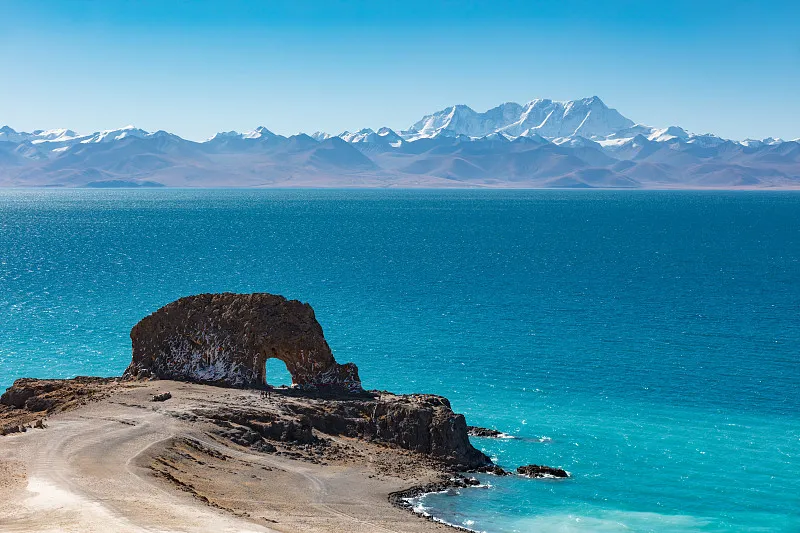
Depart early in the morning, cross the vast Northern Tibet Grassland, and head to Nam Co, the highest large lake in the world. In winter, the lake surface freezes over thousands of miles, resembling a boundless white wilderness, with the majestic main peak of Nyainqêntanglha Mountain clearly visible in the distance. Due to its high altitude (4,718 meters), strong winds and extreme cold, limit your stay and dress in full warm gear. Return to Lhasa in the evening.
D8: Departure from Lhasa-Return to home
Transfer to Lhasa Gonggar Airport via private car according to your flight schedule, and conclude your soul-stirring winter journey in Tibet.
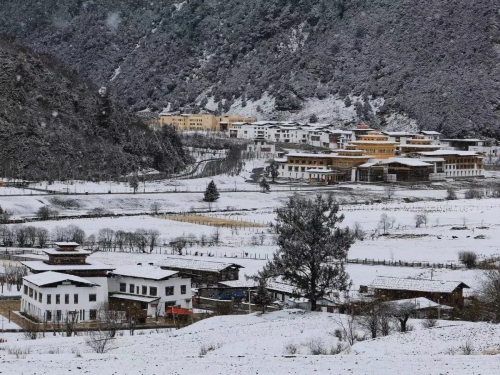
Lulang Scenic Area
Detailed Budget Breakdown of Tibet Travel in January
Transportation Costs
- Long-Distance Transportation
- Round-Trip Flights to/from Lhasa: Economy class tickets from major domestic cities to Lhasa cost about CNY 2,000–3,500 (subject to departure city, advance booking time and airline promotions; January is the off-peak season).
- In-Itinerary Transportation
- 8-Day Loop Chartered Car (Off-Road Vehicle/Minivan): As the major transportation expense for winter Tibet travel, the per capita share is about CNY 1,500–2,500 (subject to vehicle type and group size), due to complex road conditions and the need for experienced drivers.
- Taxi Rides in Downtown Lhasa: About CNY 50 per day.
In-Itinerary Transportation Subtotal (Excluding Long-Distance Transportation): About CNY 1,550–2,550 per person.
Accommodation Costs
- Lhasa (4 Nights)
- Comfortable Oxygen-Supplied Hotel: About CNY 300–500 per room per night, equivalent to CNY 150–250 per person per night.
- 4-Night Total per Person: About CNY 600–1,000.
- Nyingchi (2 Nights)
- Comfortable Hotel: About CNY 250–400 per room per night, equivalent to CNY 125–200 per person per night.
- 2-Night Total per Person: About CNY 250–400.
7-Night Accommodation Subtotal per Person:
About CNY 850–1,400 (winter prices are relatively low, but ensure the hotel is equipped with heating or air conditioning).
Entrance Fees (Some Attractions Offer Winter Discounts)
– Potala Palace: CNY 200 (advance reservation required)
– Jokhang Temple: CNY 85
– Basong Co: CNY 120 (including sightseeing bus)
– Yarlung Zangbo Grand Canyon: CNY 150 (including sightseeing bus)
– Kading Gully: CNY 20
– Yamdrok Lake: CNY 120 (may be waived in winter, subject to on-site announcements)
– Nam Co: CNY 120 (may be waived in winter, subject to on-site announcements)
– Total Entrance Fees: About CNY 815 per person (estimated, subject to official scenic area announcements).
Catering and Other Expenses
- Catering: About CNY 80–120 per person per day, totaling about CNY 640–960 for the entire trip.
- Tour Guide Service Fee: High-quality Chinese tour guide service for the whole trip, with a per capita share of about CNY 300–500 (based on 8 days).
- Emergency Supplies (Oxygen Cylinders, Medicines, etc.): It is recommended to reserve CNY 200.
Total Budget Reference
- Economical and Comfortable Option (Example: Small Group of 4 People): Transportation (including medium-budget long-distance transportation) about CNY 3,550–4,550 + Accommodation about CNY 1,400 + Entrance Fees about CNY 815 + Catering & Tour Guide Service about CNY 1,500 = Total about CNY 7,265–8,265 per person.
- Note: The above is an estimate. Actual costs vary significantly based on group size, accommodation and catering standards, and airfare fluctuations. January is not the peak season, so air tickets and accommodation offer good value for money, but fixed costs such as chartered cars remain relatively high. It is recommended to reserve a total budget of CNY 8,000–10,000 per person to ensure a comfortable and safe travel experience.
Tibet January Travel Tips: Plateau Acclimatization & Cultural Experience
Plateau Acclimatization, Health and Safety
- Pre-Trip Preparation: It is recommended to stop strenuous exercise 1–2 weeks in advance, and take Rhodiola rosea appropriately (effects vary from person to person). Travelers with colds, hypertension or heart disease should proceed with caution.
- Initial Days After Arrival: Always move “slowly”. Rest as much as possible on the first two days, drink plenty of warm water, eat moderately (70% full) and choose easily digestible food. Maintain a calm mindset and avoid anxiety.
- Coping with Altitude Sickness: Mild headaches and shortness of breath are normal. Carry glucose oral liquid and chocolate to supplement energy. Choose hotels with oxygen supply facilities; use portable oxygen cylinders if necessary, but avoid over-reliance. Seek medical attention immediately or descend to lower-altitude areas if symptoms worsen.
- Cold Protection and Disease Prevention: Guard against colds strictly—catching a cold in Tibet can easily trigger pulmonary edema, which is extremely dangerous. Adjust your clothing at any time and wear a hat to protect your head from cold winds.
Winter-Exclusive Landscapes & Cultural Experiences
- Frozen Sacred Lakes: In January, Yamdrok Lake and Nam Co offer the chance to witness wonders like blue ice, ice cracks and ice bubbles, making it a perfect time for photography enthusiasts.
- Full View of Snow-Capped Mountains: Winter’s clear air greatly increases the probability of seeing the full grandeur of snow-capped mountains such as Namcha Barwa Peak and Nyainqêntanglha Mountain.
- Festival Atmosphere: Late January may be close to Tibetan New Year (date varies annually), offering a chance to experience the unique atmosphere of Tibetan families preparing for the new year. Although you may not participate in core activities, the festive vibe permeates the streets and alleys.
- Quiet Pilgrimage: With fewer tourists crowding the Potala Palace, Jokhang Temple and Barkhor Street in winter, you can better experience the pure religious atmosphere of local believers devoutly circumambulating and paying homage.
Photography & Equipment Recommendations
- Photography: Prepare UV filters and polarizers to handle strong light. Batteries drain quickly in low temperatures, so carry spare batteries and keep them warm against your body. Polarizers are recommended for shooting blue ice and snow-capped mountains.
- Equipment: High-loft down jackets, windproof and waterproof jackets and pants, thermal underwear, wool socks, waterproof mid-cut/high-cut hiking shoes, sunglasses, sunscreen (SPF50+), lip balm and insulated thermoses are essential.
This 8-day Lhasa-Nyingchi-Nam Co loop tour scientifically combines cultural sacred sites and natural wonders. With the route design of heading to Nyingchi (lower altitude) first, it helps travelers acclimatize to the plateau environment more effectively. Although Tibet is cold in winter, the pristine, tranquil and stunning scenery it presents is an unparalleled unique experience that cannot be replicated in other seasons.
With years of professional experience in operating Tibet travel routes, China Dragon Travel can provide you with detailed itinerary consultation, vehicle arrangement, accommodation booking, entrance ticket agency and emergency support services, ensuring that your winter trip to Tibet is both safe and in-depth. If you are interested in this winter tour, please feel free to contact us for more specific itinerary plans and quotes.