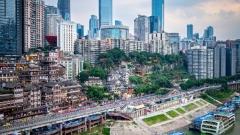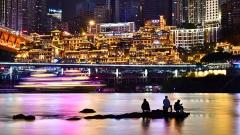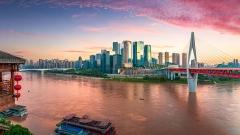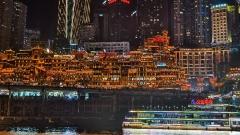

If Jiefangbei represents the modern, glittering “face” of Chongqing, then the Shibati Traditional Commercial Area (Eighteen Steps), sitting right next to it, serves as the true “soul” holding the deep memories and nostalgia of the old city.
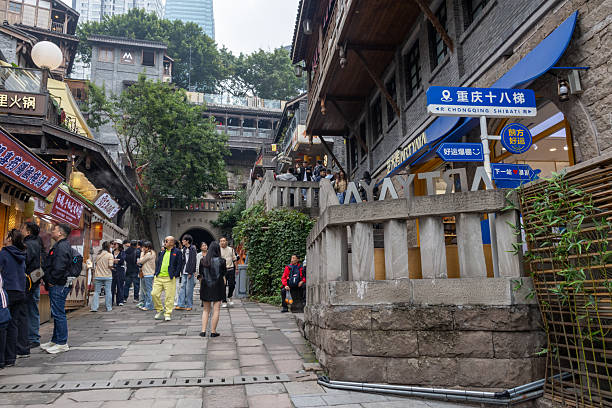
As a local saying goes, “To miss the mother city is to miss the true spirit of the mountain metropolis.” Situated at Jiaochangkou in the Yuzhong District, Shibati was historically the vital thoroughfare connecting Chongqing’s “Upper City” and “Lower City.” It was once the most vibrant, bustling residential quarter where traditional Diaojiaolou (stilt houses) clung gracefully to the steep mountainsides, and winding stone steps witnessed centuries of local porter (“Bangbang Army”) culture. Following a meticulously executed revitalization, Shibati today perfectly preserves its historic “Seven Streets and Six Alleys” layout while seamlessly incorporating modern creative spaces and trendy cultural experiences. Whether you are looking to trace the historic roots of Chongqing or capture highly cinematic artistic photos, Shibati is a must-visit destination.

How to Experience Shibati: Four Core Highlights in the “Lower City”
To enjoy the most comfortable exploration of Shibati, it is highly recommended to walk from top to bottom (entering from Jiaochangkou and strolling downward toward Jiefang West Road). This saves immense energy and allows you to gradually absorb the vertical magic of the mountain city.
A. Stroll the “Seven Streets & Six Alleys”: Admire Bayu Architecture
The restored Shibati brings classic architectural elements like stilt houses, overhanging beams, and traditional courtyard wings back to life. Walking along the historic blue-stone stairways surrounded by layered, interlocking black-tiled wooden structures perfectly mirrors the romantic, nostalgic scenes where characters ran through the old streets in popular films.
B. Visit the Mountain City Memory Museum: An Immersive History Lesson
To truly understand the heartbeat of this historic street, make a stop at the Shibati Mountain City Memory Museum. Utilizing a precious collection of old photographs, historical artifacts, and interactive multimedia displays, the museum vividly recreates the old city’s past life—from water carriers and ear-pickers to itinerant metalsmiths—making it perfect for an in-depth cultural tour.
C. Uncover the Air-Raid Shelter Culture & Wartime Resilience
Chongqing houses one of the most extensive underground air-raid shelter systems in the world, and Shibati was a major historical site during the Chongqing Bombings. Today, portions of these shelters have been transformed into historical museums and creative underground lifestyle spaces, giving visitors a profound sense of the city’s heroic, unyielding spirit.
D. Night Walk in Shibati: A Golden Glow to Rival Hongyadong
Dusk is the most magical hour to be in Shibati. As twilight fades, warm, golden lights flicker on across the mountain-hugging stilt houses, wrapping the entire valley in a glowing amber coat. Compared to the dense crowds of Hongyadong, sitting in a Shibati teahouse at night listening to traditional storytelling while catching a cool evening breeze offers a far more relaxing, premium resort feel.
When to Visit? Best Seasons & Time of Day
Shibati is an open, historical neighborhood accessible 24/7. However, to ensure the most comfortable and visually stunning experience, keep this timing strategy in mind:
-
The Best Seasons (Autumn & Spring): March to May and September to November offer Chongqing’s most delightful weather. The mountain city steps away from its intense summer heat during these months, offering pleasant breezes that make climbing the stairways highly enjoyable without breaking a sweat.
-
The Best Time of Day (Late Afternoon into Night): We highly recommend arriving around 4:00 PM. This gives you a solid two hours to tour the indoor galleries and browse creative boutique shops. By 6:30 PM to 7:00 PM (depending on the season), you will be in the perfect position to capture the brilliant blue-hour nightscapes as the golden lights illuminate the valley.
How to Get There? A Comprehensive Transit Guide
Located right in the heart of Chongqing’s central business district, Shibati is exceptionally accessible by both public transit and private transport:
-
By Rail Transit (Metro / Monorail):
-
Take Chongqing Metro Line 1 or Monorail Line 2 and get off at Jiaochangkou Station.
-
Take Exit 3 or Exit 11, and you will find yourself less than 100 meters away from the main entrance of Shibati’s “Upper City.”
-
-
Premium Private Chauffeured Route:
-
For premium private tour guests traveling with seniors, children, or heavy luggage, we arrange for your private vehicle to drop you off directly at the designated drop-off zone next to Jiaochangkou Pedestrian Street.
-
Upon completing your downward walk through history, your chauffeured car will be waiting for you at the Jiefang West Road Entrance at the bottom. This ensures you only walk downhill, completely bypassing the exhausting climb back up, making the entire tour elegant and effortless.
-
A Taste of the Old Mountain City: Authentic Shibati Street Food
In the memories of old Chongqing locals, Shibati is forever intertwined with the rich aromas of clay-pot beef, braised chitterling noodles, and authentic hot pot. Today, it gathers a marvelous array of culinary heritage and local street snacks:
-
Air-Raid Shelter Hot Pot (The Most Authentic Vibe): When in Shibati, you must try hot pot served right next to the cliffside rock walls or inside an old air-raid shelter. The broth, slow-simmered with pure beef tallow, delivers a rich, deep, numbingly spicy punch. Pair it with fresh beef tripe, duck intestines, and pork aorta for the ultimate Chongqing culinary experience.
-
Shimon Small Tangyuan & Lianggao (The Perfect Spicy Antidote): After walking the steps, grab a bowl of handmade Shandyuan (mini glutinous rice balls). Stuffed with fragrant black sesame and sweet lard, they melt beautifully in your mouth. Pair it with a bowl of ice-cold brown sugar Lianggao (rice cakes) to cool down your palate—it’s an incredible hot-and-cold culinary balance.
-
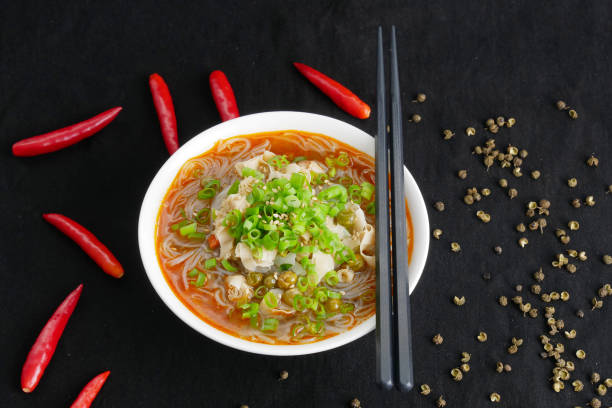
Chongqing Xiao Mian & Hot and Sour Rice Noodles: Tucked deep within the stone alleys are local noodle stalls that have passed down their recipes for decades. With intensely aromatic spices, springy noodles, and punchy, sour-and-spicy broths, sitting on a local bamboo stool and enjoying a steaming bowl is the ultimate way to experience the bold lifestyle of Chongqing.
Leave the Logistics to Experts, Embrace an Unforgettable Chongqing Journey
Chongqing’s vertical geography is always an adventure; even within the very same scenic area, choosing the wrong entrance or route can result in unnecessary physical exhaustion. Want to completely bypass the tourist bottlenecks and avoid backtracking uphill?
Partnering with an experienced operator with robust regional logistics and strict premium service standards, like China Dragon Travel, guarantees a flawless, downhill-optimized route from the Upper City straight to the Lower City. We provide dedicated luxury business vans and professional expert guides to elevate your journey. Whether it is securing reservations at highly sought-after air-raid shelter viewpoint restaurants or booking premium accommodations that overlook the historic nightscape, we manage every detail seamlessly. All you need to do is bring your camera and immerse yourself in this premium, stress-free journey through time!