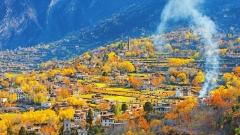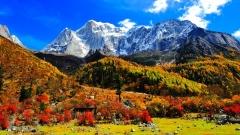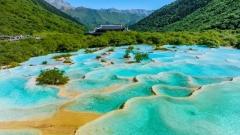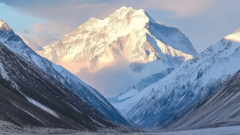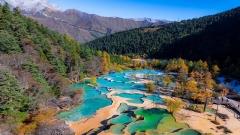

On the ultimate bucket list of global travelers, the words “Western Sichuan” (Chuanxi) always shimmer with a mysterious, holy radiance. Hugging the southeastern edge of the Qinghai-Tibet Plateau, this vast region is a spectacular collision of the soaring Hengduan Mountains and roaring river canyons. Within this wilderness, three names—when linked together—form a dream itinerary capable of shifting your soul forever: the romantic gateway of “Kangding,” the otherworldly sanctuary of “Daocheng Yading,” and the majestic alpine crown of “Mount Siguniang.”
This grand loop features Asia’s densest and most pristine collection of glaciated peaks, seamlessly interwoven with primeval forests, mirror-like tectonic lakes, deep gorges, and the devout, ancient culture of the Khampa Tibetans. Whether you are a fine-art photographer chasing the perfect golden-hour light or a weary city-dweller seeking a moment of absolute peace, this journey promises a visual feast and spiritual healing that defies description.
Kangding: The Historic Love Song Gateway to the Khampa Highlands
Serving as the grand gateway into the Garzê Tibetan Autonomous Prefecture, Kangding is world-famous due to the timeless Chinese folk ballad, The Kangding Love Song. For centuries, this historic outpost was a pivotal hub along the ancient Tea Horse Road. Cradled in a deep valley where the Zheduo and Yala Rivers clash, the town echoes with the ambient sounds of rushing water, distant yak bells, and the deep resonance of Tibetan Buddhist temple bells.
A. Mugetso (The Kangding Love Song Scenic Area): The Alpine Jewel
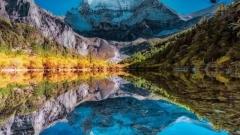
Mugetso, translating to “Wild Man Sea” in Tibetan, sits at an elevation of 3,700 meters and stands as one of the largest high-altitude lakes in northwestern Sichuan. The park is a multi-layered geological marvel featuring the Seven-Color Sea, therapeutic hot springs, the primary alpine lake, and the expansive Red Sea Grasslands.
-
The Experience: As your eco-bus winds through a canopy of dense, primeval forest, the horizon suddenly breaks open. The crystalline, sapphire waters of Mugetso emerge, mirroring the jagged, snow-capped Lotus Mountain in absolute silence. In the afternoon, a gentle breeze ripples the water, creating a dazzling display of light. Take a stroll along the rare, natural Golden Sand Beach at the water’s edge to feel the surreal contrast of mountain sand and sacred waters.
-
The Thermal Relaxation: Mid-way through your exploration, stop by the Yaochi Boiling Springs. Dozens of natural geothermal vents bubble out of the earth here. Soaking your tired legs in the warm, mineral-rich waters while tasting a local “spa egg”—slow-cooked by the earth itself until the yolk is rich and creamy—is a deeply comforting luxury on the plateau.
B. Zheduo Mountain Pass: Crossing the First Gateway of the Khampa Realm
Leaving the town center, your vehicle climbs a series of dramatic switchbacks to tackle the formidable Zheduo Mountain Pass, standing tall at 4,298 meters. Geographically part of the Daxue Mountain Range, Zheduo serves as the natural line between Han and Tibetan cultures.
-
The Photo 機位 (Vantage Point): Standing atop the windy mountain pass, surrounded by thousands of vibrant, fluttering five-color prayer flags, the view is staggering. Looking back, you see the coiled highway snaking through deep valleys; looking forward, an endless sea of snow peaks meets the sky. On a clear day, the towering silhouette of Mount Gongga—the “King of Sichuan Mountains”—pierces through the rolling sea of clouds, marking the true, epic beginning of your high-altitude odyssey.
Daocheng Yading: The Last Pure Land on the Blue Planet
If you could only choose one sanctuary on Earth to seek absolute isolation, it must be Daocheng Yading. In the 1920s, the American explorer and botanist Joseph Rock published a groundbreaking series of photographs and essays in National Geographic magazine, introducing this hidden paradise to the Western world. Today, it is universally revered as the true, beating heart of the mythical Shangri-La.
A. The Three Sacred Mountains: Divine Guardians of Tibetan Lore
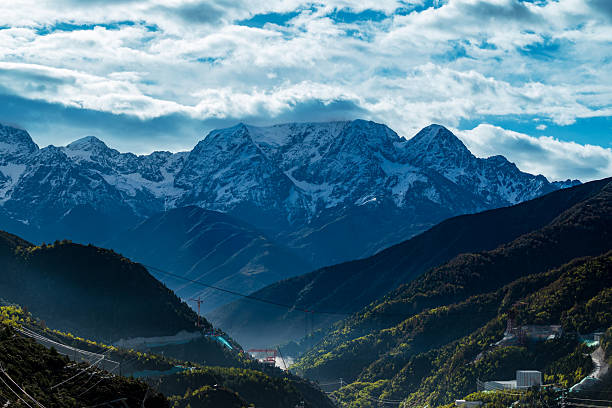
The spiritual core of Daocheng Yading rests upon three distinct, snow-capped peaks arranged in a perfect triangular “pyramid” formation, each representing a distinct Buddhist deity:
-
Mt. Xiannairi: Resembling a massive compassionate Buddha seated serenely upon a giant lotus throne.
-
Mt. Yangmaiyong: Exceedingly elegant, sharp, and chiseled, standing like a frozen maiden wielding a sword of pure wisdom.
-
Mt. Xianuoduoji: A jagged, fierce pyramid of rock and ice, radiating sheer power and resolve. For local Tibetans, completing a Kora (sacred circumambulation) around these peaks on foot at least once in a lifetime is a supreme spiritual honor, believed to wash away lifetimes of hardships.
B. The Ultimate Two-Route Trekking Strategy: Pacing Your Sacred Hike
Exploring Yading requires a fair amount of physical stamina due to its high altitude. To accommodate different fitness levels, the park is split into two distinct trails:
-
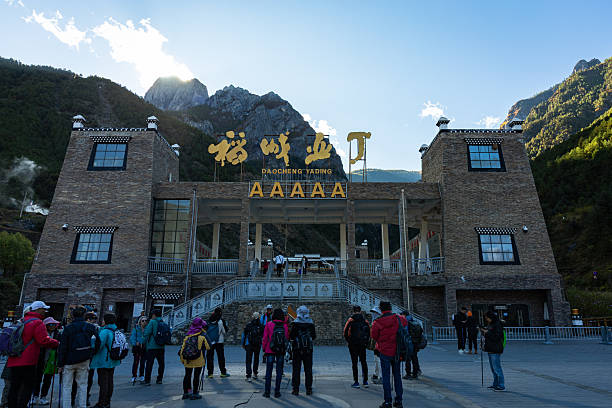
The Short Loop (Difficulty: ⭐️ | Accessible to All): Starting from Zhaguanbeng, follow a gentle path past the tranquil, ancient Chonggu Monastery, then wind along a pristine forest boardwalk to Zhuomalacuo (Pearl Lake). The lake water is a deep, iridescent emerald, framed by wild alpine rhododendrons in spring and brilliant gold larches in autumn. The colossal north face of Mt. Xiannairi reflects flawlessly in the center of the water like a dropped jade gem, making it an incredible spot for landscape photography.
-
The Long Loop (Difficulty: ⭐️⭐️⭐️⭐️⭐️ | Extreme Challenge & Visual Zenith): Your journey begins at Luorong Pasture, a vast alpine meadow where the pristine Gongga River snakes through wetlands, yaks graze in peace, and the three sacred mountains flank you on all sides. From here, trekkers ascend past the tree line to elevations above 4,600 meters to reach Milk Lake (Niunai Hai) and Five-Color Lake (Wuse Hai). These ancient glacial basins refract sunlight into surreal shades of brilliant turquoise and peacock blue. Though the air is thin and the trails rocky, the moment you stand at the edge of the world looking up at the glaciated walls of the gods, all physical exhaustion is washed away by a profound sense of peace.
Mount Siguniang: The Alps of the East and the Queen of Sichuan
Spanning the border of Xiaojin and Wenchuan counties, Mount Siguniang (Four Sisters Mountain) earns its title as the “Queen of Sichuan” through its sheer alpine grace. These four continuous, glaciated peaks look like four maidens draped in white veils, standing shoulder-to-shoulder against the deep blue plateau sky. Its highest summit, “Yaomei Peak,” pierces the atmosphere at 6,250 meters and remains a holy grail for modern mountaineers worldwide.
A. Shuangqiao Valley: Zero-Barrier Luxury Landscape Gallery
Stretching 34 kilometers, Shuangqiao Valley is the most mature, geologically diverse, and physically effortless valley within the park, making it exceptionally friendly for seniors or first-time plateau travelers.
-
The Highlights (Seamless Bus Transit): The entire valley is serviced by clean sightseeing shuttles, allowing you to experience the landscape comfortably by hopping on and off at key locations.
-
Ginseng Fruit Meadow & Bonsai Beach: Here, vast marshes give way to groves of ancient, petrified sea buckthorn trees submerged in crystalline streams. The contrast of weathered, twisting wood against vibrant alpine grasses creates a striking natural art gallery.
-
The Redwood Forest: The final terminal of the shuttle bus. Standing at an altitude of over 3,800 meters, you are enveloped by towering Sichuan Redwoods. Looking straight up, the colossal granite faces and hanging glaciers of the mountain are right there, nearly within arm’s reach. The sheer, freezing, monolithic presence of the mountain instills a quiet reverence.
-
B. Changping Valley: A Wilderness Trekking and Horseback Paradise
In contrast to the structured comfort of Shuangqiao, Changping Valley retains its raw, rugged charm, acting as a playground for day-hikers and horseback riders.
-
The Trail Experience: The front portion of the valley features comfortable wooden boardwalks woven through centuries-old cypresses, roaring waterfalls, and mossy forest floors. Deeper in, the trail transforms into a raw clay horse path. Crucially, Changping Valley serves as the absolute best vantage point to view the sheer, vertical southern wall of Yaomei Peak. When the sun dips low, the final golden rays set the icy summit ablaze—a legendary “Golden Glow on the Snow Peak” that will remain etched in your memory forever.
An Alpine Symphony Written on the Edge of the World
From the gentle romance of Kangding and the untouched sanctuary of Daocheng Yading to the sharp, monumental grace of Mount Siguniang, this grand route traces the most breathtaking contours of the eastern Qinghai-Tibet Plateau.
This is far more than a simple geographical loop; it is a pilgrimage of sight and soul. When you personally stand on that ground, breathing the crisp air free of a single grain of city dust, watching the sacred peaks turn amber in the sunset while the wind carries the hum of ancient mantras, you will understand why travelers return here time and time again. The vast majesty of Western Sichuan is a living masterpiece—one well worth crossing oceans and mountains to witness just once in your life.